What to expect in Trump’s first State of the Union address since his return to the White House
Analysts say the US president will likely stick to themes that resonate more directly with voters at home.
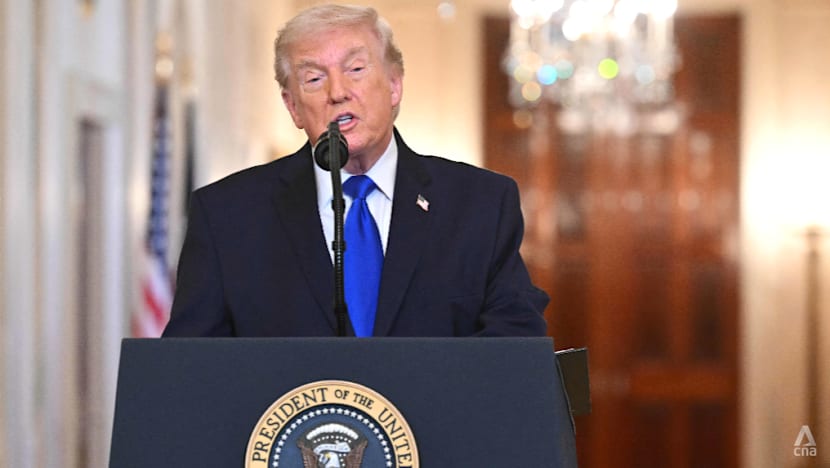
US President Donald Trump speaks during the Angel Families Remembrance Ceremony in the East Room of the White House in Washington, DC, Feb 23, 2026. (Photo: AFP/Saul Loeb)

This audio is generated by an AI tool.
WASHINGTON: When United States President Donald Trump steps before a joint session of Congress on Tuesday (Feb 24) night for his first State of the Union address since returning to the White House, the world will be watching.
With American warships massing in the waters near Iran, conflicts in Gaza and Ukraine still unresolved, and questions lingering about Washington’s energy strategy in Venezuela, Trump’s speech is poised to draw international scrutiny.
Despite these foreign policy flashpoints, political analysts expect Trump to devote most of his airtime to a domestic audience, using the primetime address to lay the groundwork for November’s midterm elections.
The speech will be a test of Trump’s ability to recapture political momentum after months of sliding approval ratings and mounting criticisms.





Recent US media polls suggest his approval numbers have dipped significantly since taking office, with respondents saying he has not prioritised issues that directly affect their daily lives.
DOMESTIC MESSAGING
Still, Trump, who frequently touts his accomplishments, is likely to reference his foreign policy wins, including peace agreements and trade deals.
However, Republican strategists are expected to steer most of the speech towards bread-and-butter concerns that resonate most with voters: Inflation, jobs, housing costs, affordability and immigration.
“Even members of his party say he's too focused on international (ongoings) … and winning that Nobel Prize … and not focused enough on domestic politics,” said George Washington University’s political management programme director Todd Belt.
With millions of voters citing the rising cost of living as a top concern, economists and political observers predict Trump will spend substantial time defending his economic record and promising relief.
“Midterm elections are always a referendum on the president's handling of the economy,” said Belt. “And right now, that's not looking very good for Trump.”
He noted that many Americans view the president as distracted from domestic priorities, arguing that his focus on global issues and aggressive trade actions has come at the expense of everyday economic concerns.
“So, Trump needs to talk about what he's going to do to make people's pocketbooks a little bit fatter so that they are able to afford more than right now,” he added.
TARIFFS UNDER PRESSURE
Tariffs are expected to feature prominently in Trump’s economic defence.
The issue has been thrown into fresh uncertainty after the Supreme Court last Friday struck down a significant portion of his signature tariff agenda.
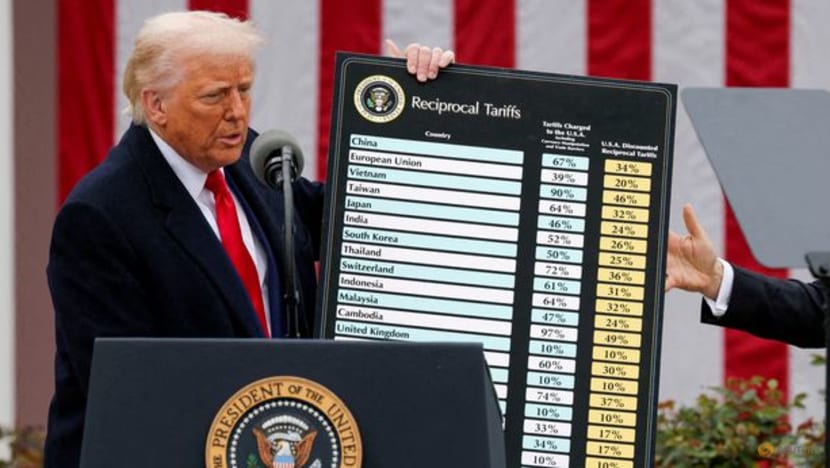
The president responded swiftly, imposing a 15 per cent global tariff under a separate legal authority. However, that measure can only remain in place for 150 days – a temporary fix that has added to market volatility and business unease.
Analysts say Trump is likely to use his address to defend his trade strategy, project confidence in his economic leadership and frame the court’s ruling as a setback he intends to overcome, while reassuring voters that his broader agenda remains on track.
Trump’s reciprocal tariffs have collected US$175 billion so far. But research from the Federal Reserve Bank of New York suggests that about 90 per cent of the levies have been borne by US consumers and businesses rather than foreign exporters, which critics argue undercuts the policy’s intended benefits.
Additionally, businesses and economists warn that ongoing uncertainty around trade policy – including the legal challenges to Trump’s tariff authority – could dampen confidence and slow investment.
“When I think about what we're going to experience in the year ahead: Chaos. The uncertainty aspect of the trade policy and tariffs risk derailing the economy,” said Wendy Edelberg, economic studies senior fellow at public policy organisation Brookings Institution.
Republican lawmakers – wary of losing their seats in the midterms – will want Trump to use the spotlight to reinforce the party’s economic message as they fight to maintain control of Congress for the rest of his term.
For Trump, the challenge will be balancing his showman instinct to showcase global achievements with Republican expectations that he focus on voters at home.