







From prevention to care: Why early action matters in the cancer journey
The Lessons for Life cancer awareness forum highlighted early detection, financial preparedness and strong support systems as key to better outcomes.
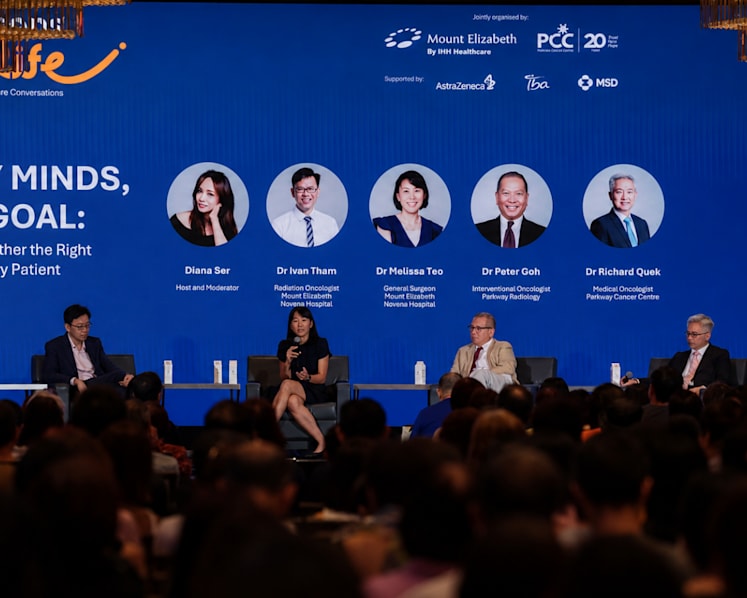
Close to 500 people attended the Lessons for Life: Cancer Care Conversations 2026 public forum on Apr 18. (Photos: IHH Healthcare Singapore)

This audio is generated by an AI tool.


Presented by
Modern medicine has transformed cancer care over the past two decades. Advances such as precision radiation, novel drug combinations and minimally invasive surgery have improved outcomes while reducing side effects. Multi-disciplinary teams deliver fast, coordinated and personalised care, cutting through delays so patients can begin treatment sooner. Yet, with an ageing population and an increase in early-onset cancers among younger people, the disease remains a pressing concern.
Dr Peter Chow, CEO of IHH Healthcare Singapore, acknowledged these realities but remains optimistic. “What gives us hope is our ability to now address cancer on multiple fronts – combining advanced treatment with diagnostic tools for early detection and prediction, science-based prevention and long‑term social-emotional support for patients,” he said.
This set the tone for Lessons for Life: Cancer Care Conversations, a public forum held on Apr 18 at Pan Pacific Singapore. Co-organised by Mount Elizabeth Hospitals and Parkway Cancer Centre (PCC), the event marked PCC’s 20th anniversary and brought together clinicians, allied health professionals, financial advisers and patient advocates for a holistic discussion on cancer care.
KNOW YOUR RISKS AND GET SYMPTOMS CHECKED EARLY
The event kicked off with a plenary session featuring doctors from IHH Healthcare Singapore. Drawing on real cases, radiation oncologist Dr Ivan Tham, general surgeon Dr Melissa Teo, interventional oncologist Dr Peter Goh and medical oncologist Dr Richard Quek demonstrated how close collaboration across specialties enables swift, comprehensive, personalised care.
“Working in multi-disciplinary teams, we make timely decisions on the best course of action for each patient based on factors such as age, medical co-morbidities, tumour size and location, and develop an individualised treatment plan,” said Dr Quek, who focuses on rare and complex cancers.
The conversation then shifted to personal empowerment and prevention, with a focus on understanding individual risk and acting early through regular checkups.
Panellists shared that most cancers occur by chance, with only 5 per cent to 10 per cent caused by inherited genetic mutations. A recent World Health Organization study found that nearly 40 per cent of global cancer cases are linked to modifiable risk factors, including smoking, infections and alcohol consumption.
Prevention can begin with small, sustainable lifestyle choices, such as incorporating walking into daily routines and reducing intake of processed food. Dietitian Gerard Wong said healthy nutrition should ideally start from childhood.
Medical oncologist Dr Tanujaa Rajasekaran urged people to learn their family medical history, as it can reveal inherited cancer risks and guide targeted screening and prevention. At Mount Elizabeth Novena Centre for Genomic Health, clinical genetic testing is available for selected conditions – including hereditary breast and ovarian cancer, with subsidies for eligible Singaporeans from December.
“Early detection – even before symptoms appear – can lead to timely intervention and better outcomes,” said Dr Tan Min-Han, founder and CEO of Lucence. The precision health company has developed a multi-cancer early detection (MCED) blood test that can screen for up to 50 cancer types.
ADEQUATE MEDICAL COVERAGE MATTERS
Another session brought together speakers from insurance and financial advisory firms to discuss the cost of cancer care and share tips on financial planning.
Senior financial advisor Yvonne Ang spoke about her experience as a breast cancer survivor. Her corporate and critical illness plan helped provide financial security and peace of mind, allowing her to focus on recovery.
Other panellists – including Dr Warren Ong, head of clinical, Asia Pacific, Cigna Healthcare Singapore; and Mr Ethan Neo, senior director, AIA Financial Advisers – said no single plan is likely to cover all costs. They also encouraged individuals to review their policies regularly. Professional advice can help identify coverage gaps and clarify changes, such as updates to the Integrated Shield Plan riders and the Ministry of Health’s Cancer Drug List.
YOU ARE NOT ALONE
In the final panel session, cancer survivors Tan Kang Fun and Alicia Huang, caregiver Adeline Tan (Mr Tan’s wife) and counsellor Wa Wa Aung highlighted the social and emotional aspects of the cancer journey.
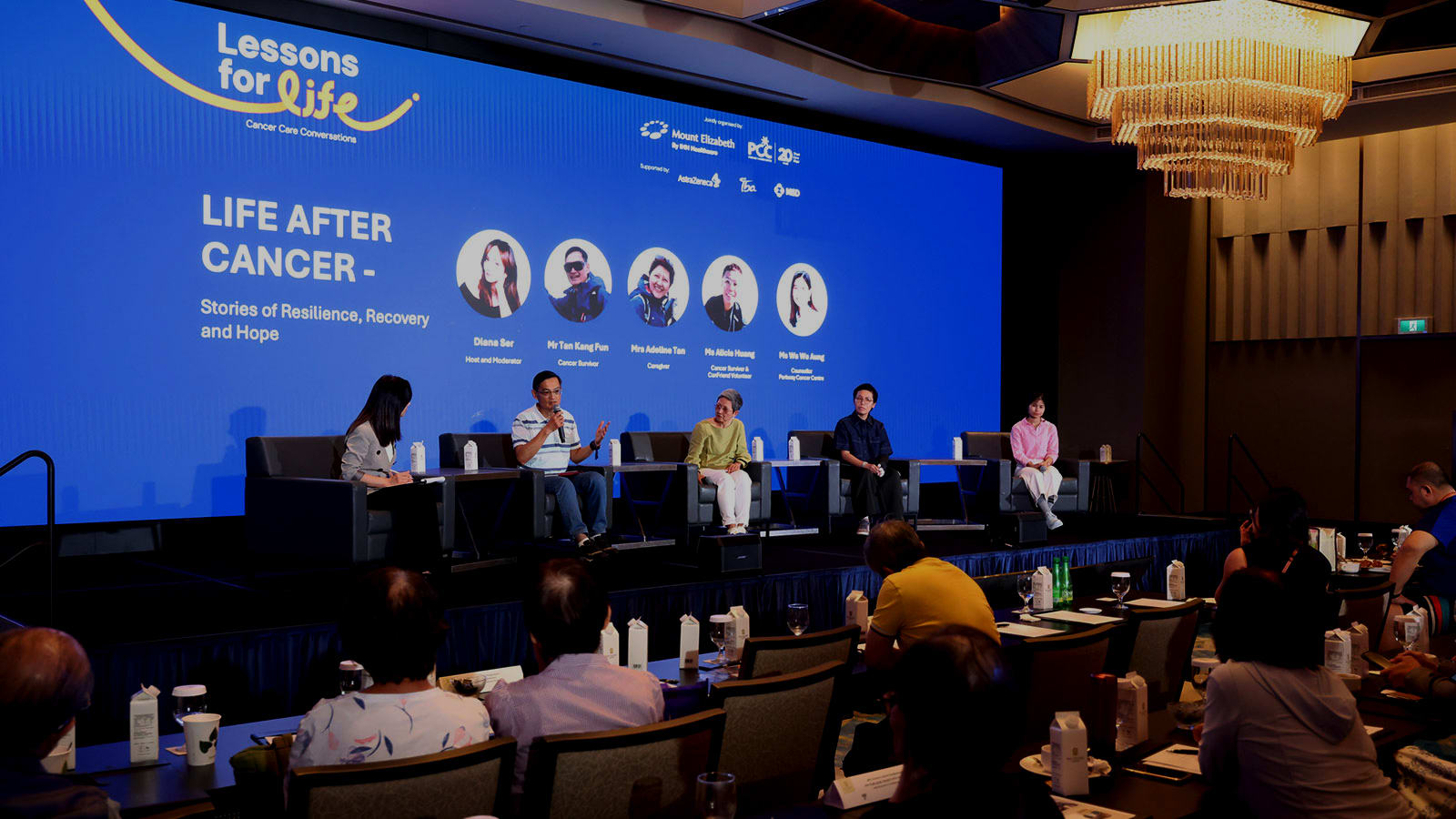
With his family’s support, Mr Tan overcame advanced-stage lung cancer despite an initial prognosis of 12 to 18 months. More than a decade later, he remains active, enjoying cycling and hiking.
Ms Huang, who lost both parents to cancer and battled breast cancer herself, found purpose in supporting others on similar journeys. She volunteers with CanFriends – part of PCC’s CanHope support services for patients and caregivers.
Their experiences underscored a clear message: No one should face cancer alone. Support from family, friends, peer groups and professional counsellors can help patients cope during and after treatment, rebuild their identities and move forward with confidence.
THE FIGHT IS NOT OVER
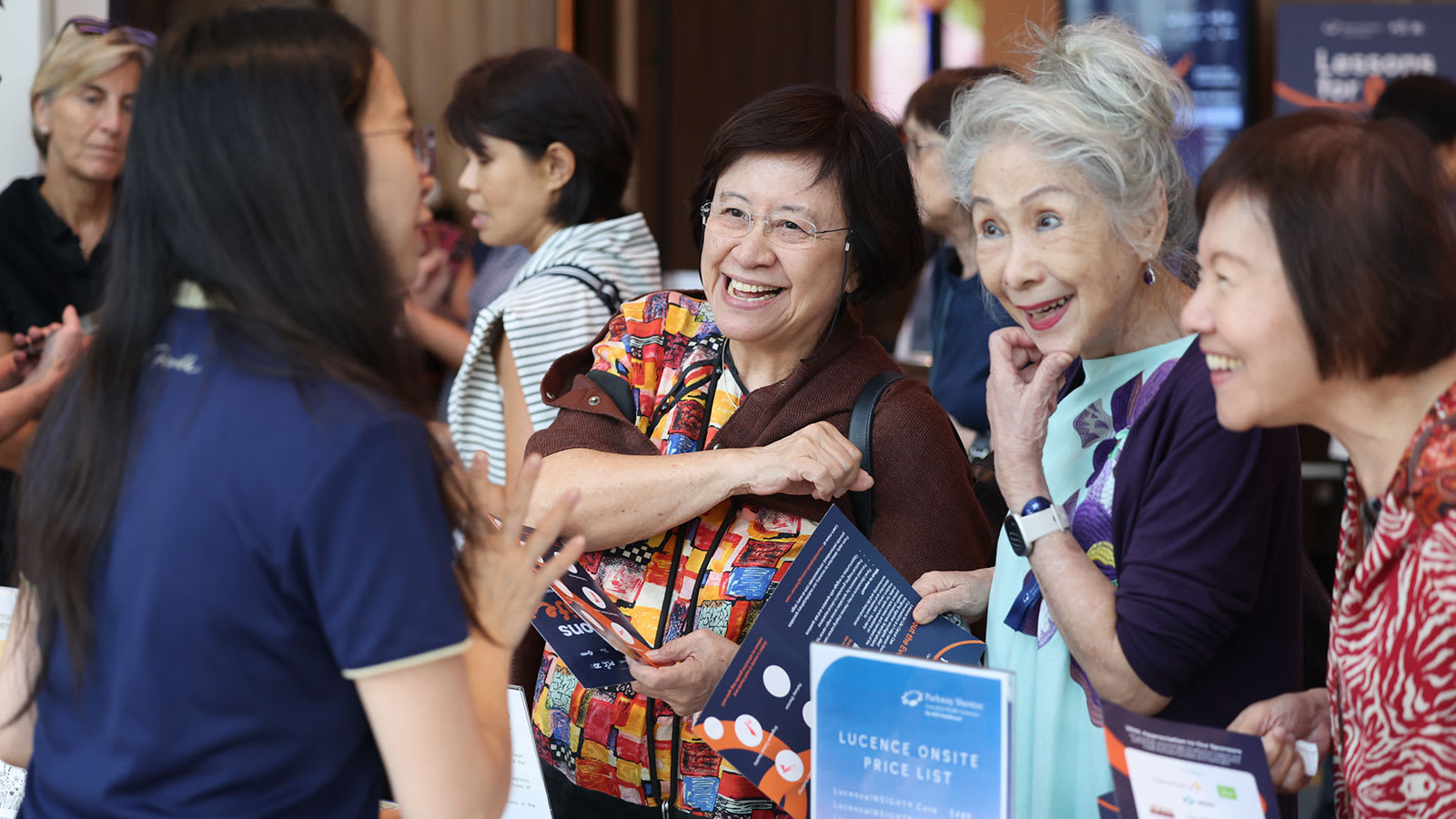
Beyond the panel discussions, the forum featured concurrent sessions on advances in blood, breast, prostate and lung cancer treatments. On-site screenings, including MammoXpress services and MCED blood tests, were also offered.
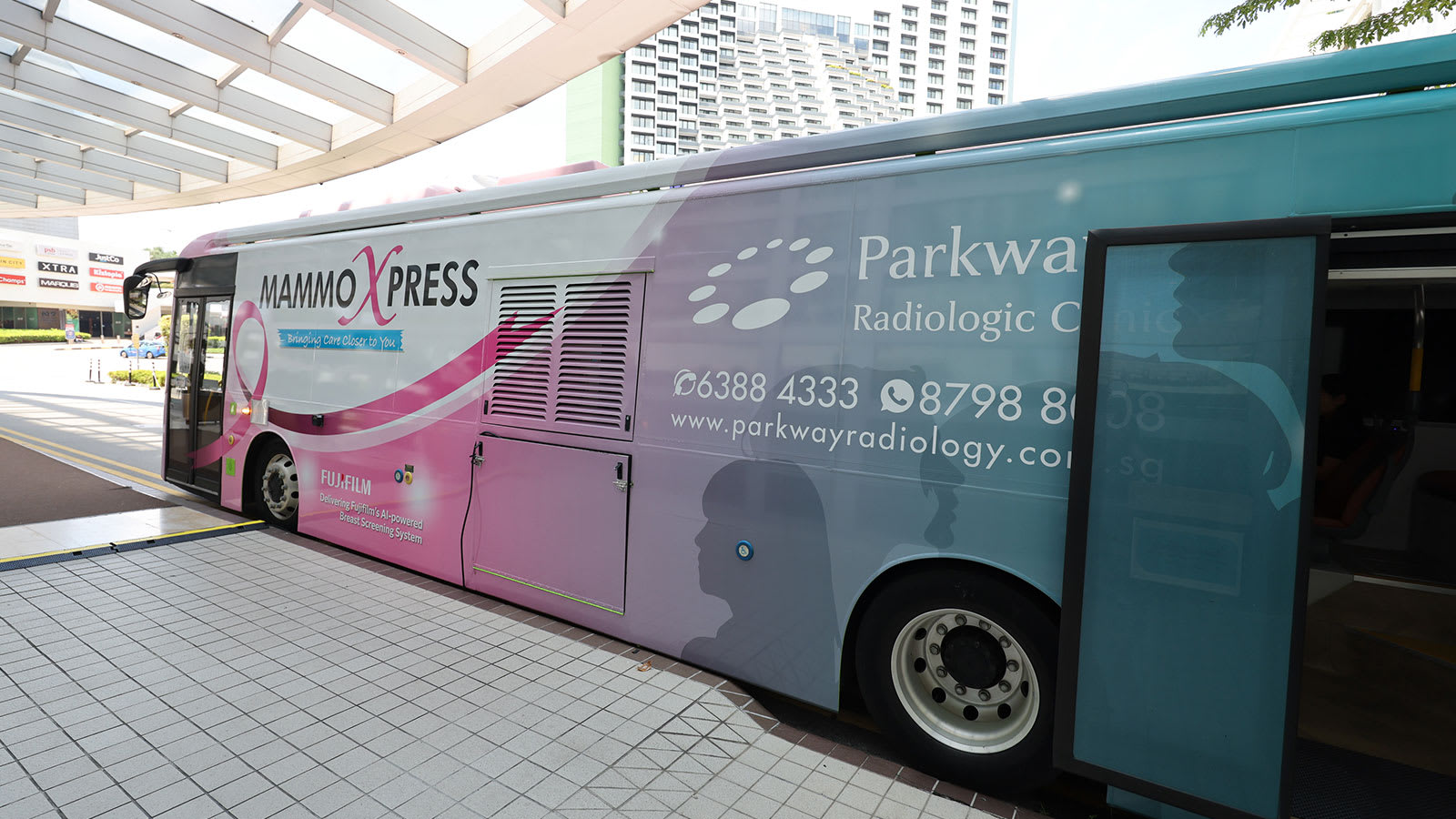
The event aimed to raise public awareness of cancer issues, reflecting IHH Healthcare’s broader focus on prevention, diagnosis, treatment and post-treatment support.
“Survivorship rates are higher, and quality of life during and after treatment has improved. Yet the fight against cancer continues,” said Dr Chow. “Cases are rising and prevention remains underutilised. By bringing these conversations into our communities, we hope to equip individuals and families with knowledge and reassurance.”
Mount Elizabeth Hospitals and Parkway Cancer Centre are part of IHH Healthcare. More information on cancer care is available on their websites.




