Asia’s EVolution: As vehicle makers explore alternatives to rare-earth motors, India offers a road forward
This instalment of CNA’s series on the forces powering electric vehicles (EVs) in Asia examines India’s growing presence in the development of rare-earth-free motors, and the speed bumps facing wider adoption.
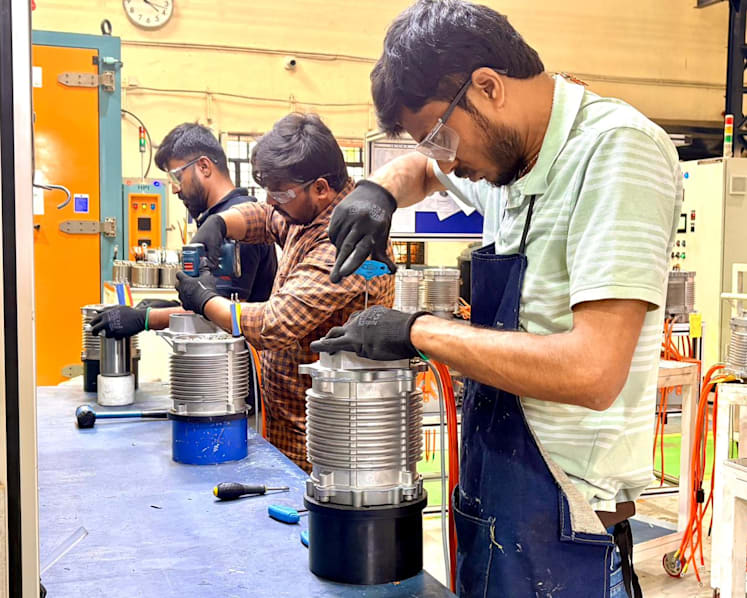
Workers assembling synchronous reluctance motors at Chara Technologies' factory in Bengaluru, India. (Photo: Chara Technologies)

This audio is generated by an AI tool.


SINGAPORE: Electric vehicle (EV) makers are accelerating efforts to cut their reliance on rare-earth magnets after recent supply shocks exposed vulnerabilities in the industry, say analysts.
The shift is driving a broader rethink of motor design, as companies explore alternatives that can lower costs and reduce geopolitical risk tied to concentrated supply chains.
Indian automakers and suppliers are making inroads in this space, with several firms telling CNA how they are already testing or deploying rare-earth-free motor solutions across different segments.
Still, experts say India’s edge lies less in technological breakthroughs and more in its market conditions - scale, cost-conscious consumers and a localisation push.
At the same time, industry watchers and players point out that the transition is likely to be gradual, as automakers weigh whether alternative designs can match conventional motors on cost, efficiency and reliability.
FAMILIAR TECH, NEW URGENCY
Rare-earth elements - a group of 17 metals - are primarily used in the permanent magnets that power most modern EV motors.
China dominates the supply of rare earths, accounting for about 60 per cent of global mining and 91 per cent of refining output, according to the International Energy Agency (IEA).
That bottleneck was acutely felt last year when China further tightened export controls on rare earths amid trade tensions with the United States, disrupting global supply chains.
Major automakers have already begun hedging against these risks by turning to alternative EV motor designs that reduce or eliminate reliance on rare earths.
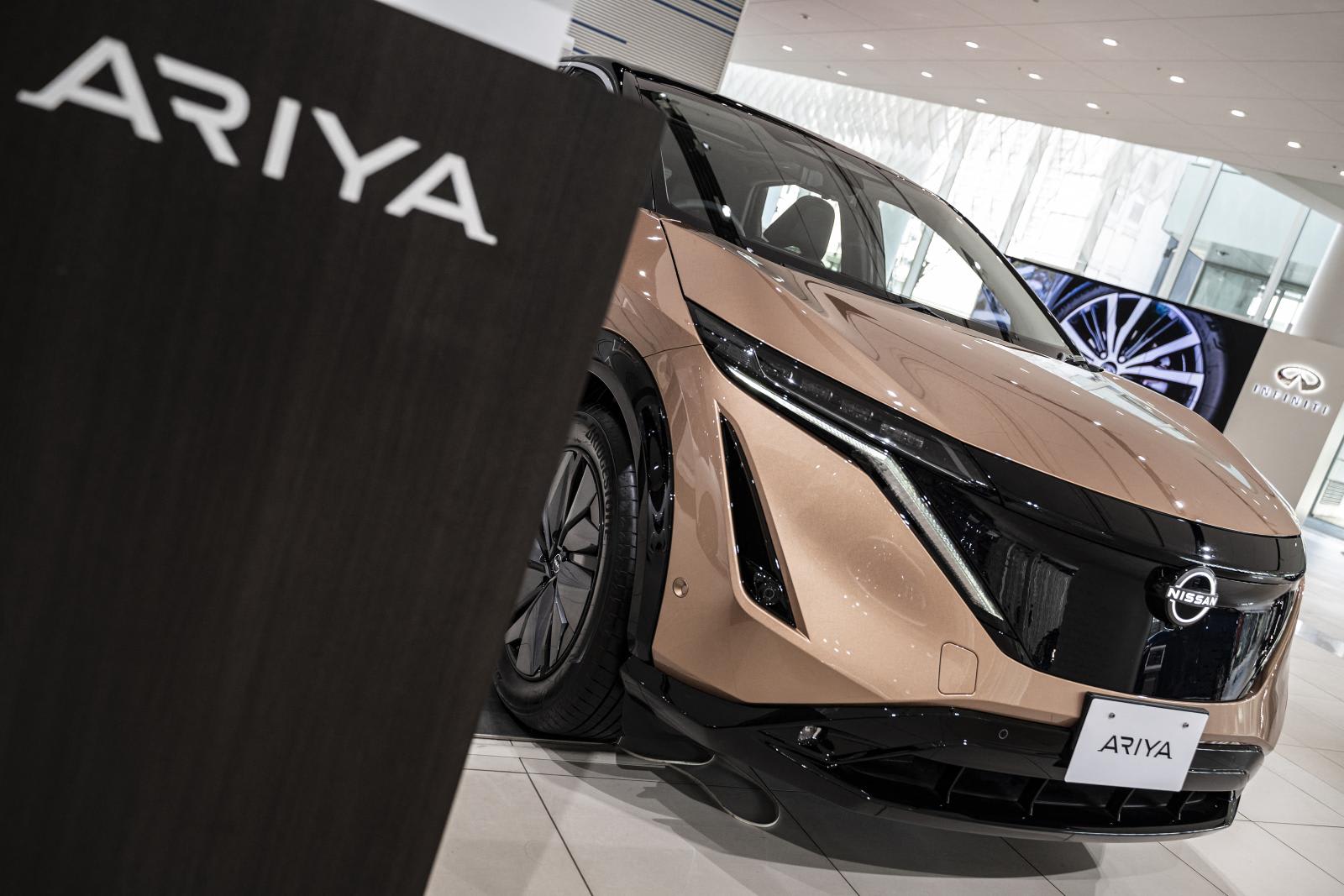
Renault, BMW and Nissan are among those reportedly stepping up efforts. Renault and BMW had already deployed a rare-earth-free design in some models as early as 2011 and 2012, and are now looking to expand its use. Nissan’s Ariya model, unveiled in 2020, features a rare-earth-free motor design.





Even before the latest supply disruptions, some companies had signalled a shift. In March 2023, Tesla said it aims to develop next-generation motors that do not rely on rare earths, without providing a firm timeline for deployment.
The push is not only geopolitical - it is financial.
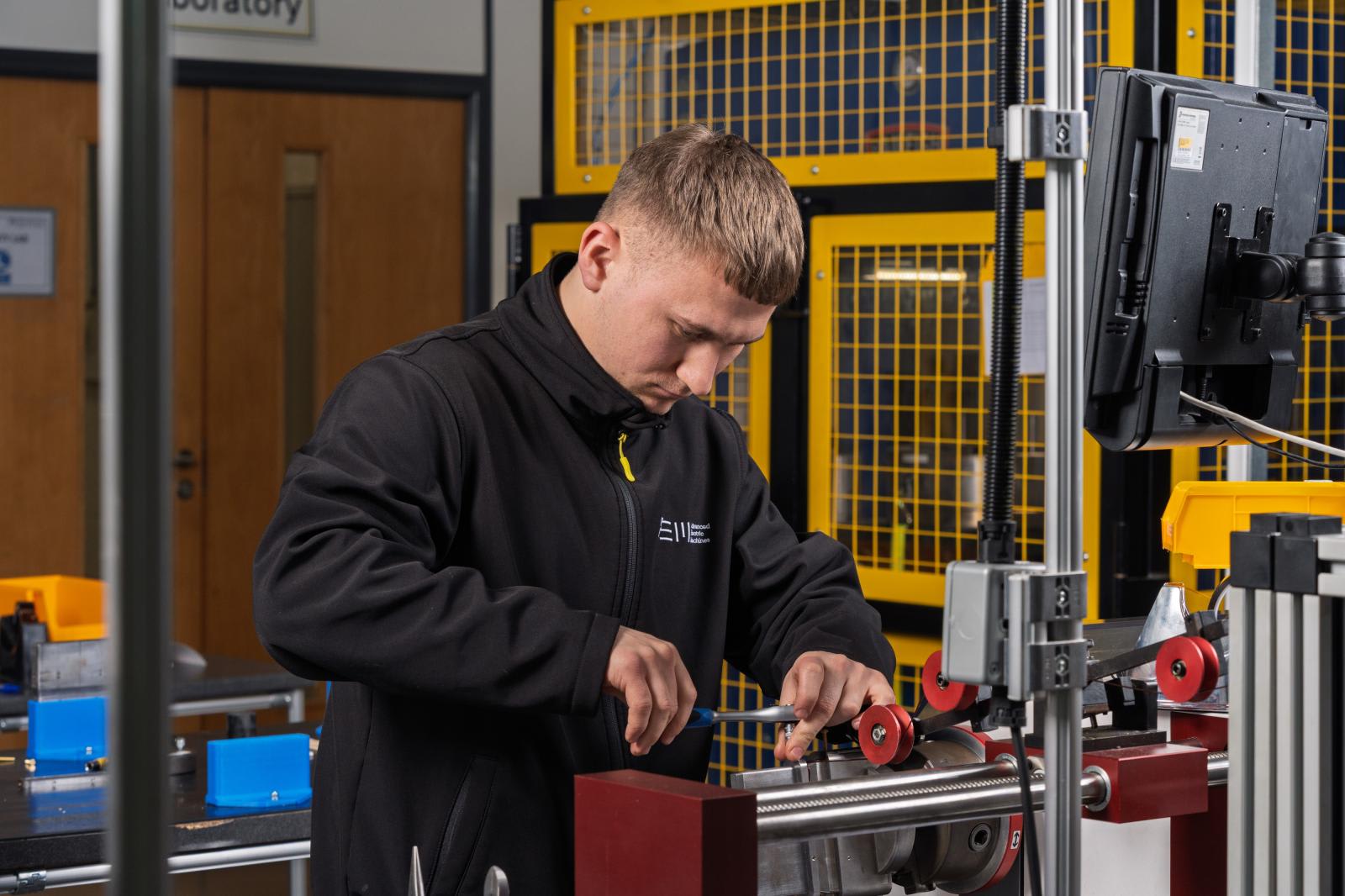
“In high-volume passenger cars, rare-earth magnets can represent a very significant proportion of the total motor cost,” said James Widmer, CEO and co-founder of Advanced Electric Machines (AEM), a UK-based EV motor maker.
“When you’re building millions of vehicles, that becomes a really important factor for OEMs (original equipment manufacturers),” he told CNA.
Rare earth elements account for an estimated 40 to 60 per cent of the active material cost of an electric motor, according to a research report published in the journal Sustainable Materials and Technologies in October 2025.
In comparison, industry estimates suggest that rare-earth-free motors could be 30 to 60 per cent cheaper to manufacture, according to an October 2025 report by India-based consultancy JMK Research & Analytics.
MADE-IN-INDIA SOLUTIONS
Alternative motor designs broadly fall into two categories - those that eliminate magnets, and those that replace rare earths with cheaper, more widely available materials.
Among the approaches gaining the most traction in India’s EV landscape are reluctance-based motors, which do not use magnets, and designs that substitute rare earths with ferrite - a low-cost material commonly used in applications such as refrigerator magnets.
These offer the closest compromise between supply security, cost and manufacturability, although they come with trade-offs in performance and efficiency, according to industry experts.
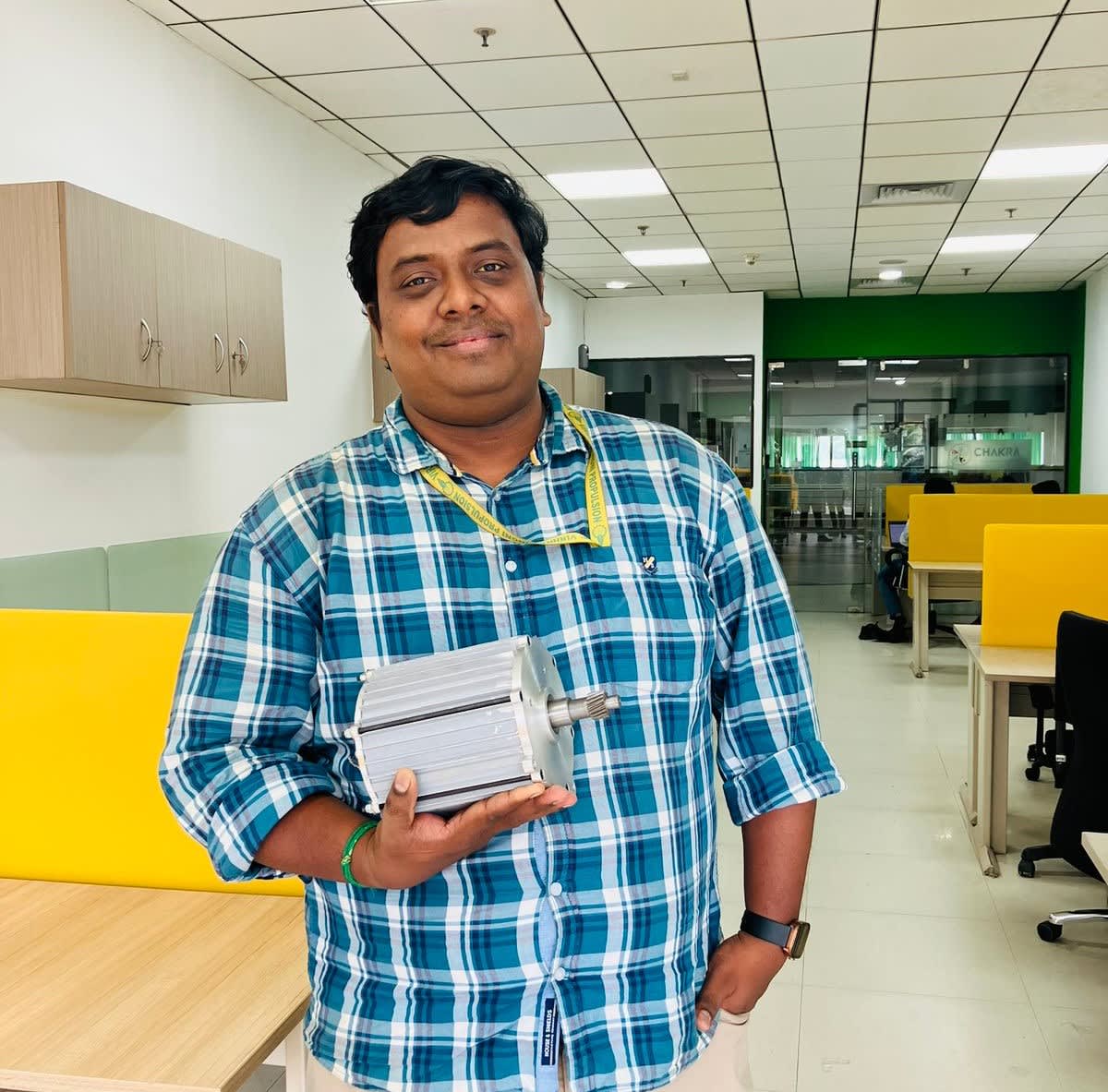
“Ferrite magnets are much cheaper and far more abundant compared to rare earth magnets,” said Sriram Gopal, the founder and CEO of Viridian Ingni Propulsion, an EV motor maker based in Chennai, Tamil Nadu.
Ferrite magnets can cost around 400 rupees (US$4.30) per kg compared with around 6,000 rupees per kg for their rare earth counterparts, according to the JMK Research & Analytics report.
India’s top EV two-wheeler manufacturers, such as TVS Motor and Ola Electric, began working on ferrite-magnet motors in July last year, according to local reports. Firms such as Conifer and Viridian Ingni Propulsion are also developing ferrite-magnet motors for various OEMs.
At the same time, other Indian EV motor makers are making inroads in magnet-free products.
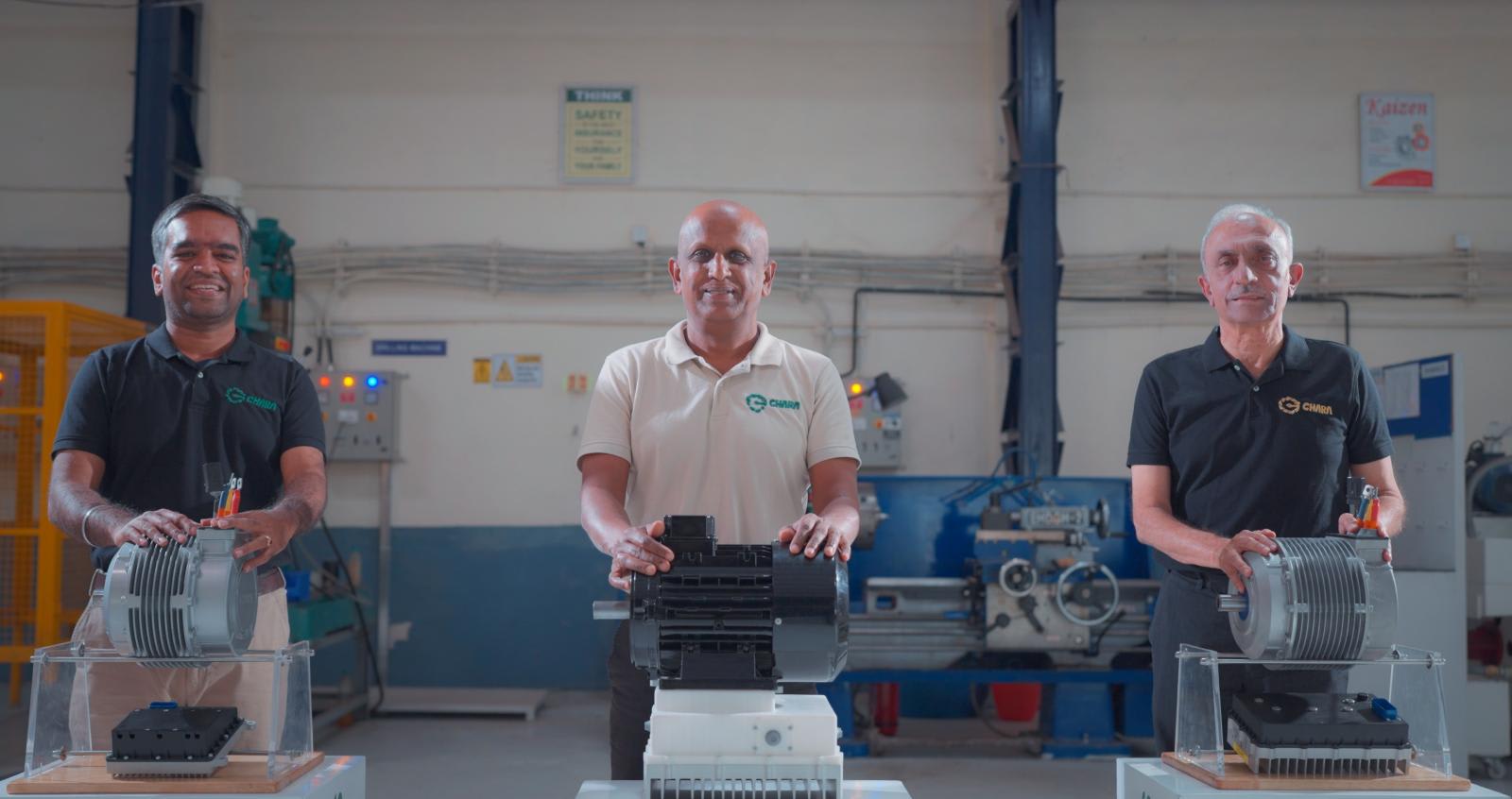
For instance, Bengaluru-based Chara Technologies is developing synchronous reluctance motors, a reluctance-based design that generates motion without using magnets.
The technology has long been used in industrial applications but was rarely deployed in EVs due to controllability challenges, said Bhaktha Keshavachar, Chara Technologies’ co-founder and CEO.
“With better power electronics and control algorithms today, those problems can be solved,” he told CNA.
The technology is already appearing in India’s less glamorous segments such as industrial machinery, where buyers prioritise operating costs and durability.
Bengaluru-based Bullwork Mobility, which builds electrified farm and construction equipment, told CNA it uses Chara Technologies’ rare-earth-free motors in its EV tractors, loaders and agricultural sprayers since early 2025.
Vinay Raghuram, a co-founder of Bullwork Mobility, told CNA that the company aims to source “95 per cent” of its products locally and is “very conscious” of limiting supply chain risks from abroad.
MARKET OPPORTUNITY
Even as homegrown companies position themselves for a larger role, India currently accounts for a modest share of the global market for rare-earth-free motors.
Keshavachar from Chara Technologies estimates that the value of the international market is around US$70 billion, with India accounting for roughly US$2 billion.
The market for rare earth-free motors is still fragmented, with activity spread across China, the US, Europe and India.
Countries such as China, Japan and South Korea lead in motor production, EV adoption and technological innovation, added Keshavachar. “China alone holds a market share of 27.3 per cent, while the Asia-Pacific region overall holds 39.5 per cent.”
Companies and research groups in the US and Europe have been developing rare-earth-free motors, while Chinese firms are entering the space despite their ready access to rare earths.
Still, experts told CNA that India’s advantage lies less in breakthrough innovation and more in its ecosystem - large two- and three-wheeler volumes, price-sensitive buyers and strong incentives to localise key components.
Take ferrite-magnet motors as an example. Their key drawback is weaker magnetic strength - meaning they generate less power for the same size and may require larger or less efficient designs.
But this matters less for scooters and motorcycles, which typically require less power and prioritise affordability over peak performance.
“So you have to design the motor differently. But with the right motor design and controller electronic systems, you can still get very good performance for applications like two-wheelers,” said Gopal from Viridian Ingni Propulsion.
Two-wheelers dominate India’s vehicle market, with sales accounting for roughly 75 to 80 per cent of the market, according to local sales figures.
Beyond domestic demand, Indian motor makers are also targeting exports.
Chara Technologies already works with several European OEMs and has offices in Belgium and Italy, with plans to expand further into Europe and North America.
Conifer, a US-headquartered Indian firm, is working with Lyra Energy, which is developing an EV scooter. Conifer co-founder Ankit Somani said the company has a manufacturing plant in the Indian city of Pune, capable of producing about 70,000 units a year as a pilot, with plans to scale to “at least a quarter of a million units per year” in the next phase.
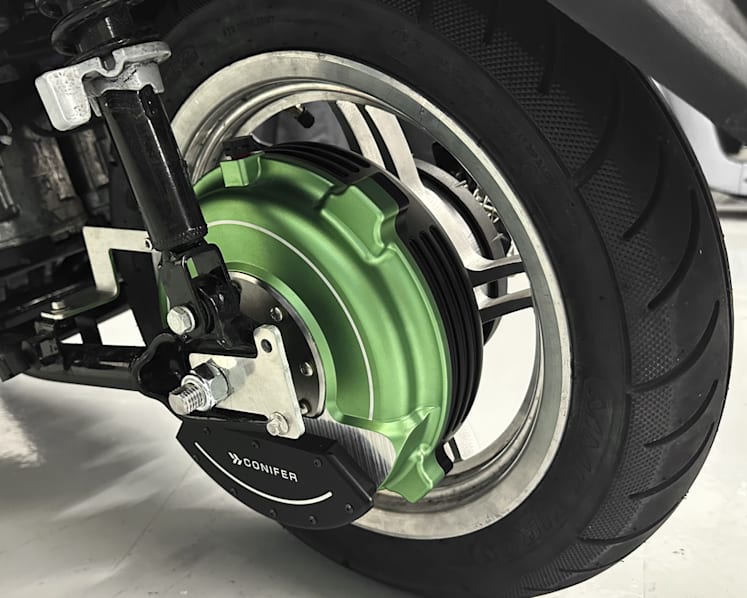
The push also aligns with the Indian government’s plan, announced in August 2025, to turn the country into an EV export hub.
TRADE-OFFS AND TECHNICAL HURDLES
Yet even as momentum builds in India and beyond, analysts noted that trade-offs and technical challenges remain before rare-earth-free motors can be adopted at scale.
Seventy to 80 per cent of EV motors today make use of rare-earth magnets, according to JMK Research & Analytics’ industry report.
The auto industry’s inherent conservatism is one reason adoption has been slow, even as it recognises the geopolitical risks, experts said.
Somani said automakers will adopt rare-earth-free motors at scale only when the alternative is “better on every other front”, referring to performance, size, cost and reliability.
As it stands, current rare-earth motors tend to be more efficient, converting about 90 to 95 per cent of energy into motion under real driving conditions, compared to around 84 to 92 per cent efficiency for rare-earth-free alternatives, experts said.
Different types of rare-earth-free motors also come with their own challenges.
For instance, switched reluctance motors often produce more vibration and noise, while synchronous reluctance motors require more sophisticated control systems to run smoothly.
Ferrite-based motors, meanwhile, use weaker magnetic materials, which can limit performance and lead to higher heat generation in the motors.
But in comparison, Ferrite magnets are generally more heat-resistant than rare-earth magnets.
“Rare-earth magnets are prone to demagnetisation at higher temperatures,” said Dorsa Talebi, a researcher at Texas A&M University, which is developing a rare-earth-free motor.
Analysts also cautioned that moving away from motors using rare earths does not eliminate dependence, but redistributes it instead.
“Eliminating rare-earth magnets reduces geopolitical supply risk from concentrated minerals but shifts material dependence toward widely available inputs like copper and electrical steel,” Abhik Mukherjee, a research analyst at Counterpoint Research, told CNA.
In any case, a long road lies ahead for the mass adoption of rare-earth-free motors, analysts and industry players said.
“It may take another 10 years for all companies to fully understand and start working on alternatives,” said Gopal from Viridian Ingni Propulsion.
Industry players said government support will be needed to accelerate adoption across India’s auto industry.
“Once people see more adoption with more vehicles (with rare-earth-free motors) on the road, the confidence in the technology will change,” said Bullwork Mobility’s Raghuram.