Elect KL mayor? Malaysian MPs trade barbs over an issue that is ‘racialised for too long’
Proponents say it is a practical way to improve governance in the capital city, but critics argue it would sideline vulnerable groups. Analysts say central to the issue is race.
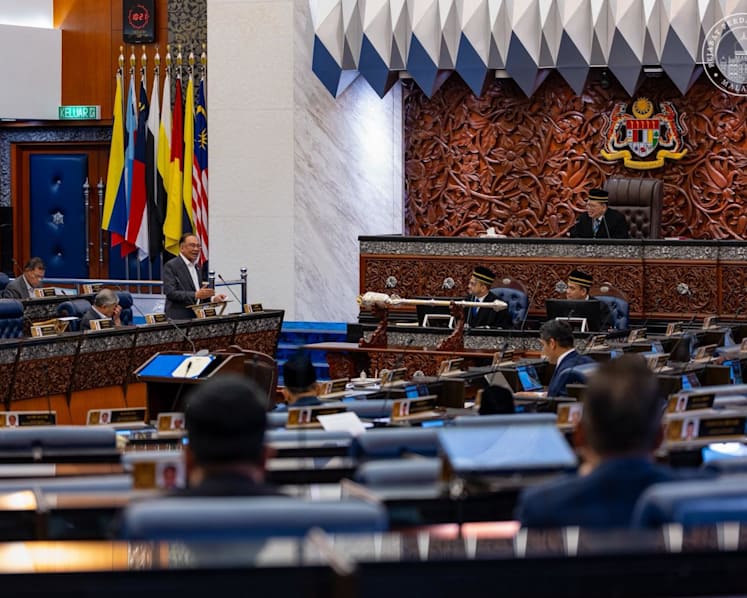
Prime Minister Anwar Ibrahim speaking in parliament in this photo he posted on Facebook on Jan 27, 2026. (Facebook/Anwar Ibrahim)

This audio is generated by an AI tool.

KUALA LUMPUR: Malaysia’s opposition parties have raised concerns about a proposal to hold a mayoral election for Kuala Lumpur, arguing that this could be influenced by criminal syndicates and undermine Malay rights in urban centres.
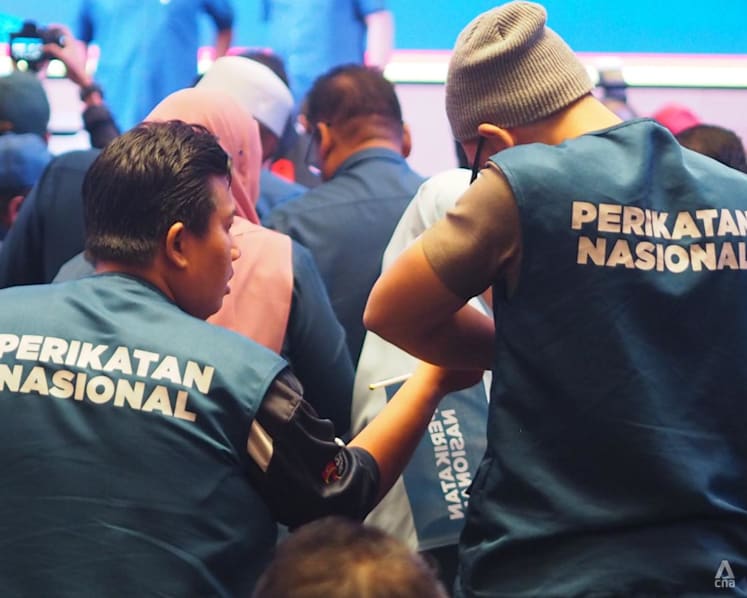
The opposition coalition Perikatan Nasional (PN) said on Wednesday (Feb 4) that an elected mayor would not guarantee better service delivery or governance in the capital, as it pushed back against an ongoing study looking at the proposal.
The study was initiated after seven Kuala Lumpur members of parliament (MP) from the government tabled a Private Member’s Bill last November seeking to amend the Federal Capital Act 1960 in an effort to strengthen the rights and welfare of the city’s residents.
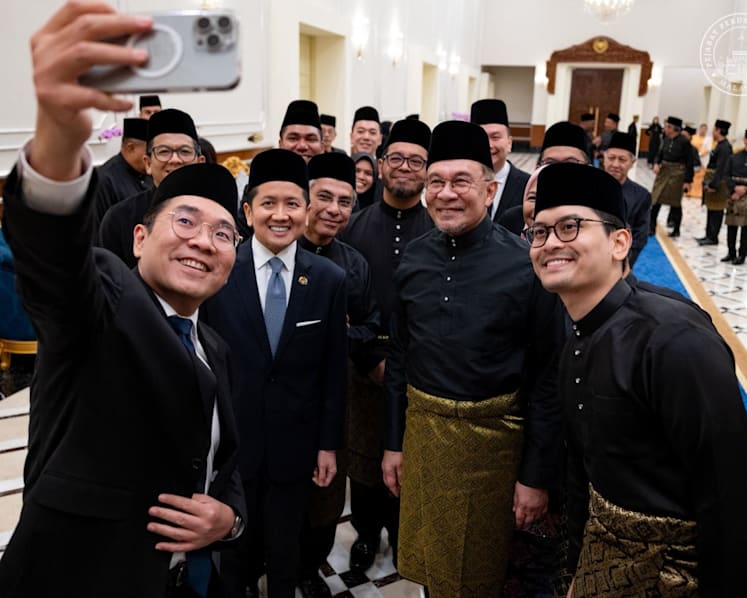
The Bill is part of a reform to transition the city’s governance from the absolute authority of a single, federally-appointed mayor to a council member system, said Setiawangsa MP Nik Nazmi Nik Ahmad, who is one of the MPs behind the Bill.





He is from Prime Minister Anwar Ibrahim’s Parti Keadilan Rakyat (PKR), and resigned as Minister of Natural Resources and Environmental Sustainability last year after losing in internal PKR polls.
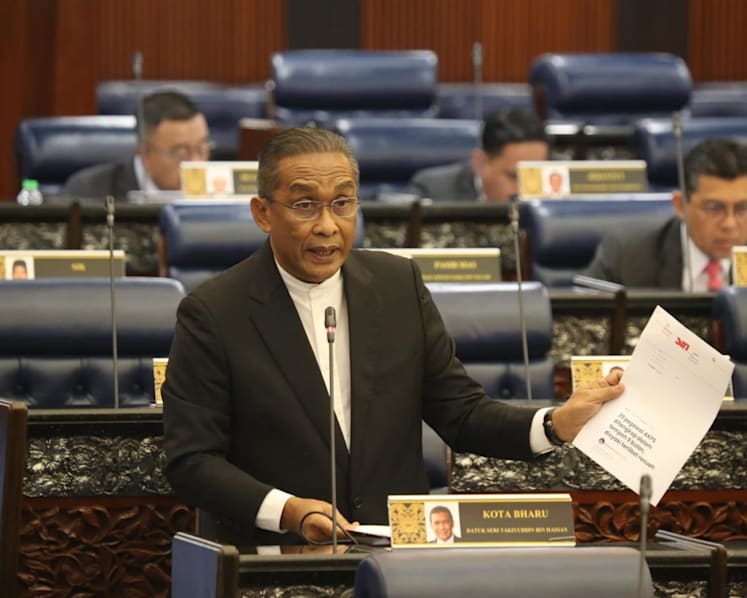
But PN MPs believe the framing of a mayoral election as an instrument that strengthens the role of the Kuala Lumpur City Hall (DBKL) is “overly simplistic, naive, and misguided”, said PN deputy secretary-general Takiyuddin Hassan on Wednesday.
DBKL is the local authority responsible for administering, planning and developing the city of Kuala Lumpur.
“The administrative effectiveness of a city does not depend solely on how its leadership is selected, whether by election or appointment, but rather on the strength of its institutions, governance systems, and management culture,” he wrote in the statement posted on Facebook.
A mayor with democratic legitimacy but without clearly defined legal powers would only weaken - not strengthen - effective leadership and governance of Kuala Lumpur, Takiyuddin said.
“In fact, such a system could introduce new problems, including the politicisation of city administration, electoral populism, conflict between an elected mayor and the federal government, and policy instability driven by election cycles rather than long-term urban planning,” he said.
The PN coalition is dominated by two Malay-based component parties: Parti Islam Se-Malaysia (PAS) and Parti Pribumi Bersatu Malaysia (Bersatu).
PN’s other component parties, Parti Gerakan Rakyat Malaysia and the Malaysian Indian People’s Party, are largely considered to be minor players in the coalition.
Leaders from the United Malays National Organisation (UMNO), another Malay-based party that is part of Anwar’s unity government, have also voiced opposition towards the proposal.
Analysts told CNA that local government elections tend to be sensitive issues as such polls were historically dominated by non-Malay representatives.
"I think there is still fear among the Malay-Muslim community that a mayoral election will cause them to lose their influence in the management of the city,” said Adib Zalkapli of geostrategic consultancy Viewfinder Global Affairs.
“For the government, the challenge is to show that this is purely about improving the city governance and administration. It’s not going to be easy; the issue has been racialised for too long,” he said.
GOVERNANCE ISSUES
Takiyuddin’s statement is the strongest disapproval yet from Malay-based parties in the opposition bloc on a proposed election for the post of Kuala Lumpur’s mayor, which entered public discussion in November last year.
At the time, then-Kuala Lumpur mayor Maimunah Sharif’s abrupt departure from her role triggered a response from Nik Nazmi, who said Kuala Lumpur’s residents did not have a voice in the city’s governance.
Nik Nazmi also called for a “long overdue change” in limiting how these powers of governance were concentrated in the office of the mayor, who is appointed by the federal government as Kuala Lumpur is a federal territory.
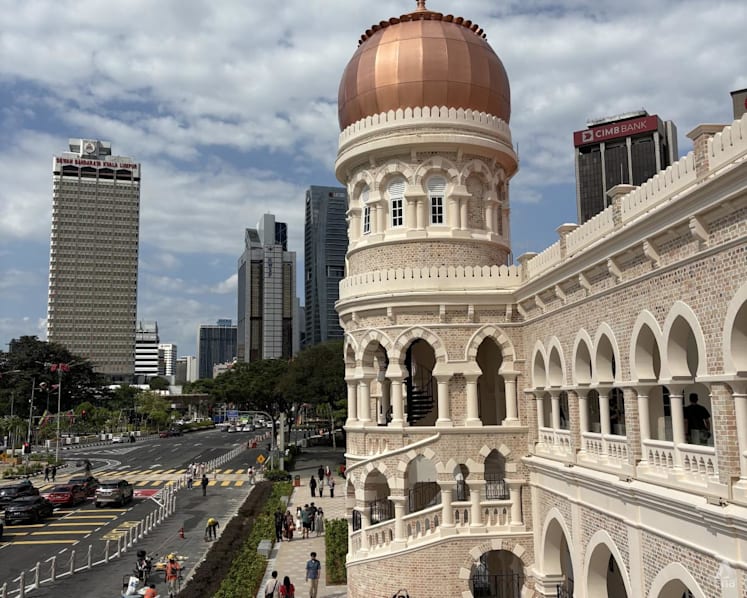
Critics of the current DBKL structure say it places too much power in the mayor’s office, with limited checks and balances compared to other city halls and councils, whose mayor is appointed by the democratically elected state government.
The Malaysian Anti-Corruption Commission has acknowledged “governance weaknesses” in DBKL, according to a report by local Malay-language newspaper Berita Harian on Tuesday.
The publication had found that DBKL’s management and monitoring of various contracts - including the awarding of business licences - were “weak and outdated”, citing the absence of oversight on high-value, long-term contracts awarded to private companies.
Despite that, Malay-based parties have pushed back against local government elections, warning that it will chip away at Malay rights in urban centres that typically have a non-Malay majority population.
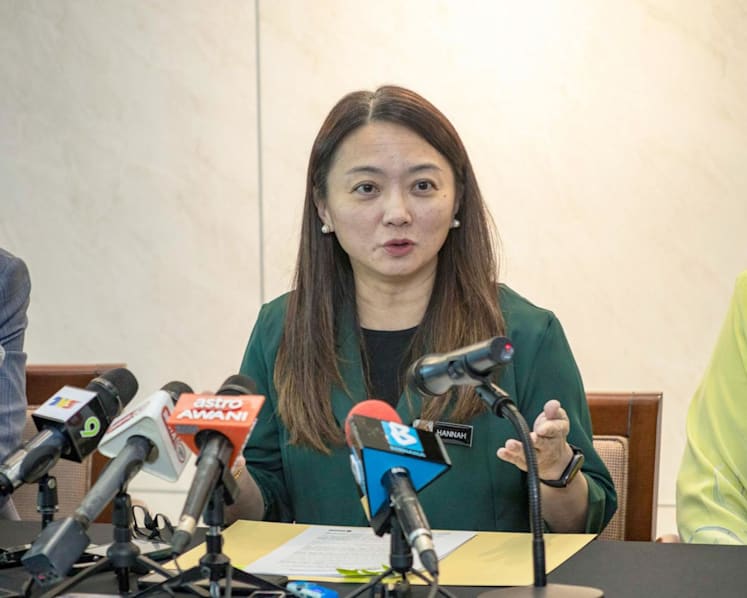
On Sunday, local Chinese-language newspaper China Press published an interview with Federal Territories Minister Hannah Yeoh saying that she had directed her ministry to study the possibility of holding a mayoral election in Kuala Lumpur.
A mayoral election was “more practical” than holding multiple polls for each city hall position through local government elections, she said.
According to Yeoh, a mayoral election would require different procedures compared to a general election. These include considerations regarding costs, voter registration and eligibility, as well as related laws.
Yeoh is from the Chinese-majority Democratic Action Party (DAP), which together with PKR is part of Anwar’s Pakatan Harapan coalition.
Yeoh’s revelation sparked criticism from an UMNO supreme council member, who said on Monday that such an election would not only be influenced by race but also the criminal underworld.
“Imagine if Kuala Lumpur’s gangsters used their money and influence to support a certain candidate,” said Puad Zarkashi, noting that Kuala Lumpur had many entertainment centres, nightclubs and massage establishments.
“The mayor’s office will not be independent.”
UMNO youth chief Akmal Saleh also took to Facebook to reject the proposal, saying that “we are fighting among each other for power, but they are united due to power”, in a reference to the racial politics of Malays and non-Malays.
On Tuesday, the leader of PAS Youth’s federal territories chapter urged Yeoh’s ministry not to treat Kuala Lumpur as a “political experiment”, saying that a mayoral election would threaten Malay sovereignty and the balance in the federal constitution.
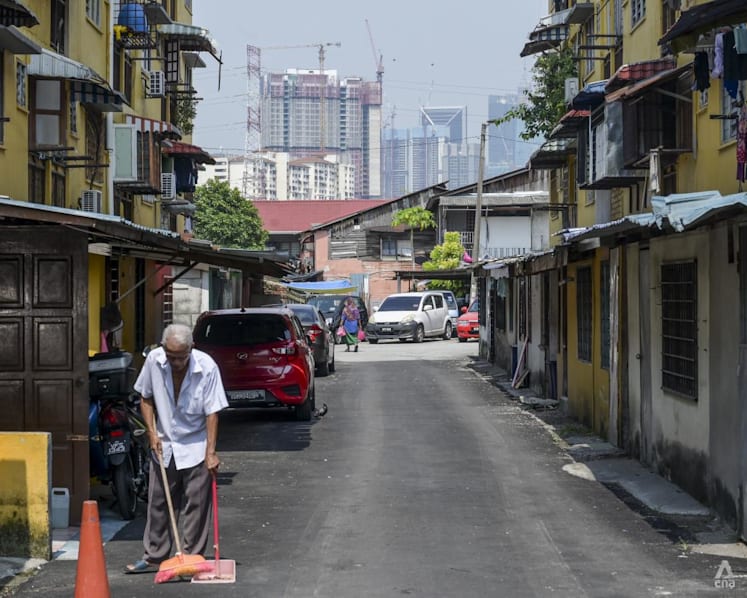
“Without the guarantee of a fair structure, Malay communities in cities, residents of low-cost public housing and vulnerable groups will be systematically marginalised in the process of electing a mayor,” said Azmer Syazwan Ahmad Suparmin.
STUDY NOT CONDUCTED BY DAP, SAYS MINISTER
Yeoh retorted on the same day by saying that the International Islamic University Malaysia (IIUM) had been carrying out the study since last December, after the Kuala Lumpur MPs tabled the Private Member’s Bill in parliament a month before.
“There is no need to worry; this study is being conducted by IIUM, a reputable university,” she said. “This study is not carried out by DAP members.”
DAP chief Anthony Loke also said on Tuesday that the study should not be politicised, noting that it was merely aimed at assessing feasibility and not indications of a done deal.
"This is not a DAP issue. Many other parties have also proposed it, including Khairy Jamaluddin, who recently said at a forum that Kuala Lumpur should hold a mayoral election to ensure greater accountability," he said, referring to the former health minister and former UMNO youth chief.

Yeoh said in the China Press interview that findings from the IIUM study are expected to be announced in March and be released to the public.
She said this research was still required regardless of whether a mayoral election would eventually be implemented, and reassured that MPs and the public would remain informed and get clarity on the matter.
CNA has contacted IIUM for comment.
Weighing in on the issue, PN's Takiyuddin said on Wednesday that a “more realistic and practical approach” to improving DBKL’s performance would be to focus the study on core administrative and governance issues.
“These include DBKL’s organisational structure, quality of leadership, human resource management, coordination between departments, agencies and the federal government, integrity and enforcement mechanisms, prioritisation, and the quality, speed, and consistency of decision-making,” said Takiyuddin, who is also PAS' secretary-general.
Any step towards implementing a mayoral election should also require a comprehensive legal review, he said, including how the role of an elected mayor would coexist with the Federal Territories Minister’s authority and other federal executive powers.
“Without clear constitutional and legal amendments regarding executive powers, budgetary jurisdiction, lines of accountability, and conflict resolution mechanisms, introducing a mayoral election risks institutional confusion, overlapping authorities, and the potential for legal and administrative conflict,” he added.
“Therefore, PN MPs urge the ministry to reconsider the focus of the proposed study … instead of dragging the public towards experimentation, a political ‘roller coaster’ and a dangerous idea not grounded in reality.”
DAP TRYING TO REGAIN SUPPORT?
Azmi Hassan, a senior fellow at the Malaysia-based think tank Nusantara Academy for Strategic Research, feels that PN’s reaction is justified given that Kuala Lumpur has a considerable non-Malay population that could elect a non-Malay as mayor, further eroding Malay rights in the city.
“We know the inclination that who will be elected (as mayor) will be very sensitive,” he told CNA, pointing out that Yeoh’s appointment as the first non-Malay Federal Territories Minister last December had also raised similar concerns.
“More so, I think if the council members plus the mayor of Kuala Lumpur are non-Malay, then this will create animosity.”
Yeoh's appointment was seen by some Malays as a perceived dominance of one race, UMNO’s federal territories youth leader Aliff Fidaus had said then, noting that her position could affect UMNO’s opposition to the government’s proposed amendments to the Urban Renewal Act, which were said to threaten Malay reserve lands.
Anwar subsequently dismissed such criticism, saying that appointing a Chinese person in the Cabinet was “inconsequential” and that Yeoh represented the federal government, not the DAP, in her new portfolio.
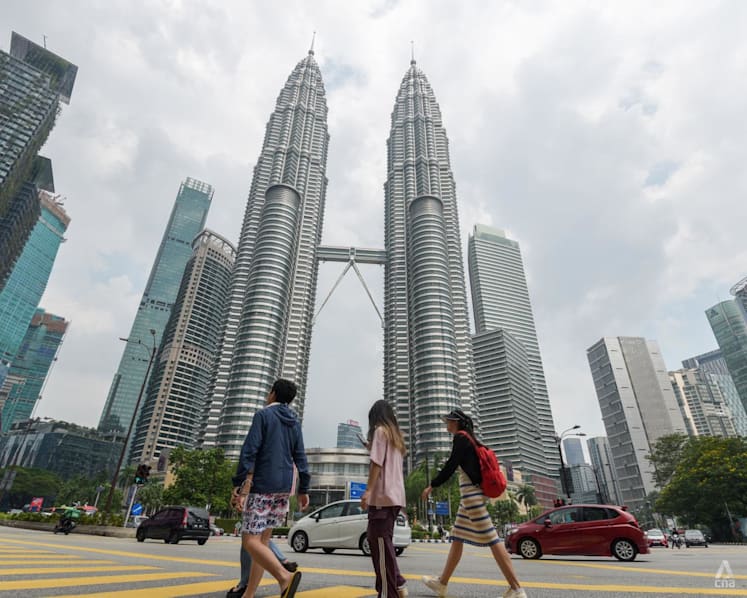
Azmi, however, highlighted the parallels with the current situation in Kuala Lumpur, noting that all but one of Kuala Lumpur’s 11 MPs are from DAP and Anwar’s PKR. The remaining member is Titiwangsa MP Johari Ghani from UMNO.
The analyst asserted that Yeoh had pushed for the mayoral election study to help DAP regain support from its core urban Chinese voter base, after the party delivered a poor performance at the Sabah state election last November.
“I think we all know that at the end of the day, the study will show a positive outcome,” he said, referring to how the study could encourage elections for both the mayor and council members of DBKL.
“We know the main purpose of (the study), so I think it will create some uneasiness, especially from UMNO within the government.”
While Adib from Viewfinder Global Affairs said any election was “good” in principle as it expanded the democratic space, he suggested that the powers of the mayor should be clearly defined.
This will ensure mayoral candidates do not make populist and unrealistic promises that could potentially lead to a deterioration in the city’s quality of life, he said.
Adib added: “So, the real challenge is not simply about allowing Kuala Lumpur residents to elect their mayor, but how to strike the right balance so the role can be made political while still effectively fulfilling its core function as the city’s administrator.”