







Philippines says it is working with Washington to obtain oil from US-sanctioned countries
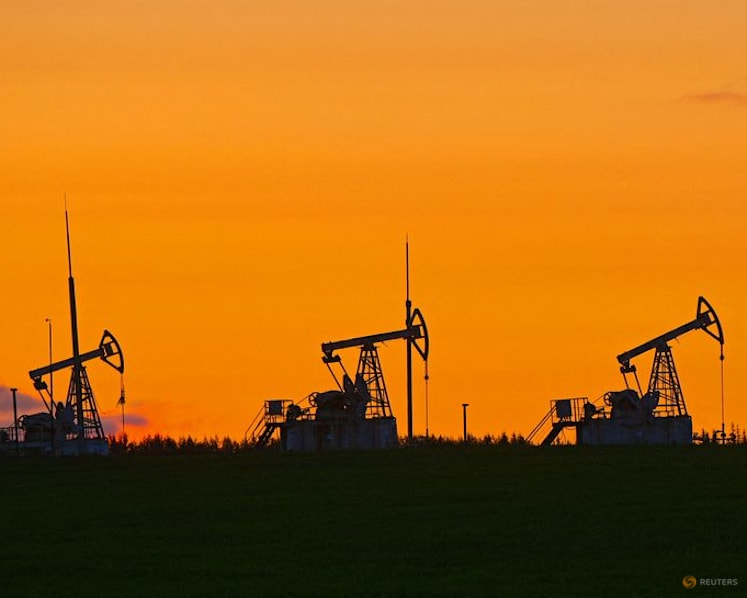
A view shows oil pump jacks outside Almetyevsk in the Republic of Tatarstan, Russia, on Jun 4, 2023. (File photo: Reuters/Alexander Manzyuk)
MANILA: The Philippines is working with Washington to secure waivers and exemptions so it can obtain oil from United States-sanctioned countries to ensure supply, its ambassador to the US said.
The Philippines, which relies heavily on imported fuel, on Tuesday (Mar 24) declared a state of national energy emergency to deal with the fallout from the Middle East war, including the disruptions to oil procurement.
"We are working with the State Department to get waivers or exemptions to purchase oil from US-sanctioned countries," Jose Manuel Romualdez told Reuters in an exchange of phone messages.
Asked if Venezuelan and Iranian oil were part of the discussions, Romualdez said "all options are being considered".
Asked what had been the response from the State Department, the ambassador said: "Work in progress."
As of Mar 20, the government said the Philippines had around 45 days of fuel supply, and is procuring 1 million more barrels of oil to build its buffer stock.
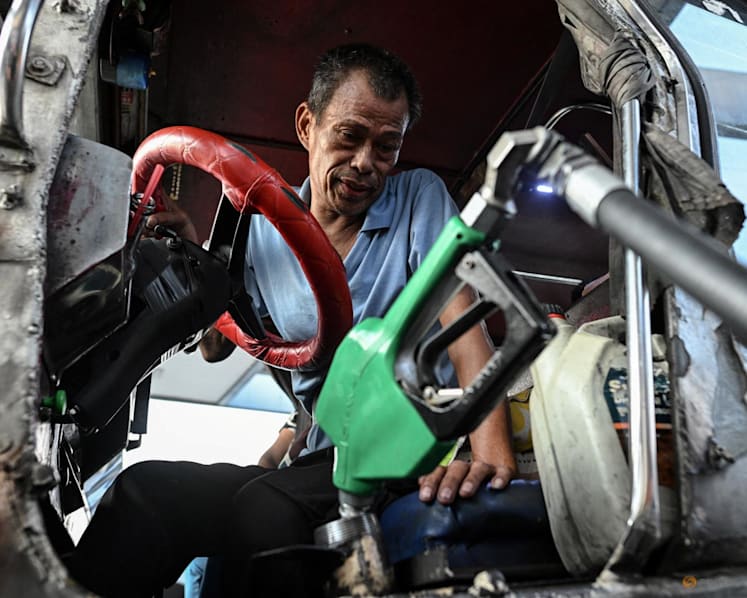
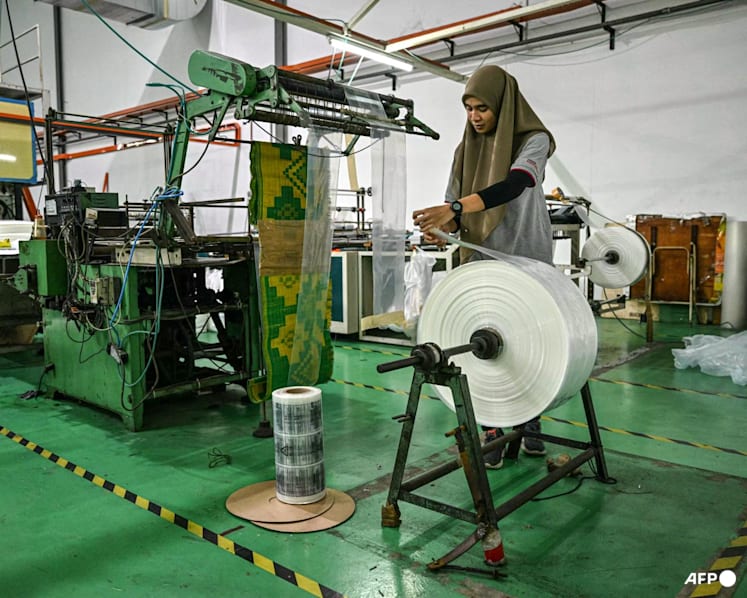
Philippine President Ferdinand Marcos Jr said in a televised address on Wednesday that the country's fuel supply would not run dry after 45 days, as his government has been looking for other sources.
"We are exploring other sources not affected by the war," Marcos said.
"Things are beginning to open up ... we can be confident that after the 45 days we will have a flow of oil."
The Philippines imports almost all of its crude from the Middle East, with Saudi Arabia its biggest supplier, making it vulnerable to oil price shocks and supply disruptions.
Marcos said the emergency declaration was a "precautionary tool" allowing the government to be ready "for whatever comes next".
The declaration, which will be in effect for one year, authorises the government to purchase fuel and petroleum products and pay a portion of the contract amount in advance to ensure a timely and sufficient supply, among other special powers.
"We should not panic," Marcos said, while assuring the public that his government is doing everything it can to alleviate the situation.
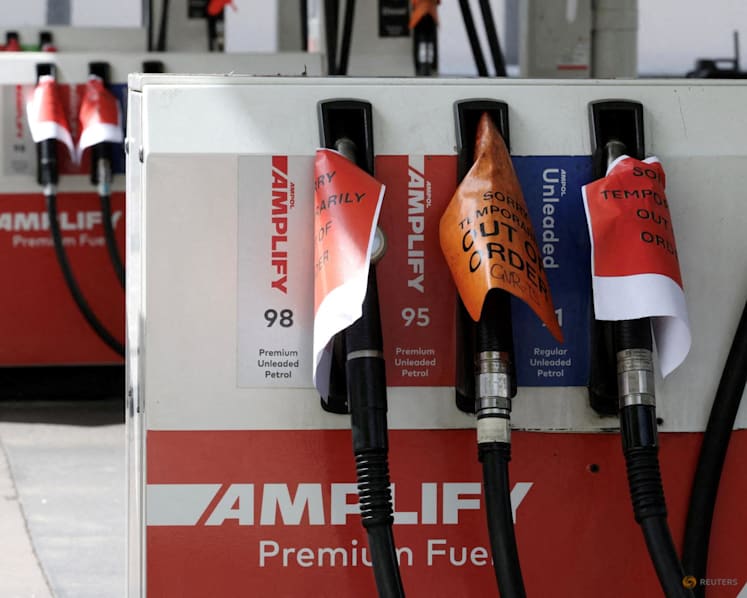
Transport workers, commuters, and consumer groups are planning a two‑day strike from Thursday to protest the increase in fuel prices and what they describe as the Marcos administration's failure to act.
Manila has temporarily increased coal-fired generation due to the energy supply pressures and allowed the temporary and limited use of cheaper but dirtier Euro II fuel to ensure supply.
At least two Russian ESPO crude cargoes are heading to the Philippines this month, while a cargo of Abu Dhabi Murban crude is expected to arrive at its Bataan terminal on Apr 8, Kpler data showed.
The shipment would be the country's first imports of Russian crude oil in five years, following a 30-day waiver issued by the US.
Washington on Friday also issued a 30-day sanctions waiver for the purchase of Iranian oil already at sea. The waiver applies to oil loaded on any vessel on or before Mar 20 and discharged by Apr 19, including tankers under sanctions.





