‘Better economy, fewer scammers’: Hopes high among Thais voting in snap election
With Thailand having cycled through three different prime ministers over the last three years, voters CNA spoke to on Sunday (Feb 8) expressed hopes that the polls would bring about more unity and stability.
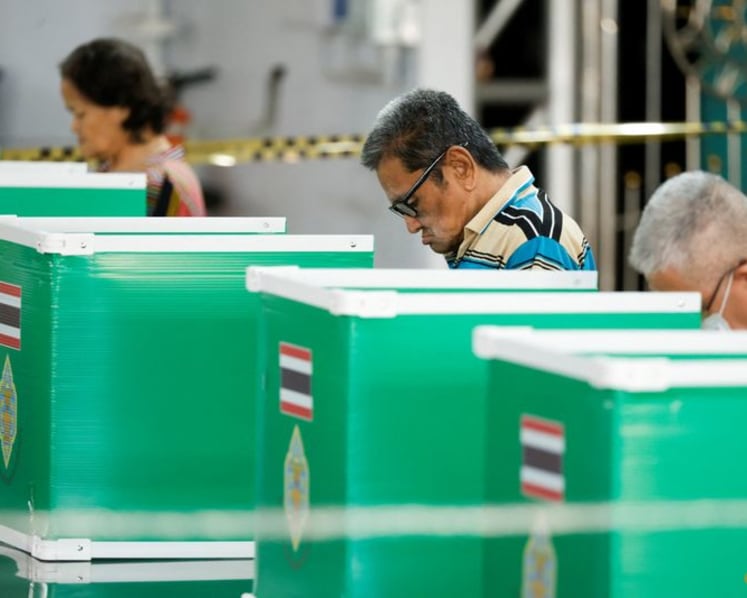
People vote during the general election at a polling station in Bangkok on Feb 8, 2026. REUTERS/Patipat Janthong

This audio is generated by an AI tool.



BANGKOK: After years of political uncertainty and fragile coalitions, Thais headed to the polls to vote in a general election on Sunday (Feb 8) that could deliver the country’s fourth prime minister in three years - with many expressing hopes for a corruption-free future, better economy and “fewer scammers”.
Around 53 million Thais are eligible to vote in this year’s election, which is set against a backdrop of tensions along the land border with Cambodia.
About 60 political parties are taking part in the election and analysts predict a tight three-way contest between Prime Minister Anutin Charnvirakul’s Bhumjaithai Party, the progressive People’s Party, and the Shinawatra family machine, Pheu Thai.
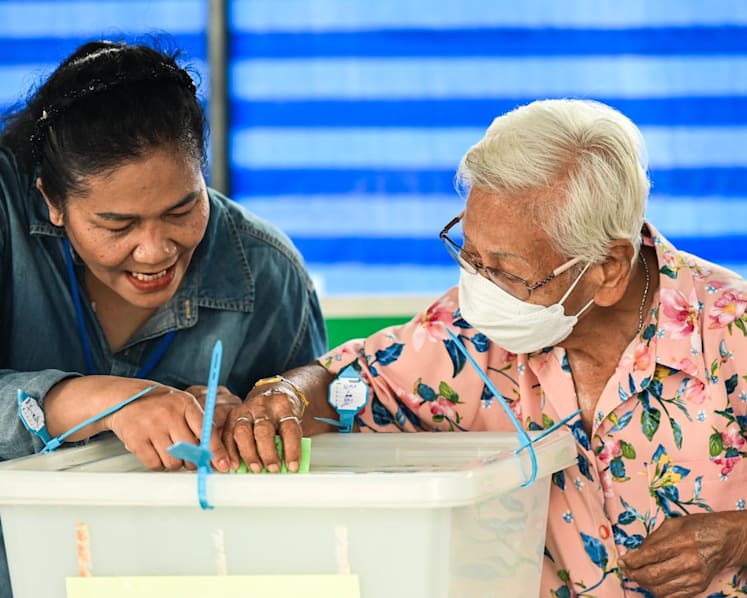
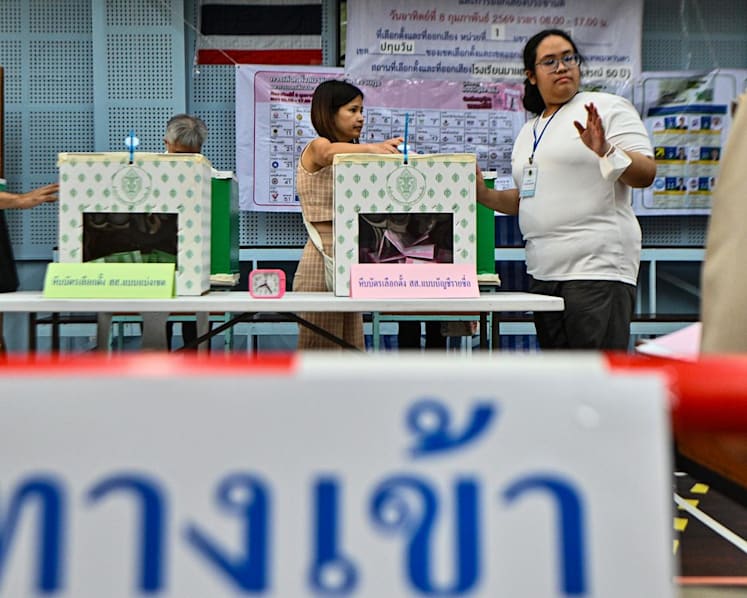
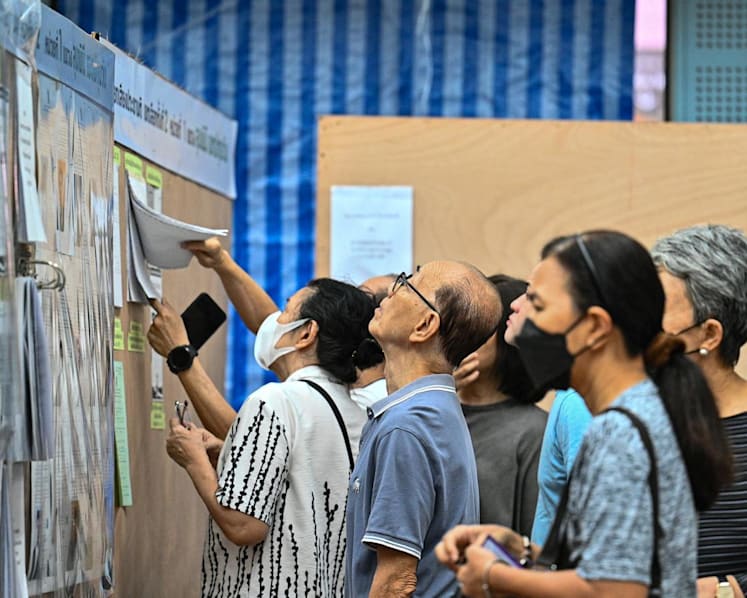
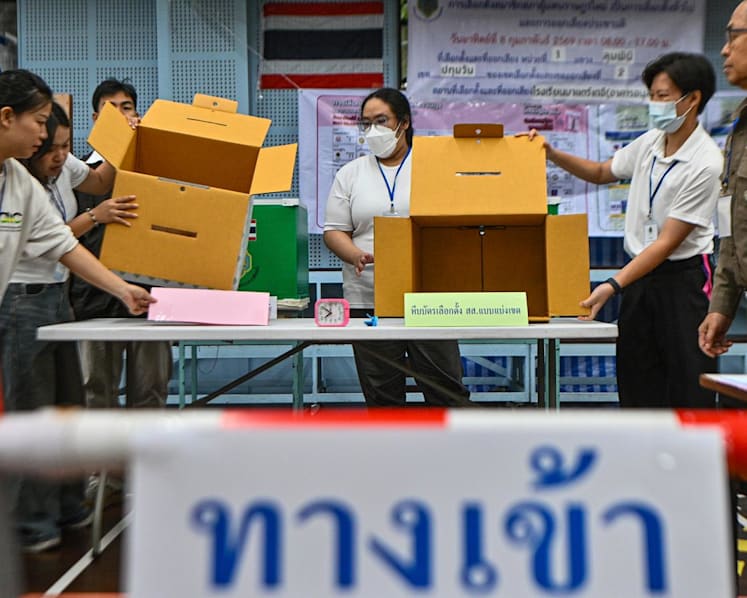
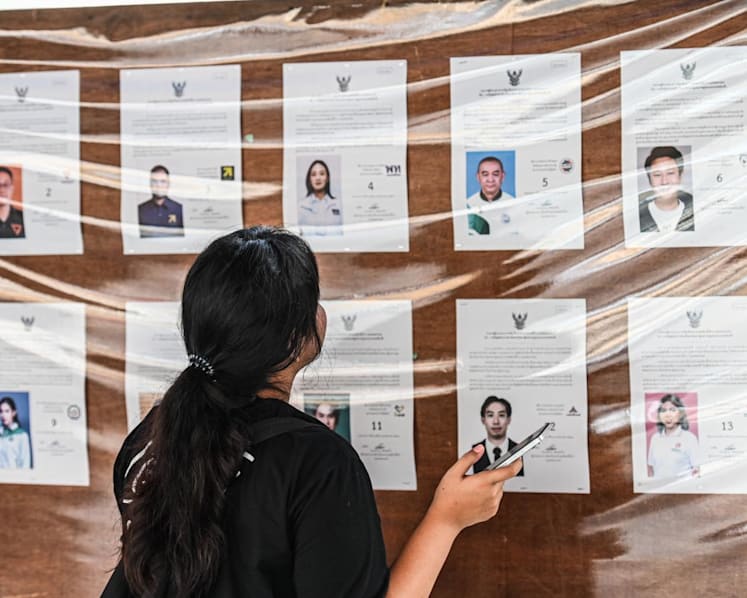
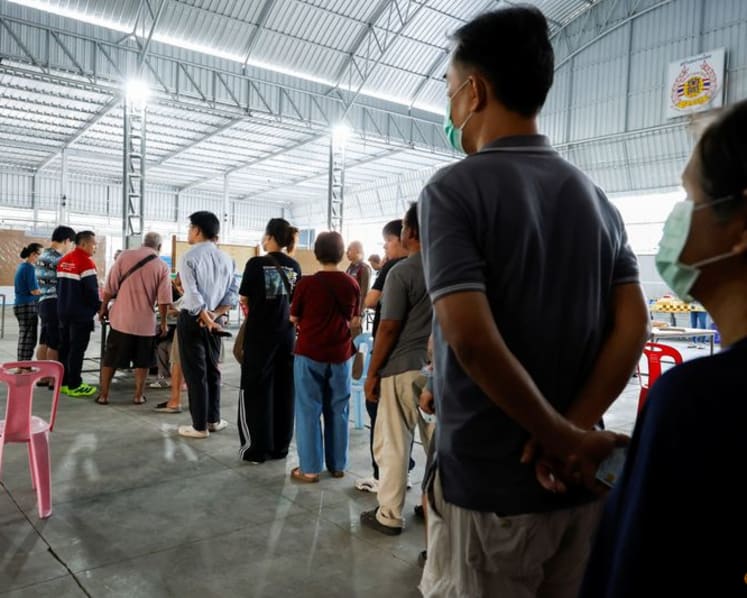
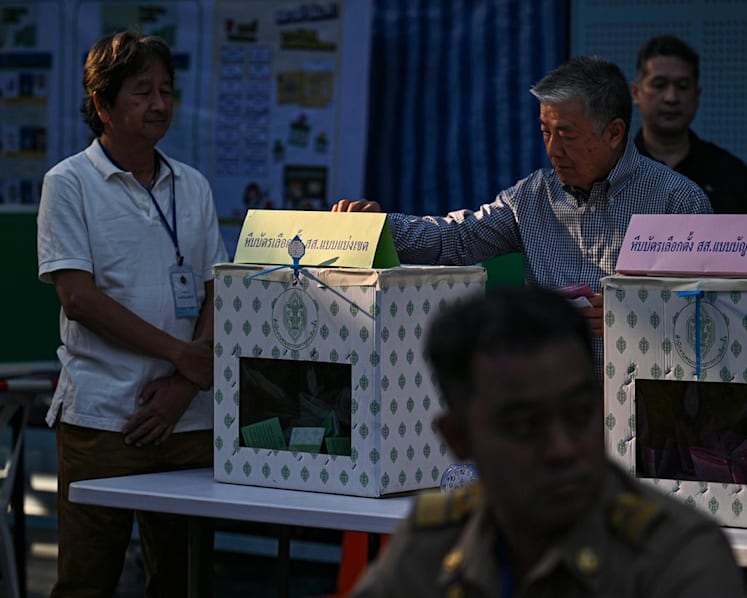
Long queues began forming across Bangkok well before dawn on Sunday, as voters turned up early at polling stations and waited patiently to cast their ballots, some arriving from 7.30am - half an hour before polls officially opened.
Over at Mater Dei School, one of around 6,500 polling stations across Bangkok, surgeon Veeravorn Ariyakhagorn, 56, said he hopes that the new Thai government will focus on “developing the country”.





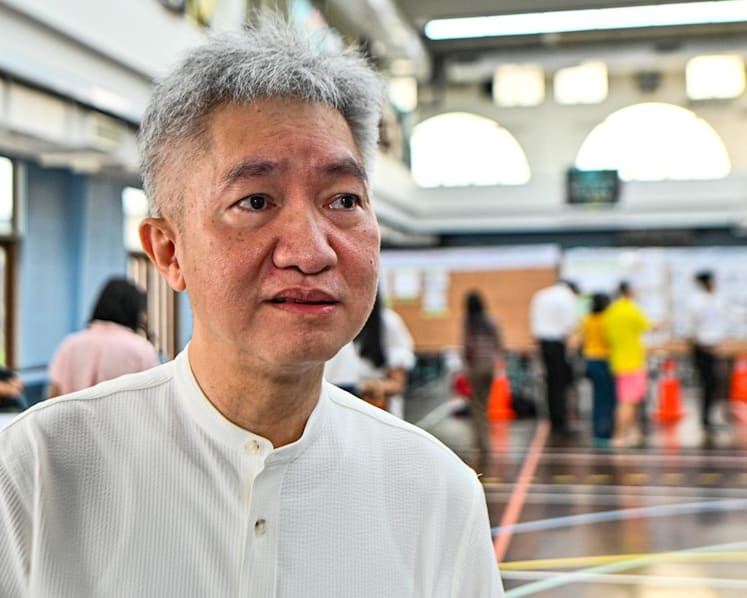
“What I want to see most is no more corruption in Thailand because this damages our society and halts our development,” he told CNA.
“I want all Thai citizens to work together to make the country strong and develop it to be a strong member of ASEAN,” he added.
Another voter, a 31-year-old voter who wanted to be known as Earth, told CNA that she hoped “new people” would govern and change policies.
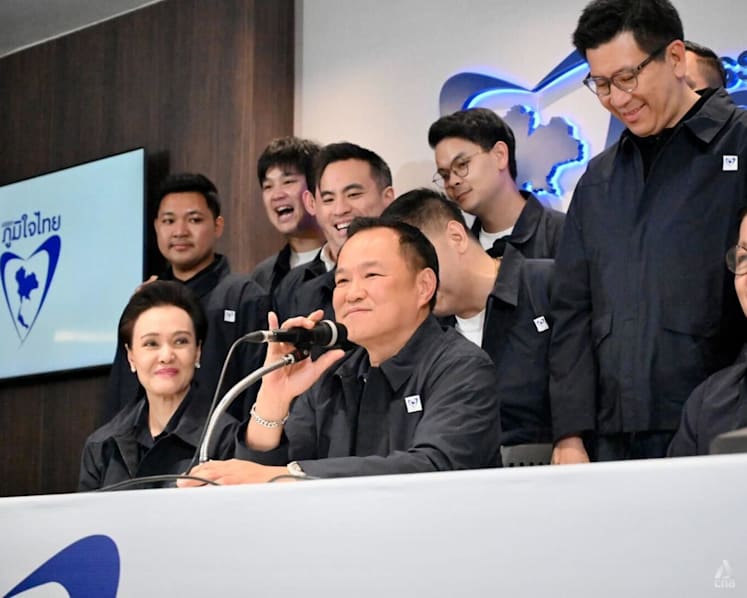
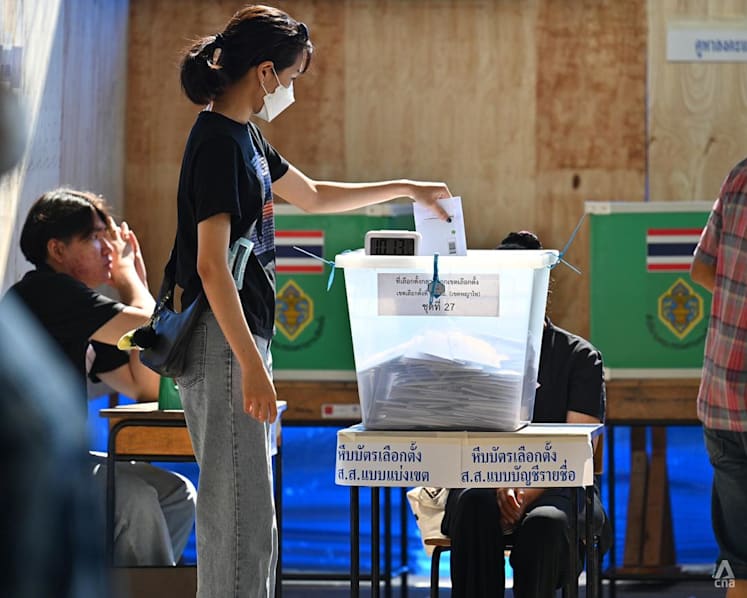
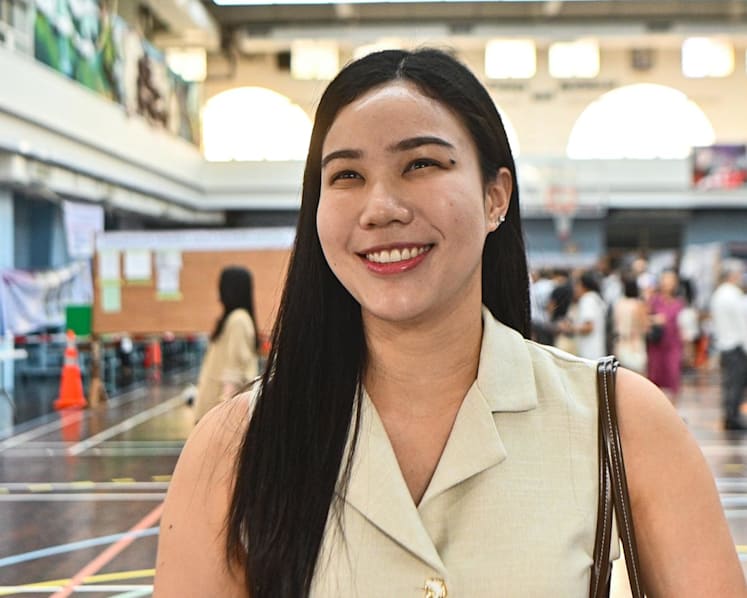
“We need equality, because there are many differences among the different people in Thailand,” Earth said.
“If we have equality … we can have proper education, proper work, proper life.”
LEADERS VOTE
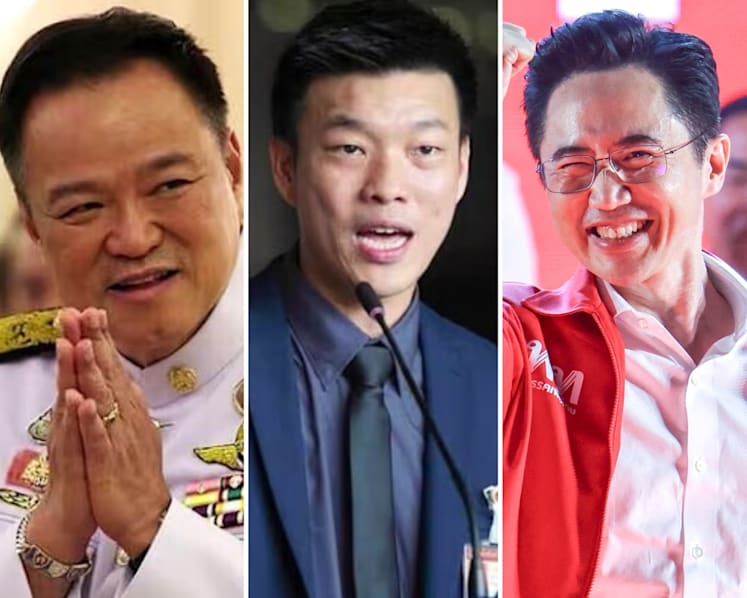
Also casting their votes on Sunday were leaders of the dominant three parties who gave brief comments to the media.
In his home constituency of Buriram city in Thailand’s northeast, also headquarters of the Bhumjaithai Party, Anutin said he hoped for reconciliation between parties.
Tense negotiations are expected for forming a governing coalition following the vote.
“I wish all parties well in this election and that we can let bygones be bygones,” Anutin said.
“I might have clashed with some (so) let me use this opportunity to ask for forgiveness from everyone,” he added.
“Whatever we said or threw at each other in the campaign, it’s part of campaigning.”
Back in Bangkok, Natthaphong Ruengpanyawut, leader and prime ministerial candidate of the People’s Party’s, voted at a temple in Taling Chan district. He remained optimistic about his party’s prospects.
“We (made a) promise to the people that we will form a people’s government to bring policies that benefit all, not just a few,” he said, adding that the most important issue was “zero tolerance of corruption”.
“We want to bring stability to our country.”
In his home sub-district of Thung Song Hong, Pheu Thai’s Yodchanan Wongsawat cast his vote early and encouraged all Thais to make their voice heard.
“I think it is a very important day for Thai citizens,” he told reporters. “I would like everyone to vote.”
“BETTER ECONOMY, FEWER SCAMMERS”
Thailand’s 500-seat House of Representatives is decided through a mixed system.
Of these, 400 constituency seats are decided through a first-past-the-post system while the remaining 100 party-list seats are allocated based on each party’s share of the national vote.
The newly-elected House then selects the new prime minister - with a candidate requiring at least 251 votes to secure a simple majority.
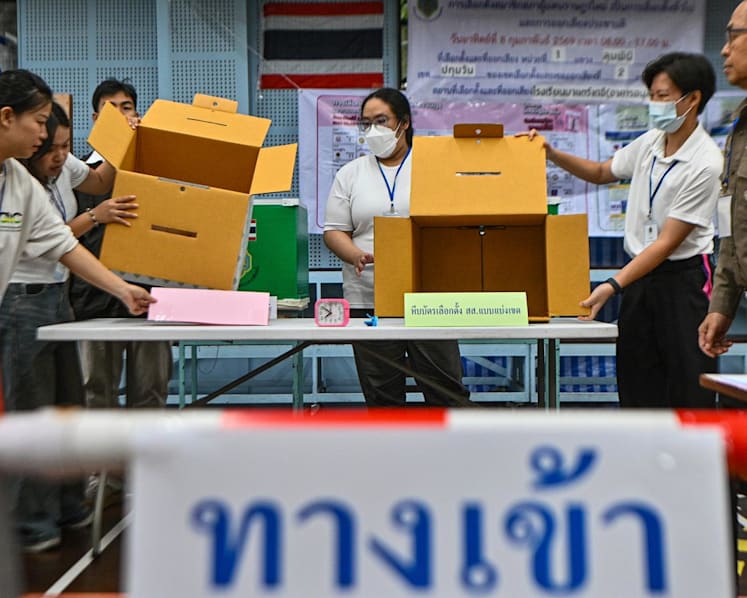
Voters will not only elect Members of Parliament, but also decide whether a new constitution should be created.
Each voter will receive three ballot papers, two for the general election and one for a national referendum that is being held alongside the general election for the first time.
Approval of the referendum will give the newly-elected parliament a mandate to draft a new constitution.
Otherwise, the current 2017 constitution written under military rule following the 2014 coup would remain in place.
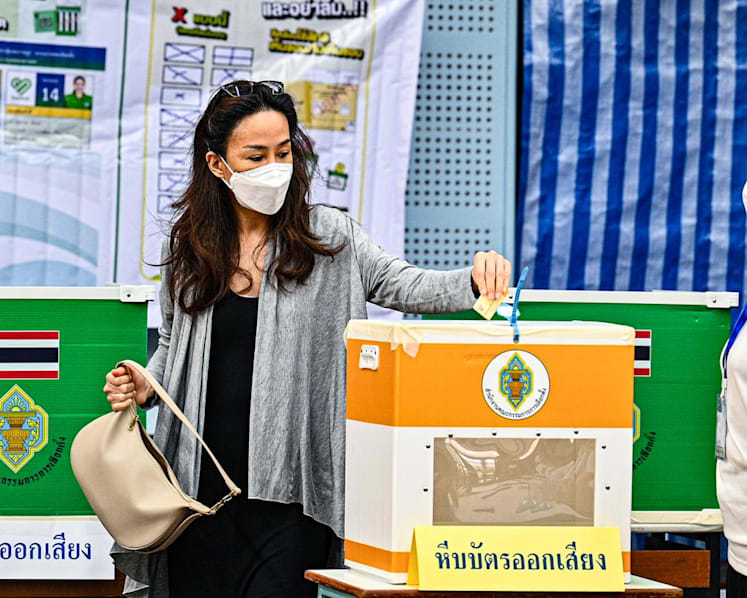
At Wat Tha Thong temple, queues began short when polls opened but grew gradually throughout the morning, with some voters expressing confusion over their ballot papers.
Another voter Kanyakorn Jaovisidha,told CNA that constitutional reform was the most important priority for her.
“I hope for a better economy and fewer scammers - we are notorious for that,” she said.
“I also hope there will be less corruption.”
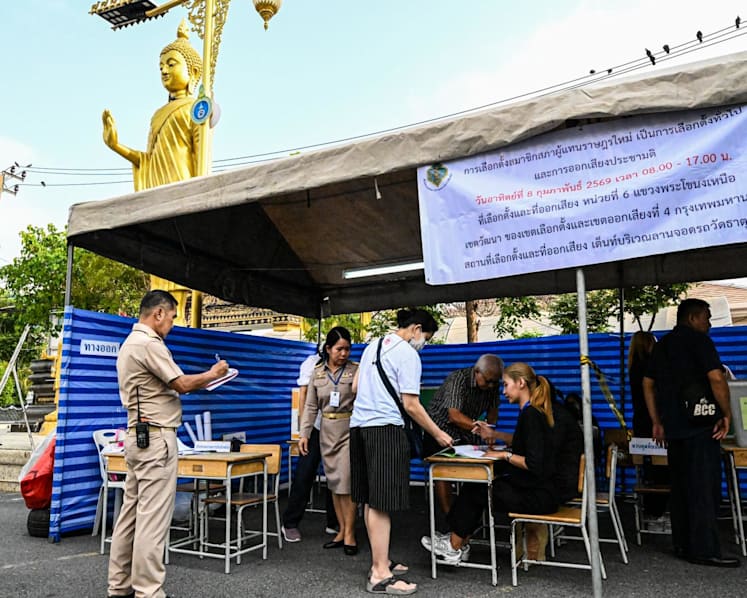
Voter Wachirapunthu Promprasert said Thailand could not afford “any more disruption and disputes”, stressing the need for steady leadership following years of political instability.
“The important thing is the economy, experience in managing the country and trying to improve some problems we have,” he said.
“I hope that after this election, we can have a stable government and move forward. We have had a lot of disputes and unsettled political issues for far too long already.”
For 23-year-old university graduate Shanachan Sothornjenvit, career opportunities and prospects weighed heavily on her decision at the ballot box. A strong government that prioritised the needs of young Thais was key.
“I’m part of the new generation and it’s so hard to find a job,” she said.
“It’s a bad economy - salaries are not equal and (without) experience, you can’t get a higher salary (even in) big companies,” she added.
Polling stations will close at 5pm local time and unofficial preliminary results are expected late on Sunday night.
Early voting began on Feb 1, with 2.2 million people casting their ballots. Election officials said around 87 per cent of registered advanced voters took part.