







Commentary: How Singapore can make blind boxes less addictive
Demarketing measures can calm the hype for blind boxes and reduce the urge of consumers to buy them, says Nurhafihz Noor of James Cook University in Singapore.

This audio is generated by an AI tool.


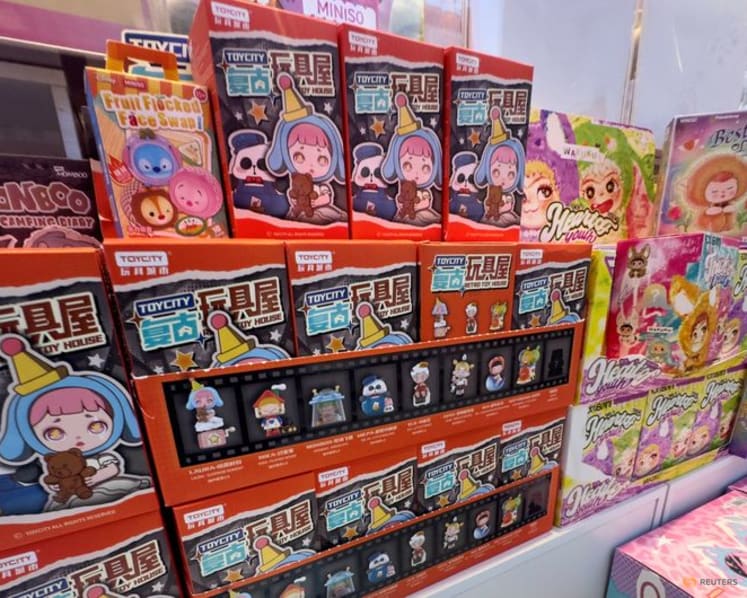
SINGAPORE: Singapore retailers are cashing in on the blind box craze. No longer exclusive to collector toy brands such as Pop Mart, blind boxes – whose contents are unknown before purchasing and opening – have crossed into the mainstream.
According to a forecast by Cognitive Market Research, the global market for blind box toys will grow at an annual rate of 6.5 per cent from 2025 to 2033, with the Asia Pacific region seeing the fastest expansion.
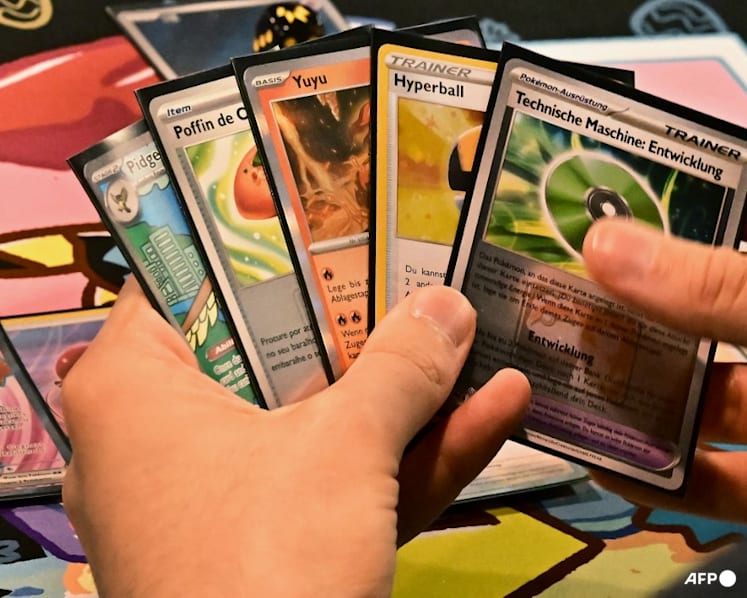
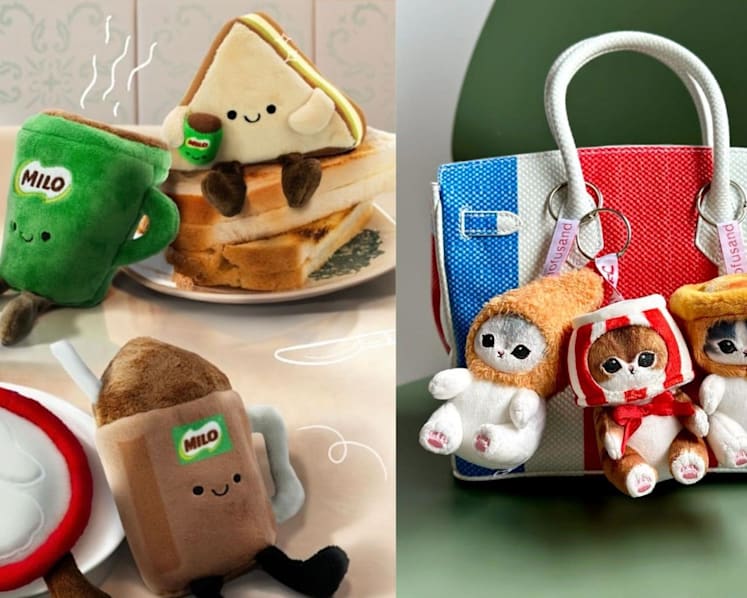
But as brands from Yeo’s to KFC jump on the blind box bandwagon, community groups have voiced concerns about the product’s addictive nature. As of February, the government is considering regulations to manage the gambling-related risks of blind boxes and trading cards.
Can demarketing efforts curb the negative effects of the blind box phenomenon?





THE LIMITS OF PROBABILITY DISCLOSURES
One of the suggestions being considered is mandatory probability disclosures on the packaging of blind boxes. If in place, blind boxes must display the odds of obtaining a particular design on their packaging.
While probability disclosures aim to make blind boxes more transparent, their effectiveness may be limited.
First, the probability disclosure may go unnoticed. Eye-catching visuals of the prizes on blind boxes may gain more attention than any disclaimer and accompanying information. In the consumer’s decision-making process, the emotional desire to obtain the rare item can overpower any consideration of the odds.
Next, consumers may wrongly believe that after enough misses, their next purchase is more likely to be a rare item. This is the gambler’s fallacy – the buyer predicts probability based on past outcomes, not acknowledging that each purchase is a random, independent event.
Finally, consumers may be tempted to buy more if they know their odds are higher and more favourable. And even if the odds are lower, consumers may take it as a personal challenge to score a rare item.
HOLISTIC DEMARKETING MEASURES REQUIRED
Probability disclosures alone cannot discourage consumers from buying blind boxes excessively. In 2023, China laid out guidelines for blind box manufacturers to reduce their potential harms.
The first measure is age limits, which will protect young consumers more susceptible to addictive reward systems. China’s guidelines prohibit businesses from selling blind boxes to children under 8 years old, while those aged 8 to 18 require consent from a guardian.
Pricing adjustments can also help reduce the addictive harms of blind boxes. This includes setting price caps on blind boxes, as well as pricing blind boxes at an equivalent to the value of their actual content. In 2022, Shanghai regulators stipulated that mystery blind boxes cannot be sold at more than 200 yuan (US$30).
Another measure to cap the potential losses of consumers is pity-timer mechanics. This involves guaranteeing a rare item to consumers after they make a set number of purchases.
Studying the effectiveness of regulations from other countries and on other forms of blind boxes, such as virtual loot boxes in video games, can be useful to curb blind box addiction in Singapore.

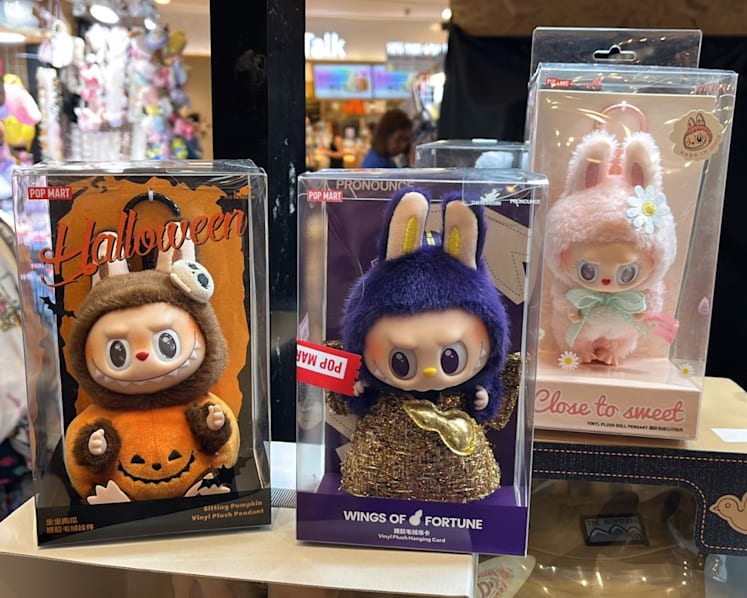
Singapore could also consider regulating how blind boxes are marketed. This includes not just how product packaging can communicate information more clearly and effectively to consumers, but also limiting how blind boxes are advertised to the public.
These demarketing measures can calm the hype for blind boxes and reduce the urge of consumers to buy them. Singapore regulators can continue to adopt a balanced approach which allows for the careful sale of blind boxes with the necessary safeguards to mitigate gambling risks.
The Ministry for Home Affairs is set to share more details on blind box regulations around mid-2026. Once regulations are in place, continuous assessment of their effectiveness is needed because consumers can adjust, reinvent ways and adopt new behaviours in purchasing blind boxes.
Dr Nurhafihz Noor is a Senior Lecturer in Business (Marketing) at James Cook University (Singapore Campus).




