Commentary: Iran war threatens to rewrite rules of aviation
The war in Iran has called into question the long-term economic sustainability of the Gulf countries and vulnerabilities of Middle Eastern carriers, says Endau Analytics’ Shukor Yusof.
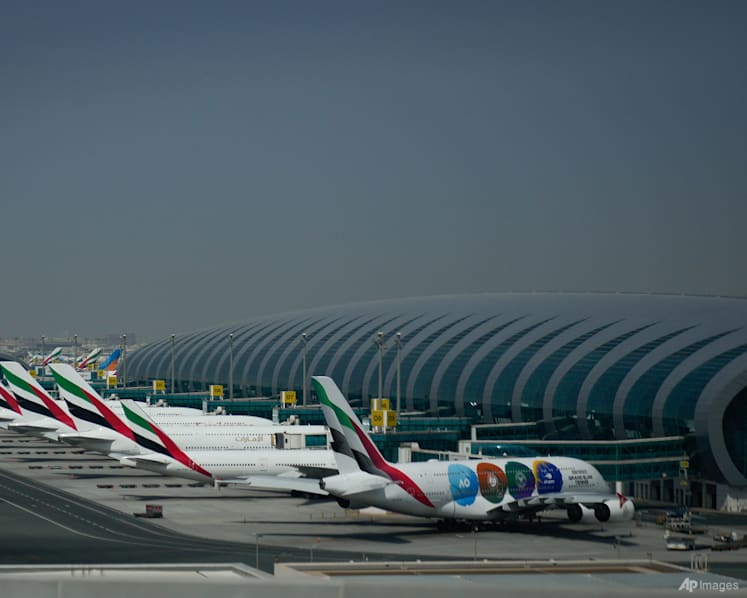
Emirates aeroplanes are parked at the Dubai International Airport after its closure in Dubai, United Arab Emirates, on Mar 1, 2026. (File photo: AP/Altaf Qadri)

This audio is generated by an AI tool.
SINGAPORE: If the Strait of Hormuz is a chokepoint, then the airspace over Iran and much of the Middle East has become a flashpoint since the start of the US-Israeli war on Iran.
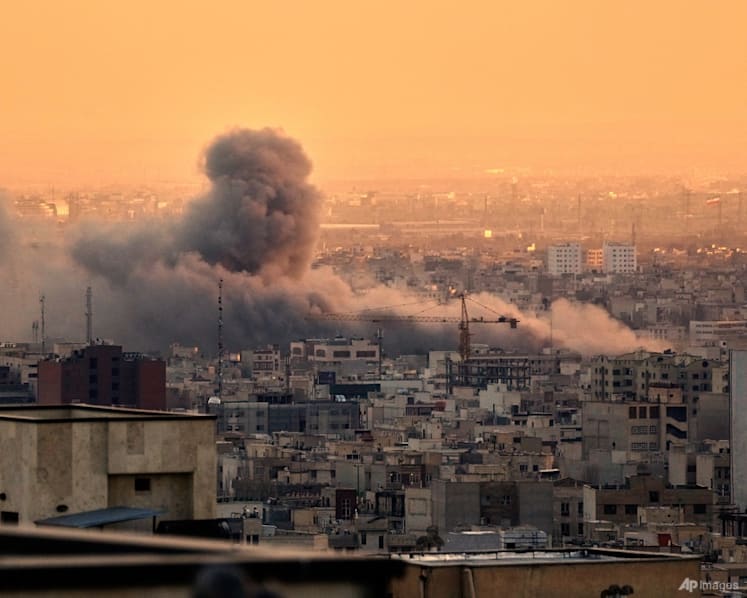
Hundreds of missiles and drones have been fired into the skies, prompting airspace closures and flight cancellations on a scale not seen since the COVID-19 pandemic. With the war into its second week, what are the implications for the global aviation industry and how will it reshape future air travel?
LASTING RAMIFICATIONS FOR THE REGION
Let’s start with some numbers. The Gulf Cooperation Council (GCC) – namely Bahrain, Kuwait, Oman, Qatar, Saudi Arabia and the United Arab Emirates – contribute a sizeable chunk of airline traffic, especially in international and transit segments.
Numbers from the International Air Transport Association show the region’s airports, which serve as a gateway between Europe, Asia and Africa, accounting for about 15 per cent of global international transit traffic.
Before the outbreak of the war, there were at least 2,200 aircraft movements a day at the Dubai International Airport, one of the Gulf’s major aviation hubs. Over at the Hamad International Airport in Doha, at least 900 aircraft movements were recorded daily.
The Iranian airspace is also a crucial aviation artery before the war. As airlines avoided the skies over Ukraine and Russia, it was a strategically important aviation superhighway that handled over 1,000 flights a day.
But that was then.
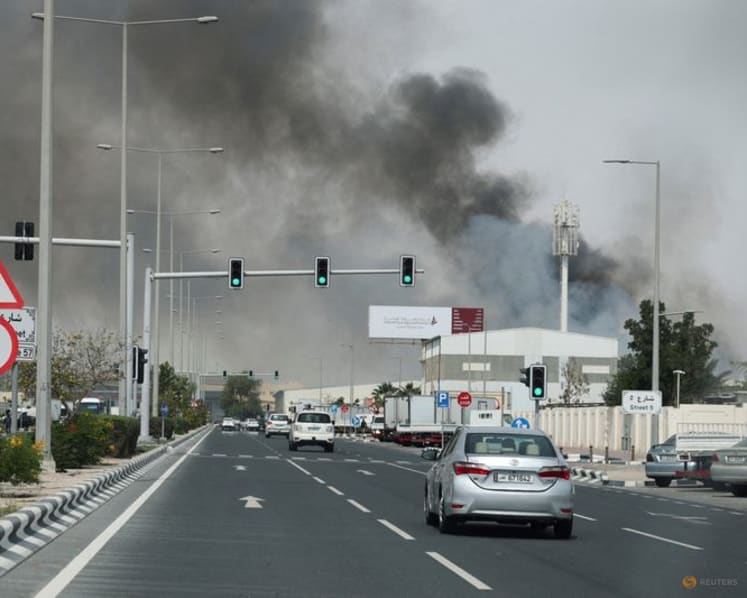
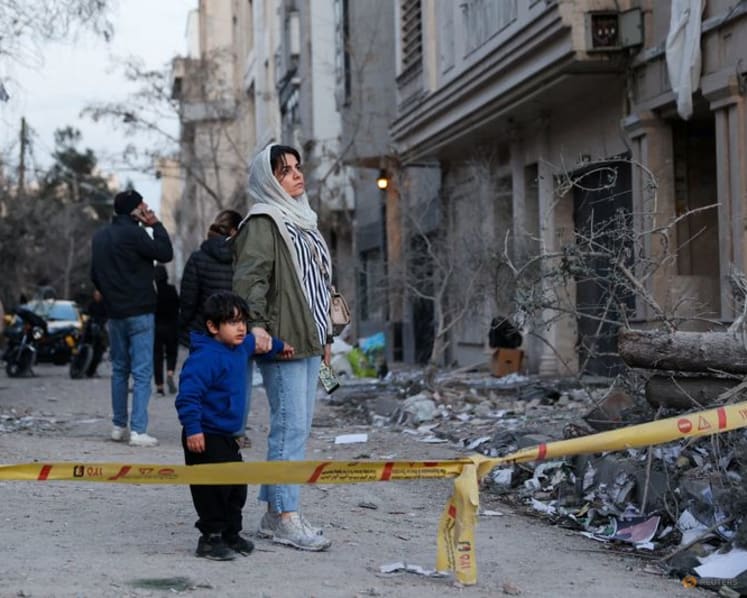
The ramifications of the war are proving to be disastrous. Local reports within the GCC countries estimated up to 30,000 flight cancellations in the first week of the war. These have caused massive disruptions, spilling beyond the region.
CHALLENGES AND OPPORTUNITIES?
While the costs vary, executives who spoke to me off-the-record reckoned that the GCC carriers can expect daily losses of about US$2 billion. These are largely due to flight cancellations, airspace closures, higher costs due to longer routes and higher war-risk insurance premiums, refunds, and severe hub disruptions.
But this does not mean an upside for other airlines which also have to contend with rerouting flights, carrying extra fuel or making additional refuelling stops to guard against sudden diversions.
Major airlines are also unable to completely absorb the capacity lost from the Gulf carriers, due to the sheer volume of about 23,000 flights.
In addition, the battle for passengers is not necessarily a zero-sum game. While airlines compete for customers – sometimes at their rivals’ expense – they also understand that flooding the market with flights, which may result in overcapacity, is risky and could result in losses for everyone.
That said, there may be some winners in the near term. Cathay Pacific, for one, stand to gain most from the Gulf fallout.
Today, Cathay is a stronger airline than in 2019 when it suffered from protests that hurt Hong Kong’s economy and later, the pandemic. The airline has recovered and is pursuing a sound geopolitical strategy that closely aligns itself with China.
Operationally, Cathay’s jets can skirt current warzones, along the relatively safe corridors of Central Asia or simply fly through the vast Russian airspace. As a Chinese airline, it is not subjected to sanctions, unlike Western carriers that have been banned from or are avoiding the Russian airspace since 2022.

WHAT LIES AHEAD?
Moving forward, the sector is in for little reprieve.
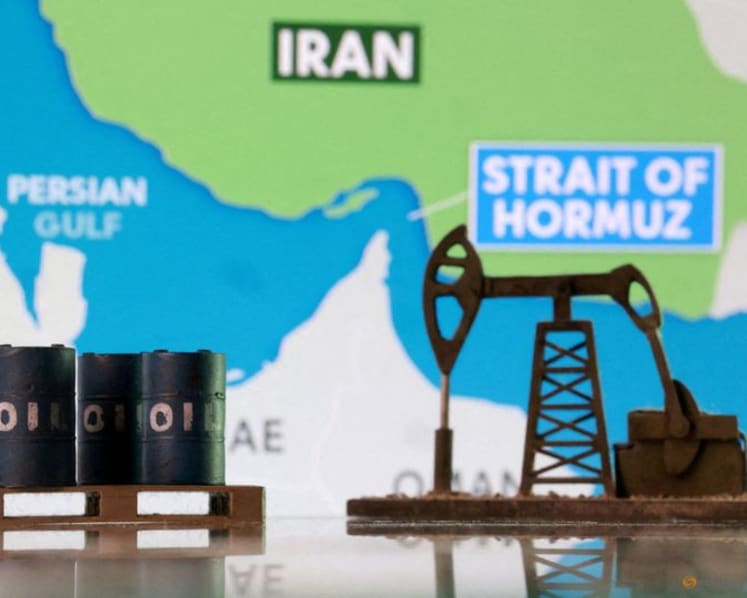
Oil prices have been volatile this week on the back of jitters caused by the halt in shipping through the critical Strait of Hormuz, which is responsible for roughly 20 per cent of global oil consumption.
Correspondingly, prices for jet fuel have also risen. Jet fuel typically accounts for 30 per cent to 40 per cent of an airline’s operational costs, and is denominated in US dollars. Airlines whose revenues are in currencies that are weaker than the greenback will suffer the most on their bottom lines.
It is a given that airlines will impose fuel surcharges on passengers soon. Already, a handful of airlines have announced airfare hikes.
For the Middle East, will the glamour and glitz associated with Dubai and other Gulf cities fade away when the war is over, or will they make a full recovery?
The war in Iran has called into question the long-term economic sustainability of the GCC countries.
For Dubai, tourism, not oil, serves as the backbone of the city's economy. Saudi Arabia and other GCC countries are also focusing on other ways to drive their economies. As the world seeks alternatives to fossil fuel, a shift away from crude appears imperative to maintain the GCC’s role globally. This economic sustainability is key for the region’s airlines, which have been powered to success by their respective governments.
The war has also shown vulnerabilities of Middle Eastern carriers located in a volatile part of the world. Confidence in its hospitality and airline sectors will take a long time to recover, if at all.
Shukor Yusof is the founder of Endau Analytics, an independent aviation advisory firm based in Singapore.