







Commentary: Only one man is doing any ‘winning’ in the Iran war
Besides diverting attention and resources, the Iran war threatens an energy crisis that could put Ukraine’s backers under economic strain, says international security professor Stefan Wolff.

This audio is generated by an AI tool.


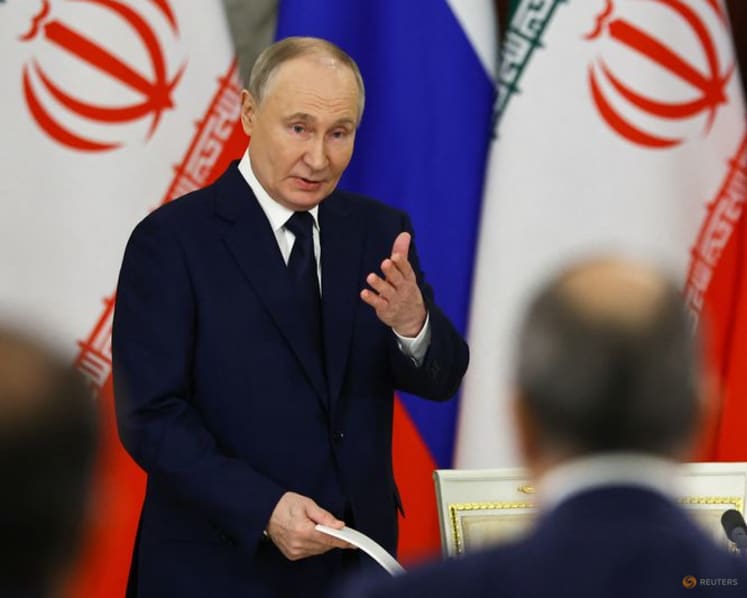
BIRMINGHAM: President Donald Trump keeps saying the United States is winning in Iran. But more than two weeks into the Iran war, the only clear winner is the one who started another war more than 2,300 km away: Russian President Vladimir Putin.
This has everything to do with how rapidly Iran escalated the conflict towards a regional crisis.
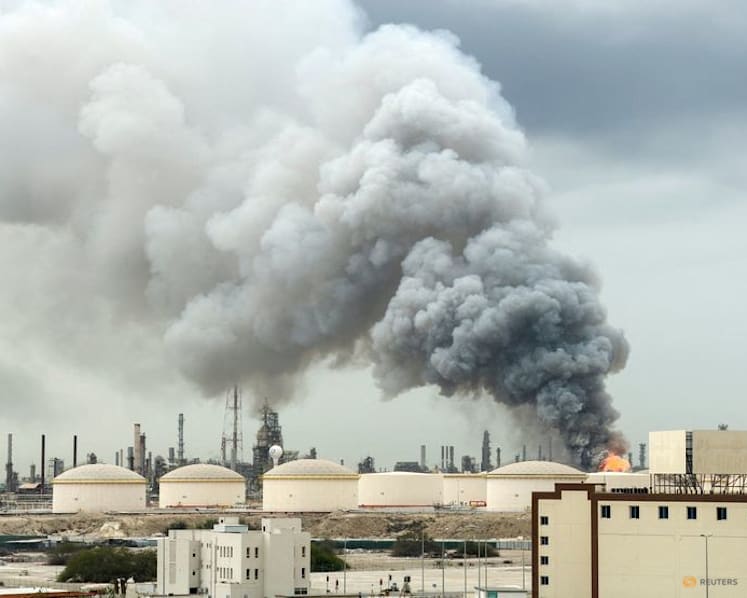
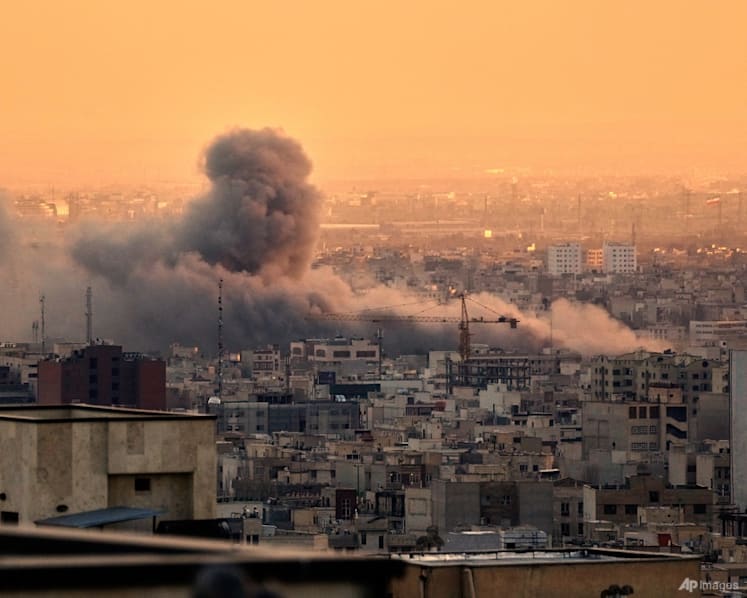
From cutting off oil and gas shipping through the Strait of Hormuz to targeting energy infrastructure in neighbouring countries, Iran is trying to maximise damage to a global economy that is heavily dependent on the Gulf for its energy needs.
Iran has always had this strategy in its top drawer: expand the conflict, raise the economic costs for the US, its allies and everyone else, and count on this translating into pressure on the US to de-escalate.
No part of Iran’s reaction in this war is surprising, certainly not to Mr Putin.
UKRAINE PAYS THE PRICE OF WAR IN IRAN
The ongoing escalation in the Middle East has serious downsides for Ukraine as it resists Russian invading forces.
Ukraine is likely to face bigger problems with the supply of weapons and ammunition. With the US now fighting a war of its own in Iran, depleted stocks and limited production capacities will put constraints on the amount of materiel available for Ukraine.
Most of the support for Kyiv is now paid for by its European allies, but their economies will come under increasing strain from rising energy prices. Mr Putin has even offered to supply oil and gas to European countries. Their will and ability to continue financing Ukraine’s defence could be put to the test.
That Russia will not face such constraints is an important factor in the trajectory of the war in Ukraine.
Moscow will certainly benefit from soaring oil prices (over US$100 a barrel at the time of writing) and from waivers that Washington has issued, for example to India, for buying previously sanctioned Russian oil. This will be a welcome boost to Russia’s war economy, providing the Kremlin with additional resources to recruit soldiers and churn out high levels of drones and missiles for its air campaign.
LITTLE MOMENTUM FOR A PEACE DEAL
This is unlikely to be an immediate game changer, but it will further add to the pressure Ukraine is already facing from the US to make concessions to Russia.
If Mr Trump decides that high energy prices at home are likely to impede his Republican Party’s prospects in November’s mid-term elections, he might double down on pushing Kyiv towards a deal with Moscow. This would allow him to unlock the Russian oil and gas market and offset at least some of the shortfalls from the Middle East that are currently driving global energy prices up.
With no Iran diplomacy to distract them, Mr Trump’s top envoys Steve Witkoff and Jared Kushner are freed up to focus on trilateral talks again. This does not mean an imminent breakthrough towards peace, however, given how far Ukraine and Russia remain apart on their negotiation terms.
In addition, two of Ukraine’s most important allies in Europe – France and the United Kingdom – have faced difficulties in mobilising military forces to deploy in defence of their own and their regional allies’ interests in the Iran war. This weakens the deterrent effect of any future European security guarantees against future aggression from Russia.
This might lower Russian opposition to Western security guarantees, but it will certainly diminish Ukrainian appetite for a deal.
DIFFERENCES IN WAR AIMS
Four years into its war against Ukraine, Russia is only marginally closer to its objectives. A friendly regime in Kyiv is out of the question, and Moscow is still far from controlling all the territory it wants in Ukraine.
But at least Mr Putin’s war aims are clear and have remained largely consistent.
Any observer of the Iran war would find it challenging to say what Mr Trump’s aims are.
He has offered everything from regime change to cooperation to unconditional surrender, with an end to Iran’s nuclear and ballistic missile programmes and its support for proxy forces (namely Hezbollah in Lebanon, the Houthis in Yemen, Hamas in Gaza and Shia militias in Iraq).
IRAN IS ISOLATED, UNLIKE UKRAINE
Ukraine’s response to the invasion was strictly in line with international law. Russia’s aggression was roundly condemned and resulted in several countries imposing sanctions.
When there was a threat to global food and fertiliser supplies – with Russia and Ukraine both being major producers and the Black Sea being a critical export route – the issue was at least partially and temporarily resolved with the help of the international community. UN and Turkish mediation ensured the safety of ships under the Black Sea Grain Initiative in July 2022.
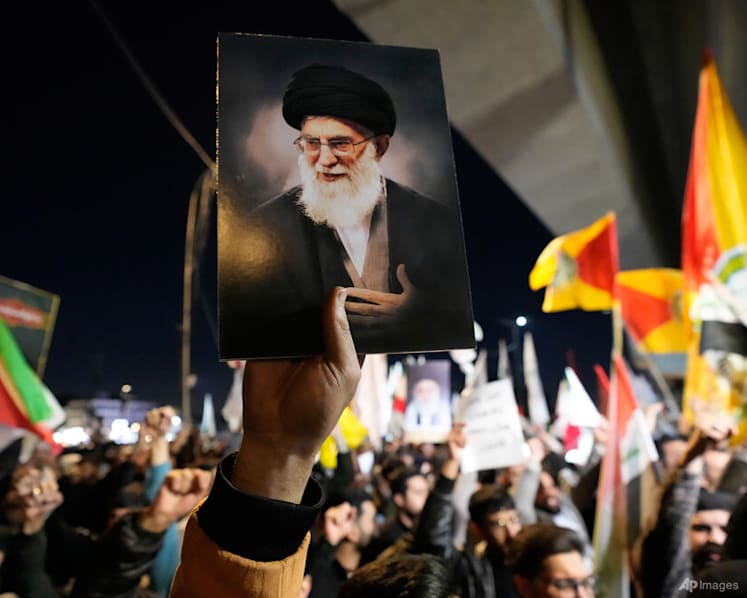
Unlike Ukraine, Iran is isolated regionally and globally.
On Wednesday (Mar 11), the United Nations Security Council passed a resolution condemning Iranian strikes against the six members of the Gulf Cooperation Council – Bahrain, Kuwait, Oman, Qatar, Saudi Arabia, the United Arab Emirates – and Jordan. Apart from Hezbollah, its few other allies have so far failed to mobilise.
Russia is providing Iran intelligence to target US military forces and advice on drone tactics, according to unnamed officials who spoke to US media.
This tells us the continuation of the Iran war will suit Moscow just fine. Mr Putin need not waste any munition to benefit from it.
Stefan Wolff is Professor of International Security at the University of Birmingham.




