Commentary: Japanese carmakers are pivoting to made-in-China EVs
China is no longer just a consumer market, but a manufacturing base and launchpad for competing with Chinese automakers globally, says IMD Business School’s Mark Greeven.
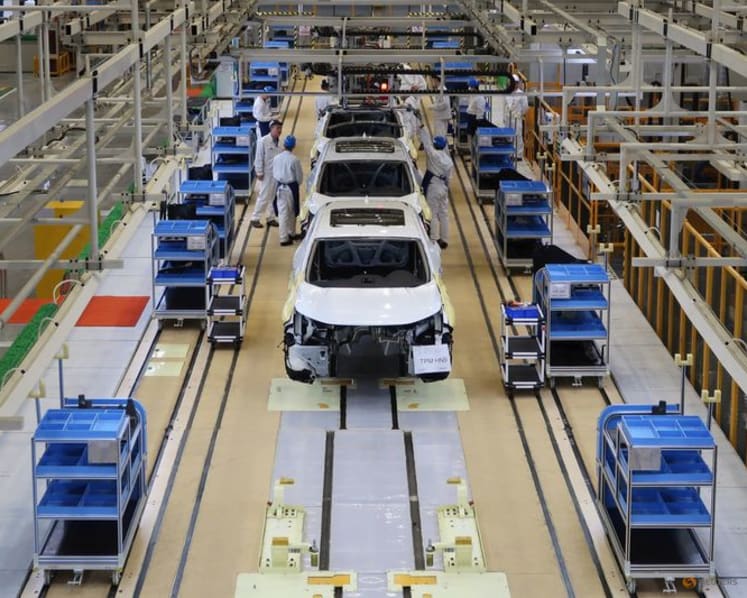
Workers are seen on the production line at Honda Motor's joint venture plant with Dongfeng Motor Group in Wuhan, China, Apr 12, 2019. REUTERS/Norihiko Shirouzu/File Photo

This audio is generated by an AI tool.


SHENZHEN: As oil prices have soared following the outbreak of war in Iran, electric vehicles are back in focus. But the biggest beneficiaries are not American or European brands. They are Chinese manufacturers and, increasingly, Japanese carmakers building inside China.
On Apr 17, Honda began sales of a new EV model, Insight, in Japan – becoming the first Japanese automaker to bring a China-built EV into its home market. Mazda, Toyota and Nissan are anchoring their EV production in China as well, in a move that shifts the industry’s centre of gravity further away from the West.
For years, Japanese automakers sought to tap China’s vast consumer market. Now they are using China as a manufacturing base for export, embedding themselves in the country’s EV supply chain to stay competitive globally.
China, which controls much of the battery supply chain and manufacturing capacity, stands to benefit first. This is also good news for the Japanese brands building there.





“IN CHINA, FOR CHINA, TO THE WORLD”
Take Nissan for example. In a joint venture with Chinese automaker Dongfeng, Nissan is producing vehicles such as the N7 electric sedan in China, and plans to sell them in regions including Southeast Asia.
In a strategy it describes as “in China, for China, to the world”, Nissan has gone from treating the country merely as a sales market to building, sourcing and designing EVs there, and exporting some of them abroad.
The Japanese carmaker is changing course because its previous approach in China, a market moving faster and cutting prices more aggressively than expected, proved too slow and detached. In 2024, Nissan sold fewer than 700,000 vehicles in China – less than half its volume four years earlier. This prompted a downgrade to its global sales forecast.
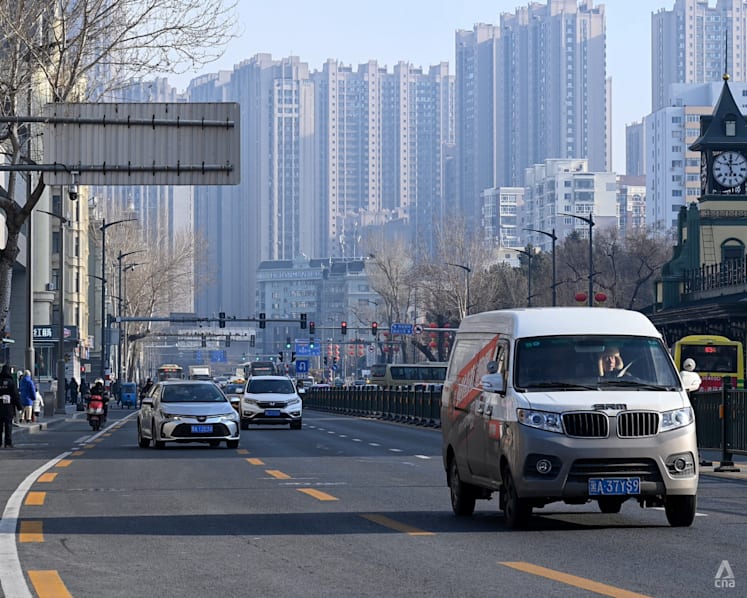
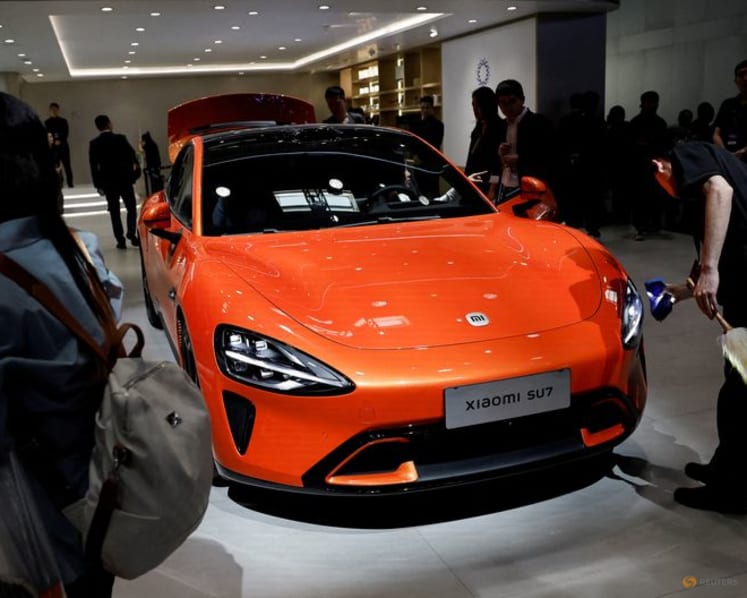
On the whole, Japanese automakers have ceded ground to Chinese rivals that launched cheaper and technically advanced models such as BYD’s Seagull and Dolphin. According to industry data, Japanese automakers’ share of China’s car market has fallen to 13 per cent from a peak of 24 per cent in 2020.
Competing in EVs now depends less on technological differentiation alone and more on cost control and supply chain integration. On those measures, Chinese carmakers have set the pace at home, and are increasingly exporting that model abroad, with BYD, Chery and SAIC all expanding aggressively into Europe.
Japan’s automakers have been on a different road, with firms including Toyota, Honda and Mazda pushing into hybrids, with some success in terms of strong sales and profits. That strategy strengthened their finances, but it left them slower to scale up fully electric vehicles in China.
Hydrogen was a more ambitious and riskier bet. Toyota launched its flagship hydrogen vehicle Mirai to much fanfare in 2014. But fewer than 30,000 have been sold in the decade since. The world’s largest automaker is now shifting its focus towards hydrogen trucks and buses after passenger models failed to gain traction.
To regain market share in China, Japanese carmakers will need to lower costs and speed up development by embedding themselves more deeply in China’s supply chain ecosystem.
BATTLEGROUND AND PRODUCTION BASE
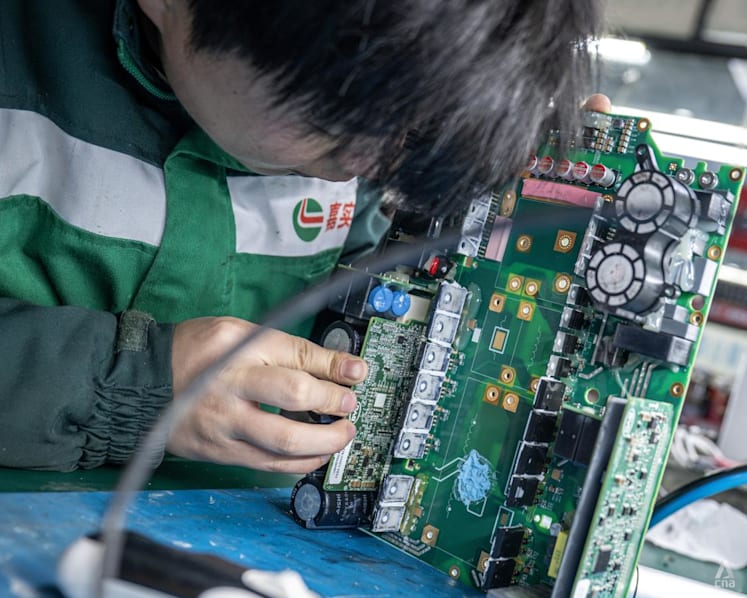
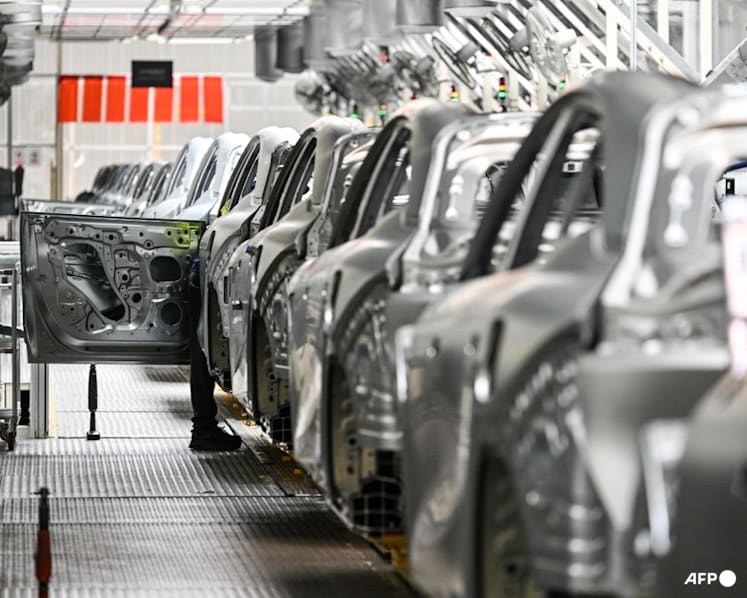
China is not only the battleground; it is the production base. It accounts for more than 70 per cent of global EV production and hosts the bulk of the world’s battery manufacturing capacity. Its dense supplier networks and engineering depth lower manufacturing costs and shorten the time it takes to design and launch new models. That offers carmakers a huge advantage.
And increasingly, Chinese manufacturers are shipping their China-made cars overseas because of the cut-throat competition at home. That raises the stakes, as Japanese firms are competing with China in third markets too, particularly in Southeast Asia, where Japanese brands for decades have held sway.
Japanese firms do have some latent strengths though, namely reliability and solid dealer networks.
The bigger challenge will be organisational. Chinese rivals move fast, launching new models and changing their prices quickly. That can seem at odds with Japanese brands that have usually moved with caution. Whether they can speed up without weakening their reputation for reliability will determine how quickly they close the gap with Chinese competitors.
This matters at home because automobiles account for roughly a fifth of Japan’s total exports. And when the country’s largest export industry becomes more reliant on China, the economic relationship between the two countries shifts.
By producing EVs with Chinese partners and shipping them abroad, Japanese carmakers are binding their industry more tightly to China’s. That comes even as the two countries have recently been engaged in geopolitical spats, notably over Taiwan.
Yet the closer industrial ties reinforce the sense that the EV industry’s focal point has already moved to Asia, with China firmly in the lead. Anyone making cars there will enjoy scale and cost advantage, while others risk losing pricing power, market share and relevance.
For Japan’s EV makers, China is no longer just a consumer market. It is becoming its manufacturing base and a launchpad for competing with Chinese rivals around the world.
Mark Greeven is Professor of Management Innovation and Dean of Asia at IMD Business School.