







Commentary: Singapore’s stock market is waking up and the hard part starts now
There has been a stock market revival on the back of measures announced by a review group, but that is not the same as reinvention, says former editor and financial journalist Ven Sreenivasan.

This audio is generated by an AI tool.


SINGAPORE: The Singapore stock market, long criticised for being moribund, has finally woken up.
The benchmark Straits Times Index (STI) hit multiple record highs this year. Much of the rally was driven by the banks and other blue chips, although the next tier of companies – usually referred to as the mid-caps – has also done well.
The question now is whether this marks the start of a sustainable resurgence or a flash in the pan.
REFORM-FUELLED EXCITEMENT
There is no question that excitement over the Monetary Authority of Singapore’s efforts to inject liquidity into the market via its S$5 billion (US$3.88 billion) Equity Market Development Programme (EQDP) has helped lift sentiment. So far, some S$3.95 billion has been allocated to nine fund managers, whose mandate is to invest in the small and mid-cap space.





The impact of this, especially on the newly formed mid-cap iEdge Singapore Next 50 Index, will be closely watched. The new index, launched on Sep 22, tracks the 50 largest Singapore-listed companies after those in the STI, and collectively account for a market capitalisation of around S$90 billion.
Meanwhile, an increase in investor interest has attracted more initial public offerings (IPOs) to the local bourse. According to a recent Deloitte report, Singapore led Southeast Asia in IPO proceeds this year, with nine deals raising about US$1.6 billion.
This was a sharp improvement from 2024, which saw only four listings raising US$34 million, and marked the STI’s strongest IPO performance since 2019 when US$2.3 billion was raised. The lion’s share of this year’s IPO proceeds came from two big real estate investment trust (REIT) listings: NTT DC REIT and Centurion Accommodation REIT, each raising more than US$500 million.
LIQUIDITY IS THE SECRET SAUCE
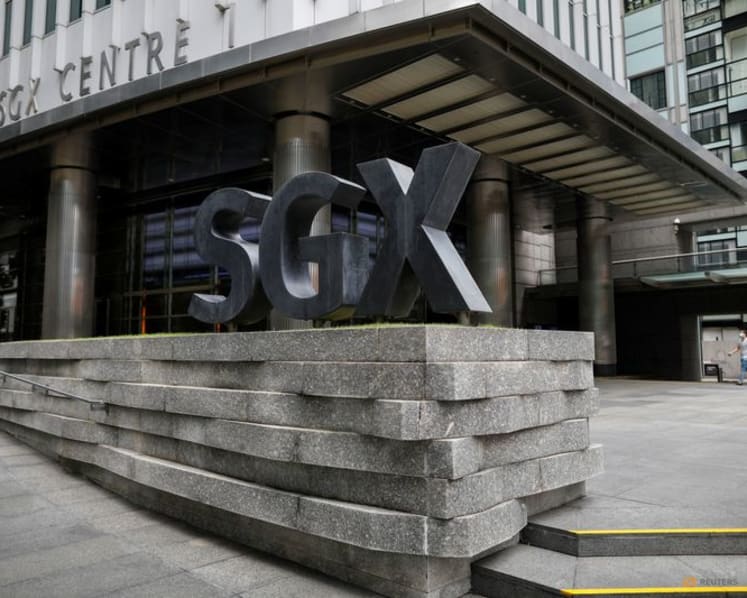
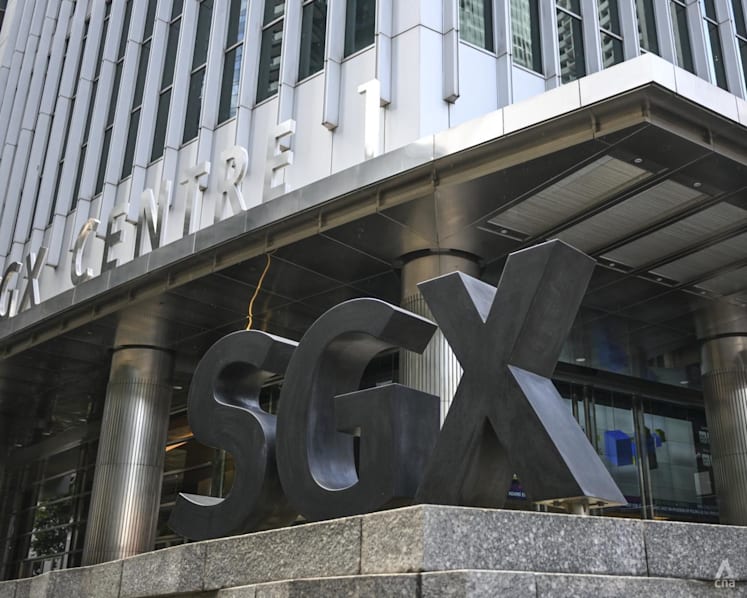
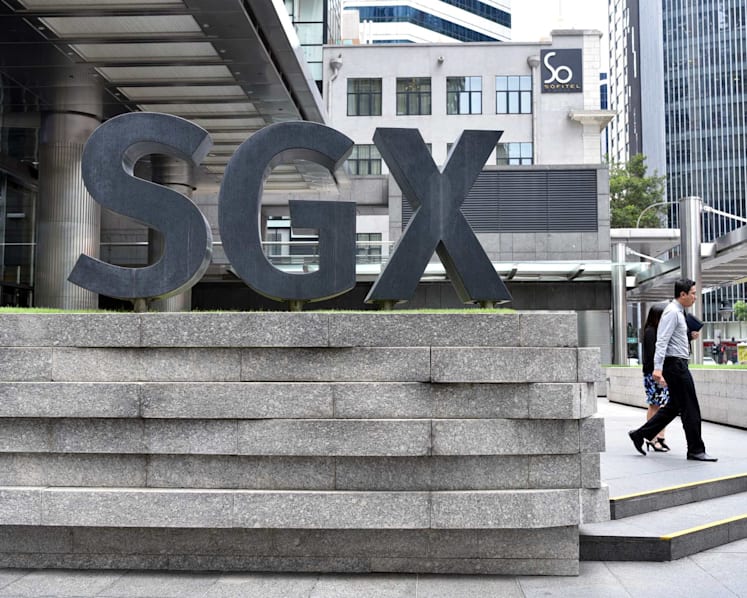
So, 2025 has been a good year for the SGX. Will it carry through to 2026 and beyond?
For the Singapore market to be taken seriously, liquidity remains the secret sauce. Liquidity attracts more IPOs and elevates valuations of listed entities.
Much of the EQDP funds have yet to hit the market, and it is hoped that it starts coming through during the first quarter of 2026. Even then, more liquidity may be needed to sustain the upswing over the longer term.
In countries like Malaysia, Thailand and Australia, locally domiciled funds that are mostly linked to domestic pension funds account for a constant flow of liquidity into the local markets.
The recent pullback in market volumes here – from 38.6 billion shares in September to 29.3 billion shares in November – has raised concerns that the EQDP funds alone may not be enough to sustain the uptrend over a longer term. SGX's current daily liquidity of around S$1.5 billion still falls far short of several of our neighbours.
OTHER INITIATIVES TO CONSIDER
More can be done to attract liquidity, such as custodial services.
Currently, the Central Depository Board acts as the sole safekeeper of Singapore-listed securities where securities are held directly in the investor’s own name. Most investors do so for benefits such as having access to annual general meetings and being able to exercise shareholder voting rights.
Brokerages are completely cut off from providing this service, either in the open market or issue of IPOs, and provide custodian accounts that hold shares on behalf of investors.
Tweaks to the brokers’ custodial role for Singapore-listed stocks could boost liquidity, given their capability to support margin financing and collateralised trading.
The government’s review group has said more can be done to facilitate the adoption of broker custody accounts. This is to enable the offering of more investment services like portfolio management and fractional trading. Doing so also aligns with global practice and encourages more participation by internationally-active asset managers.
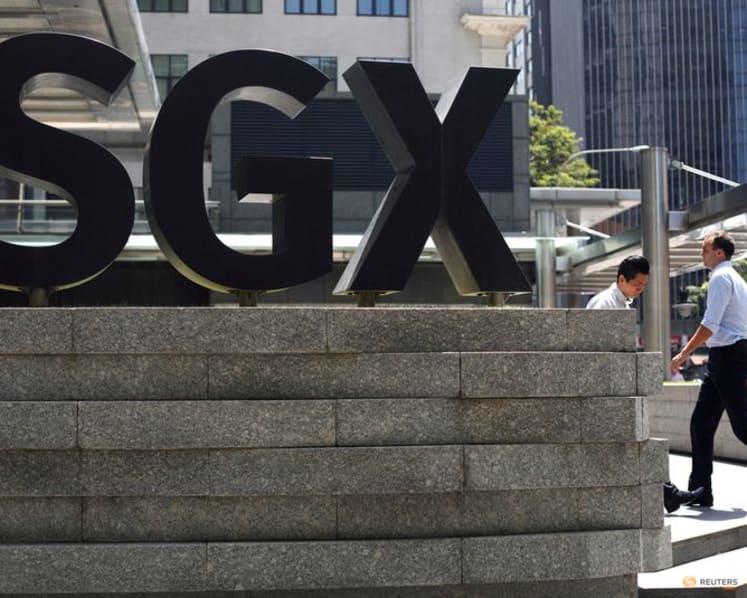
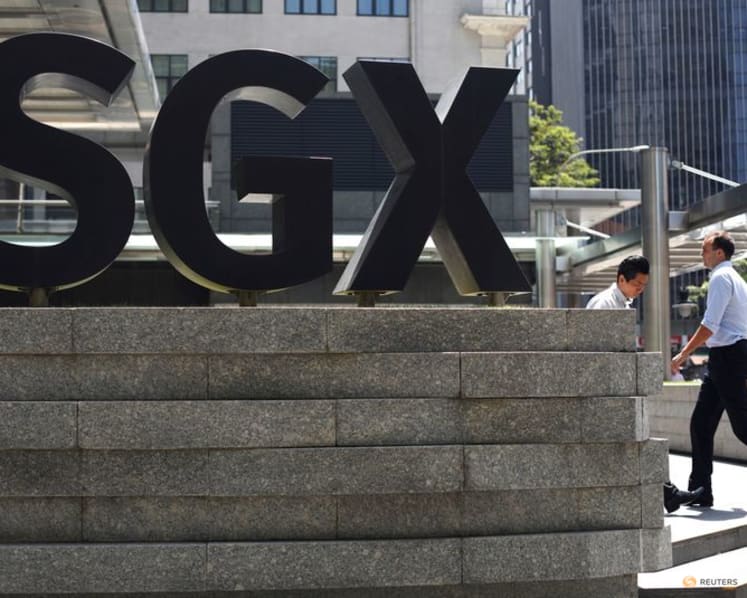
SGX must also look into initiatives to more aggressively court homegrown companies which have listed abroad. It should roll out incentives to attract the “homecoming” of Singapore-based entities, such as Sea and Grab.
Another initiative could be the creation of mid-cap exchange traded funds (ETFs). The iEdge Singapore Next 50 Index provides the first fertile ground for this but having an ETF would go a step further to provide a more stable investment option, especially for retail investors and funds who do not trade actively.
However, sufficient liquidity of the underlying shares is critical for such an effort to succeed. It’s a “chicken and egg” issue that authorities need to consider by either adjusting the pace in which EQDP funds are deployed or taking on other measures such as boosting market research of smaller firms.
These are initiatives which the Singapore Exchange recognises too, based on conversations I had with people familiar with the matter.
Money Talks Podcast - Invest 101: Do dividend stocks always give returns?
So, here’s the thing: The local bourse is at a critical point where it has to adopt a multi-pronged strategy to sustain the huge gains made this year.
Uncertainties on the geopolitical front could provide tailwinds. There are indications that global uncertainties are driving capital to relatively stable markets and economies like Singapore.
There has been a market revival. But a revival is not the same as reinvention.
Will there continue to be a steady stream of IPOs? Will SGX be able to attract new sectors beyond REITs? Will institutional and retail investors see the value proposition of a rejuvenated SGX?
The Singapore market is finally awake. What it does with that wakefulness in 2026 and beyond is the next story.
Ven Sreenivasan is a former editor and journalist who has covered financial markets, economic and corporate news and aviation for more than 30 years.





