Singapore to step up some measles measures after 12 more cases detected
"There is no evidence of wider community spread," said the Communicable Diseases Agency.

This audio is generated by an AI tool.


SINGAPORE: Singapore will implement revised public health measures against measles from Wednesday (Apr 1) after 12 new cases were reported, including four who are part of a cluster.
The total number of measles cases so far this year is now 23. There were 27 cases in 2025.
The 12 new cases were reported between Feb 1 and Mar 24, the Communicable Diseases Agency (CDA) said in a press release. All live in Singapore, with six having recently travelled overseas.
A total of 11 of them were not fully vaccinated, including two infants under 12 months old who were not yet eligible for the measles, mumps and rubella (MMR) vaccine.





"Amongst the 12 cases, eight are not genetically identical to one another, while four cases are part of a known cluster," CDA said.
"There is no evidence of wider community spread. Epidemiological investigations are ongoing."
In February, Singapore introduced tighter measures such as mandatory isolation for measles cases, contact tracing for all cases and quarantine of some close contacts, after detecting a rise in infections.
"Singapore remains at risk of imported infections with high measles rates overseas. CDA will therefore implement enhanced public health measures for measles as the new baseline from Apr 1, 2026," the agency said.
Mandatory testing of all suspect measles cases will continue, with an additional provision that will bar those in high-risk settings from returning to school or work until they test negative for measles.
Mandatory isolation of laboratory-confirmed cases and contact tracing will continue, CDA added.
Previously, close contacts who were unvaccinated would be quarantined for up to 21 days.
From Apr 1, close contacts who are susceptible to infection, namely those who are unvaccinated or without evidence of immunity, will instead be offered post-exposure prophylaxis to reduce their risk of infection and prevent further transmission.
Those who work or study in high-risk settings will also be subject to additional measures, including leave of absence from childcare centres and redeployment to non-patient-facing roles in healthcare facilities, for up to 21 days from their last exposure.
"While we may occasionally detect small clusters with limited spread given the global rise in measles cases, the risk of large outbreaks in the community remains low due to the high vaccination coverage and herd immunity among Singapore residents," the agency said.
"CDA will closely monitor Singapore’s measles situation and adjust our public health measures as it evolves, to prevent community transmission and maintain our herd immunity."
In January, three genetically linked measles cases with no known contact with each other were discovered.
"Following investigations, CDA has found no evidence of further linked cases, or transmission into the community.
"However, we must continue to be vigilant as Singapore remains at risk of imported infections with high measles rates overseas," it added.

VACCINATION
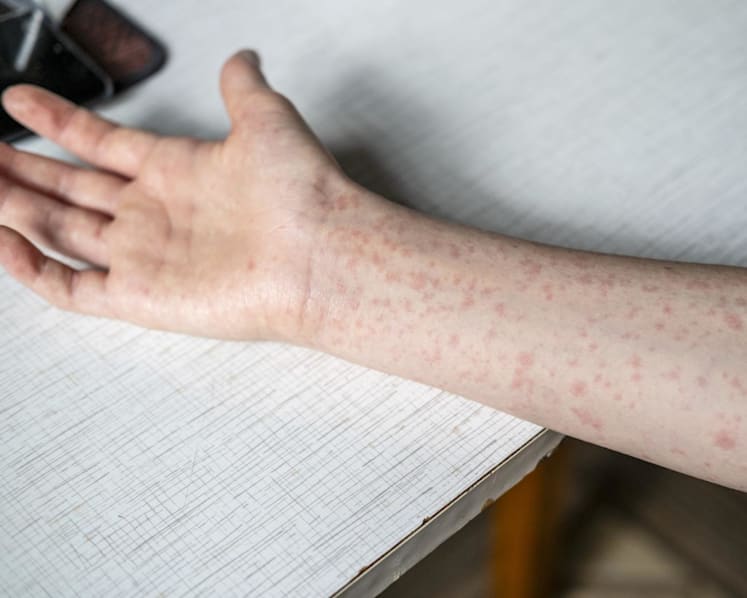
Measles is highly transmissible among unvaccinated individuals, with the infectious period typically beginning up to four days before and after a rash appears.
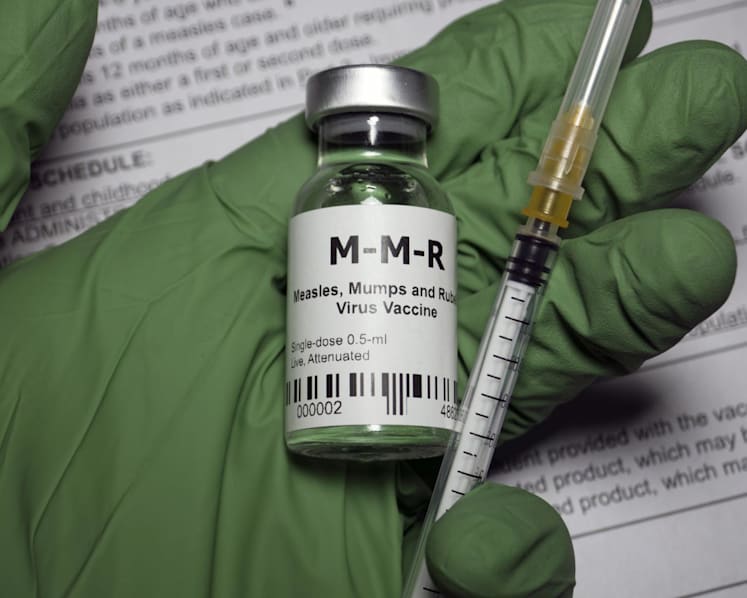
Vaccination is the best way to prevent measles infection, CDA said.
“The MMR vaccine is highly effective and safe, and confers long-term immunity after completion of the recommended doses," CDA said.
"High vaccination coverage not only protects individuals but creates herd immunity within the Singapore population that protects those who are unable to receive vaccinations, such as infants under 12 months old and severely immunocompromised individuals."
Under the Infectious Diseases Act, measles vaccination is compulsory for children under the age of 12 years living in Singapore. The first two doses of MMR vaccination are recommended at 12 months and 15 months.
Parents are advised to ensure their young children receive the first two doses of the MMR vaccination on time.
The MMR vaccine is available at polyclinics, general practitioner clinics and private paediatric clinics.
Singaporeans who meet the criteria for vaccination will receive subsidies at Community Health Assist Scheme (CHAS) GP clinics and polyclinics. Permanent residents who meet the criteria for vaccination will receive subsidies at polyclinics.
PRECAUTIONS
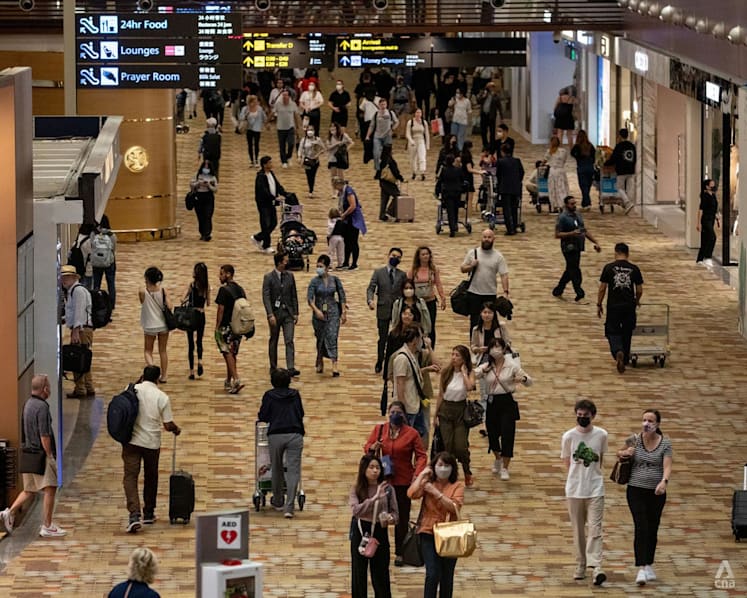
Travellers should ensure they are fully vaccinated against measles before going on their trips, said CDA.
"Those who are uncertain about their immunity status are recommended to seek medical assessment at least four to six weeks before travel to confirm measles immunity, or receive the MMR vaccine."
Given the increase in infections globally, parents travelling with infants aged six to 11 months are advised to seek medical assessment. They may be recommended to have their infants vaccinated with one dose of the MMR vaccine at least two weeks before travel, to reduce the risk of infection during the trip.
Even if an infant has received one dose of MMR vaccine before 12 months of age, they should still receive two additional doses for long-term protection, said CDA.
Good personal hygiene should be maintained, including washing hands frequently and using alcohol-based hand sanitisers in the absence of soap and water.