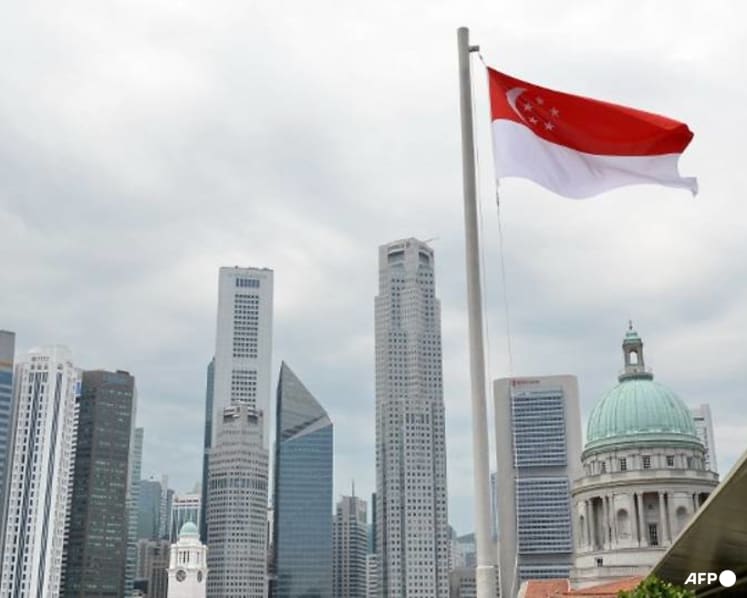
Singapore's public sector to reduce electricity consumption at government facilities amid Middle East crisis
Energy-saving measures include setting air-conditioning temperatures to 25°C or higher and turning off non-essential equipment and appliances when not in use.

This audio is generated by an AI tool.


SINGAPORE: Singapore's public sector will take steps to reduce electricity consumption across government facilities to boost energy resilience amid the Middle East conflict, which has affected global fuel supply chains.
All ministries, organs of state and statutory boards have been directed to adopt energy conservation measures where possible, while balancing operational needs, the Ministry of Sustainability and Environment (MSE) and the National Environment Agency (NEA) said in a joint media release on Wednesday (Apr 8).
These include immediate measures such as setting air-conditioning temperatures to 25°C or higher, managing the operating hours of air-conditioning, lighting and lifts, as well as unplugging or turning off non-essential equipment and appliances when not in use.
"Agencies will also accelerate the installation of energy-efficient systems such as LED lighting and smart sensors and replace electrical equipment with more energy-efficient alternatives, such as those with the highest tick ratings," said MSE and NEA.
Public officers are also advised to practise energy conservation habits.
These measures "demonstrate the government's commitment to lead by example in national energy conservation efforts", said MSE and NEA.
CNA understands that there are no changes to the public service work-from-home policy.
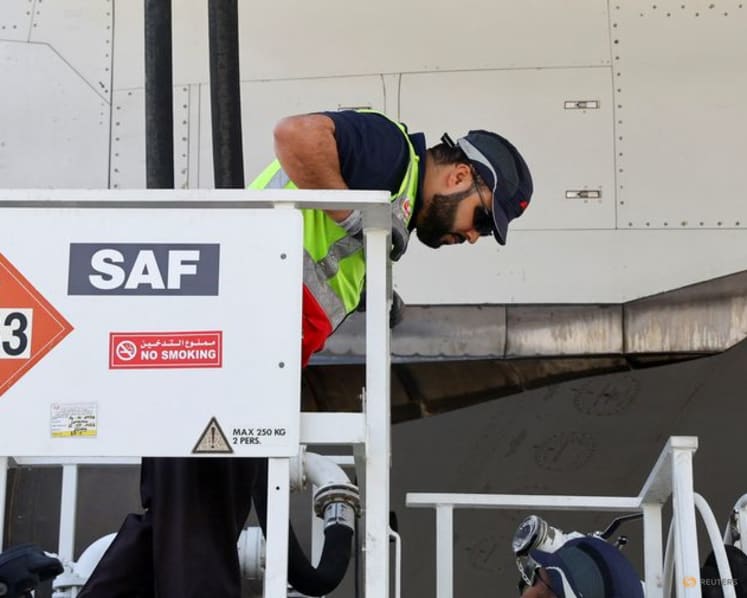
In a ministerial statement in parliament on Tuesday, Deputy Prime Minister Gan Kim Yong noted the impact of the Middle East conflict on energy supplies and global trade.
While Singapore's GDP growth in the first three months of the year was resilient, Mr Gan said, growth will likely be affected in the coming quarters.
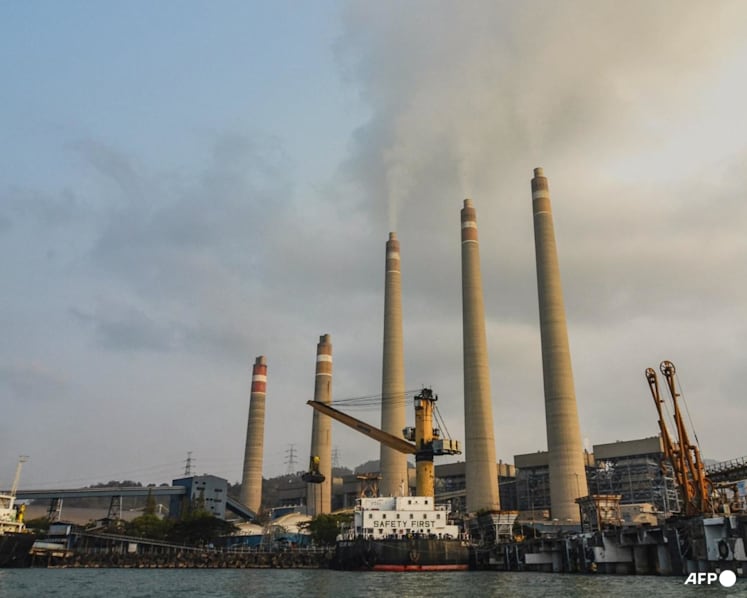
Due to the increased oil and natural gas prices, a sharper increase in the regulated electricity tariff is also expected next quarter.
In a video message last week, Prime Minister Lawrence Wong urged businesses and households to play their part by conserving energy and reducing unnecessary consumption and waste, stressing that national resilience depends not just on government action but also on collective effort.
"For businesses, this means reviewing operations and improving energy efficiency. For households, it means being mindful of daily energy use," he said.
"These may seem like small steps, but taken together, they make a real difference. The government will support you. But our collective response will be far stronger if each of us plays our part too."
MSE and NEA noted support measures like the Climate Friendly Households Programme, which provides households with up to S$400 (US$314) in climate vouchers to buy energy- and water-efficient products.
Businesses can use the Energy Efficiency Grant and Resource Efficiency Grant for Emissions to invest in energy-efficient equipment and reduce operational costs, they added.
"The government is taking the lead in this national energy conservation effort and will continue to provide support to help save energy," MSE and NEA said on Wednesday.
"Everyone has a part to play in strengthening our nation’s energy resilience. Through collective action, we can help ensure Singapore remains well-positioned to navigate global energy challenges while building a more sustainable future for all."
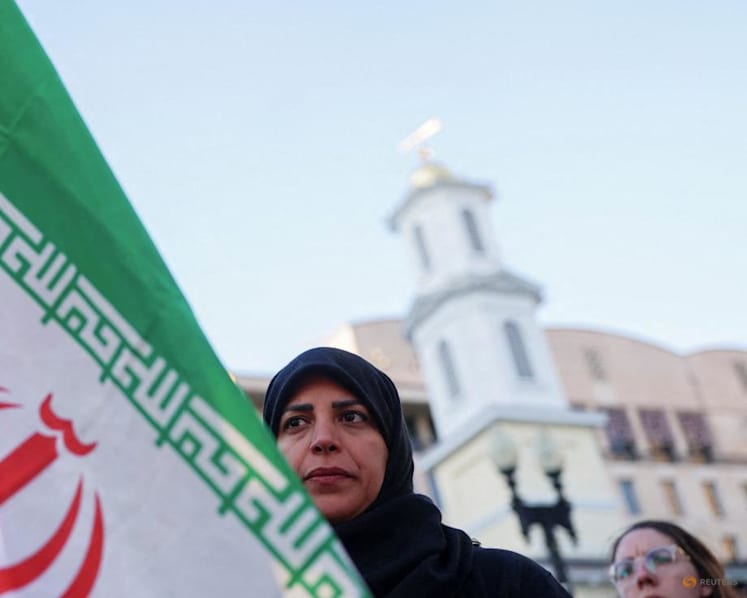
The US and Iran agreed to a two-week truce on Tuesday, with the Islamic Republic saying that it would allow the safe passage of ships through the Strait of Hormuz during this period.
Tehran has warned, however, that the war is not over until formal terms are negotiated.