







What we know about the two-week truce between the US and Iran
Pakistan's prime minister said the ceasefire would start immediately, and his country would host American and Iranian delegates for talks due to begin on Friday (Apr 10).
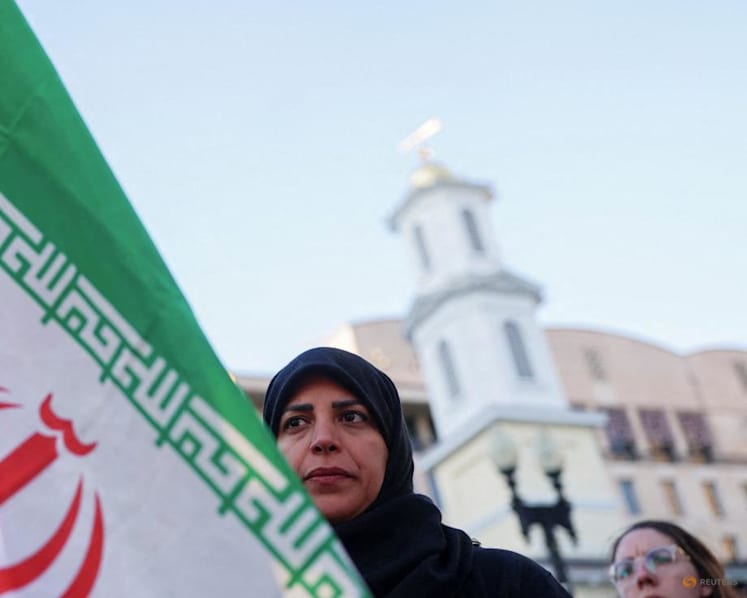
Demonstrators protest against military action in Iran after US President Donald Trump said that he had agreed to a two-week ceasefire with Iran, less than two hours before his deadline for Tehran to reopen the Strait of Hormuz or face widespread attacks on its civilian infrastructure, outside the White House in Washington, DC, US, on Apr 7, 2026. (Photo: Reuters/Nathan Howard)
WASHINGTON: The United States and Iran agreed on Tuesday (Apr 7) to a two-week ceasefire in an 11th-hour bid to avert all-out destruction threatened by US President Donald Trump.
Pakistan, which served as a key intermediary between the two countries, said the truce would lead to talks in its capital.
Here's what we know about the ceasefire between the US and Iran, who remain poles apart in their positions on ending the war.
What has the US said about the truce?
Trump told AFP the ceasefire deal was a "total and complete victory" for Washington.
The US will suspend attacks on Iran for two weeks, and Tehran will in turn temporarily reopen the Strait of Hormuz, a vital global oil thoroughfare, according to Washington.
Tehran agreed to the "complete, immediate, and safe opening of the Strait of Hormuz", Trump said in a Truth Social post.
He also told AFP that Iran's enriched uranium would be "perfectly taken care of" under the two-week truce.
He has justified the war by accusing Tehran of enriching uranium with the aim of building an atomic weapon, an assertion not backed by the United Nations nuclear watchdog and which Iran has denied.
The US, in a previous plan to end hostilities that Tehran did not agree to, demanded Iran stop further enrichment, agree to limits on its missile programme and cease support for militant groups in the region.
Those requirements have not been detailed in the latest truce.
Trump has been inconsistent in his conditions for ending fighting, regularly backtracking from hardline demands.
Last month, the US leader said Iran's "unconditional surrender" would be the only acceptable outcome to end the war.
What is Iran saying?
Iranian Foreign Minister Abbas Araghchi confirmed that Tehran would allow safe passage through the Strait of Hormuz for two weeks. One-fifth of the world's oil passes through the key waterway.
The Islamic Republic has proposed a 10-point plan for securing an end to the war, which Trump said was "workable".
While the plan could form the basis of potential negotiations later this week, it includes several sticking points which Washington has previously said were unfeasible.
The plan would require "continued Iranian control over the Strait of Hormuz, acceptance of enrichment, lifting of all primary and secondary sanctions", according to a statement released by Iran.
While the uranium enrichment demand was not included in Tehran's English-language statement shared by the UN, it was part of the Farsi release circulated by Iranian state media.
Other demands include: US military withdrawal from the Middle East, an end to attacks on Iran and its allies, the release of frozen Iranian assets and a UN Security Council resolution making the deal binding.
What has Israel agreed to?
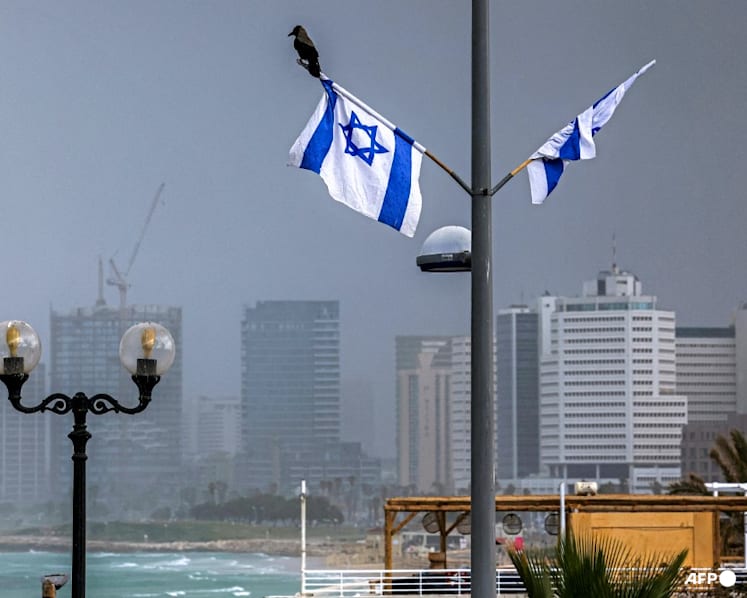
Israel said it supported Trump's decision to suspend his bombing of Iran, but maintained the ceasefire "does not include Lebanon".
Israel has been battling Iran-backed Hezbollah since the group launched rocket fire at Israel in March.
Israel's subsequent retaliation has led to more than 1,500 deaths, according to Lebanese authorities.
The comments contradicted an earlier statement from Pakistan's Prime Minister Shehbaz Sharif that said the deal covered "everywhere, including Lebanon".
Related:
How was the deal brokered?
Pakistan was the key mediator between the US and Iran, tapping into its ties with both sides to secure the temporary ceasefire.
"Pakistan has strong credentials as the only country in the region enjoying good relations with the US and Iran," said the country's former ambassador to Tehran, Asif Durrani.
The country shares a 900km border in its southwest with Iran, as well as deep historical, cultural and religious links. It also represents some Iranian diplomatic interests in Washington, where Tehran has no embassy.
On the US side, Pakistan's powerful army chief, Field Marshal Asim Munir, has built up a personal rapport with Trump.
Munir - in a Western business suit rather than army fatigues - visited Washington with Sharif last year after a flare-up in hostilities between Pakistan and India in divided Kashmir.
Sharif praised Trump's "bold and visionary" intervention, while Munir said the US leader deserved the Nobel Peace Prize for stopping an escalation between the nuclear-armed neighbours.
On Iran, Trump said Pakistan knows the country "better than most".
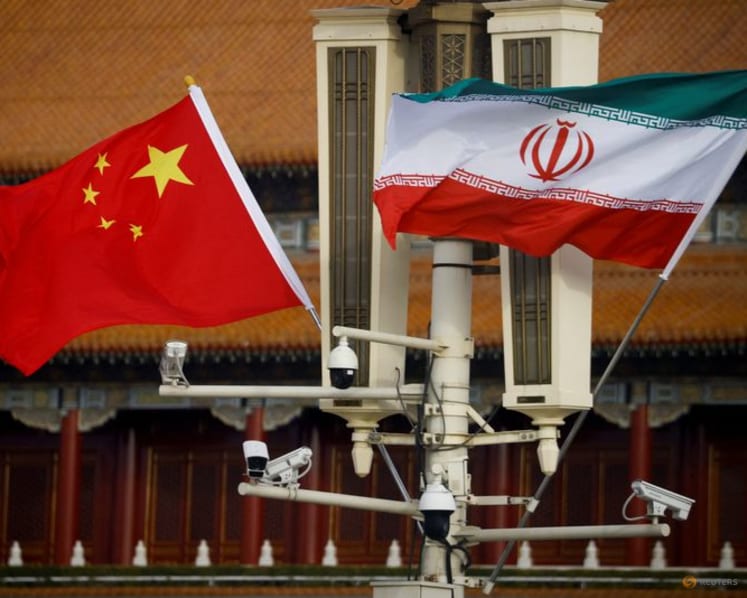
Islamabad also shares close ties with Beijing, which, Trump told AFP, helped get Iran across the line to the negotiating table.
Pakistan's Foreign Minister Ishaq Dar hosted a meeting with counterparts from Saudi Arabia, Turkey and Egypt last month for discussions on de-escalating the conflict and then flew to Beijing for further talks.
China, which is Iran's largest trading partner, then joined its longstanding South Asian ally in calling for a plan to end the fighting engulfing the Middle East, saying it supported "Pakistan playing a unique and important role in easing the situation".
When asked at a regular news briefing on Wednesday, China's foreign ministry spokesperson Mao Ning did not detail what Beijing's efforts were.
"China has consistently advocated for an immediate ceasefire and cessation of hostilities, as well as the resolution of disputes through political and diplomatic channels," she said.
What next?
Sharif said the ceasefire would start immediately, and the capital Islamabad would host delegates from both countries for talks due to begin on Friday.
The talks would be aimed at reaching a "conclusive agreement", he said.
Iran said it would allocate two weeks for the negotiations.
"Iran will feel more comfortable in Islamabad, which is why it accepted Pakistan's mediation," said Durrani, the former ambassador, adding Pakistan could help the two sides resolve outstanding differences.
If talks were direct, "then Pakistan may help the parties to fine-tune the language if there is a stalemate", he said, adding that Pakistani officials could also act as the go-between if the two sides would not meet face-to-face.
The White House was considering talks in Pakistan, but plans were not finalised, Press Secretary Karoline Leavitt said.
Analysts cautioned that the situation remains fragile.
Dr Jessica Genaur, academic director of the Public Policy Institute at the University of New South Wales, said a fully satisfactory agreement for both sides remained unlikely given the wide gap in positions.
"There's still a lot of US troops in the region," she pointed out.
"So it still remains to be seen whether President Trump will at some stage decide that he does want to go for some kind of escalation in terms of boots on the ground."
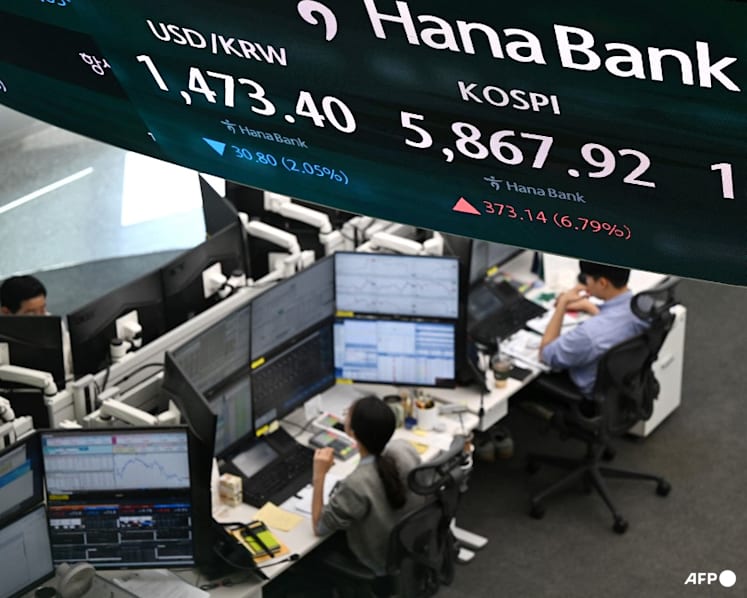
Oil plunged on Wednesday after the announcement that the Strait of Hormuz would reopen under the truce, with global oil and gas supplies squeezed since Iran effectively closed the passage.
Unblocking the strait could provide temporary relief to countries that rely on oil imports.




