No school, no scrolling: Australia’s teens face holidays under social media ban
Two weeks after Australia’s social media ban for children under 16 took effect, debate continues over how effective and enforceable the new law will be.

This audio is generated by an AI tool.
SYDNEY: It is the start of summer holidays in Australia and school is out.
For many teenagers, that usually means spending more time online. For 15-year-old Amber Hunter, social media was the main way she stayed connected with friends during the holidays.
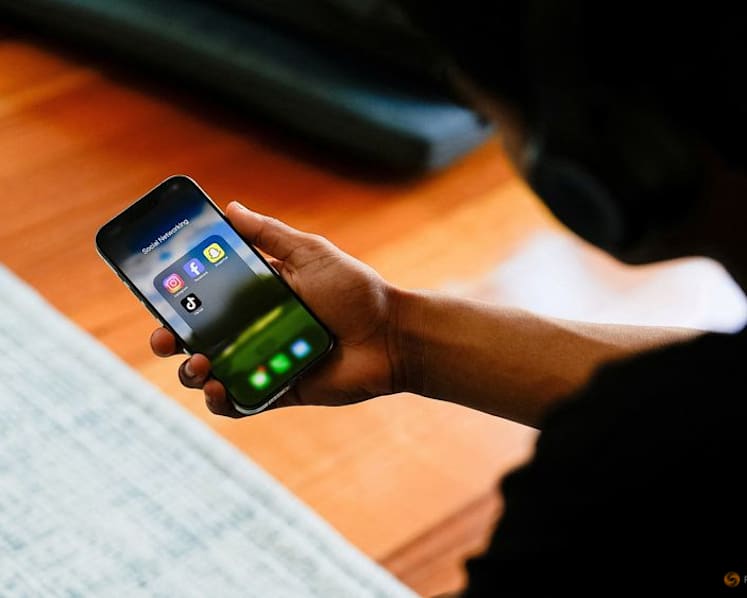
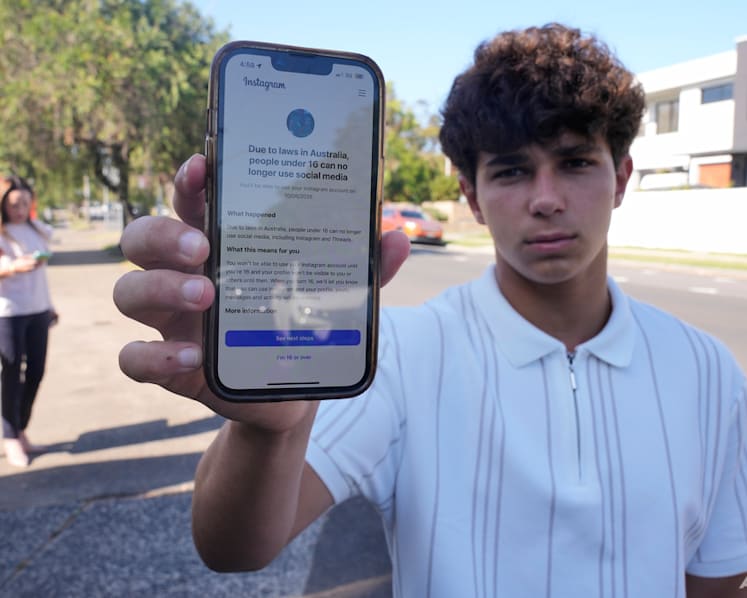
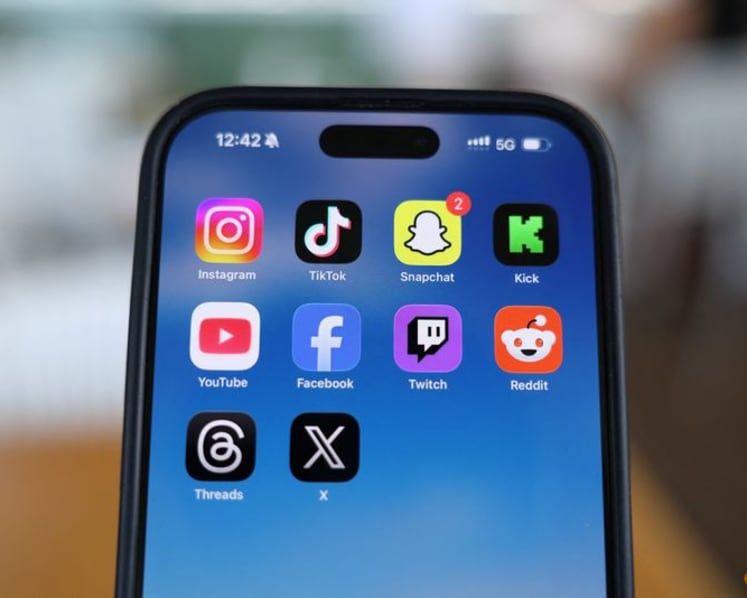
But a new law that came into effect two weeks ago has changed that. It bans Australians under the age of 16 from major social media platforms including TikTok, Snapchat, Instagram and Facebook.
Amber said she used to “doomscroll” through social media excessively – referring to the habit of endlessly scrolling through online content.





“Like TikTok, I (used to use) most days. Snapchat as well. I used that every morning to check what's going on, where my friends are and talk to them,” she told CNA.
“A lot of us don't like (the new law). I know a lot of people are annoyed by it. Everything that I (used to) search for … things that I enjoy, they’re not going to be there anymore.”
Still, Amber admits the ban may have some upside – she hopes it will help her spend less time scrolling and more time on hobbies like dancing and reading.
Her mother Lindsay Hunter is broadly supportive of the move, saying it eases the burden on parents.
“(It) makes parenting much easier. It takes away those arguments you have to have. It takes away the risks,” she said. “If the government can do (that for parents) or the apps can do it, then that's great,” she said.
But she also has doubts about how effective the law will be, saying that so far, the changes appear limited.
“I don't know how they're going to police it. How can you really tell that she’s (Amber’s) only 15?” she asked.
“Nothing's changed on my apps yet, except getting certain scans. The kids who look young have been taken off, (but) anyone who can get past those verification scans are still on the apps. I find it hard to believe that it will work.”
BAN IS WORLD’S FIRST
Australia on Dec 10 became the first country in the world to ban social media for children.
Under the nationwide law, 10 of the biggest platforms are required to block users under 16 years of age, or face fines of up to A$49.5 million (US$33 million).
Firms must enforce stringent age verification measures such as identity checks or facial scanning to comply with the new rules.
Platforms are using a mix of methods to determine users’ ages, including age inference based on online activity, age estimation through selfies, and official documents such as identification cards or bank account details.
Australian Prime Minister Anthony Albanese said the aim is to protect children and take back control from big technology companies.
The government said it understands the challenges but insists young Australians must be shielded from online harms such as cyberbullying, body image issues, grooming and addictive algorithms.
While the ban has broad public support, concerns have been raised about data privacy, freedom of expression and the risk of online harms moving to less regulated spaces.
UNDER GLOBAL SCRUTINY
Ross Tapsell, a researcher at the Australian National University, said the debate itself is already having a positive impact.
“The immediate benefit (is that) people are talking about the role that social media is having on young people,” the associate professor told CNA.
“From my experiences talking to university students, even at 18 or 19 years old, students are not necessarily able to critically reflect on the impact that social media has on their lives.”
However, he cautioned that government regulation could overreach, warning that overly strict enforcement could lead to unintended consequences.
Other countries are watching closely, as Australia’s experiment could shape how governments elsewhere regulate children’s access to social media.
Tapsell said: “Australia has a history of stronger social regulations around things like seatbelts, cigarettes and alcohol (when it comes to) children. So, the flow-on effects have been that other countries are watching … Australia, saying, does this work?”
If successful, proponents believe the law has the potential not only to protect children, but also to reshape the culture and online behaviour of a whole generation of Australians.