







The impact of the Iran war on Dubai tourism amid travel uncertainty
Reports suggested more than 80,000 bookings in Dubai were cancelled alone in the first week of the conflict, as visitors either scrambled to get home or simply decided to postpone their trips.
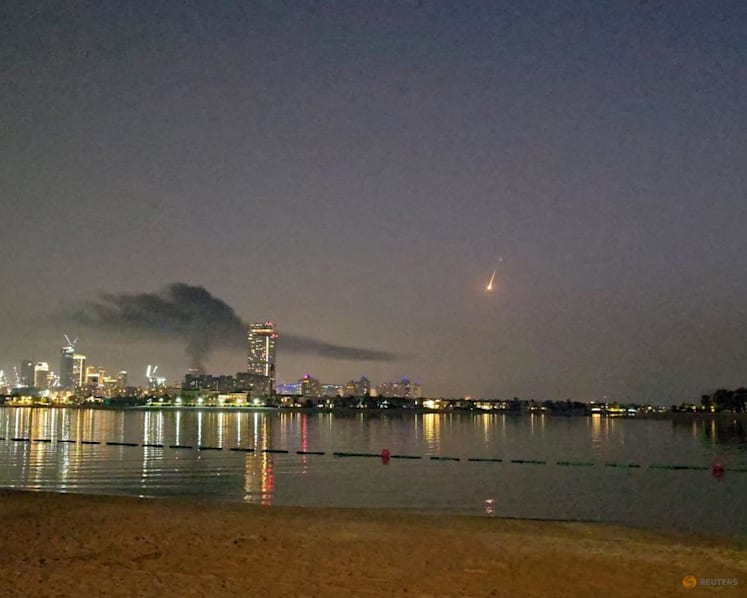
Smoke rises over a hotel damaged in Dubai's famed Palm Jumeirah, in Dubai, United Arab Emirates, Feb 28, 2026 in this screen capture from a video. (Image: Handout via REUTERS)

This audio is generated by an AI tool.
DUBAI: Dubai’s tourism machine, which just months ago was breaking records, is now rotating at a slower pace; with limited flights to and from the country as airspace remains volatile across the region.
Hotels and restaurants are notably quieter, but officials in the Pearl of the Gulf insist it is still very much open for business.
For years, Dubai has sold the dream of being the Middle East’s ultimate safe haven – with all-year-round sun and a five-star experience at every turn.
Last year, the emirate welcomed 19.59 million international visitors, its third consecutive record‑breaking year, with average hotel occupancy above 80 per cent and tourism accounting for more than a tenth of GDP, according to official data.
However, the eruption of conflict on Feb 28, when Iran launched a wave of missiles at its Gulf neighbours after US and Israeli forces carried out strikes on Tehran, saw siren mobile phone alerts, warning residents and tourists across the region to “take shelter”.
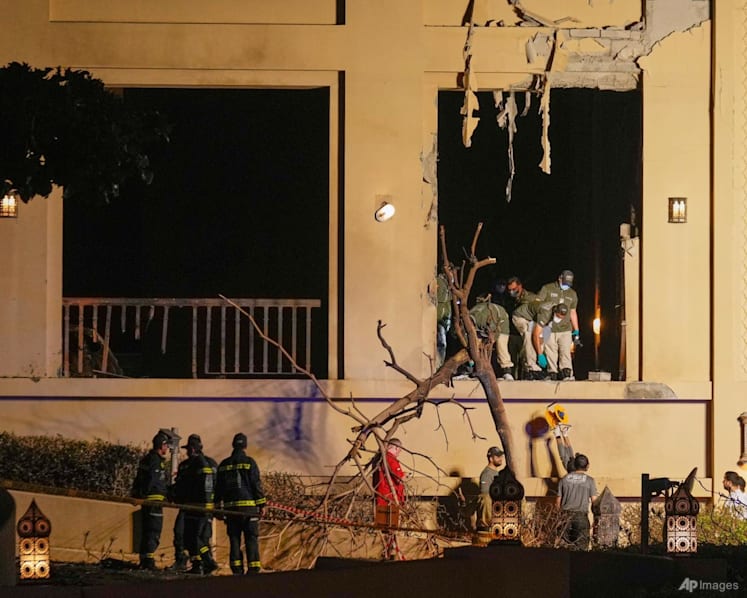
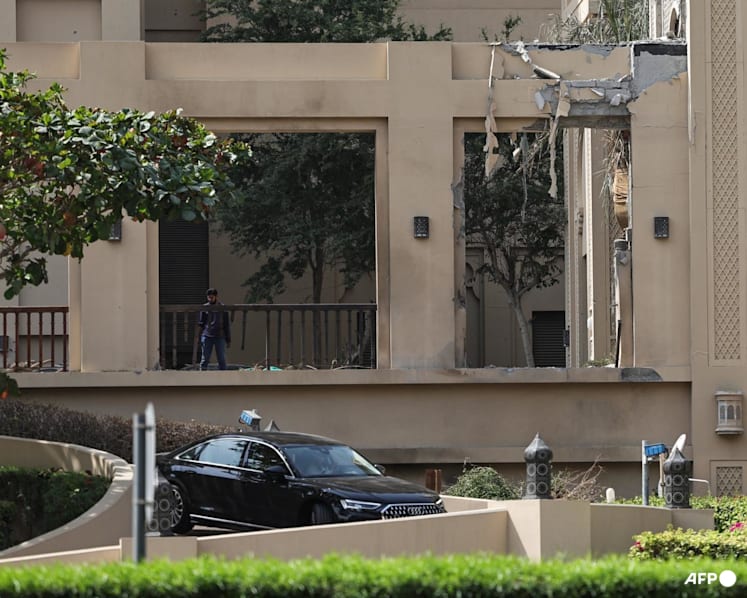
On the first night of this conflict, a drone hit Dubai’s Palm Jumeirah, close to The Fairmont’s luxury resort, authorities confirmed.
A couple of miles further down the iconic skyline stands the Burj Al Arab hotel which is designed like a yacht at full sail. The 7-star hotel was also hit by falling debris early on in the unprovoked attack on the UAE, which saw a small fire quickly contained by Dubai’s civil defences.
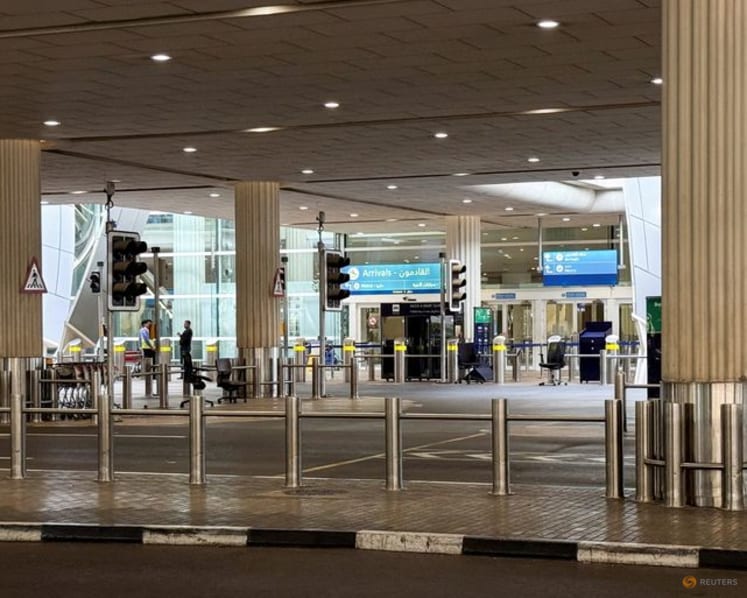
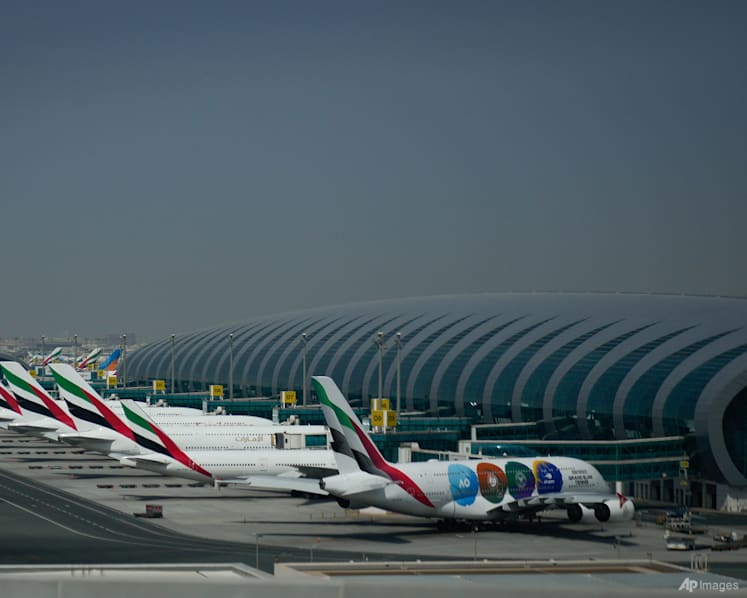
Dubai International Airport recorded its busiest year ever in 2025 with 95.2 million passengers, overtaking every other airport in the world for international traffic and averaging around 260,000 travellers a day.
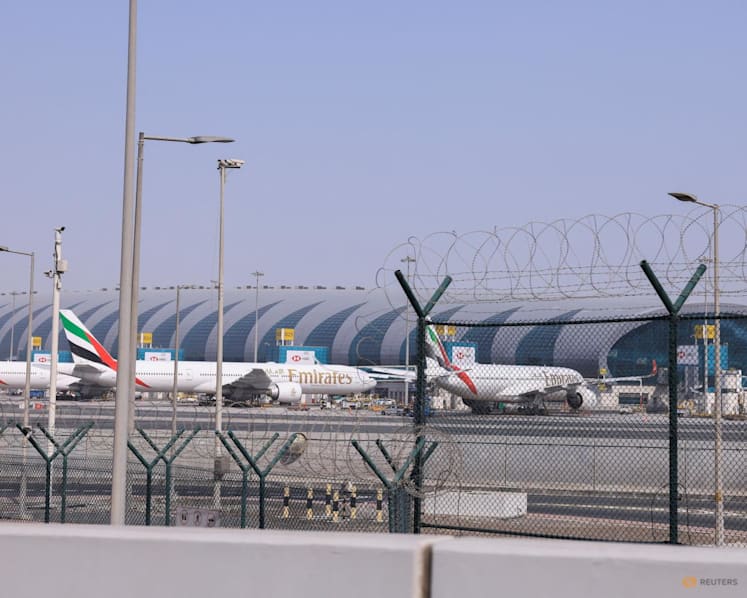
Yet, within hours of the first strikes, UAE airspace was partially closed and all flights at DXB and Al Maktoum international airports were suspended “until further notice”, one of the most sweeping aviation pauses since the 2020 pandemic.
Monday (Mar 16) saw another pause to operations at Dubai International when a fuel tanker was struck by a drone as the war on Iran entered its third week.
The impact this has had on the tourism sector is apparent.
Data from the Dubai Department of Economy and Tourism showed the city’s hotels entering 2026 from a position of strength.
However, in recent days, booking sites revealed something almost unheard of in the UAE: last‑minute availability and huge discounts.
Reports suggested more than 80,000 bookings in Dubai were cancelled alone in the first week of the conflict, as visitors either scrambled to get home or simply decided to postpone their trips.
Still, the cities were not deserted. Many of those stranded by flight suspensions had extended their stays, or managed to book commercial flights home.
In Abu Dhabi, the Department of Culture and Tourism instructed hotels to let guests stay until they can depart, with the government covering the cost of accommodation for those unable to leave because of airline cancellations.
Meanwhile, Dubai’s Department of Economy and Tourism told hotel operators not to evict guests who cannot travel and to alert authorities if visitors could not afford extensions so that support can be arranged.
Tim Cordon, Chief Operating Officer for the region at Radisson Hotel Group said: “The safety and well-being of our guests and team members remains our absolute priority. At our core, we are in the business of looking after people. During this time, our focus has been on responding with empathy, flexibility, and care, ensuring guests feel supported at every step.”
On the tourism sector, he also said: “The Middle East is a resilient market, and we continue to believe strongly in its long-term strength. While we anticipate a greater short-term focus on domestic travel to offset any temporary decline in international arrivals, we see this as an opportunity to further showcase the richness and diversity of the region to local travellers.”
This sentiment was echoed across other hotel chains in the city.
Government officials said at a briefing just last week that protecting and providing for visitors to the UAE was the priority.
March is usually peak time here for beach clubs and brunches, as people look to escape late winter for desert blue skies. However, this year, some guests are more likely to be watching news alerts, than enjoying the vibrant sunsets Dubai, Abu Dhabi and other cities in the UAE have to offer.
One of the biggest boat tour companies said that their services, which ran every hour through Dubai’s waterways, are now at a standstill: “The city is quiet, and the demand by tourists is just not there.”
Restaurant owners talked of juggling staff schedules on a day‑by‑day basis.
“Lunchtimes are definitely quieter, but it’s not that unusual during Ramadan” said the operator of a popular Downtown bistro, who requested not be named.
“Evenings are holding up better. Locals are still going out, and the guests who are here want to make the most of their trip. Right now, for many restaurants, it’s the people who live here that are keeping business going”, the operator said, adding that Ramadan buffets, traditionally lavish affairs in ballrooms and majlis tents, were “toned down out of respect for what the country is going through, many people want to stay at home”.
During an unexpected evening of calm in the city on Saturday, the usual buzz of tour groups gathering to get onto boats, people jogging along the water’s edge, the sea of diners tucking into Arabic, Lebanese and European delights in the dozens around the marina was noticeably absent.
Meanwhile, tourism and economic departments in both Abu Dhabi and Dubai are leaning on attractions to keep operating normally, even as alerts ring out. On Sunday, social media showed lines of residents here queuing for Dubai’s Miracle Garden, as free entry was announced through to the end of the month.
Authorities were quick to update and reassure people of the defence forces’ success in intercepting the vast majority of incoming threats, though there have been five civilians – all of whom were residents, and two military personnel casualties, at the time of writing.
Another stark reminder of what has happened here could be heard in the skies above.
Once, two gateways connecting east with west – Abu Dhabi and Dubai International Airports – providing the gentle hum and familiar sightings of jumbo jets taking off and landing, is now mostly replaced with the sound of fighter jets and bangs from intercepted drones, and a rare sighting of planes heading inland towards Oman, following the safe flight corridor out of the Middle East.
More than 3,400 flights were cancelled across this region on the first full day of disruption alone, according to Cirium data.
The government has reaffirmed its commitment to getting both Dubai and Abu Dhabi international airports back to full capacity over the coming weeks, but for now, narrow flight corridors are the only exit for commercial and repatriation flights from the region.
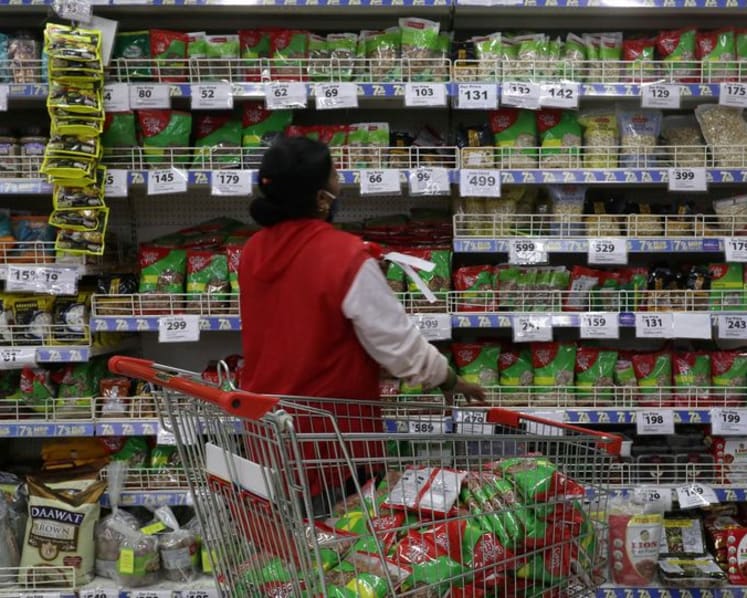
Beyond the UAE, the numbers are stark. The World Travel & Tourism Council (WTTC) estimates that the conflict is costing the region’s travel and tourism sector around US$600 million a day in lost international visitor spending.
Dubai, which relies on both long‑haul leisure and high‑spend business visitors to the city, is particularly exposed.
However, the WTTC added that past security‑related shocks in other markets have seen visitor demand rebound within three months once travellers are confident that risks are under control.
Industry leaders also said that the current situation, while unprecedented, is unlikely to derail Dubai’s long‑term tourism ambitions.
The emirate’s D33 agenda, which has tourism as a central pillar, still envisions doubling the economy by 2033. While in the capital, Abu Dhabi’s Tourism Strategy 2030 targets a sharp rise in visitor numbers over the next four years.
For now, the UAE is learning to live with a war on its doorstep rather than being a distant spectator. Residents here are still going about their day, the very limited tourists that remain are enjoying what their hotels have to offer, and Ramadan tents still glow after sunset – as everyone here awaits the next Iranian missile alert.
The question for the weeks ahead is whether the UAE’s promise of safety can outweigh the images of intercepted missiles in its skies.




