Israeli military says it struck targets in western and central Iran
Iranian state TV reported explosions in Tehran, Tabriz and Isfahan.
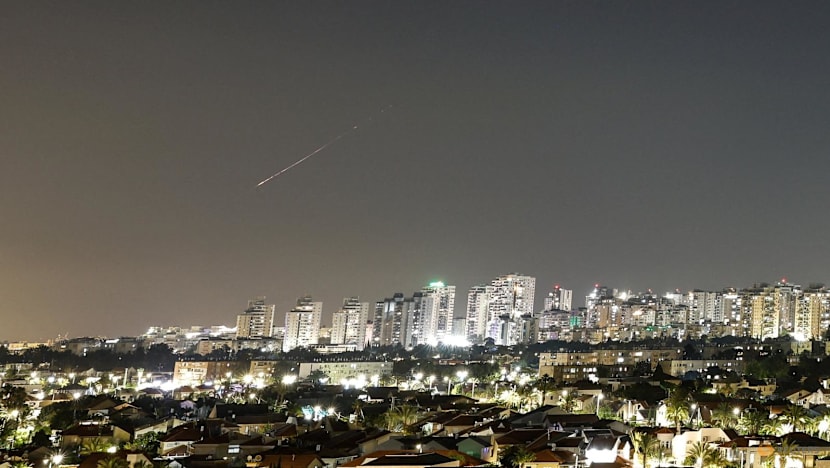
A streak of light illuminates the sky during a missile attack from Iran towards Israel as seen from Ashkelon, Israel, Jun 7, 2026. (Photo: REUTERS/Amir Cohen)
Israel conducted strikes early on Monday (Jun 8) against military targets in western and central Iran, hours after Iran fired a salvo of missiles at Israeli targets in retaliation for an attack on Beirut's southern suburbs.
"A short while ago, the Israeli Air Force struck military targets belonging to the Iranian terror regime in western and central Iran," the Israel Defense Forces posted on Telegram.
Iranian state TV reported explosions in Tehran, Tabriz and Isfahan.
The Israeli strikes on Iran came after US President Donald Trump said on Sunday (Jun 7) he would tell Israeli Prime Minister Benjamin Netanyahu not to strike back after Iran fired a salvo of missiles at Israeli targets in retaliation for an attack on the outskirts of Beirut, news outlet Axios reported.





Iran has long said any peace deal with the US would depend on a ceasefire also holding in Lebanon, which Israel invaded in March in pursuit of Iran-backed Hezbollah fighters who fired rockets and drones across the border in solidarity with Tehran.
But Israel earlier on Sunday launched strikes in the Beirut area for the first time since the US announced a truce plan for Lebanon last week.
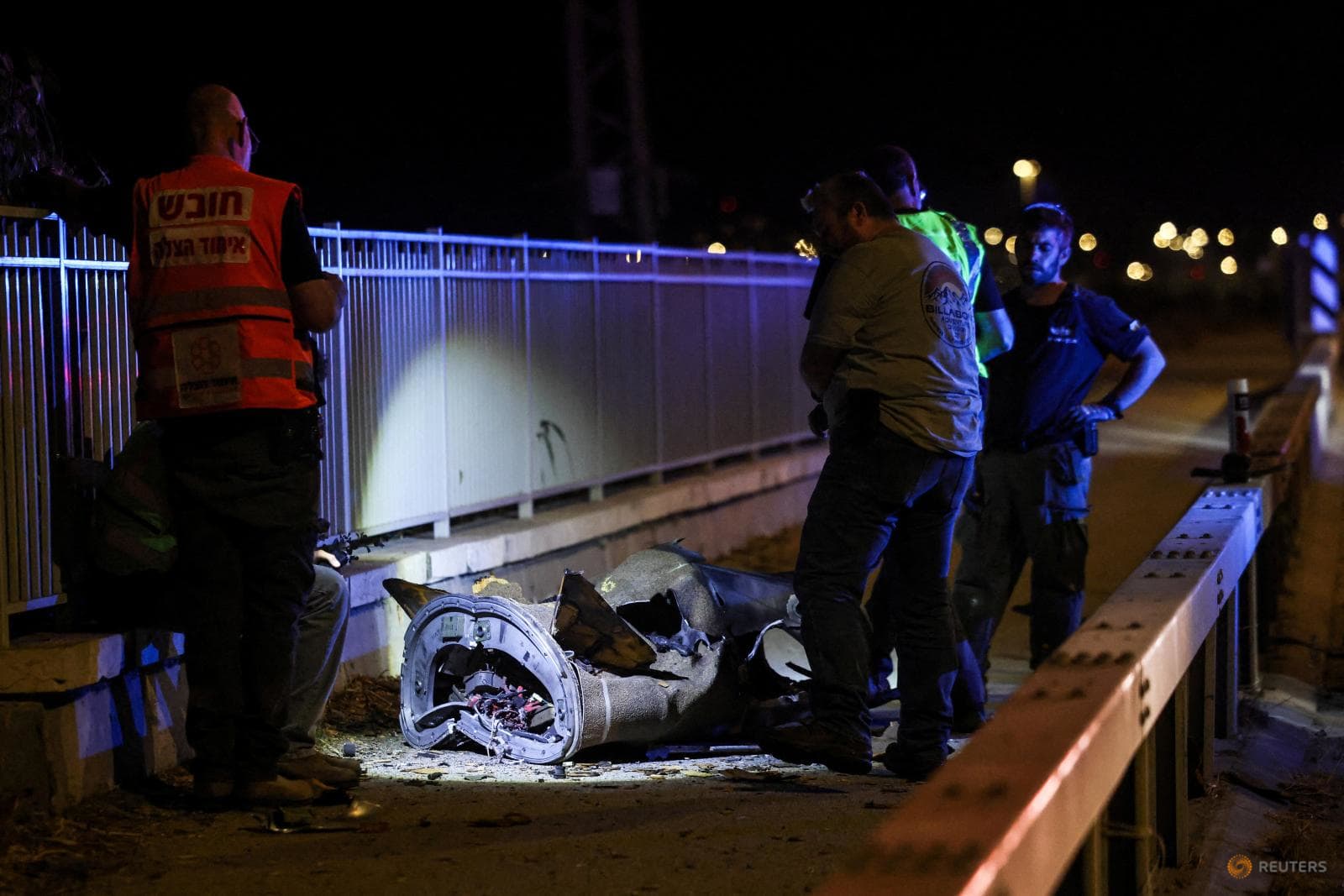
Iran's Revolutionary Guards said they had targeted Ramat David air base, near Nazareth. The Israeli military said it identified missiles launched from Iran and that its defence systems had intercepted them.
Trump, who was spending the weekend at his golf club in Bedminster, New Jersey, and Netanyahu spoke by phone for a little less than half an hour, an Israeli official said, without giving further details. The White House and the Israeli prime minister's office did not immediately respond to requests for comment.
Earlier, Trump told news outlet Axios he would press Netanyahu not to retaliate.
“Israel had its strike and Iran had its strike. We don't need another one,” Trump said. "We are very close to a final deal with Iran. It is going to be a good deal. I don’t want it to blow up because of what is happening now.”
Since the start of US-Iran talks aimed at halting the war, Israel has continued attacks in Lebanon in a conflict with Hezbollah that Israeli officials insist should be treated separately from any ceasefire with Iran. Tehran demands that a peace deal with the United States include Lebanon, warning that Israeli attacks there were jeopardising talks.
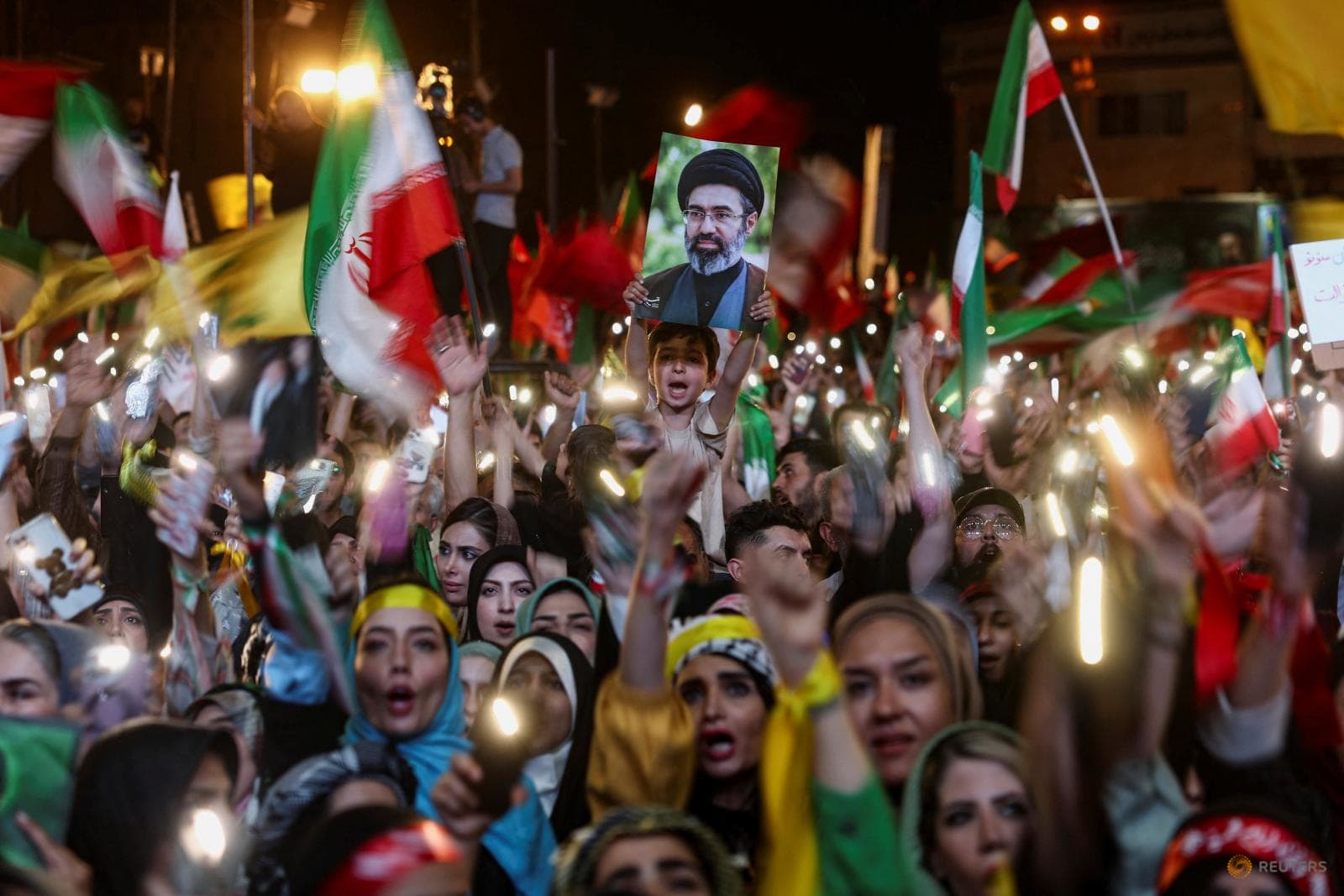
Iran's chief peace negotiator, parliamentary speaker Mohammed Baqer Qalibaf, said US bases and Israeli assets are legitimate targets because of hostile acts, including the "violation of agreements over Lebanon."
Before Sunday, Iran had not targeted Israel since a ceasefire in the wider war started in April, although Hezbollah has done so.
Trump has repeatedly insisted that Washington and Tehran were close to an agreement on ending the war.
"We're very close to a deal, or I'm going to blow the hell out of them," Trump told NBC News' "Meet the Press" in a prerecorded interview that aired on Sunday to mark 100 days of the conflict.

TRUMP WANTS NO ATTACKS IN LEBANON
Trump has leaned on Israel to stop its attacks in Lebanon to allow room for a peace deal with Iran, including rebuking Netanyahu with obscenities in a phone call last week. After that call, Netanyahu appeared to abandon plans to strike Beirut.
But Israel has never fully halted its Lebanon campaign, which has killed thousands of people and driven hundreds of thousands from their homes. Hezbollah, which did not take part in the truce talks, has also continued its attacks and says it will not give up its weapons unless Israel halts its attacks and withdraws from Lebanon.
Netanyahu said the Israeli strikes on Sunday on Beirut's southern outskirts, a district known as Dahiyeh that has long been a Hezbollah stronghold, were ordered in response to Hezbollah firing toward Israel.
The wider war has been stalemated since the US and Israel paused their attacks on Iran in early April, with Tehran blocking most shipping through the Strait of Hormuz, the main transit route for Middle East oil. Washington has imposed its own blockade of Iranian ports.


Though Washington and Tehran have said they are close to a preliminary agreement that would reopen the strait, they have repeatedly traded strikes, with escalations in recent days that have included attacks on nearby Arab states hosting US bases.
Trump has said any agreement to end the war must prevent Iran from developing a nuclear weapon, and he is under pressure to deliver terms tougher than those agreed in 2015 under then-President Barack Obama in a deal Trump later repudiated.
Tehran's demands include the lifting of US and international sanctions, recognition of its sway over the strait and the release of billions of dollars in frozen assets. A source familiar with US plans told Reuters on Saturday that Washington could make Iranian assets available to Gulf neighbours to repair damage inflicted by Iran.
Iran's Deputy Foreign Minister Kazem Gharibabadi said on Sunday any such diversion of Iranian assets would be illegal, and Tehran would take measures in response.
Netanyahu was criticised last week by political rivals over a new ceasefire in Lebanon ahead of this year's national election.
Israel's early Monday strikes on Iran appeared to underscore the limits of Trump's immediate influence over Netanyahu.
Still, analysts said they believe the US president continue to retain significant leverage over the Israeli leader.
“The US is Israel's biggest backer, sustainer and supporter. If Trump were to impose his will on Israel, Israel would have no choice but to comply,” said Nader Hashemi, associate professor of Middle East and Islamic Politics at Georgetown University.
Hashemi noted that Trump's priority is securing a diplomatic off-ramp from the conflict rather than allowing it to widen further, particularly given the domestic and geopolitical costs of a prolonged war.
“The bigger prize for the American president is an exit from this war, signing some sort of agreement with Iran that seems to be very close, and he doesn't want Netanyahu and the war in Lebanon to scuttle (that effort),” he told CNA’s Asia First.
“This war has proven to be a major foreign policy disaster. Trump, I think, is very much thinking about his own career, his own party.”
He added that Tehran also has strong incentives to seek an end to the conflict, given the economic strain of sanctions.
"The only way forward for the Islamic Republic is some sort of agreement with the US that will allow Iran to access its frozen assets and potentially obtain sanctions relief," Hashemi said.