New border bridge, rail link: Malaysia, Thailand eye deeper economic ties in border regions, but hurdles remain
Malaysia is building both walls and bridges along its porous northern border with Thailand, determined to deter rampant smuggling while boosting economic ties. In the second of a two-part series, CNA looks at joint economic projects in the pipeline, and how political and security challenges might scupper them.
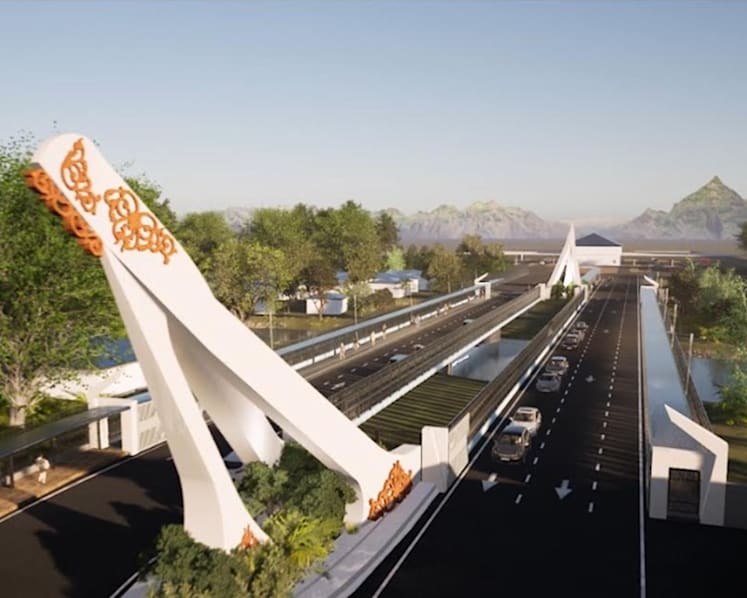
An artist's impression of a new bridge that will connect Rantau Panjang, Malaysia and Sungai Golok, Thailand. (Photo: Ministry of Works, Malaysia)

This audio is generated by an AI tool.


SUNGAI GOLOK, Thailand: When Prachaya Chimvises travelled from Bangkok to Narathiwat to study the reception to his crab sausage snack sold in 7-Eleven stores, he was surprised to see Malaysians buying similar snacks in bulk to take home.
The senior marketing manager at a Thai company that makes halal ready-to-eat snacks told CNA it had been only a month since it started distributing its product in the southern provinces, which have a sizeable Muslim population.
Within the region, sales of his product were already doing well, he said. Now, prospects seem ripe for expansion into Malaysia.
“Malaysians are coming to the Thai border towns and purchasing chicken burgers until the shelves are empty,” he said, his voice tinged with astonishment as he referred to the ready-to-eat snack easily prepared in a microwave.





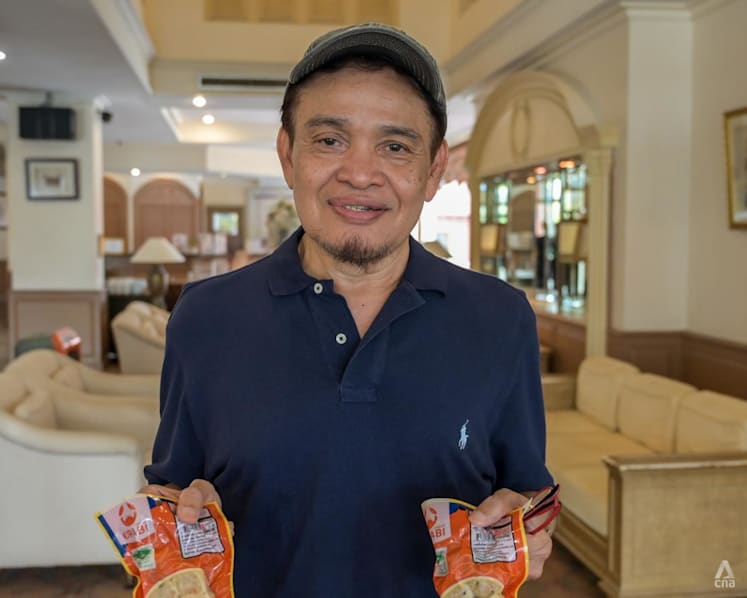
Prachaya said he will do more research before deciding how to export his products to Malaysia, noting they would likely be transported via a bridge that connects Sungai Golok in Narathiwat province to Rantau Panjang in Kelantan.
He welcomed plans by Malaysia and Thailand to build a second six-lane bridge parallel to the existing link, aimed at improving traffic flow and boosting economic ties in their border regions, which are some of the poorest areas in the respective countries.
“I think it’s a very good idea; the new bridge will improve the relationship between Thailand and Malaysia,” he said.
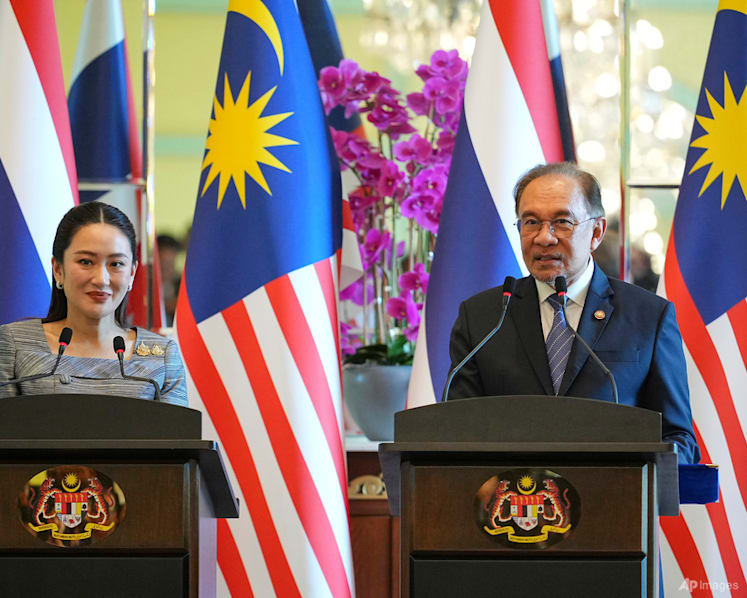
In December 2024, the two countries committed to further improve bilateral trade and investment, targeting US$30 billion by 2027.
This took place when Malaysia Prime Minister Anwar Ibrahim hosted former Thai premier Paetongtarn Shinawatra during her official visit to Putrajaya.
The neighbours also agreed to strengthen economic collaboration in the rubber, tourism, halal and digital industries, in energy grid and gas supply, as well as in border management.
Thailand is Malaysia’s seventh-largest trading partner and the third-largest within the Association of Southeast Asian Nations.
From January to August 2025, trade stood at US$18.64 billion. In 2024, bilateral trade amounted to US$25.03 billion.
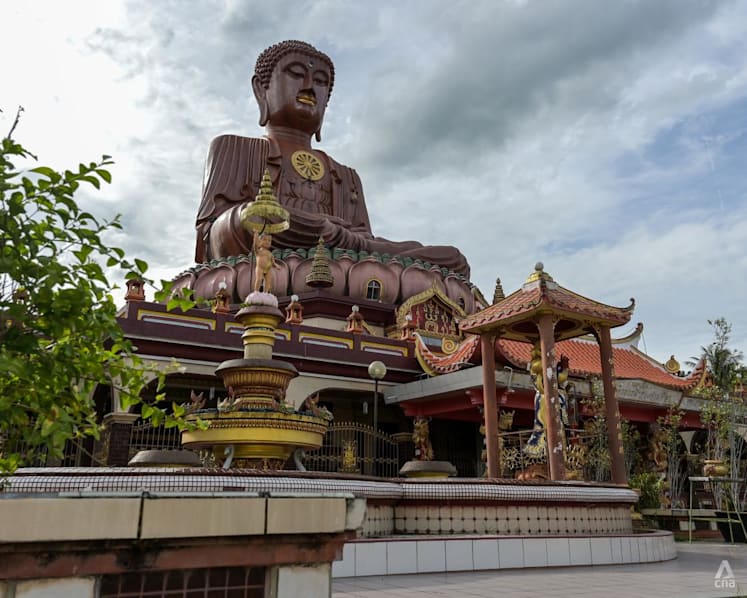
The two countries have also launched a twin-city project in their border regions, pairing the five southernmost Thai provinces of Satun, Songkhla, Yala, Pattani and Narathiwat with the northern Malaysian states of Perlis, Kedah, Perak, Terengganu and Kelantan.
The aim is to improve trade links and boost sales of agricultural produce, including increasing the yield of cash crops and cattle farm produce in Thailand’s southern region.
As for transportation links, Malaysia and Thailand have agreed to revive the Bangkok-Butterworth train service on the west coast. There is also talk of extending Malaysia’s upcoming East Coast Rail Link (ECRL) to Thailand via Rantau Panjang and Sungai Golok.
BORDER REGIONS HAVE COMPLEMENTARY INDUSTRIES
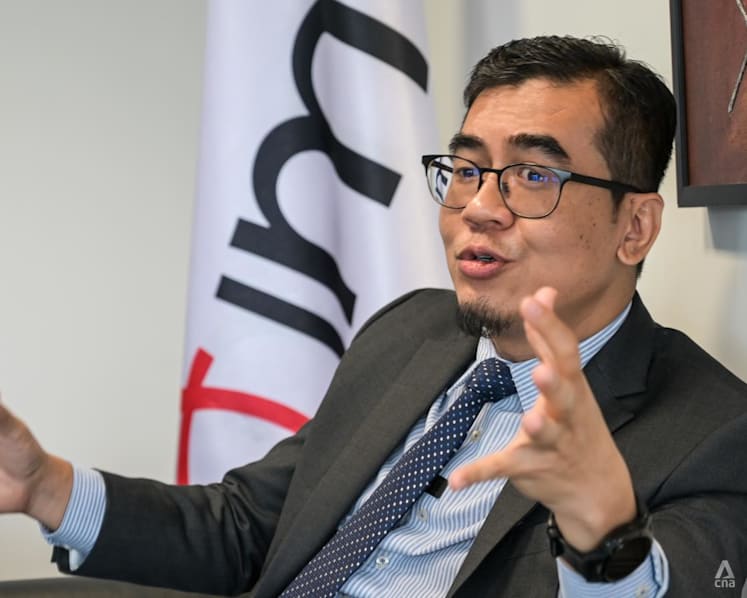
Improved transportation links are key for both countries to further improve economic ties in complementary industries, said Amri Bakhtiar, director of the Centre for Indonesia-Malaysia-Thailand Growth Triangle (CIMT-GT).
The centre acts as the secretariat for the IMT-GT, an intergovernmental organisation that supports subregional development in the three countries outside their traditional economic zones.
For instance, Amri pointed out that the Thai southern provinces of Narathiwat and Songkhla have special economic zones (SEZs) that focus on the rubber processing and halal industries, respectively.
“Thailand is a major exporter of food products in the world, so it makes sense for them to see halal as a major industry for them to go into,” he told CNA.
“Being a country where the Muslim population is a minority, they see a lot of benefit in cooperating with Malaysia and Indonesia.”
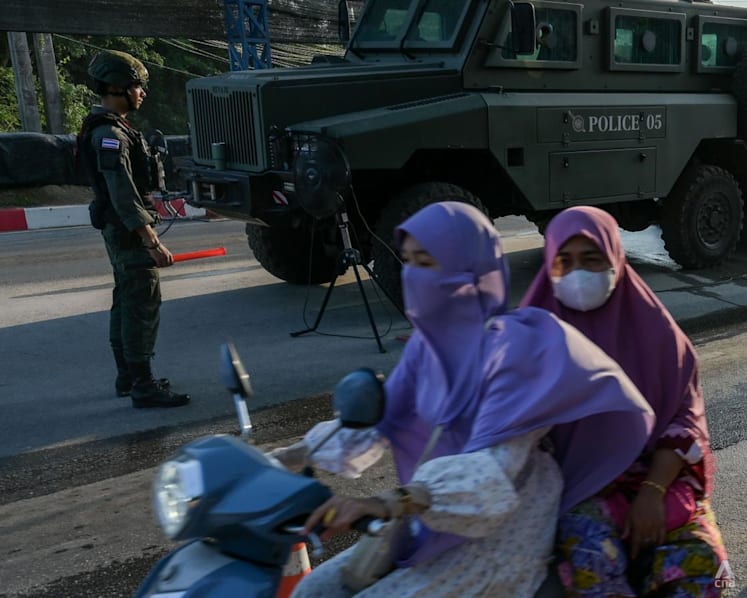
According to the Central Islamic Council of Thailand, up to 10 per cent of the Thai population is Muslim. A vast majority of them live in the provinces of Satun, Yala, Pattani and Narathiwat. Thailand had a population of 65.96 million people as of January 2025.
“Thailand is also a major producer of rubber in the world, and that ties in nicely for their downstream industries to link up with our side, particularly in Pahang. So when there's good connectivity between the two countries, that can benefit both sides,” Amri added.
But not all has been smooth sailing.
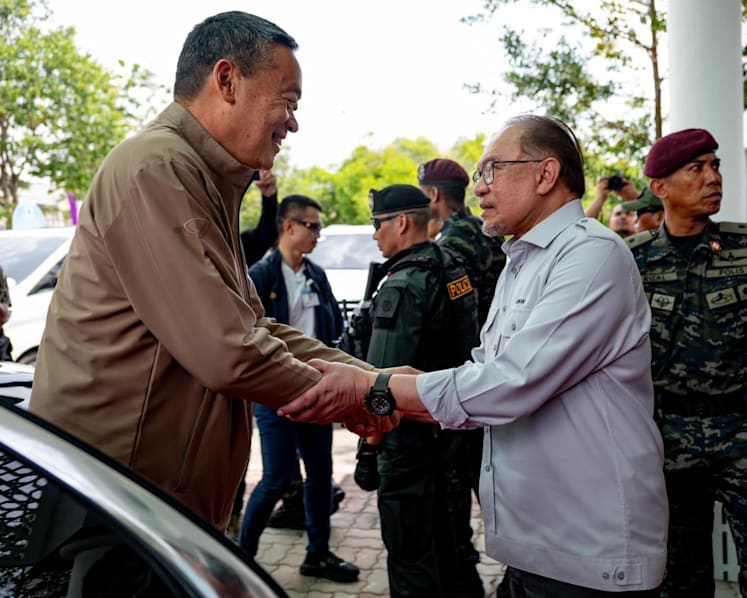
In May 2024, Anwar and then-Thai counterpart Srettha Thavisin reportedly discussed the development of SEZs focused on halal industries.
Three months later, Anwar proposed roping in the private sector to set up these SEZs with Thailand in the southern parts of the kingdom, which he said could attract more investment. But Srettha was removed from office a week later and eventually replaced by Paetongtarn.
In July this year, Malaysia’s economy ministry said there were currently no plans to establish an SEZ along the Malaysia-Thailand border, noting that regional platforms like IMT-GT were already in place.
The government remained open to exploring the idea of a border SEZ in the future “if there is a need and if it brings mutual benefits to both countries”, the ministry said in a parliamentary reply.
While Amri said CIMT-GT was not privy to discussions on a Malaysia-Thailand SEZ, he stressed that such zones - even within individual countries - take time to develop.
“When you add in (the element of) cross-border, that adds to the layer of complexity … It takes a lot of effort and commitment from both sides in ensuring that things are clear, with regards to responsibilities and the clearance of documents,” he said.
“Of course, we have to also factor in the political situation in Thailand. So I think that, in a way, may put this proposal to the side for the moment.”
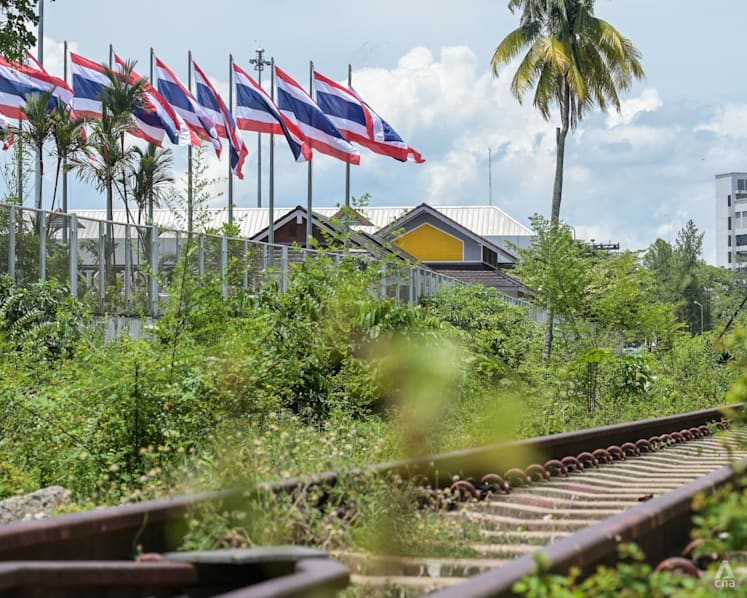
The fluid political situation in Thailand - current premier Anutin Charnvirakul is the country’s third leader in two years, and Thailand will hold parliamentary elections on Feb 8, 2026 - as well as the unstable security climate in its southern border provinces posed challenges to deeper economic cooperation with Malaysia, analysts and business representatives told CNA.
The Paetongtarn administration had set up a working committee to drive the joint-SEZ and drafted a bill to set out its framework, but that government fell “before much work was carried out”, said a Thai official at a government agency coordinating and overseeing development, security and administrative efforts in the country’s southernmost provinces.
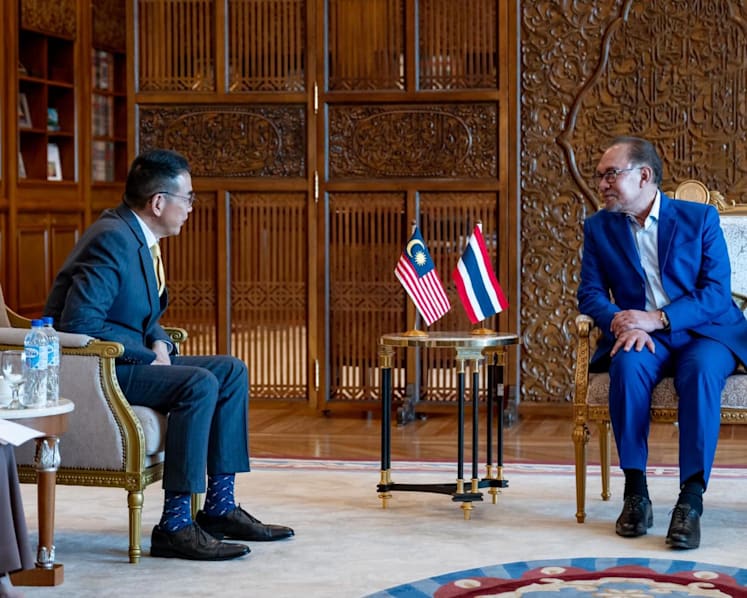
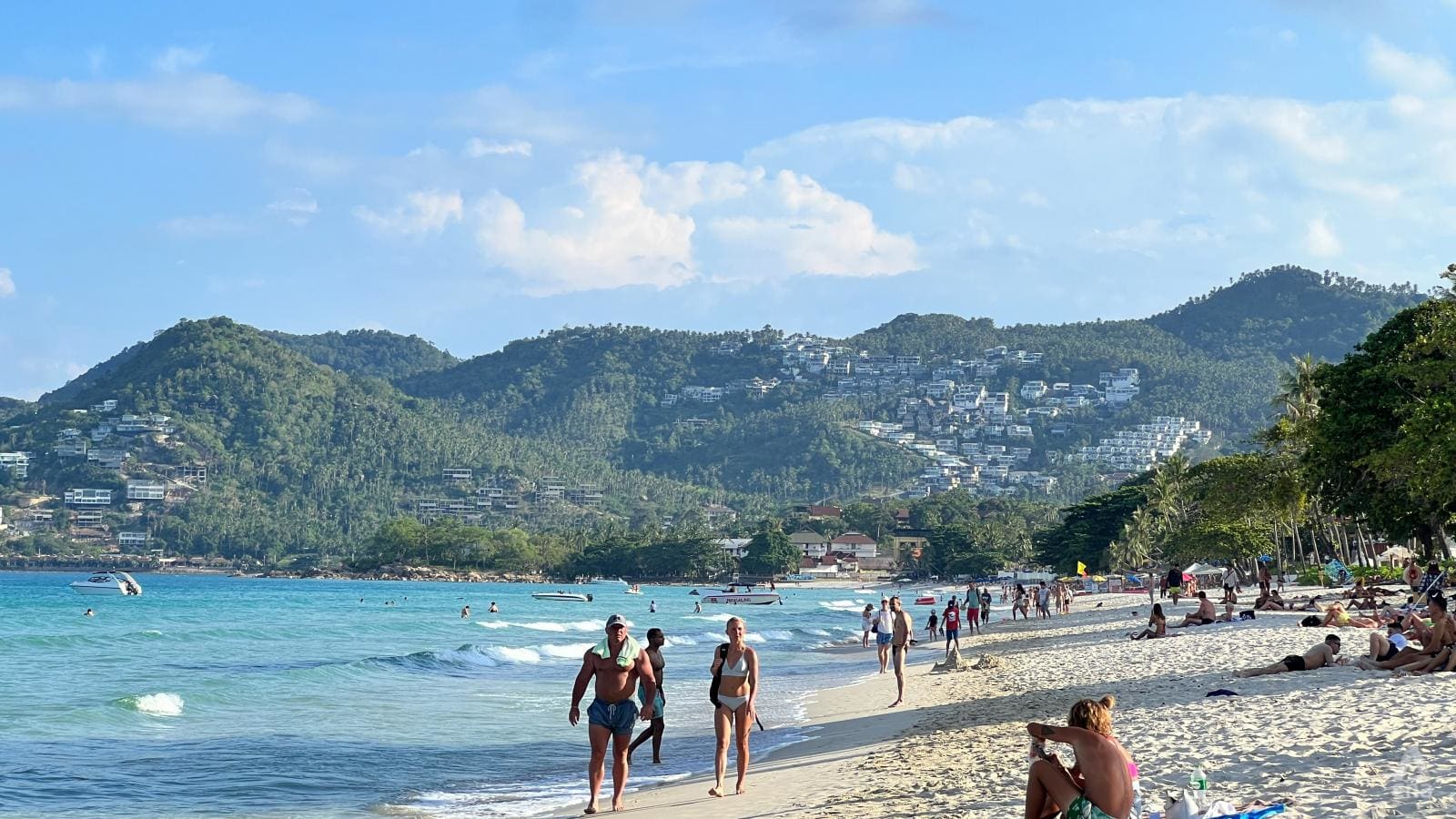
Piyasiri Wattanawarangkun, secretary-general of the Southern Border Provinces Administrative Centre (SBPAC), said he believes the port area in Songkhla province should be linked to rapid advancement in logistics development in Malaysia’s border regions on the west coast, via the Padang Besar and Bukit Kayu Hitam checkpoints in Perlis and Kedah respectively.
“I believe we should start with driving the Thai-Malaysian special economic zone in that area as there are no issues with security and conflicts,” he said.
“If it is carried out, we’ll see a complete integration of transport and logistics advancement linking rail, land and sea of both countries. We will become a global distribution hub which will lead to employment and benefits for people in the area.”
NEW BRIDGE EXPECTED TO BOOST ECONOMY, TOURISM
Back on the east coast, plans to build the second border bridge connecting Rantau Panjang and Sungai Golok are afoot.
The new 117.3m-long bridge will be built next to the existing Muhibbah (friendship) bridge, creating an expanded linkway that will serve both vehicles and pedestrians.

According to media reports this year, the new bridge is estimated to cost RM40.54 million (US$9.88 million) - jointly funded by both countries - and is expected to be completed by 2028.
The project will involve upgrades to the immigration and customs complex on the Malaysia side and the existing Muhibbah bridge, which has been in operation since 1973 and has only a single lane for traffic heading to either side.
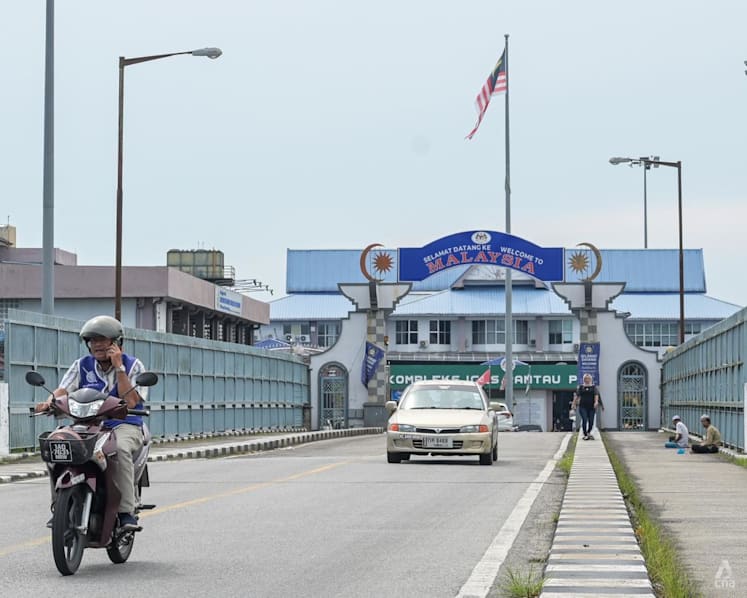
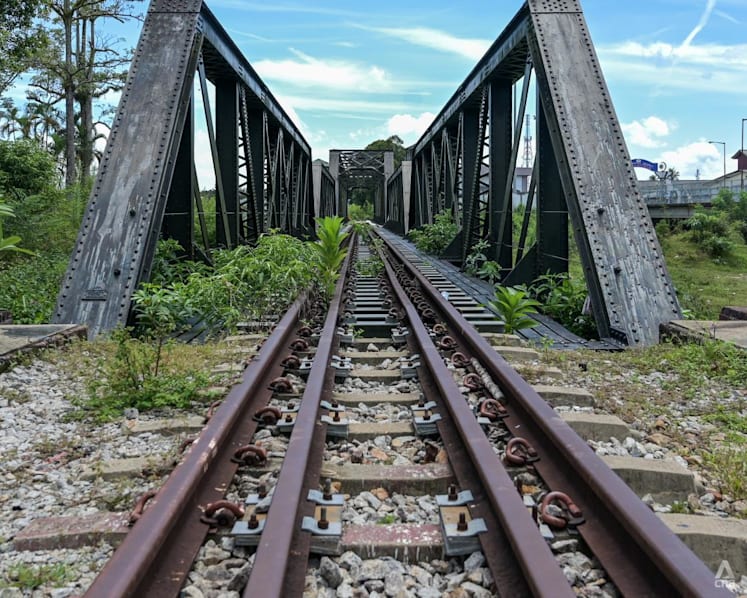
Adjacent to the Muhibbah bridge is a rusting and disused iron railway bridge, remnants of a rail service that used to connect both countries.
The ageing infrastructure was evident when CNA visited the two areas, and some vagrants were sitting on the vehicle bridge and seeking temporary shelter under the railway bridge.
Narathiwat deputy immigration chief Somsak Saengsin said construction of the second vehicle bridge would start by the end of this year, and it would be used exclusively for outbound traffic to Malaysia. The current bridge would be used for inbound traffic to Thailand.
“I also expect the local and national economy to improve once tourists, traders and even investors can travel across the border more conveniently,” he told CNA.
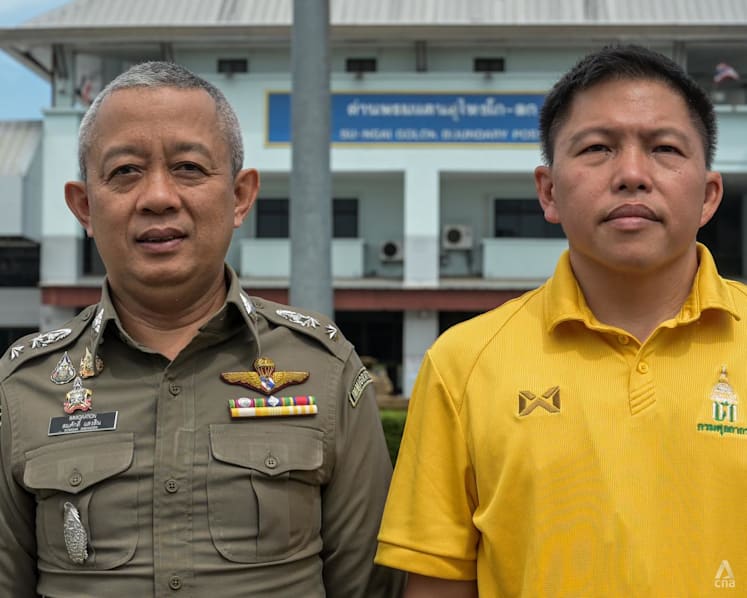
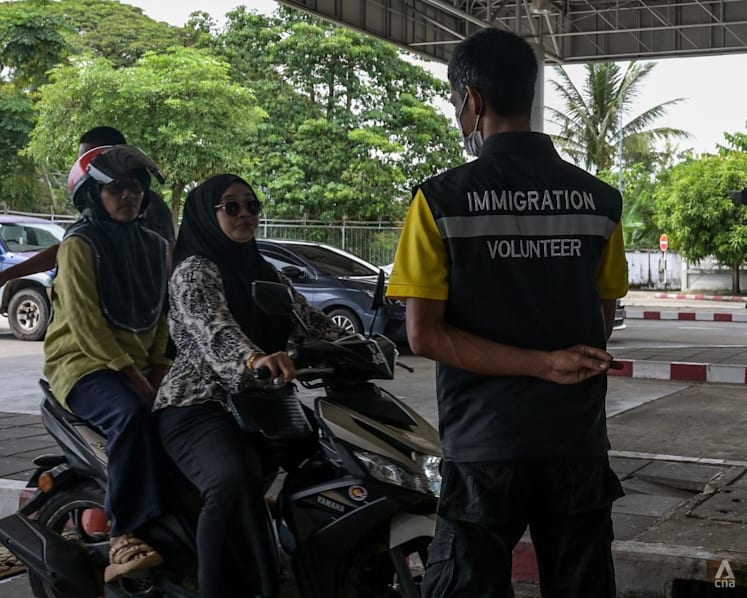
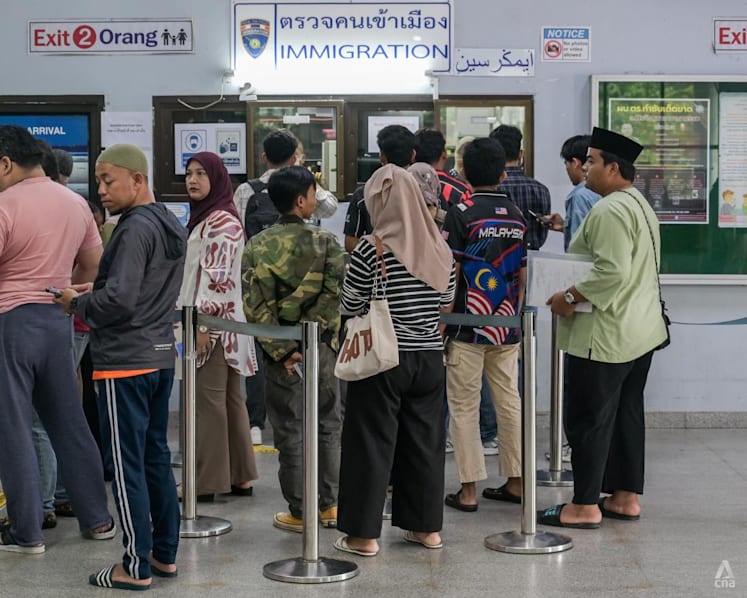
The Rantau Panjang-Sungai Golok checkpoint is the busiest of the three official checkpoints along the Kelantan-Narathiwat border, Somsak said, noting that inbound visitors using the three checkpoints have exceeded pre-pandemic levels and continue to “grow steadily”.
According to official Thai statistics, around 3 million people passed through the Rantau Panjang-Sungai Golok checkpoint in 2024, up from 2.4 million in 2019.
As for goods, Sungai Golok customs director Kachachai Wichaidit said the main commodities entering Thailand from Malaysia were timber, seafood as well as dairy and food products. Going the other way were seafood and vegetables as well as construction materials.
“The new bridge, together with tourism initiatives under the twin-city project, will better support economic travel in this area,” he said.
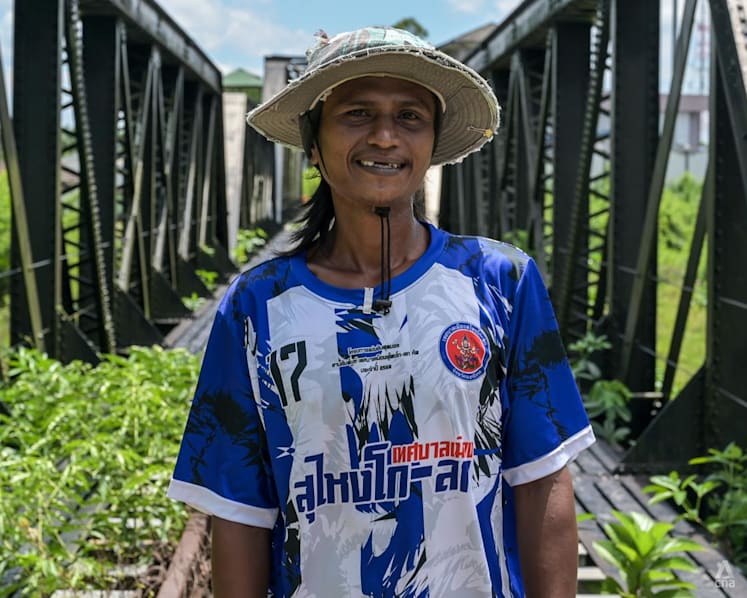
Saidee Ma, a Malaysian who loads goods onto lorries heading either side of the border, said the new bridge will ease congestion especially during the peak days of Friday and Saturday, when many Malaysians cross over.
“The plan for the new bridge looks good,” the 36-year-old told CNA near the railway bridge in Sungai Golok. “The roads will be widened and the surrounding areas will be developed. This will encourage tourism to this town.”
But he raised concerns about how the construction work might affect the residential and commercial areas on either side of the river.
Read the first part of the series here:
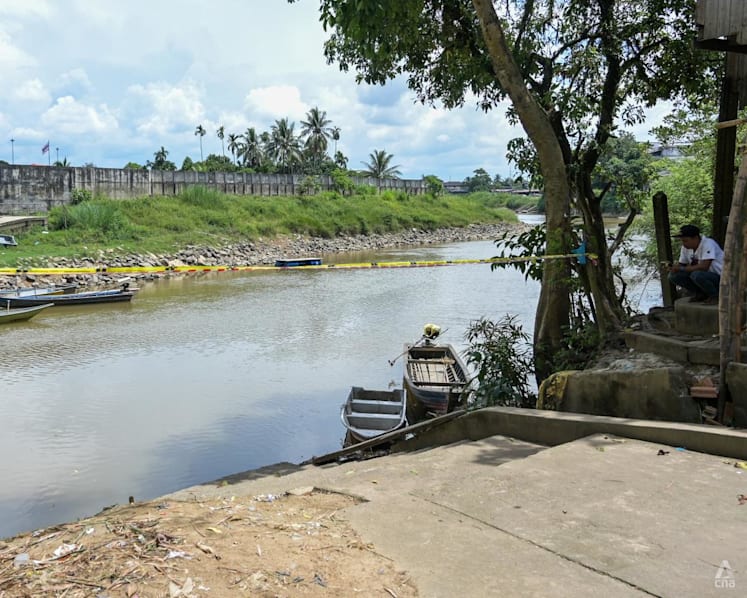
On the Malaysian side of the bridge in Rantau Panjang, vendors at the nearby duty-free zone were less enthusiastic about the project, highlighting they were already struggling with a lack of visitors partly due to tighter enforcement on illegal crossings.
The new bridge will encourage even more people to head straight to Thailand without visiting the shopping area, they told CNA, saying that they were unsure about any plans to revitalise or relocate the area.
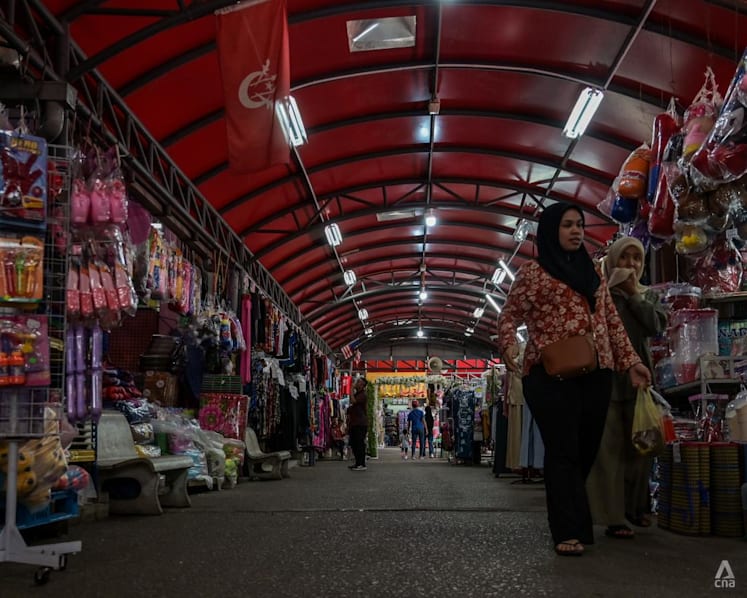
Further east in Pengkalan Kubor, another duty-free zone near the official ferry crossing to Thailand’s Tak Bai, vendors said business there was better as the area was more compact and walkable for tourists.
Nur Hayati Yahangkiakhan, who sells nuts and crackers, supported the idea of a Malaysia-Thailand SEZ in the border regions as it would help local businesses capitalise on cheaper raw products in Thailand, with the higher spending power of Malaysians.
“The ferry service is sufficient, but the boats are a bit old. I just hope they don’t break down as this would make it difficult for people to go back and forth,” the 47-year-old told CNA.
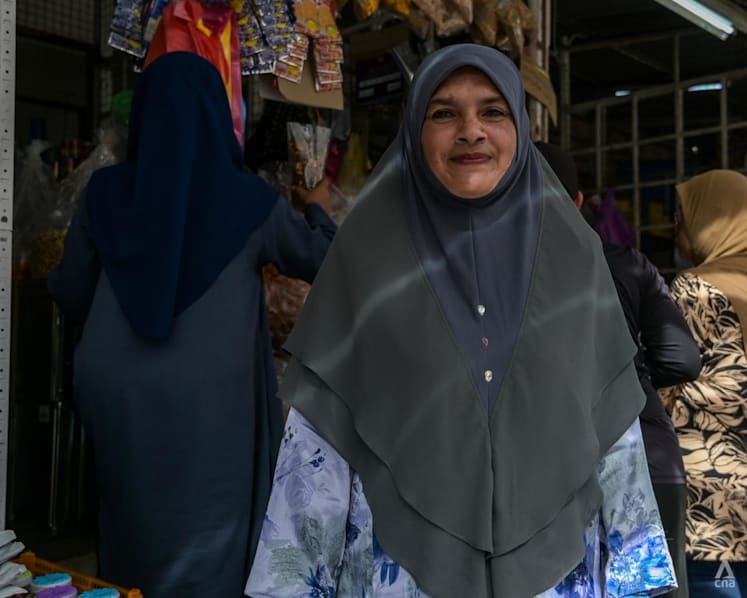
Next door, snacks vendor Rosmaniza Ibrahim, 45, said she was wary of a joint-SEZ as she felt Malaysian businesses would face stiffer “competition” from Thai counterparts that enjoy lower costs.
“Thai products can come into Malaysia, so we can just buy them here,” she said. “Since the borders reopened (after COVID-19), I have not crossed over as there were several bombing incidents. Safety is an issue.”
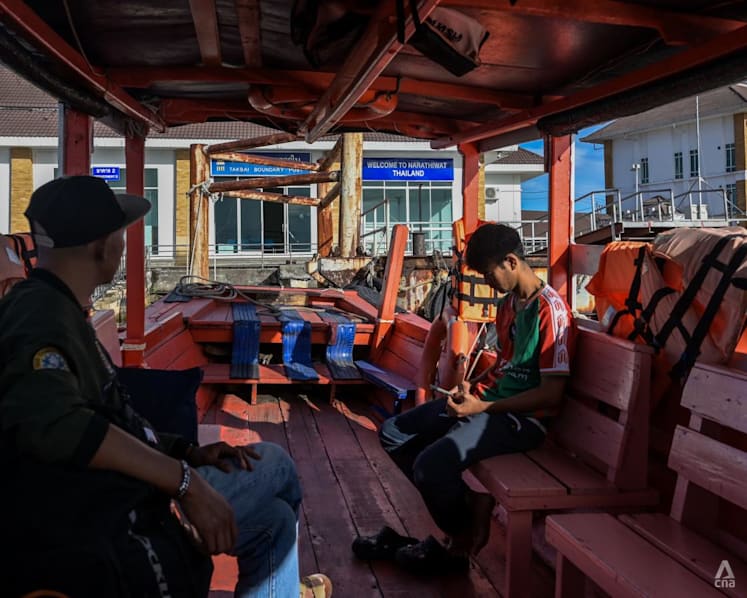
SECURITY INCIDENTS THREATEN JOINT PROJECTS
Narathiwat deputy governor Weerapat Boontrig said bilateral talks are continuing on the construction of a new bridge connecting Pengkalan Kubor to Tak Bai, a proposal that has been raised since 2019.
“The project is currently in the preliminary discussion stage, and the next step will be to determine the direction of cooperation so that both sides can reach a final agreement,” he told CNA.
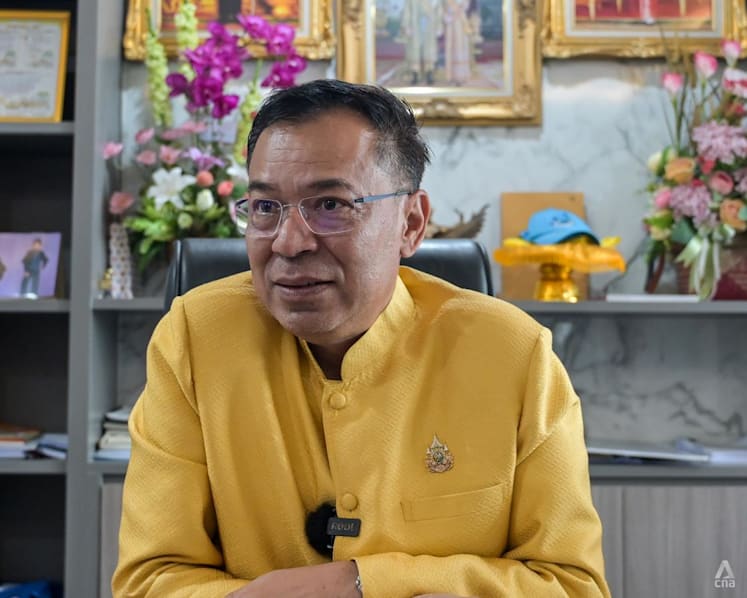
But the turbulent security situation in the southern Thai provinces has, at times, prompted Malaysia to issue travel advisories against visiting the region, scuppering cross-border tourism and trade flow.
In March, the Malaysian foreign ministry urged citizens to postpone non-essential visits to Yala, Pattani and Narathiwat provinces after high-profile bombing and shooting incidents in the latter two left five people dead and 13 injured.
Since that advisory, Malaysian news agency Bernama reported a sharp decline in the movement of people and trade activities, affecting local economies.
“Whenever an incident occurs, authorities step in to handle the situation, and operations proceed as usual. Trade and investment keep moving forward,” Weerapat insisted.
“There may be some minor, short-term impacts, but the situation always recovers quickly because all sectors place great importance on sustaining the economy.”
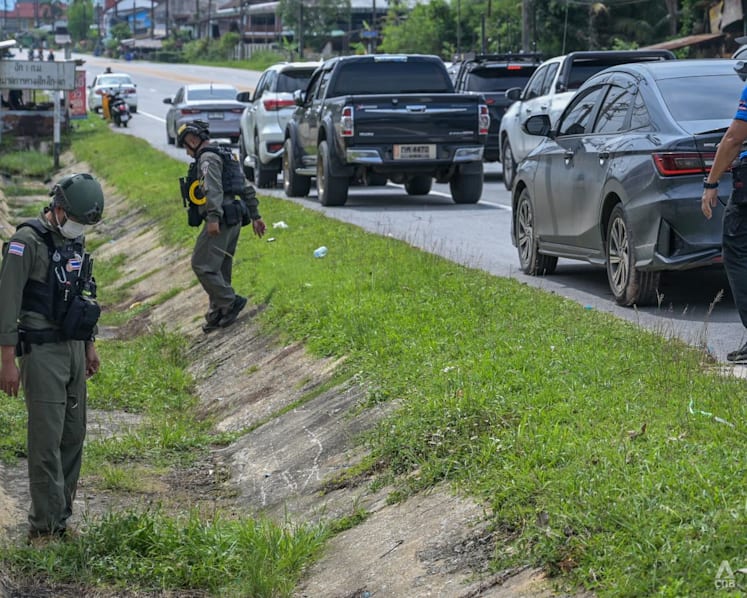
When CNA was in Sungai Golok on Oct 5, several armed men robbed a gold shop inside a Big C supermarket chain outlet near the city centre during operating hours, shooting one man and taking another hostage. Both victims survived.
CCTV footage captured the perpetrators walking in with firearms and breaking display cases in the presence of terrified onlookers.
Thai authorities said the suspects - who took off with 36.5 million baht (US$1.16 million) worth of gold - were linked to known insurgent groups and had fled across the border to Malaysia using one of the numerous illegal crossings along the narrow Golok river.
CNA visited the aftermath of the scene, where forensic investigators continued to comb for evidence even as the Big C outlet was swiftly reopened, as authorities sought to reassure the public and stress it was business as usual.
Somchot Saosri-on from the Narathiwat Chamber of Commerce said local businesses have to “work hard” to revive tourism - through trade fairs and tourism events - when such an incident occurs.
“We’ve seen some improvement in the past few months, but whenever there’s a security scare, the number of visitors drops almost immediately,” he told CNA.
“Whenever a security incident occurs, hotel bookings are cancelled right away. I really hope the government can strengthen security, the economy, and political stability all at once. That's the only way to bring sustainable growth.”
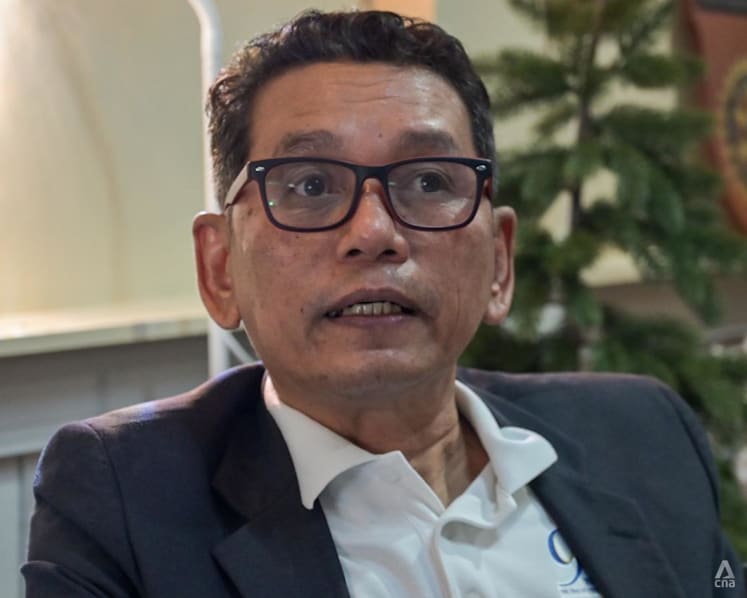
Malaysian visitors usually stay in Narathiwat province for about two days over the weekend, Somchot noted, encouraging them to first explore attractions in the province before continuing their trip to more popular places like Hat Yai.
“However, when there are special events or festivals in Narathiwat, they tend to come during those times as well,” he said.
“We’ve been encouraging the provincial authorities and the commerce office to organise more events and fairs, so that Malaysian visitors can come and explore Thai products. The response so far has been quite positive.”
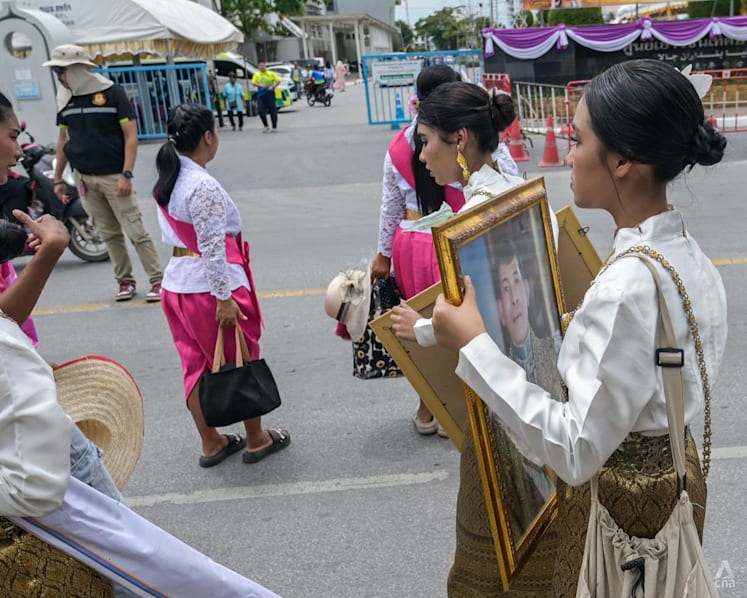
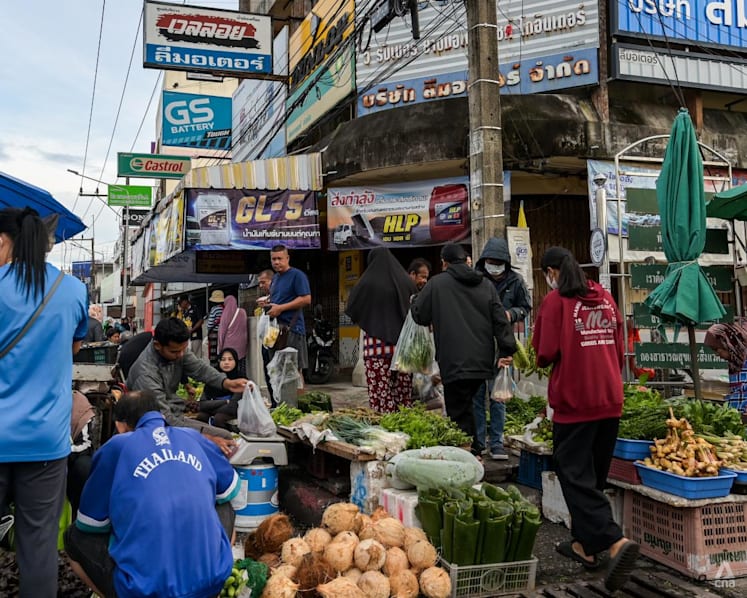
Somchot said two decades ago, before violence in Thailand’s deep south spiked, Sungai Golok was known for its hospitality and vibrant food scene as hotels and other accommodation were always fully booked. But security incidents have caused tourism to drop by as much as 80 per cent, he said, citing local businesses.
“As citizens and business operators, we are ready to invest, but without confidence, investment simply cannot happen,” he added.
“Especially now, with the world changing rapidly through social media and digital platforms. For now, survival is the priority.”
MALAYSIA MEDIATING SOUTHERN THAILAND CONFLICT
SBPAC’s Piyasiri said both Malaysia and Thailand can establish a task force to discuss and plan projects to be executed “as soon as possible”.
“In terms of security, both countries agreed to shift the focus of conflict areas in Thailand’s southern border provinces to trade and commerce through cooperation with Malaysia’s northern provinces,” he said.
“This should serve as the main tool not just in solving the conflict in the southern border provinces but also in development for the people of both countries in the future.”
While Piyasiri acknowledged Malaysia was not directly related to the conflict in southern Thailand, he claimed that those responsible for the conflict have used Malaysia to “hide out or plan movements”.
“Therefore, solving Thailand’s southern border conflict and developing the area requires the support of Malaysia in mediating between Thai state officials and conflict instigators,” he said.
“Thailand, as Malaysia’s neighbour, is ready to support and help with cooperation in various fields, such as economics, social, education, culture, information technology, crime and narcotics prevention and suppression, and the environment,” he added.
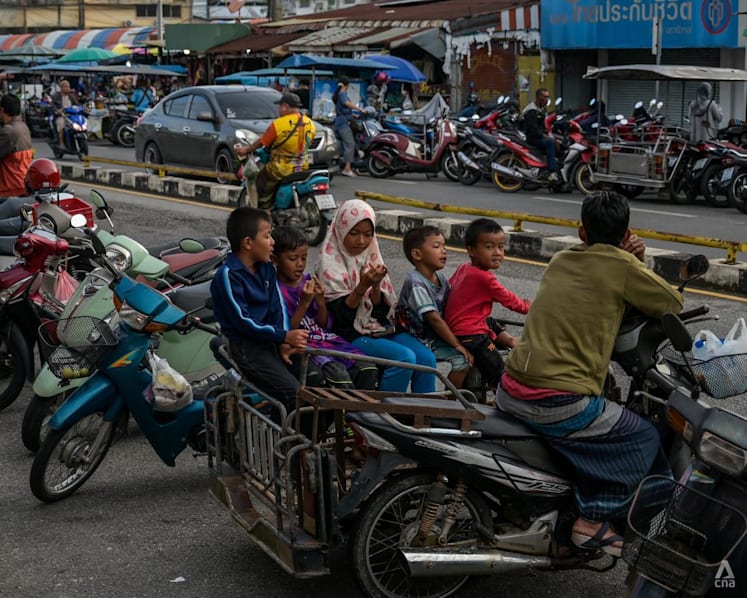
Malaysia has consistently facilitated peace talks between Thai authorities and representatives of insurgent groups fighting for separatist or sociopolitical causes, but with little success. The latest meeting was held in Kuala Lumpur on Dec 8.
“The meeting was conducted in a harmonious atmosphere, with both parties demonstrating a high level of commitment to strengthening the existing peace framework,” read a statement from Malaysia’s National Security Council.
On its part, Piyasiri said SBPAC is working with the private sector to improve land, sea and rail links around the Tepa city project on Songkhla province’s east coast.
The Tepa inland port, located on a main highway that connects Hat Yai and Pattani, aims to better link the southern provinces of Songkhla, Yala, Pattani and Narathiwat to Malaysia and the rest of the world.
Improved transportation links will also allow goods shipped via the Gulf of Thailand to be moved by land to the Durian Burung checkpoint in Malaysia’s Kedah state, Piyasiri said, turning the area into a “distribution hub”.
“Talks with logistics operators in Tepa found that they are looking to increase their workforce to support their expansion,” he added.
“If the government works on driving this project, it will mean greater employment for people in the area, which will steer locals away from illegal activities.”
COOPERATION SHOULD MOVE BEYOND COMMODITIES
But to achieve the US$30 billion bilateral trade target by 2027, an expert said Malaysia and Thailand must broaden beyond commodities into services, green technology and digital trade.
Hazmi Rusli from Universiti Sains Islam Malaysia said both governments should deliver existing border improvement projects to “unlock throughput”, and pull in private capital and start-ups through “predictable, transparent incentives and streamlined border procedures”.
“Since the target was announced in December 2024, Thailand has seen leadership changes,” he said.
“The bilateral relationship is resilient, but such transitions can slow decisions on complex, capital-intensive joint projects until Cabinet priorities settle.”
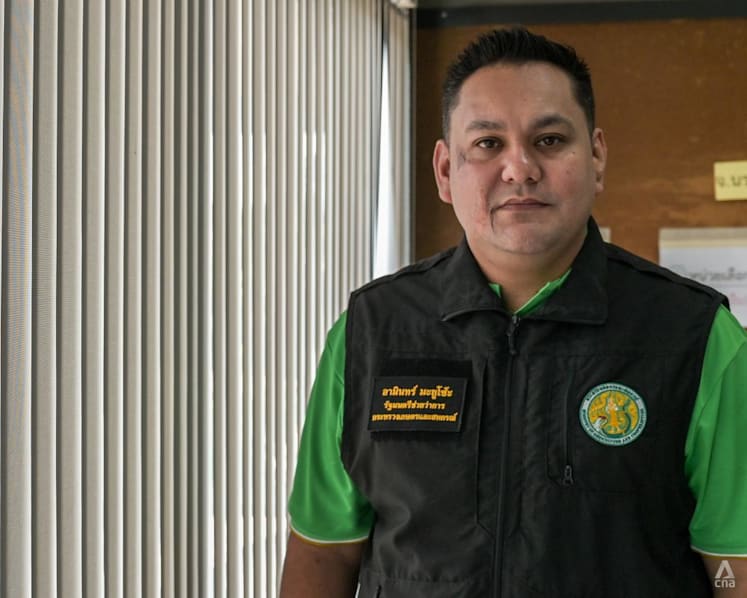
Amin Mat Yusof, Member of Parliament for Sungai Golok and a deputy minister of agriculture in Anutin’s Cabinet, said the premier wanted to ensure both political and security stability.
“But during interviews he (Anutin) has maintained that four months is a really short time (before the next general election is called),” Amin told CNA before the polls were called.
“So, our target is to improve the Thai economy, especially in agricultural products like fruits, rubber, durians and palm oil.”
Thailand is working hard to enforce against illegal agricultural products coming from other neighbouring countries to protect its local industries and trade with Malaysia, Amin said, adding that the two governments should explore new trade deals on products like rice to ensure a win-win solution instead of forcing locals to resort to smuggling.
“PM Anutin places great emphasis on collaborating with neighbouring countries, especially Malaysia,” he added.
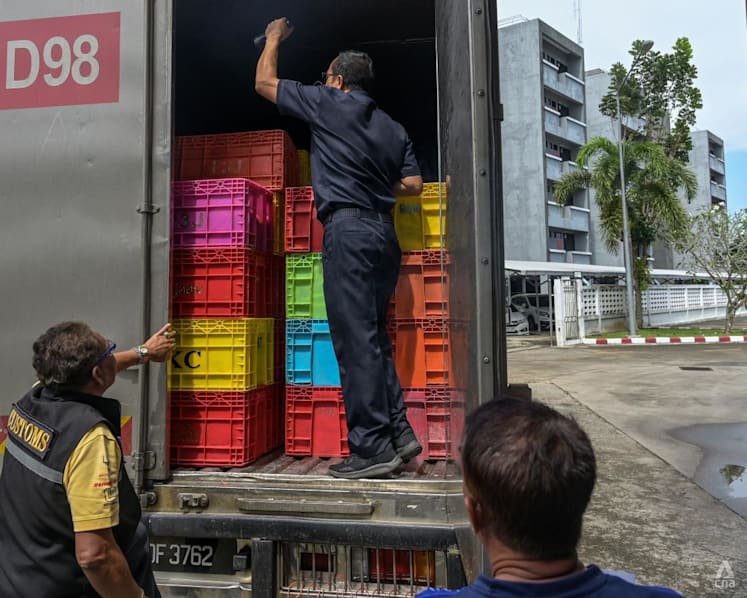
Wattarapong Lertkhunakorn, a Thai timber trader who sources raw materials from Malaysia, called for more transportation links between the two countries, noting that the only realistic option for his products currently was the existing Rantau Panjang-Sungai Golok bridge.
While he welcomed plans to expand the bridge, he urged the Thai side to also add more customs facilities and hoped positive talks on reviving the adjacent railway link would eventually bear fruit.
“Thai railway officials have provided information that they are ready to reopen the link to Sungai Golok and Malaysia, but the Malaysia side said that their part of the railway has been unused and abandoned,” he said.
“If they have to reopen it, they will need to use a lot of funding to do renovations and other things. So, I’m not really sure if this is going to happen soon or not. But luckily, we have the ECRL.”
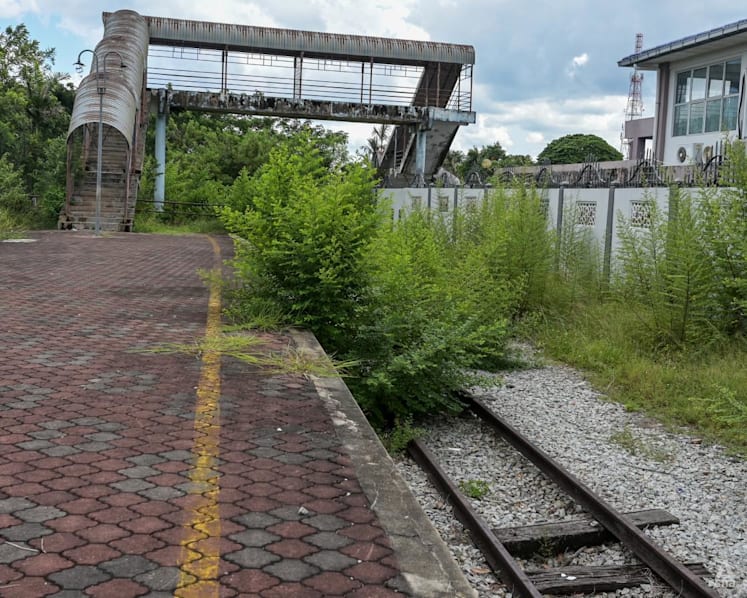
Malaysia’s Transport Minister Anthony Loke told parliament in August that the Thai government had given a “positive” response to a potential ECRL connection, and that both countries were working on a cross-border transport memorandum of understanding to realise this ambition.
“The second thing that needs to be looked at is whether the connection would use the infrastructure of ECRL or (Malaysia national rail operator) KTMB,” he said, adding that officials have visited Rantau Panjang to study the existing track, bridge and station.
“This is important for the government to gauge the cost of this development.”
Any potential ECRL extension to Thailand would also first need to consider the project’s extension from its original eastern terminus in Kota Bharu to Rantau Panjang, which Anwar said in September was at the “discussion stage”.
In the bigger picture, Wattarapong - who is also vice-president of the Narathiwat Chamber of Commerce - pointed to the unstable security situation as a major challenge to investment in the southern provinces.
“We are trying to convince a lot of bigger companies in Thailand - like the sugar and rubber companies - to come here, but they are concerned about the unstable situation in Narathiwat,” he said.
“Even if we offer a lot of tax and loan incentives … it doesn’t matter. If they put down 300 million baht (to set up a factory), and someone burnt it down or bombed it, they will (lose) 100 per cent.”
Referring to the recent security incidents in Sungai Golok, Wattarapong said local businesses have to consistently start over, while locals were steadily moving out of their hometowns to cities perceived as safer.
“The robbery in Big C (sparked) a lot of bad feedback from Malaysia. They love Big C; they love Thai food, but … no one can protect us,” he added.
“The people in the town feel like we are fighting alone.”