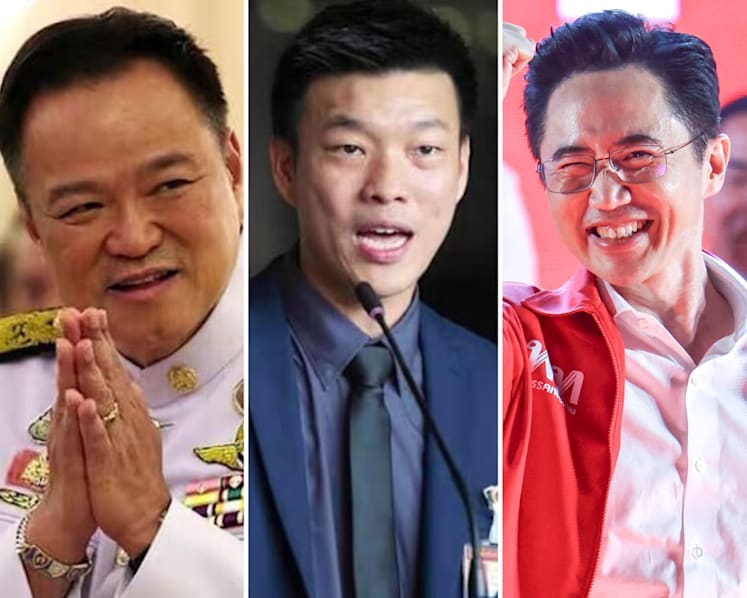
Thailand Election 2026: Major parties make final push in Bangkok as Feb 8 vote looms
The three major parties hoping to lead Thailand’s next government made their final pitches to large crowds of supporters in Bangkok on Friday (Feb 6), as the country prepares to head to the polls this weekend.
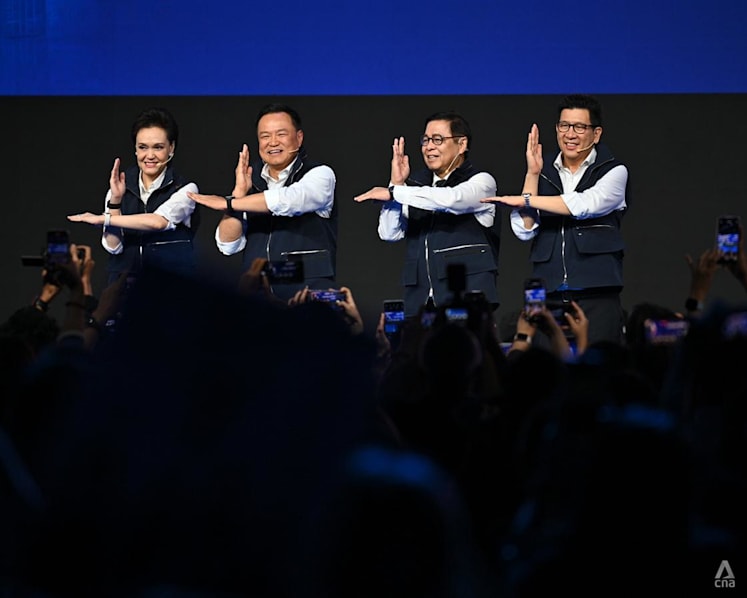
Prime Minister Anutin Charnvirakul (second from left) with other Bhumjaithai Party leaders at its final election rally in Bangkok on Feb 6, 2026. (Photo: CNA/Zamzahuri Abas)

This audio is generated by an AI tool.



BANGKOK: The Thai capital was packed with large crowds of blue, orange and red on Friday (Feb 6), converging to hear from prime-ministerial hopefuls and other leading party figures as major parties eyeing a weekend election victory made their final pitch to supporters and undecided voters.
Sunday’s general election is shaping up as a three-way contest between Prime Minister Anutin Charnvirakul’s Bhumjaithai Party, the progressive People’s Party, and the Shinawatra family machine, Pheu Thai.
Forming a majority government looms as difficult for all three main contenders, depending on their final seat counts, with experts expecting lengthy coalition negotiations in the aftermath of the vote.
The political atmosphere has been dominated by domestic economic issues, populist promises and rising levels of nationalism driven by the border conflict with Cambodia.





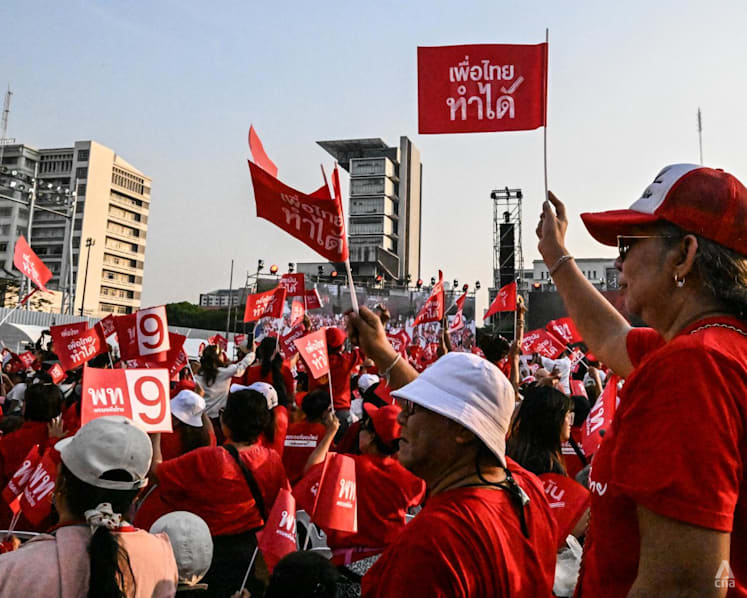
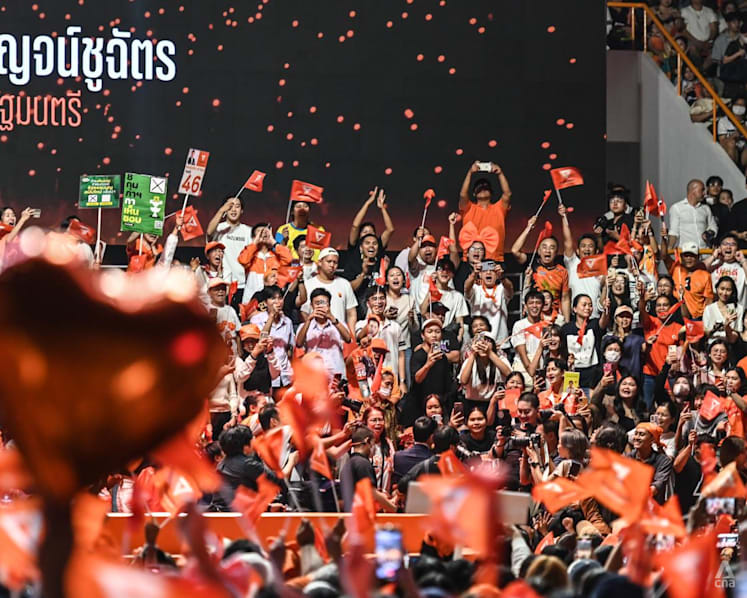
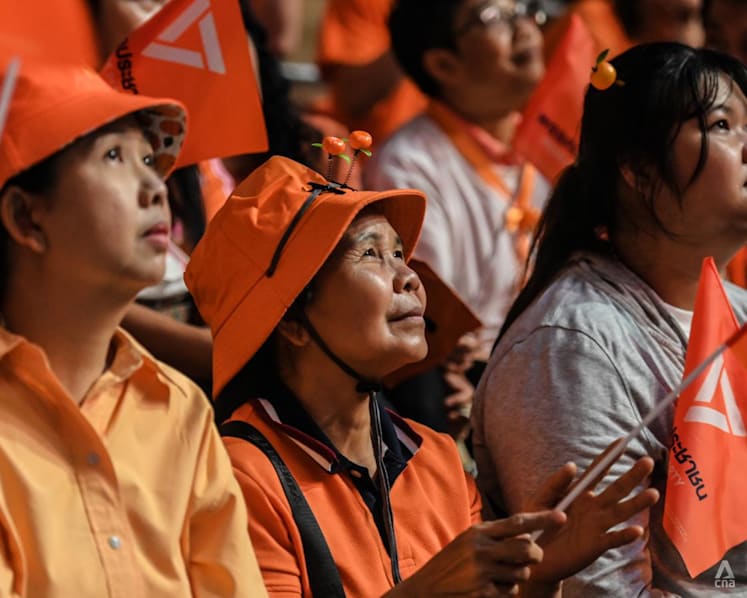
Enthusiasm for a potential election victory was high at the People’s Party rally at the Thai-Japanese Bangkok Youth Centre, with thousands attending to hear a raft of speakers.
In an atmosphere more akin to a traditional Muay Thai fight, with a large crowd banked around the party’s leaders, they laid out plans for a more optimistic and equitable future for all Thais.
The party sold a range of merchandise, including baseball caps emblazoned with “People” and T-shirts depicting the party’s leaders as characters from the film The Matrix, suggesting supporters choose either an orange or blue pill, a reference to a key theme from the classic sci-fi epic.
In his speech, party leader Natthaphong Ruengpanyawut focused on key issues like fixing the economy, fighting corruption and amending the constitution.
He said the party would target 20 million votes, after gaining just over 14 million in 2023.
He also paid tribute to leading party figures that had come before him over the years - all disqualified from politics - including former leaders Pita Limjaroenrat and Thanathorn Juangroongruangkit, who were both in attendance to deliver addresses earlier in the evening.
“Everyone, at every rally I feel quite shy when people call me “Prime Minister Teng”. It’s not that I’m not ready to be prime minister; rather, the confidence that everyone has given me today is something I could never have built on my own,” he said, using his nickname.
“I would like to ask everyone to give their support and encouragement to the party’s former founders and executive committee members who have been stripped of their political rights.”
The People's Party, now in its third iteration after previous ones were disqualified for breaking election rules and because reform promises were deemed unconstitutional, has established itself as a dominant force in attracting young and urban voters.
Its predecessor, the Move Forward Party, won all but one seat in Bangkok during the 2023 election - 32 out of 33 constituencies - on its way to winning the national vote. But in the aftermath, the party ended up forming a large opposition bloc, as others joined forces to create a governing coalition.
The party has entered this election period as a more moderate force in “mood and tone”, deputy leader Sirikanya Tansakun told CNA in an interview last month.
It has matured during its years in opposition and has been pushing to broaden its base beyond young people and urban residents, she said.
It has softened its stance on reforming the royal insult law or lese majeste, according to party leaders, and on the role of the military in national affairs, while trying to maintain its DNA as reformist and progressive.
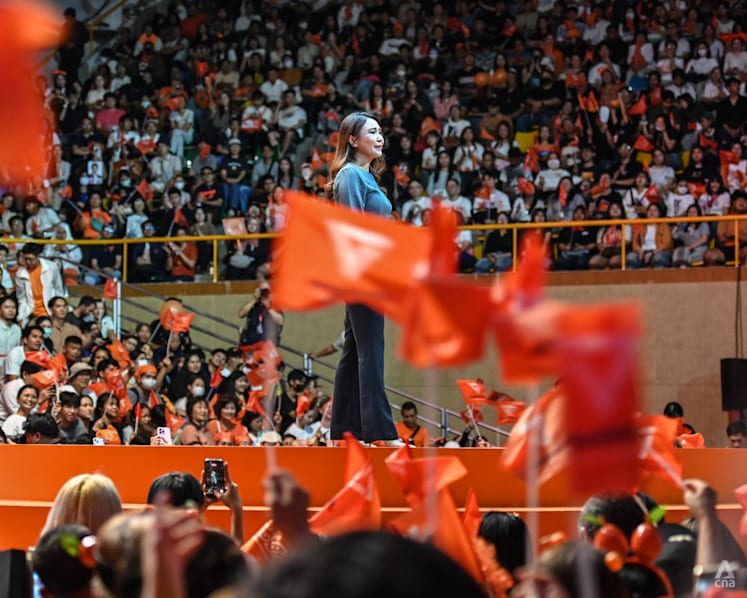
For Nantana Wangsai, a 70-year-old retiree, she said talking less about controversial topics would encourage more Thais like her to believe in the party.
It was her first time coming to listen to the party’s leadership but said she was encouraged by policies focused on improving the country’s education system, for example.
“I don’t know much about Teng, but I still trust this party, so I trust him,” she told CNA at the Thai-Japanese Bangkok Youth Centre on Friday.
“We just hope they can win in a landslide,” she said, noting that the party had not been able to lead the government despite winning the 2023 vote and potentially could face a similar situation this time.
Runglapee Jaroenpol, 56, brought her autistic son to attend the rally. She said the party’s focus on caring for all Thais, including those with a disability, was a reason she would vote for them.
“I’m very happy that disability is on the agenda. They seem like a party full of professionals,” she said.
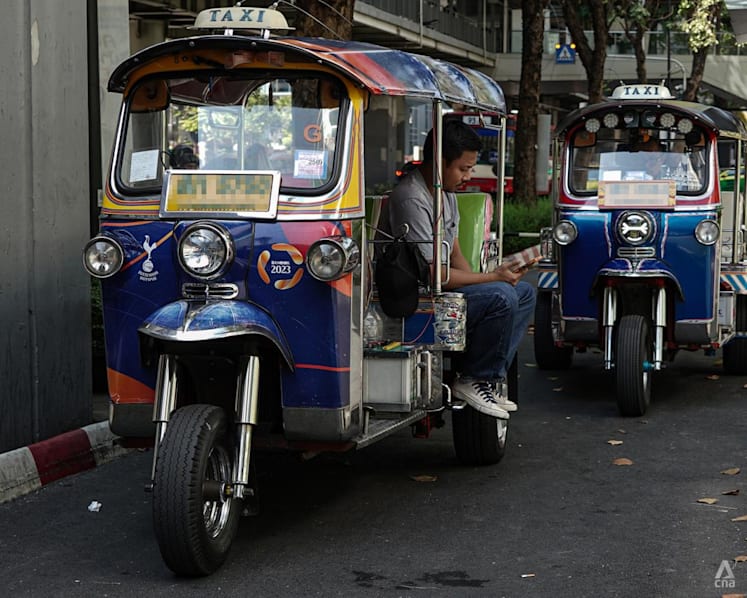
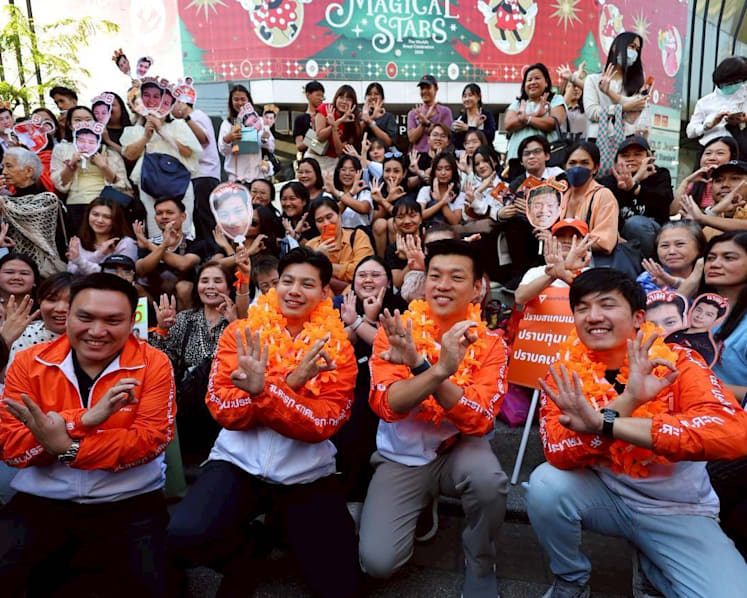
BHUMJAITHAI SUPPORTERS HOPE FOR “FORMIDABLE” PACT
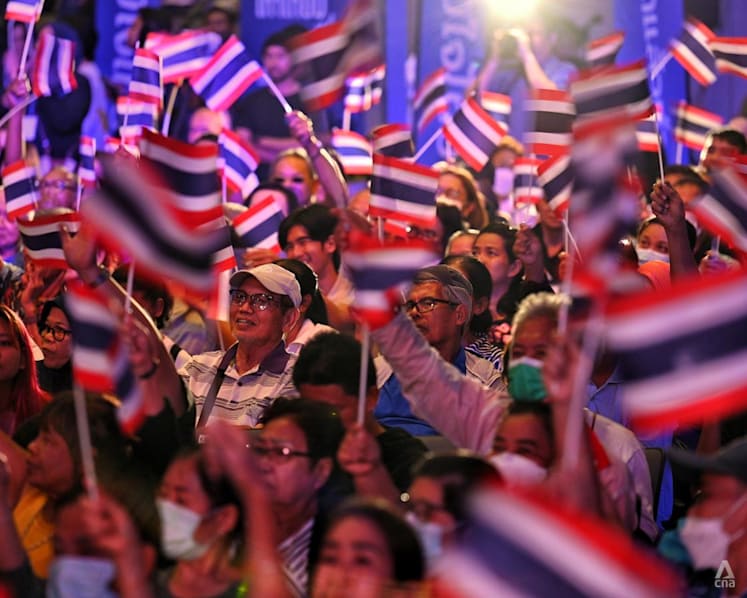
Over at the Queen Sirikit National Convention Centre, supporters for the Bhumjaithai party gathered from around 4pm, most of them clad in dark blue.
Some posed for photographs at booths while carrying placards and flags, as loud upbeat party tunes played over the speakers.
Hundreds of them stood at the ballroom, eagerly anticipating the final campaign speech by Anutin.
Among them was Bangkok-based doctor Napassorn Eiamcharoen who said that she was buoyed by how much the party’s profile has grown among Thais over the last three months, even in urban areas and the deep south, which has traditionally not been its base.
“Just a few years ago, this party was not looking that good, but now, I think they’ve attracted quality and qualified candidates who campaign on strong policy and transparency,” said the 32-year-old.
“Anutin has built the party’s base from scratch and it is now very strong. I think we are the future of Thailand,” she added.
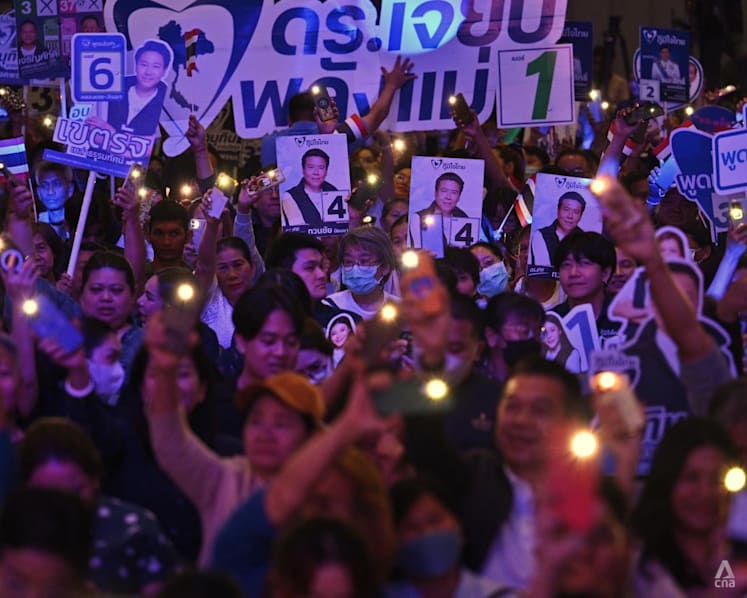
Key Bhumjaithai leaders entered the hall before their respective speeches to loud rock music, mobbed by supporters as they walked down the aisle.
Alongside Anutin was Sihasak Phuangketkeow — a key leader in the party who is also caretaker foreign minister and a veteran diplomat.
Also present were other leaders Suphajee Suthumpun who is caretaker commerce minister and Ekniti Nitithanprapas, who serves as deputy prime minister and finance minister in Anutin's caretaker Cabinet.
In his 40-minute speech, Anutin said he has served as an interim caretaker premier for the past four months but stressed that he was now ready to lead the government for a full four-year term.
“After an election, the government needs … a leader who can coordinate with all parties.
“(Thailand needs) leaders who have a lot of friends and not enemies, and must bring the confidence among the state agencies to work together smoothly and bring reliability to the global community,” he added.
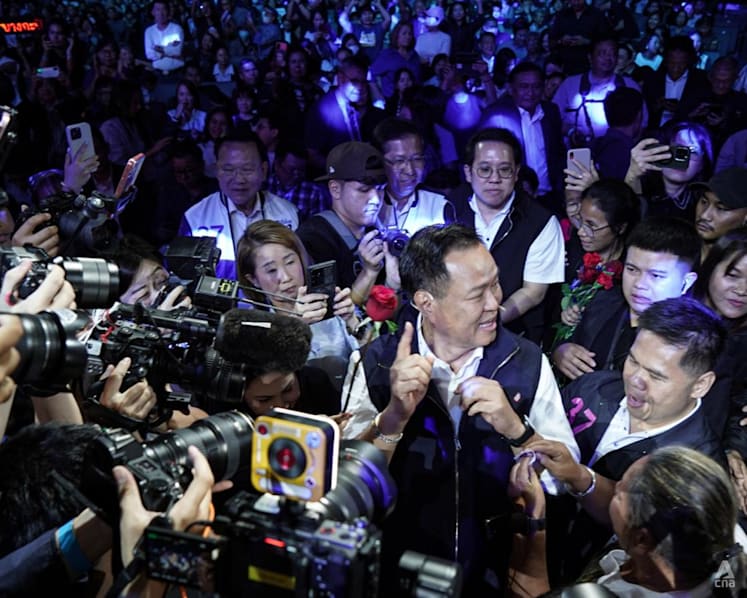
Anutin also took aim at the policies of Bhumjaithai’s rivals, claiming that their fiscal policies are not pragmatic and that some of the leaders are inexperienced in government.
“Populist policy is not the answer to the current situation, the parties who hand out money will bring negative impact in the long term,” said Anutin.
“Governing Thailand is not an experiment for rookies, so would you leave the country’s future in the hands of professionals or rookies?” he added.
Anutin became premier in September last year following the disqualification of then-prime minister Paetongtarn Shinawatra amid an ethics violation scandal. After her ousting, he cobbled together support from opposition and coalition partners to form a majority bloc in parliament.
Bhumjaithai is a mid-sized regional party which has historically never been a dominant force in Thai politics. However analysts said that for the upcoming polls, the conservative, nationalist party could have a much larger electoral footprint.
When asked what she hoped for ahead of Sunday’s polling day, Napassorn told CNA that she acknowledged that it would be unlikely for Bhumjaithai party to form the government by itself, but she expressed hope that they would garner enough seats to form a “formidable” coalition.
“I hope we don’t have to ally with the orange party - People’s Party because they are trying hard to influence and educate the next generation to be violent and protest in the streets, that’s not a practical way to behave,” she added.
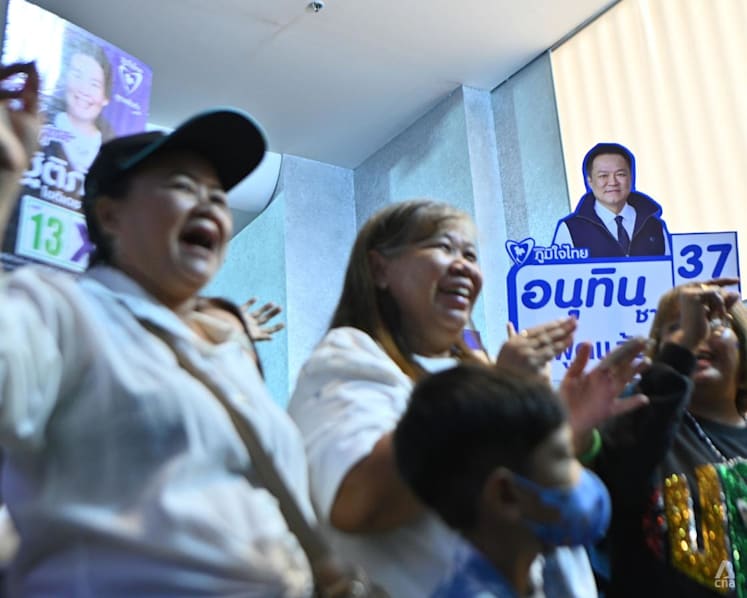
Analysts said that Bhumjaithai’s popularity stems from simple, tangible policies, strong provincial networks, and pragmatic politics at a time when many Thai voters are exhausted by instability and ideological battles.
Also present at Friday’s rally was 29-year-old businessman Varit Torthienchai. He told CNA that he feels that in Anutin’s short stint as prime minister, he has shown that he is capable of pushing through policies that would benefit the Thai people.
“In just three months, we see so much difference.. Some of the other parties … promise a lot during the course of the campaign, but they have shown that they don’t actually deliver. I think our party president has shown he is capable of delivering,” said Varit.
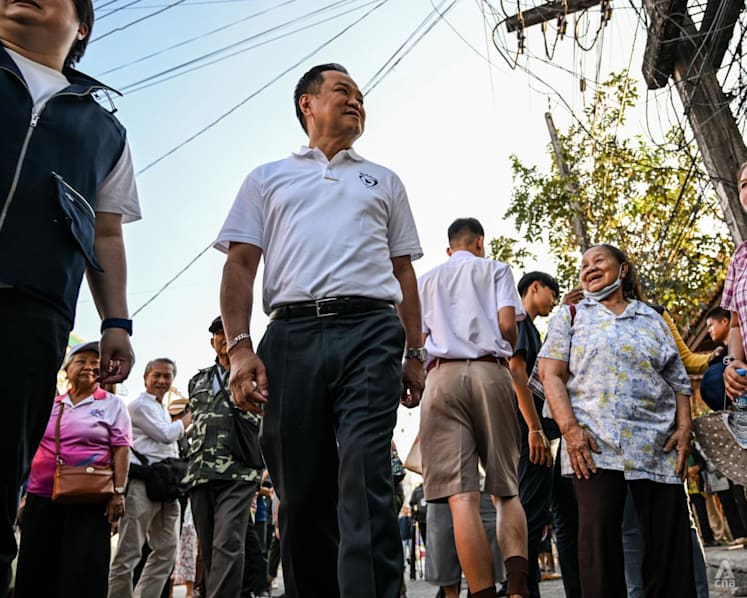
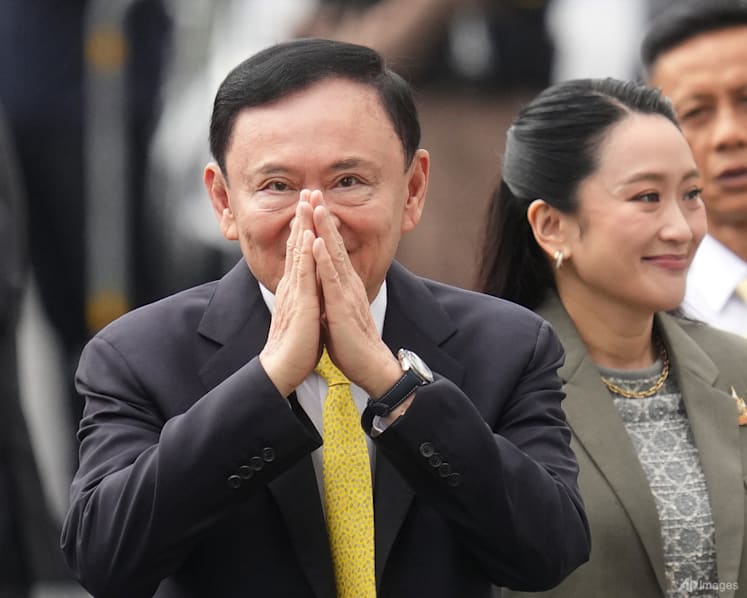
LOUD CHEERS FOR PHEU THAI’S “AJARN CHAIN”
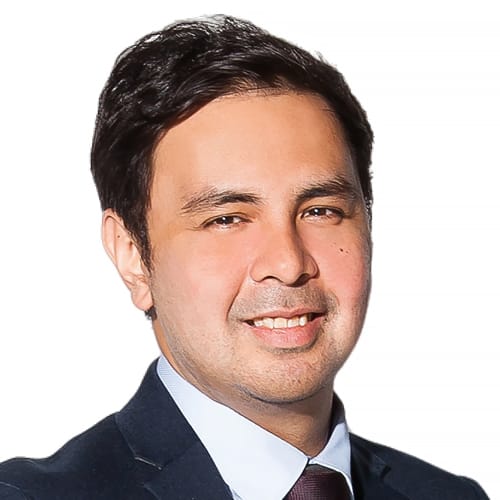
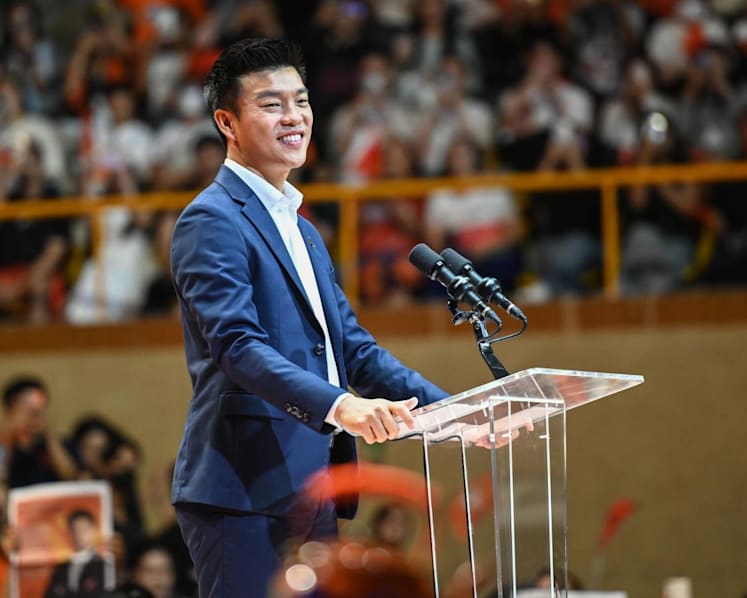
Pheu Thai Party’s candidate for prime minister Yodchanan Wongsawat arrived in everyday style to the rally, using Bangkok’s BTS skytrain before being swamped by his supporters at Thephasadin Stadium as the sun set.
A noticeably older crowd gave enthusiastic energy to their new leader, a career academic and scientist thrust into the brightest spotlight, as the head of a movement that has dominated Thai politics for close to three decades.
They cheered loudly for “Ajarn Chain”, the Thai word for professor and Yodchanan's nickname.
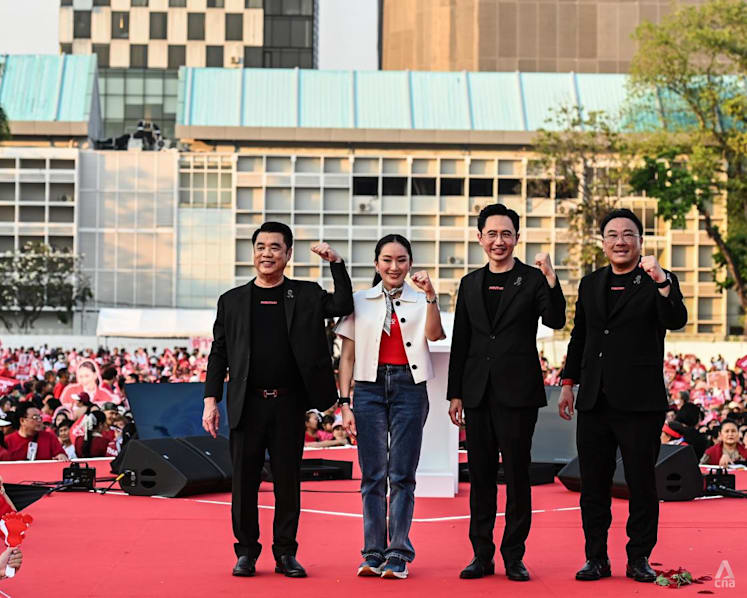
In his short 15-minute speech, Yodchanan pledged that he would reduce inequity in the country and ensure access to medicine and education is given to all if he is elected as prime minister.
He also drew anecdotes from his campaign across the country where he said people reached out to him, saying that Pheu Thai was the “last hope” for them.
“If I get another chance, I’m ready to work with all my heart to bring about a better life for Thai people. I am ready to make their hopes and dreams into reality.”
The 46-year-old has only run as a candidate previously once, back in the 2014 election but he has deep connections to the Shinawatra dynasty.
The Wongsawat family has sat at the centre of the Shinawatra political network for more than two decades, with various members holding senior party roles at different times. Yodchanan is also the son of former prime minister Somchai Wongsawat.
Yodchanan was joined on stage by former prime minister Paetongtarn Shinawatra, who still enjoyed the adoration of the crowd, despite her disqualification from office by the country’s Constitutional Court due to an ethics violation related to the Cambodia border conflict.
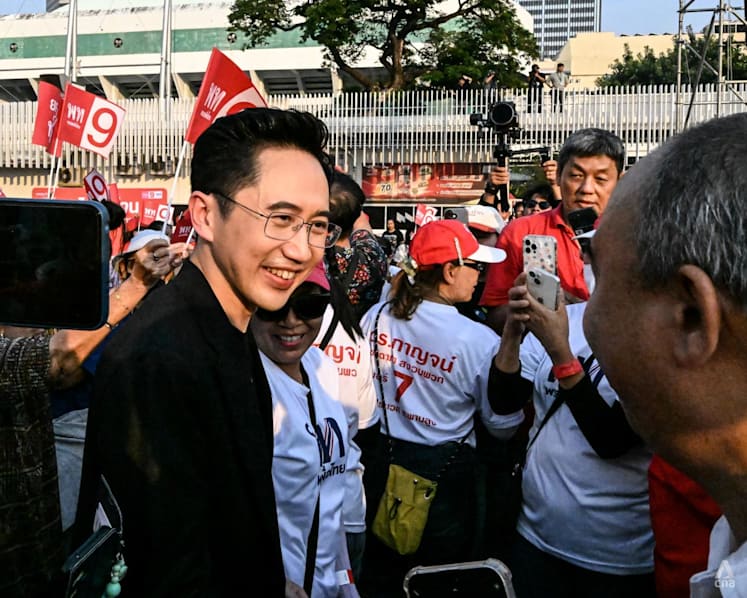
Analysts told CNA that Pheu Thai has been notably focusing its resources on its northern stronghold, including cities like Chiang Mai and Chiang Rai. But there are doubts whether the movement still has the broad appeal to be a true national force.
With Thaksin imprisoned over past convictions, his sister Yingluck still in exile after the 2014 military coup, and his daughter Paetongtarn now sidelined, the family’s political influence appears to be waning again.
Somchai Srisutthiyakorn, Thailand’s former election commissioner, said past missteps by the previous administration and rising nationalist sentiment have weakened Pheu Thai’s prospects of forming a government this time.
“This time, Pheu Thai will not win. It won in the past because it had the backing of a large network of older politicians and local power families who influence constituencies in many areas,” he said.
“But now the thinking has changed. Many political actors jumped to affiliate with Bhumjaithai. Therefore the legitimacy or outcome of the upcoming election will not necessarily follow the old pattern.”
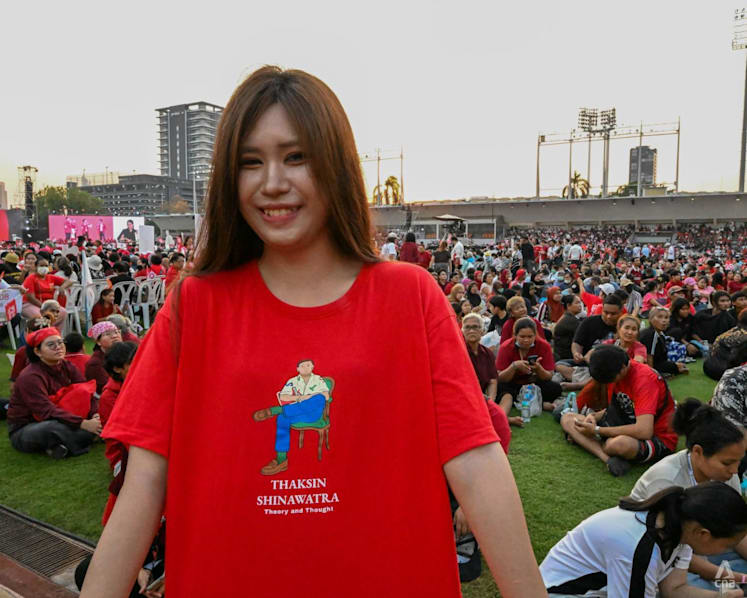
But the party’s supporters on Friday were more optimistic.
Kittima Pechsawang, a 24-year-old student, had supported the orange progressive movement in the previous election, but said their difficult-to-pass policies had changed her mind.
“I really trust him,” she said of Yodchanan.
“He’s very kind and also represents a new generation for the party even though he’s related to the Shinawatras”.
Pheu Thai’s policies like cheaper public transport for Bangkok residents was another reason she had shifted her support.
Sai Sawatwangkruang has been a stalwart voter for Shinawatra-aligned parties, dating back to the early 2000s, when the party was known as Thai Rak Thai and was led by Thaskin as prime minister.
“I still believe in them. We are ready for a new face for the party. But he (Yodchanan) is a Shinawatra and all around him he has many experts from the family, including several prime ministers who can advise him,” the 75-year-old said.
“And even if my family votes orange, I don’t care.”
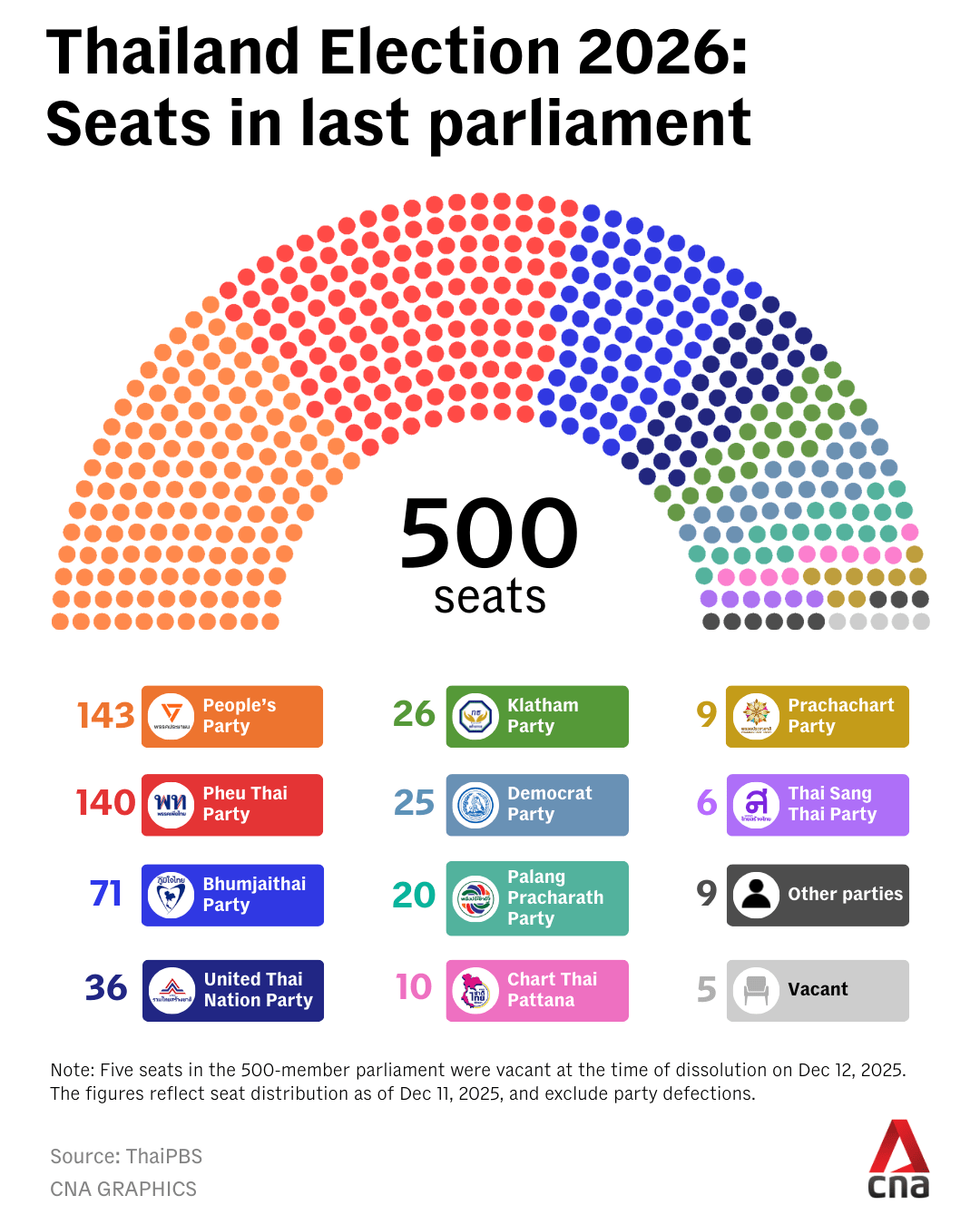
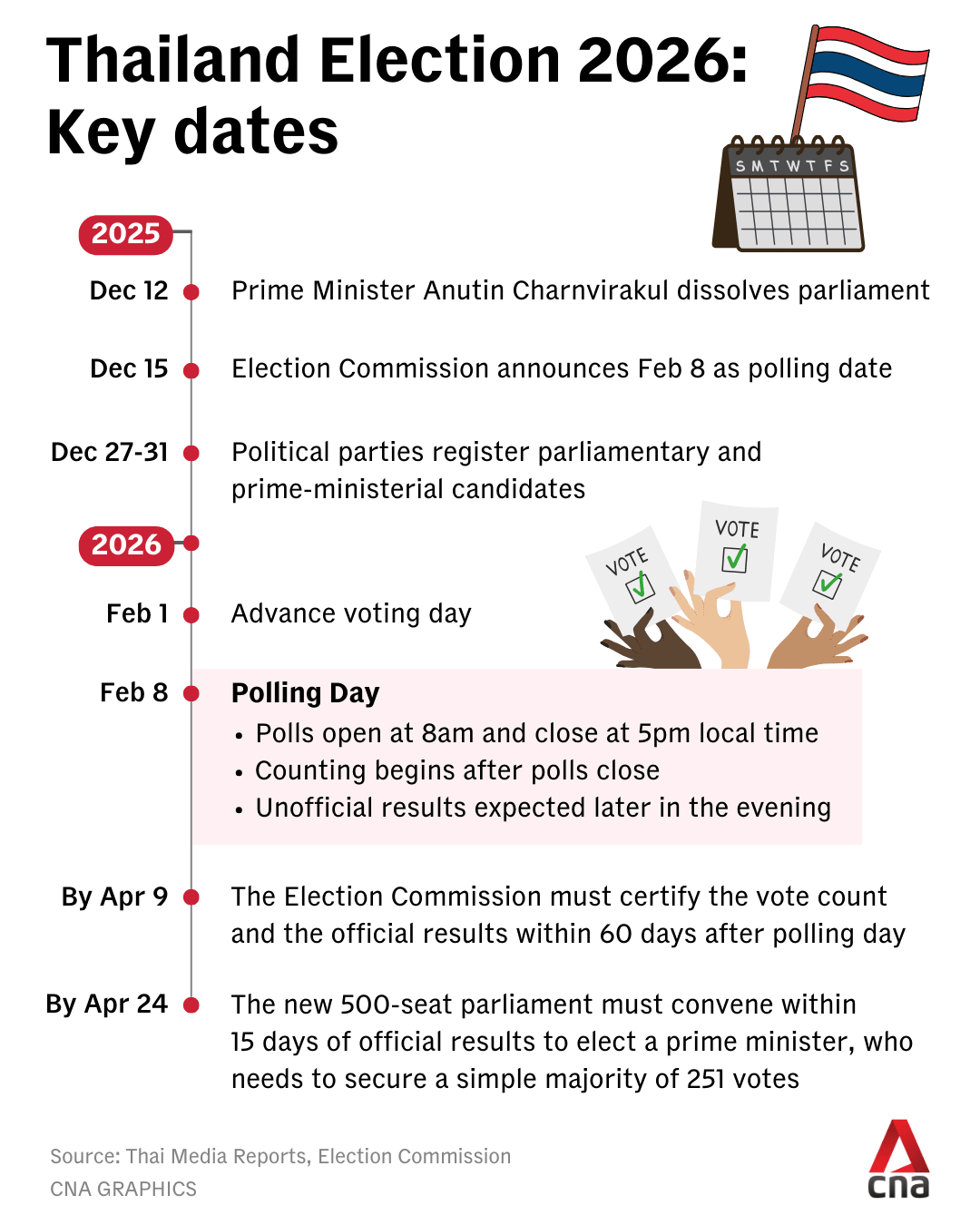
Any party that wants to form a majority government needs to secure 250 of the 500 seats in parliament.
A nationwide opinion poll conducted by Suan Dusit University, conducted from Jan 16 to Jan 28 and released last week, has the reformist People’s Party comfortably ahead of its rivals.
The poll also saw People’s Party leader Natthaphong as a favourite for prime minister. He led the survey on 35.1 per cent, compared to Pheu Thai's Yodchanan on 21.5 per cent and Anutin on 16.1 per cent.
Anutin dissolved parliament on Dec 12 amid a looming no-confidence vote led by the People’s Party, sending voters back to the ballot box less than three years after the 2023 general election.