Heavily reliant on gas for decades, Thailand now finds it no longer cheap nor clean
Thailand’s dependence on gas is coming under renewed scrutiny as rising costs and global disruptions expose economic and environmental risks embedded in its power system.
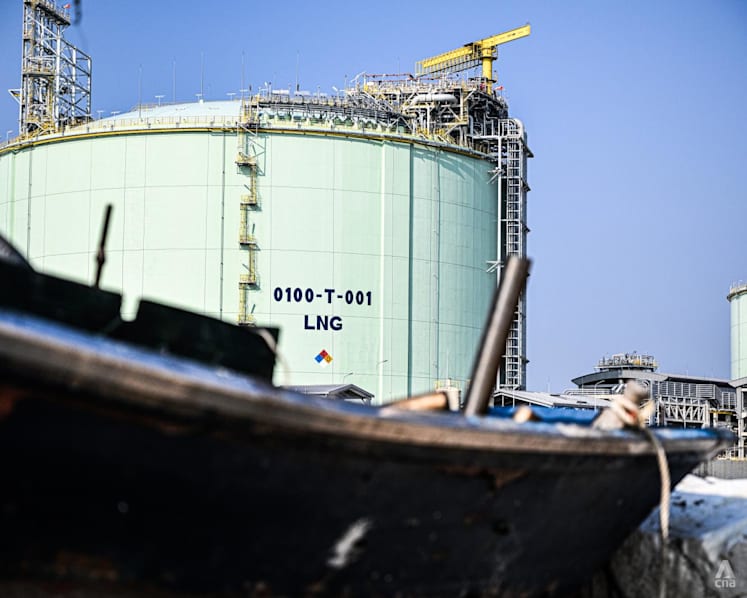
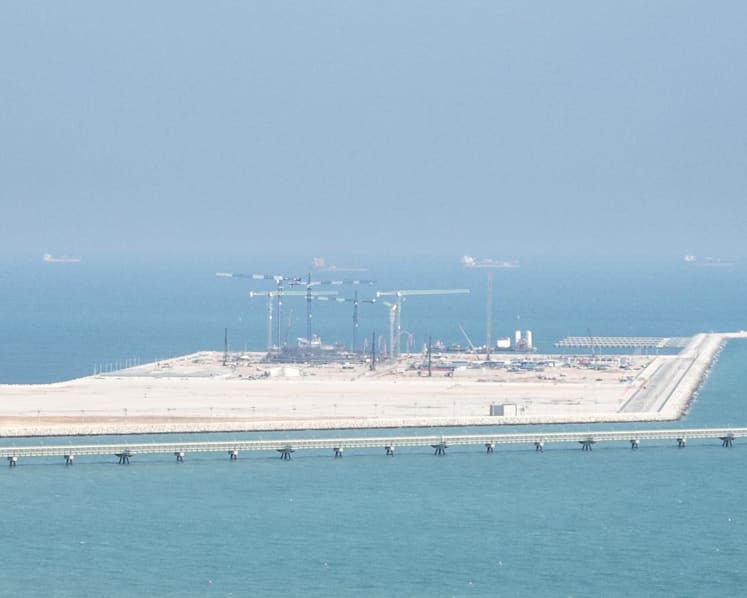
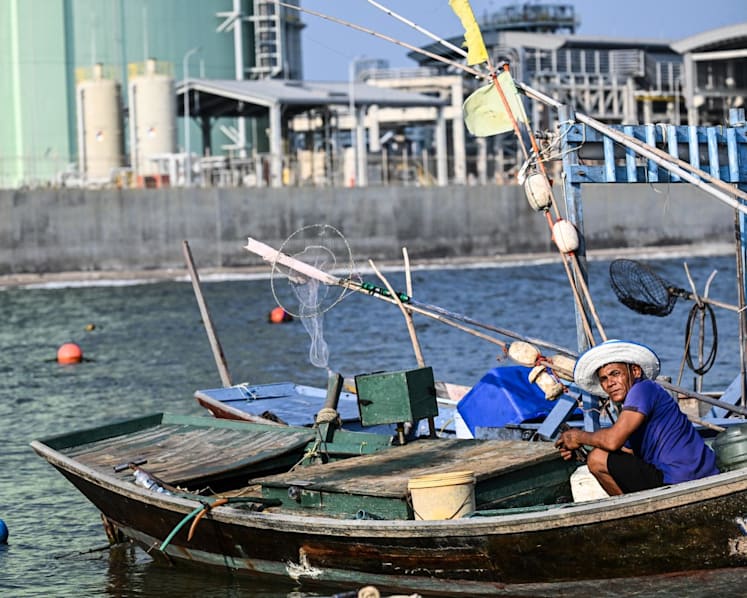
An LNG tank is seen from a fishing village in Map Ta Phut in Thailand's Rayong province. (Photo: CNA/Jack Board)

This audio is generated by an AI tool.


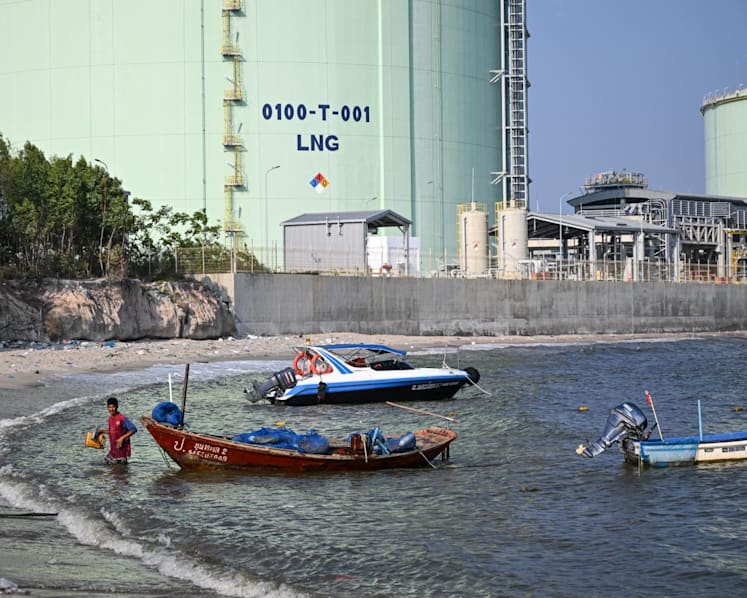
RAYONG, Thailand: The tiny fishing hamlet on a stretch of land that juts into the Gulf of Thailand looks just like countless others that dot the country’s coastline.
It has the brightly coloured boats, the packs of street dogs and the delicate waves lapping onto the sands.
But this one, in Rayong province south-east of Bangkok, has a unique perspective. It stares straight into the heart of Thailand’s largest industrial gas complex.
Map Ta Phut, one of Southeast Asia’s biggest petrochemical hubs, dominates a vast coastal area here.
Within the country’s Eastern Economic Corridor (EEC), a special economic zone, it handles a significant share of Thailand’s energy imports, gas processing and petrochemical production.
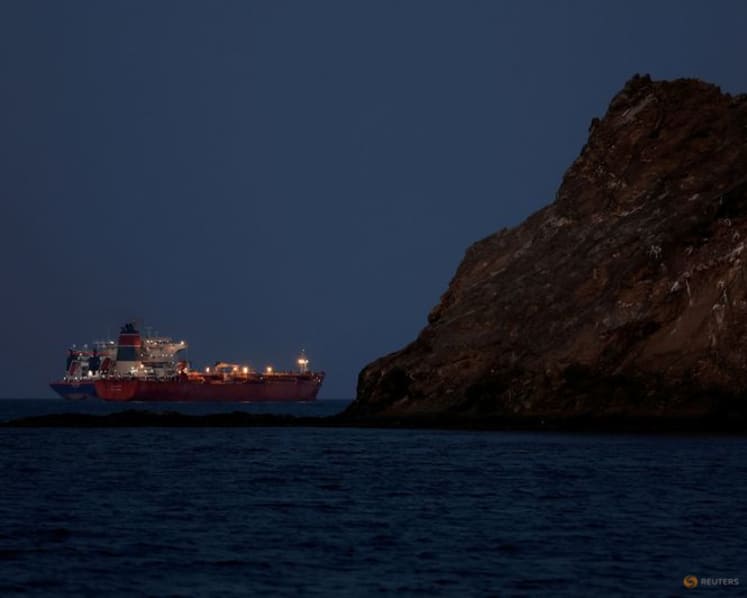
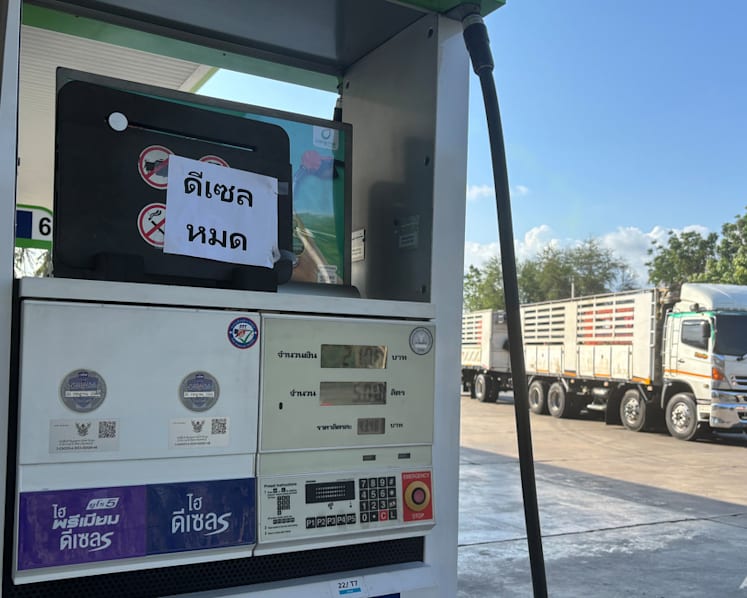
It depends heavily on pipeline natural gas and imported liquefied natural gas (LNG), much of which is tied to global supply routes, including shipments through the Strait of Hormuz, now disrupted by the Iran conflict.
Map Ta Phut has permanently altered the coastal views here, and its waters and air. It has also irrevocably shaped the country’s power system, now at the frontline of a global energy shock.
Thailand is one of the most gas-dependent power systems in Asia. Gas generates roughly 55 to 60 per cent of the country’s electricity and is also widely used as a petrochemical feedstock.
Thailand’s reliance on gas is being tested on two fronts at once. As geopolitical tensions disrupt global supply and push up prices, the cost of keeping the country powered is rising sharply.
Gas is no longer the cheap “bridge fuel” it once was. LNG prices have roughly doubled during the latest Middle East tensions.
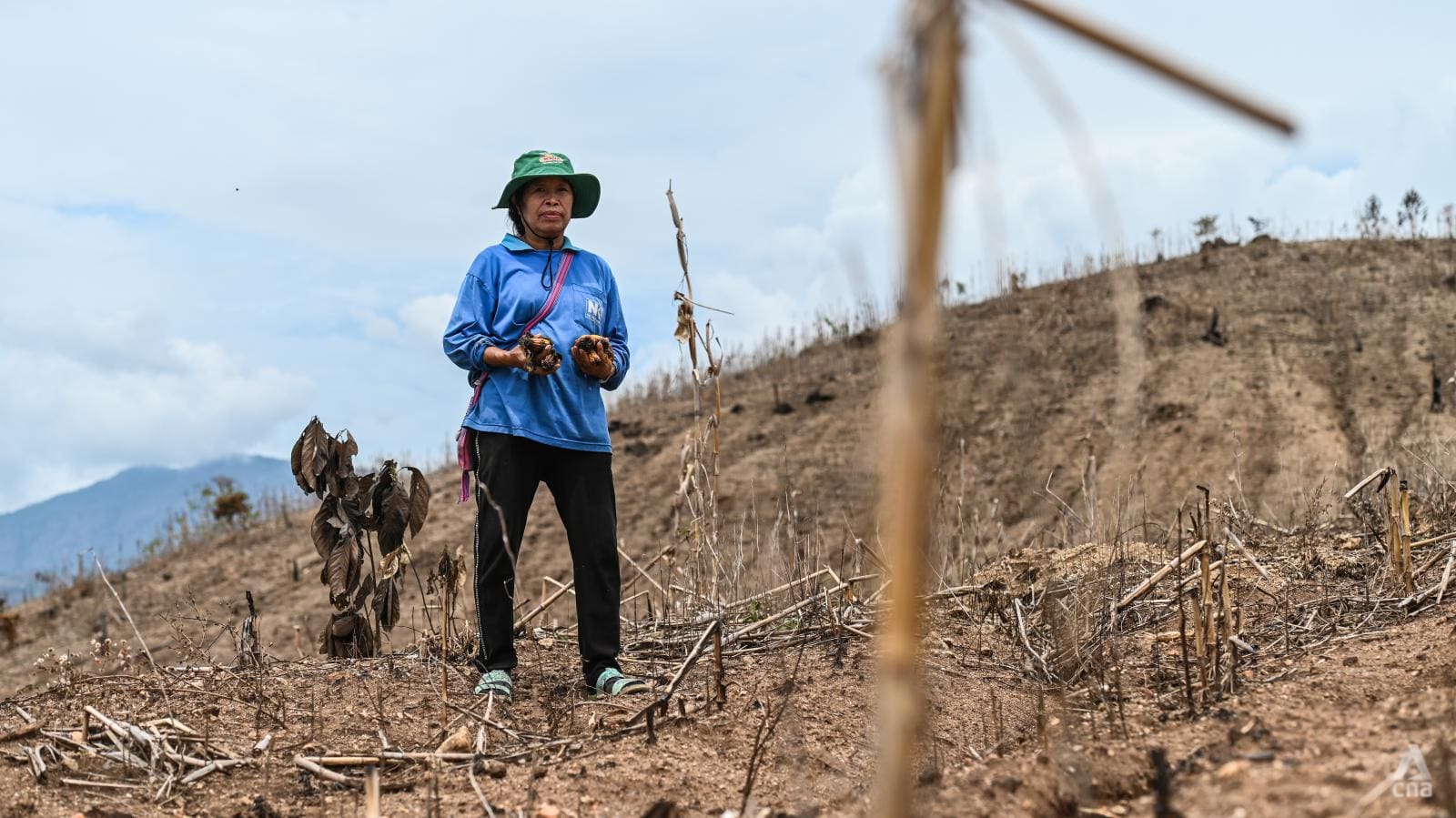
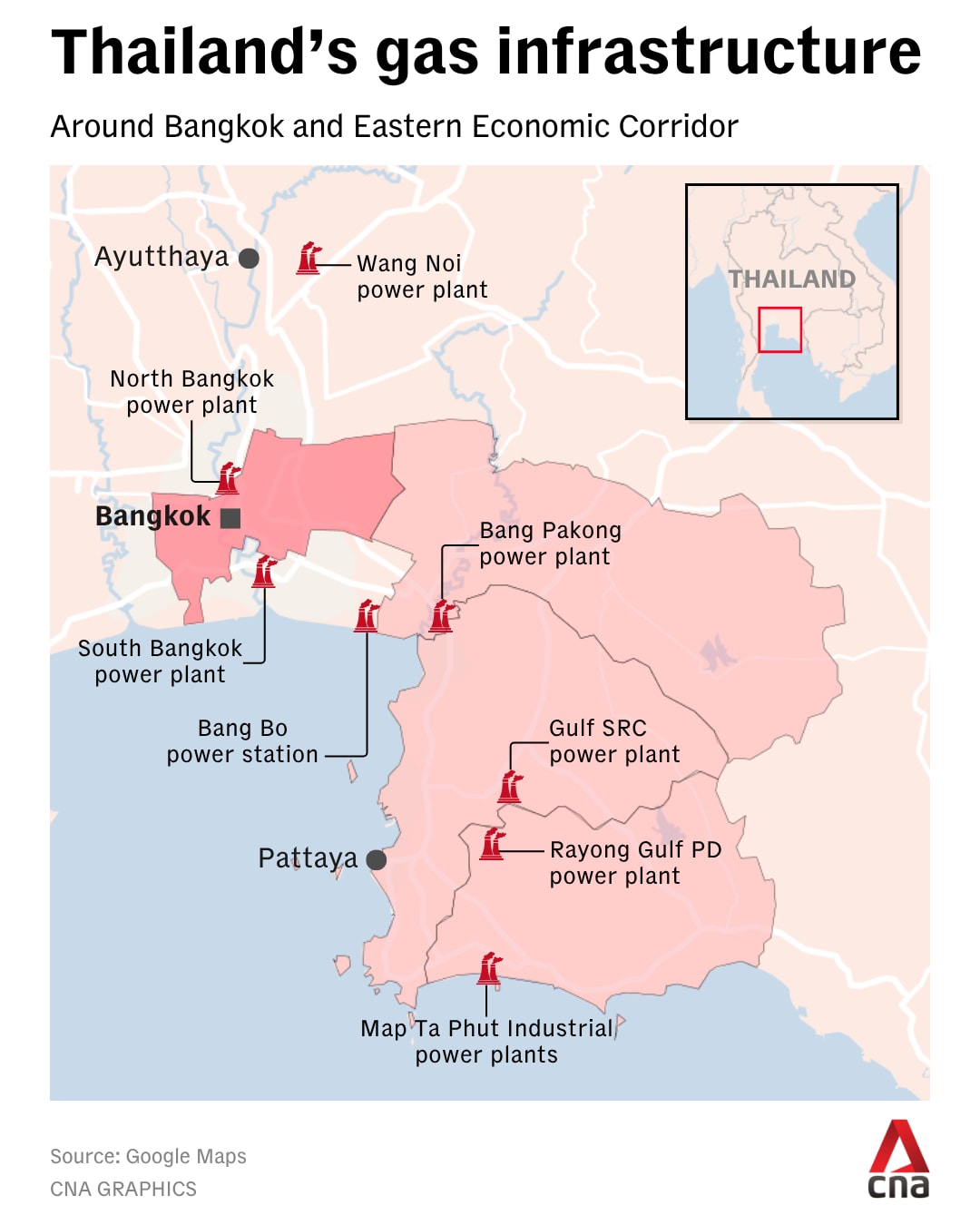
At the same time, recent expert analysis suggests that the very system driving those costs is also contributing significantly to air pollution, especially in the densely populated areas where most gas infrastructure is located - around Bangkok and the EEC.
Together, they expose a deeper problem: a fuel that is neither as cheap nor as clean as once believed, experts told CNA.
The Middle Eastern crisis has revealed short-term price shocks and long-term risks embedded in its decades of energy planning that increasingly pivoted towards gas, said Tara Buakamsri, an independent energy policy advocate.
“It has become a perfect storm for the energy system here in Thailand,” he said.
One immediate outcome for households will be increased electricity prices. Last week, the Energy Regulatory Commission approved a new average electricity tariff of 3.95 baht per kilowatt-hour for the May-August billing cycle, up from the current 3.88 baht.
Up to the start of April from the onset of the Iran conflict, the Electricity Generating Authority of Thailand (EGAT) had absorbed close to 36 billion baht (US$1.1 billion) on behalf of the public.
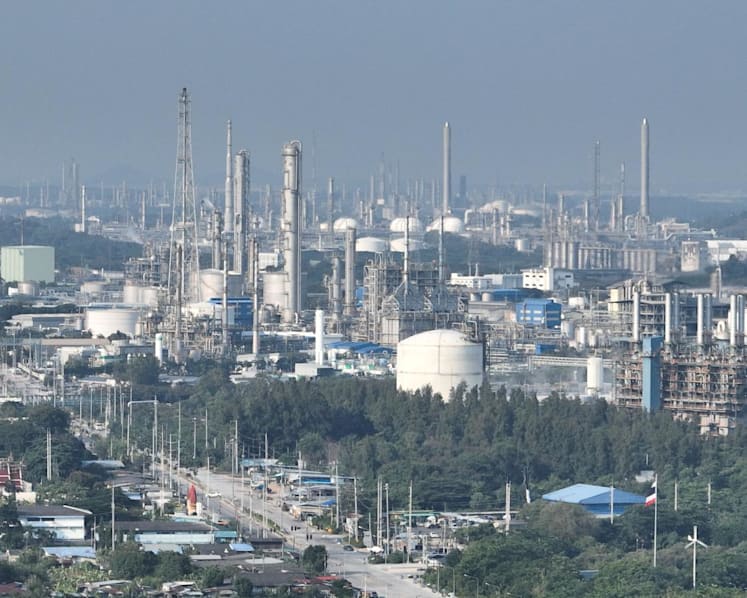
Even though only about 6 to 7 per cent of Thailand’s gas supply is coming through the Strait of Hormuz, the government is scrambling to secure fuel with its predominant LNG source market Qatar currently impacted, said Raksit Pattanapitoon, a senior analyst for Rystad Energy.
Nearly two-thirds of Thailand’s gas comes from its domestic supply, with about 9 per cent pipelined from Myanmar. The rest is LNG from multiple sources including Qatar, Australia, the United States and Malaysia.
“It's not too bad at the moment, but we're still using a lot of gas, and a lot of it is coming from LNG,” he said.
Thai officials and executives from state-owned PTT, the country’s largest energy company, held talks in March with a US LNG producer, Cheniere Energy, to increase long-term supply and accelerate deliveries, with the aim of mitigating disruptions due to the ongoing war.
“Thailand will be able to navigate this crisis together,” Energy Minister Atthapol Rerkpiboon said at the time.
Meanwhile, the EGAT set up a “war room” to monitor the Iran conflict's impact on energy supply, while the government’s other measures included reviewing oil exports and increasing national oil reserves.
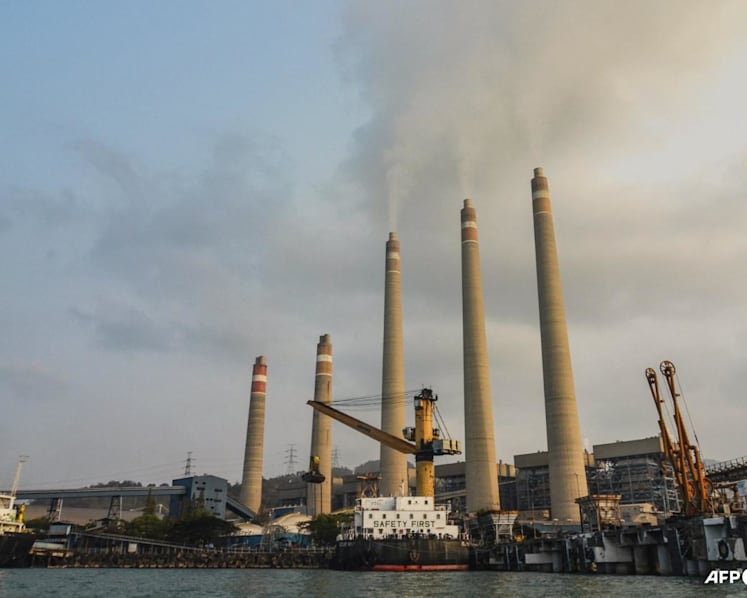
FROM ABUNDANCE TO DEPENDENCE
In the 1980s, Thailand was riding on a wave of offshore gas discovery.
After energy shocks during the previous decade, its unearthed domestic resources allowed the country to build its own energy base and reduce reliance on imported oil.
As it pushed away from coal, natural gas became the backbone of its power system. Gas infrastructure was rolled out at scale, embedding the resource at the centre of both electricity generation and industrial growth.
Yet even as domestic gas supply declined in more recent years, the country has doubled down, building out pipelines, power plants and LNG terminals, and signing long-term contracts to secure supply.
Though renewable energy sources like solar and wind gained global traction, the government showed few signs of pivoting significantly away from what had proven to be a cheap and reliable energy source, Raksit said.
The cost of this dependence is becoming increasingly visible, according to Daniel Nesan, a Southeast Asia analyst at the Centre for Research on Energy and Clean Air (CREA).
During the current crisis, Thailand has become more exposed not only to global price swings, but also to the economic burden of maintaining vast gas infrastructure even when it is underused, he said.
“Now they're a bit stuck. They have all these gas plants, but they don't have the gas to run them.”
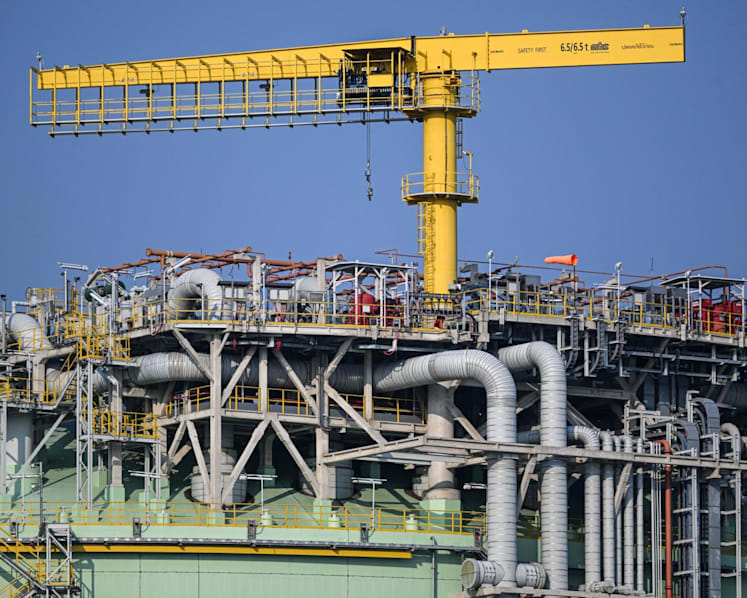
Yet because of its vast investments, Thailand is somewhat locked into its gas pathway, experts said, even if it is looking expensive and unreliable.
Gas looks set to remain the primary source of energy going forward. But the country does have options, should it choose to take them, Raksit said.
“The most logical next step for Thailand is to ramp up renewable capacity addition as fast as it can,” he said, even though some existing infrastructure might suffer from lower utilisation.
“And yes, everyone will still need to be paying for that. But there is no argument for us to build any more gas capacity than what is already done.”
Thailand’s long-awaited new power development plan remains delayed, with final approval tied up in political transition following the national election in February and ongoing revisions.
It is expected to shape the country’s energy mix for the next few decades.
Thailand’s draft power plan aims to more than double renewable energy from around 20 per cent of electricity generation today to 51 per cent by 2037.
Manun said an expectation from environmental groups is a shift to 70 per cent renewables, in order for the country to make good on pledges to decarbonise its economy and reach net zero carbon emissions by 2050.
But long-term contracts with gas operators mean she sees “very little grid capacity left” to support more solar energy, despite Thailand’s potential.
Thailand’s power-sector emissions have nearly doubled since 2000 as gas generation met rising demand, according to Ember, a global energy think tank.
Tara said he does not expect major changes to the way Thailand’s economy will be powered in the years to come.
“Gas has become the king of energy in Thailand. I think it will stay. The energy shock might not shift the throne,” he said.
While Raksit anticipates more renewables will enter the mix, he agreed that Thailand can afford to push harder in the green energy space.
“My argument would be, we can actually afford to be even more ambitious, given the situation in the Middle East. It's a good opportunity to make the argument that relying on other countries in this fragmented world is leaving you vulnerable in terms of energy security and resiliency,” he said.
“(But Thailand is) pushing the narrative around gas being a destination fuel, meaning that it will play an entrenched role in the energy mix in the future.”
EGAT has maintained that natural gas and LNG are “essential” for the energy transition to provide stability and grid balance alongside renewables.
Across Southeast Asia, Thailand is not the only country facing challenges around its gas reliance. Malaysia is also gas-heavy but has vast domestic resources, as does Indonesia, the region’s largest gas supplier.
Singapore is the region’s second-largest gas importer, with about 45 per cent of its LNG from Qatar. The Philippines has been rapidly adopting LNG, constructing four new terminals to import gas as its own domestic fields deplete.
For energy affordability, and even security, the long-term solutions for these economies will be more renewables, Raksit said, even though different countries would naturally move at different paces with unique considerations about their energy mix.
“Maxing out your pace of renewable deployment domestically is the very obvious low-hanging fruit,” he said.
And beyond cost, there are growing concerns about the environmental impact of gas close to Thailand’s urban population.
KILOTONNES OF EMISSIONS
Dark horizons are a familiar sight in Thailand’s capital. Air pollution in Bangkok is persistent year-round, not only during smog episodes, which often occur during cooler months.
Studies show annual levels of PM2.5, harmful microscopic pollution particles in the air, consistently exceed safety guidelines by the World Health Organisation.
Much of the blame for the harmful air pollution typically falls on obvious, visible sources like cars and agricultural burning, said Manun Wongmasoh, a climate and energy campaigner at Greenpeace Thailand.
“Meanwhile, fossil gas power plants are largely ignored simply because they are labelled as ‘natural gas’ and perceived as cleaner,” she said.
A late-2025 report from CREA, an independent research organisation, has drawn stronger links between gas plants and worsening levels of toxic substances in the sky.
Its research relied upon measured data reported in environmental impact reports of plants throughout Thailand’s gas power sector, and extrapolated to also include facilities that are planned but not yet operational.
It calculated annual emissions from current plants to be 29.4 kilotonnes of nitrogen oxides (NOx).
Including planned facilities, the number increases to 33.4 kt, as well as 1.7 kt of sulfur dioxide and 0.4 kt of particulate matter, substances that worsen respiratory disease and contribute to climate change.
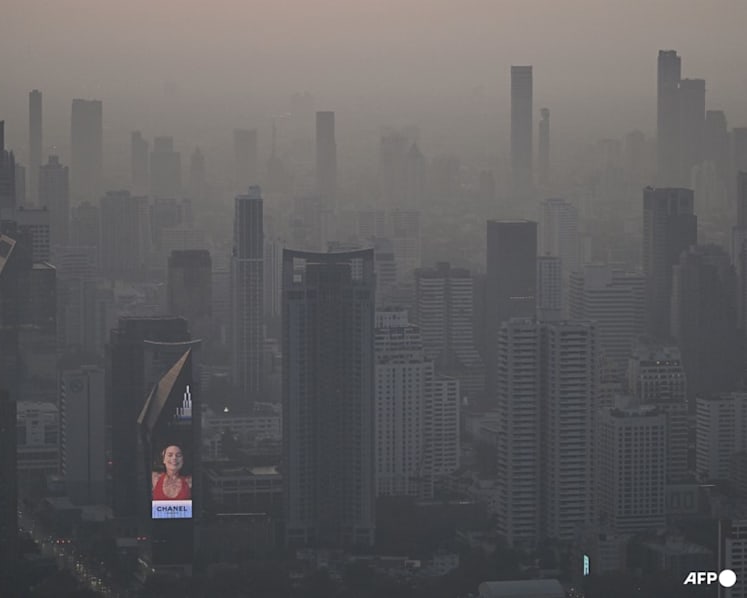
Overall, it found NOx emissions from Thailand’s gas power plants exceed the combined annual emissions from buses, motorcycles and taxis in the Bangkok Metropolitan Region.
“It is not a marginal source. It's operating at the same order of magnitude as some of the biggest pollution sources in the country,” said Nesan, the CREA analyst.
“The key takeaway is that gas may be cleaner than coal in some respects, but it's not a low-pollution energy source, especially when it's deployed at this scale.”
He added that more focus should be on population exposure to pollution, rather than thinking about emissions in isolation.
“Governments need to consider not just how much pollution a single plant emits, but where it is located and who is being exposed,” he said.
NOx is an invisible group of gases released by combustion, and a widespread and potent driver of urban air pollution.
They are known as a precursor to secondary air pollutants like PM2.5 and ozone, both of which are in high concentration in urban centres in Thailand, said Sarawut Thepanondh, dean of the Faculty of Public Health at Mahidol University.
“No matter what you burn, no matter what you combust, it will emit NOx,” he said.
But he offered a more cautious view of the risks from industrial pollution, saying the industrial sector is generally doing a good job at monitoring emissions and reducing community impacts.
“They are doing constant monitoring. The challenge is to make it public. Not just sending it to the ministry,” he said.
“We have found that the NOx concentration is mostly in the urban areas, not in the places where we have big industries. And we don't have the evidence yet that they have a health impact on people,” he added.
Thai government data shows that, after transport, emissions from industry and fuel combustion, including power plants, are among the largest contributors to air pollution.
There is currently no mandate for best available NOx control technologies and emission limits are less strict in Thailand than advanced economies. The country’s NOx limits are broadly typical for Southeast Asia though.
Thailand’s NOx limits for gas power plants are around 80 milligrams per cubic metre for new facilities, but can be significantly higher for older plants.
Vietnam’s typical benchmark is around 200 mg/m³, while new plants in South Korea have an emissions standard of about 30 mg/m³. The higher the number, the dirtier the air is.
Nesan argued that while the Thai government does mandate that plants do emissions reporting twice a year, it was more for compliance purposes rather than requiring stricter constant emissions monitoring or real-time public disclosure that could result in improvements.
If the government required stricter limits, operators would install better technology and emissions would drop significantly, he said.
This would reduce hospital visits, improve workforce productivity and put less pressure on Thailand’s air-quality management systems, the CREA report found.
Thailand’s Pollution Control Department did not respond to an interview request.
More broadly though, the government has taken some measures in recent years. It tightened its air quality standards in 2022, cutting allowable PM2.5 levels by around a-third, but they still remain well above World Health Organization (WHO) guidelines.
The current limits allow more than double the daily level - and three times the yearly level - recommended by the WHO.
Bangkok and several other provinces were officially declared “pollution control zones” in 2025 to enable tighter controls on emission sources.
After years of consultations, it appeared late last year that the country was closer to passing its first comprehensive clean air law, which would have implications for industrial operations. However, the legislation remains stalled.
THE POLLUTION FRONTLINE
Communities living alongside gas infrastructure say they are the ones most acutely feeling pollution impacts, not only through the air they breathe, but also through their water supplies, agricultural fields and fishing grounds.
Map Ta Phut has been central in the past to concerns that industrial growth was turning parts of Thailand into pollution hotspots.
In 2009, a court ordered 65 projects worth US$8 billion to be suspended after communities took legal action over serious health impacts linked to industrial pollution. It was a landmark case that exposed the risks of rapid, energy-driven development.
Concerns about local impacts still exist, said Manop Sanit, the coordinator of the Rayong Clean Energy Network, a community environmental advocacy group.
“Air quality monitoring is controlled and difficult for the public to understand, including information about toxic substances. People continue to live with pollution that affects their health over time. Local communities have very limited access to information,” he said.
Despite the various headwinds, Thailand is planning to build even more gas capacity.
A third LNG import terminal with a capacity of up to 10.8 million tonnes/year is in development at Map Ta Phut. A long contested 1,400 MW gas plant and associated terminal has also been slated in Surat Thani in southern Thailand.
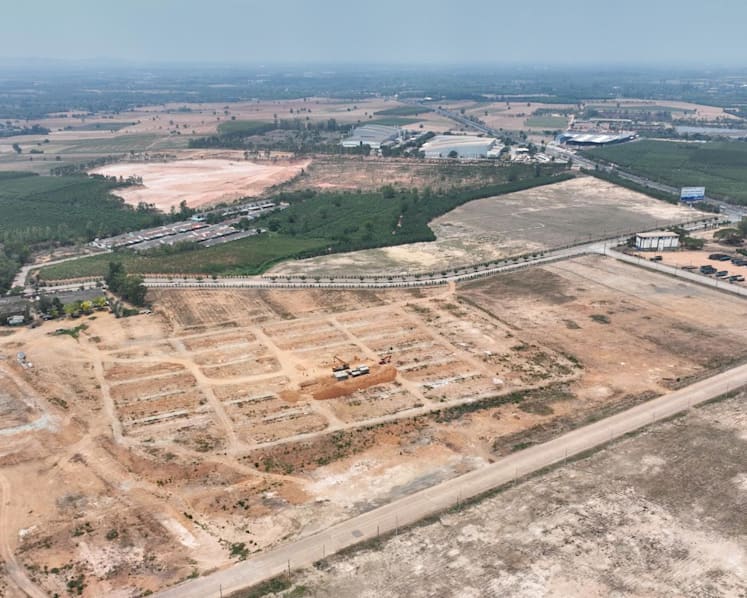
In Chachoengsao province, east of Bangkok and part of the EEC, pre-construction work appeared underway at the proposed site of the 540 MW Burapha Power Plant.
Originally meant to be a coal plant and after more than 15 years of delays and disputes, it was finally approved in October last year.
For nearby communities, it was yet another blow to the environment, in an already heavily industrialised zone, for a facility they say the country does not need.
Gunn Tattiyakul, a local resident and environmental activist, has watched pollution problems appear over the years. He said he has seen the groundwater turn salty and the province’s famous mango crops increasingly fail.
“I was born and raised here, and I’ve lived my whole life in this place. I’ve seen how the natural resources, once abundant, are now deteriorating,” he said.
Thailand has built significantly more electricity capacity than it needs, the result of overestimated demand, long-term contracts and a system built around gas, energy analysts said.
Reserve margins have ranged from around 25 per cent to over 40 per cent, well above the 15 to 20 per cent typically required to ensure supply.
Meanwhile, residents in the EEC watch on as more capacity gets built out.
“People in Bangkok may think electricity is necessary, and we do not deny that,” said Artorn Panyapateep, an abbott and community leader in the village of Laem Khao Chan in Chachoengsao.
“But we want them to understand the people living around the plants, who suffer from dust, smell, noise and wastewater,” he said. “That is what we want them to care about.”
Additional reporting by Jarupat Karunyaprasit