WFH, fuel caps and subsidies: Southeast Asia scrambles to manage energy crisis
As the Iran war drags on into its sixth week, CNA takes a look at how some Southeast Asian states are responding to the energy crisis and skyrocketing costs.
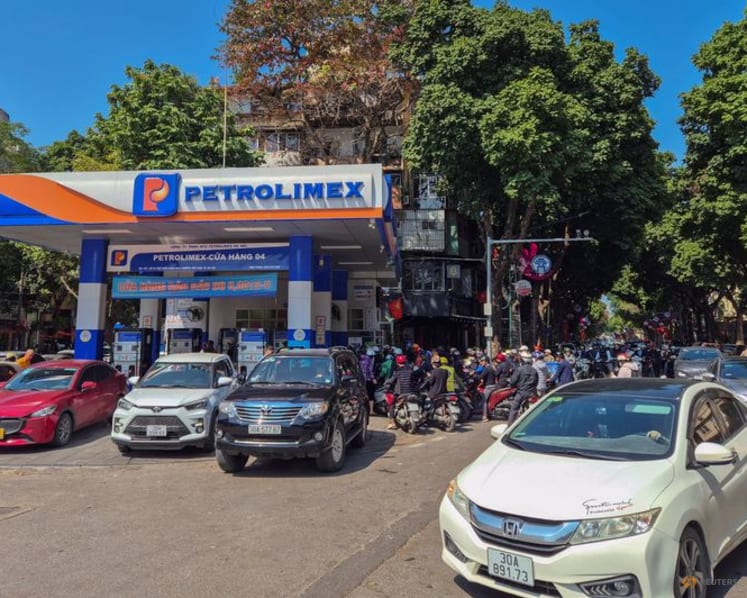


SINGAPORE: A global energy crisis sparked by the closure of the Strait of Hormuz amid the Iran-Israel-US war has disrupted lives across vast segments of Southeast Asia’s populations.
Of the crude oil and liquefied natural gas (LNG) passing through the strait, 84 per cent of crude and 83 per cent of LNG are bound for Asian markets, according to 2025 data from the US Energy Information Administration.
As a result, oil prices have fluctuated rapidly since Iran’s effective closure of the strait. Brent crude has surged past US$100 per barrel for the first time in years as the closure of the Strait of Hormuz chokes off nearly a fifth of the world’s oil supply.
As of Monday (Apr 6) afternoon, Brent crude futures traded at US$110 per barrel while West Texas Intermediate (WTI) crude traded at US$111 per barrel. This is well above the levels seen for most of the past two years, when prices generally hovered between US$70 and US$85.
Asian LNG prices have jumped 85 per cent since the war, peaking from end-2022 highs, though prices have declined in the past two weeks.
Much of Southeast Asia is feeling the strain of the energy crisis, as governments scramble to ration energy supplies, implement work-from-home (WFH) policies and diversify energy sources.
Meanwhile, businesses in the region have also seen market capitalisation shrink by at least US$216.9 billion, with the closure of the Strait of Hormuz cited as a major factor, reported Japanese news outlet Nikkei Asia.
Indonesia has been hit hardest, with US$115.5 billion wiped off market value, followed by Thailand with US$48.9 billion. The Philippines and Vietnam each lost more than US$16 billion, it further reported.
In Singapore, Prime Minister Lawrence Wong warned on Apr 2 of “severe consequences” if Middle Eastern energy sources and supply routes see prolonged disruptions.
He said that the government has so far managed immediate disruptions, with refineries scaling back production and firms sourcing supplies beyond the Middle East.
Singapore is also strengthening long-term resilience by deepening energy partnerships including with Australia, which already supplies more than one-third of Singapore’s LNG, and working closely with New Zealand to secure supply lines for food and essential goods during crises.
As the war drags on into its sixth week, CNA takes a look at how other Southeast Asian states are responding to the energy crisis and skyrocketing costs.





MALAYSIA
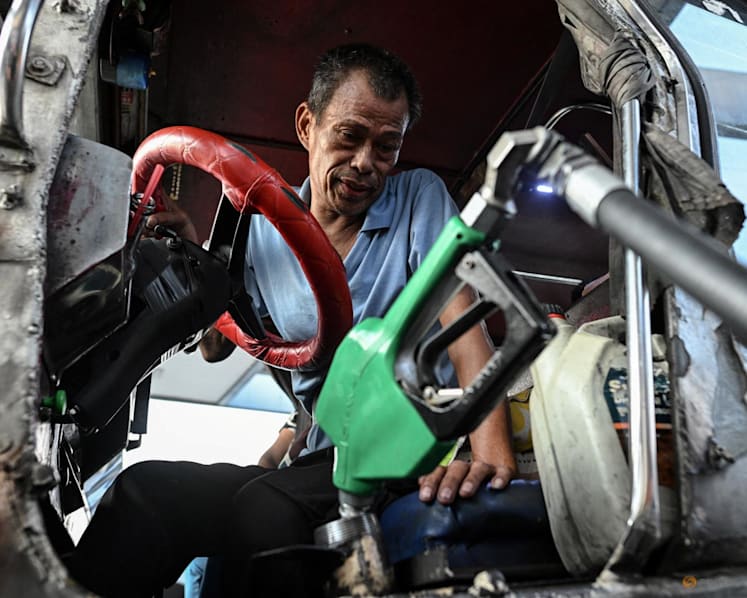
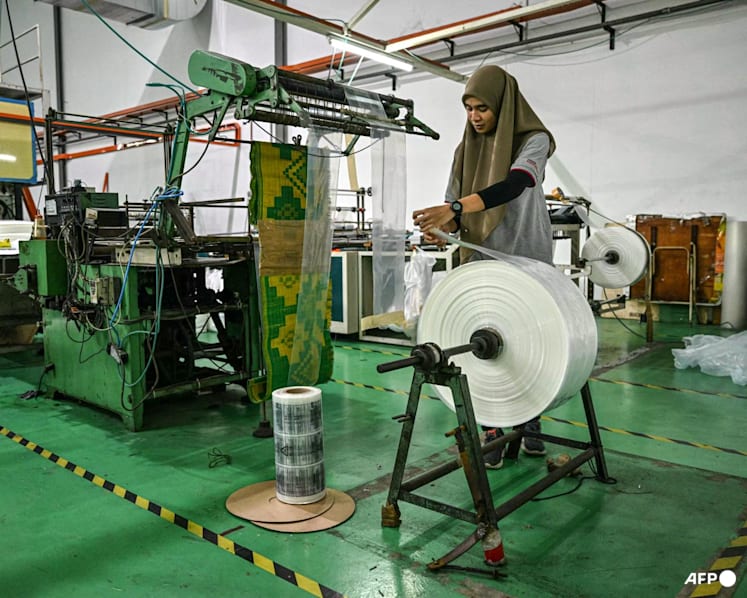
Compared to its Southeast Asian counterparts, Malaysia has been more insulated from the energy crisis as an oil-producing country and net energy exporter, but the federal government’s pledge to maintain fuel subsidies has raised concerns about its sustainability.
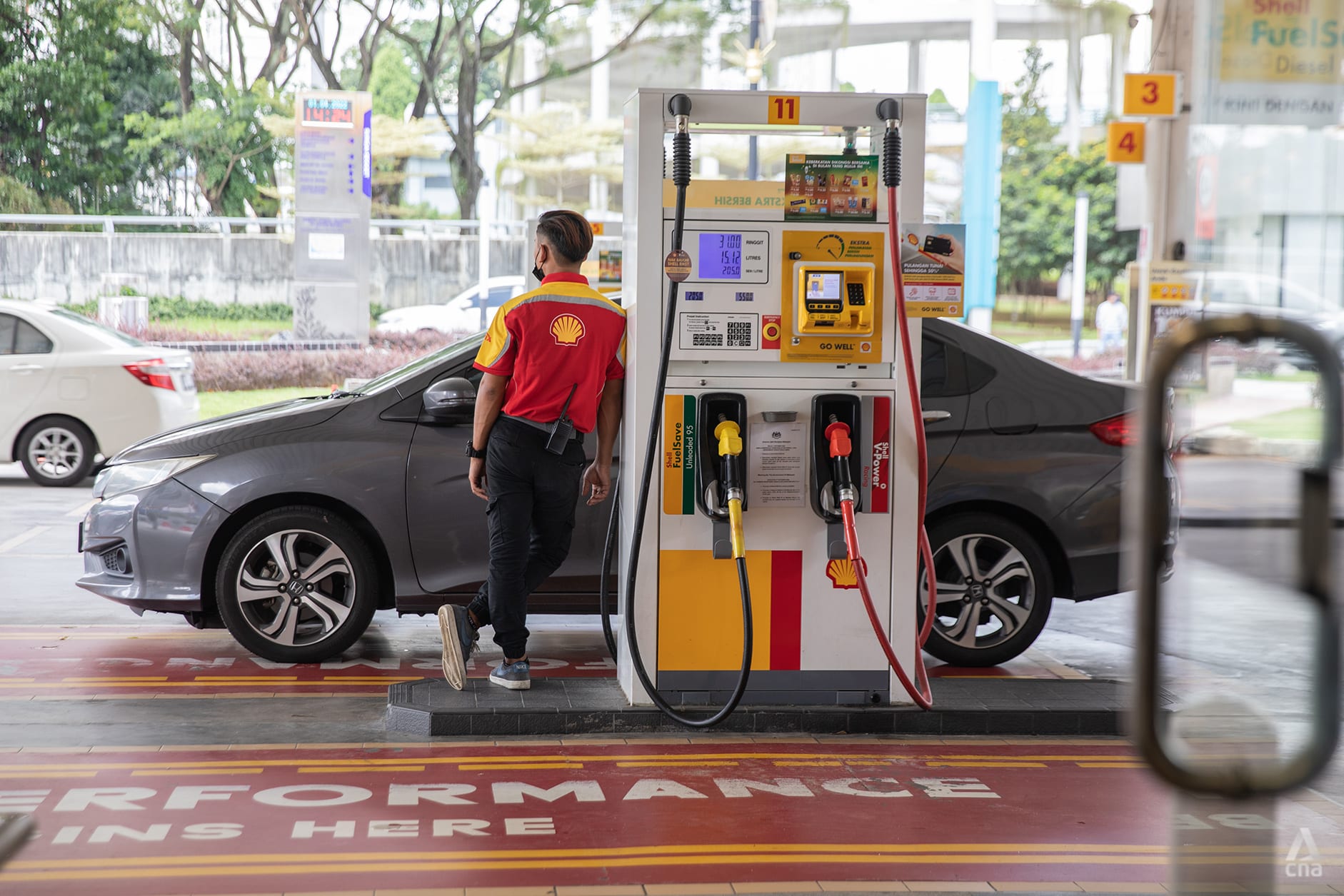
Amid soaring prices, it has kept fuel prices low through national subsidies, maintaining a RM1.99 (US$0.50) per litre ceiling price for subsidised RON95 petrol. It has, however, temporarily capped the individual limit for RON95 petrol at 200 litres from Apr 1, down from 300 litres.
On Mar 26, Malaysia’s Finance Ministry warned that monthly petrol and diesel subsidies could hit RM4 billion as global oil prices spike.
Experts previously told CNA that sustained petrol and diesel subsidies may burden the country’s fiscal position and may add to national debt. Malaysia's fiscal deficit was 3.7 per cent in 2025, continuing a decline from a peak of 6.4 per cent in 2020. It was 4.1 per cent in 2024.
Prime Minister Anwar Ibrahim said that the government is actively diversifying Malaysia’s energy sources to ensure that fuel and power supplies remain secure despite global supply chain disruptions.
About half of Malaysia’s total oil supply has been stranded or delayed following the Strait’s closure, he added.
On Mar 27, Anwar announced that the country’s ships will be allowed to pass through the strait - among a handful of other countries granted toll-free safe passage - easing some supply pressures.
Malaysia will also introduce a WFH policy for ministries, agencies, statutory bodies and government-linked companies from Apr 15. Civil servants who live more than 8km from their office will be afforded a three-day WFH arrangement, the Public Service Department announced.
Sectors like tourism have also been hit following fuel price hikes, with tour buses and van operators given the green light to raise prices by up to 80 per cent, the Malaysian Association of Tour and Travel Agents announced on Mar 30.
INDONESIA
Around 25 per cent of Indonesia’s oil imports come from the Middle East and pass through the Strait of Hormuz, according to Minister of Energy and Mineral Resources Bahlil Lahadalia.
In a press conference on Apr 6, Chief Economic Affairs Minister Airlangga Hartarto said the government has increased aviation fuel surcharges by 28 percentage points to 38 per cent, up from the current 10 per cent.
It is also allowing domestic airfare price hikes to around nine to 13 per cent, while reducing import duties on spare aircraft parts to 0 per cent to lower airline operating costs.
The Indonesian government previously announced sweeping austerity measures on Mar 31 including fuel restrictions, cuts to official travel and a mandatory WFH policy.
These are aimed at saving up to 243.4 trillion rupiah (US$14.3 billion) in state expenses amid soaring energy costs, reported local news outlet Jakarta Globe.
Airlangga said at a Mar 31 press conference that the government will ration subsidised fuel through daily purchase limits starting Apr 1, such as limiting gasoline purchases for private vehicles to 50 litres a day. Previously, there was no nationwide cap on purchase limits.
Subsidised gasoline sold under state energy firm Pertamina including fuel from Pertalite Brand and diesel marketed as Biosolar will also be capped from Apr 1, Indonesia’s Downstream Oil and Gas Regulatory Agency said.
Like Malaysia, Indonesia is also an oil producer and said it would not increase fuel prices, which is heavily subsidised in Indonesia, although the country is a net energy importer.
The government has also implemented a WFH policy every Friday for public sector employees, a move which it predicts will save people a combined 59 trillion rupiah.
"The WFH rule for private sector employees still takes into account the characteristics and needs of each business," Airlangga said in the press briefing on Mar 31.
He also announced that domestic official travel has been cut to half - with the exception of electric vehicles - with a 70 per cent cut in overseas travel.
The government has also made cuts to its free school meals programme from Mar 31, estimated to save around 40 trillion rupiah, Nanik Sudaryati Deyang, deputy head of Indonesia's National Nutrition Agency, told AFP on Mar 29.
In a bid to strengthen energy security amid the war, Indonesia has also pushed for a transition to clean and renewable energy with more investments in oil and gas projects.
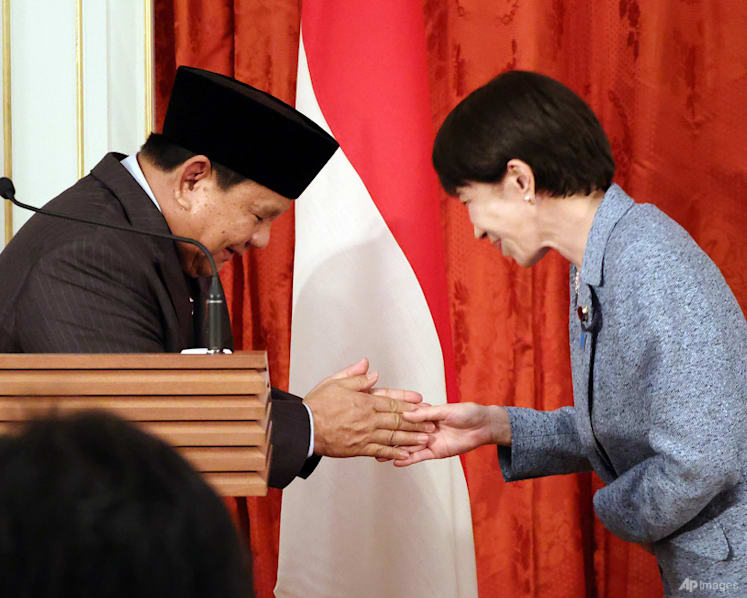
Jakarta and Tokyo on Mar 30 inked 10 memoranda of understanding and business deals worth a combined US$23.63 billion, spanning sectors including clean-energy downstream projects, oil and gas exploration and geothermal development.
“In light of the Iran situation, the strategic importance of resources and energy security is once again being recognized globally. Indonesia is a major resource-rich nation,” Japanese Prime Minister Sanae Takaichi said alongside Indonesian President Prabowo Subianto at the Indonesia-Japan Business Forum held in Tokyo.
“In the next three years, we want to (have) 100 gigawatts of solar energy. For us, this is more urgent because of the situation we are seeing now,” Prabowo added.
THAILAND
Around 40 per cent of Thailand’s energy imports pass through the Strait of Hormuz, with the United Arab Emirates as Thailand’s largest crude oil supplier, according to local news outlet The Nation.
Amid the energy crunch, Thailand’s state fuel fund providing fuel subsidies has nearly hit a 50 billion baht (US$1.5 billion) deficit, said Prasert Sinsukprasert, permanent secretary for energy on Apr 3.
While the fund holds a 150 billion baht credit line, officials warn that resources will only last another two months at the current rate of depletion.
Prasert added that global diesel prices have surged to nearly US$300 per barrel as of Apr 3, almost triple the standard rate of US$92.
Veerapat Kiatfuengfoo, deputy permanent secretary of the energy ministry, said on Mar 31 that 1.3 billion baht needs to be paid into the state fund daily to maintain government subsidies on fuel prices, warning that the financial burden is expected to intensify.
The government has also moved to seize “windfall profits” - unexpected large, sudden gains for companies and industries driven by external factors - from refineries to reclaim excess profits generated by “war premiums" and inflated refining margins, reported local news outlet The Nation.
The Energy Ministry is also considering whether to implement a general price reduction or provide targeted subsidies for the transport sector and vulnerable households, reported The Nation.
The upcoming Songkran festival, set to span over three days from Apr 13 to 15, is expected to drive a 6 per cent rise in domestic spending to 30.35 billion baht but could see hotels, retailers and event operators squeezed by high fuel costs, the Thai Hotels Association was quoted as saying by Bangkok Post.
Thailand drew over 666,000 tourists during the festival in 2025.

THE PHILIPPINES
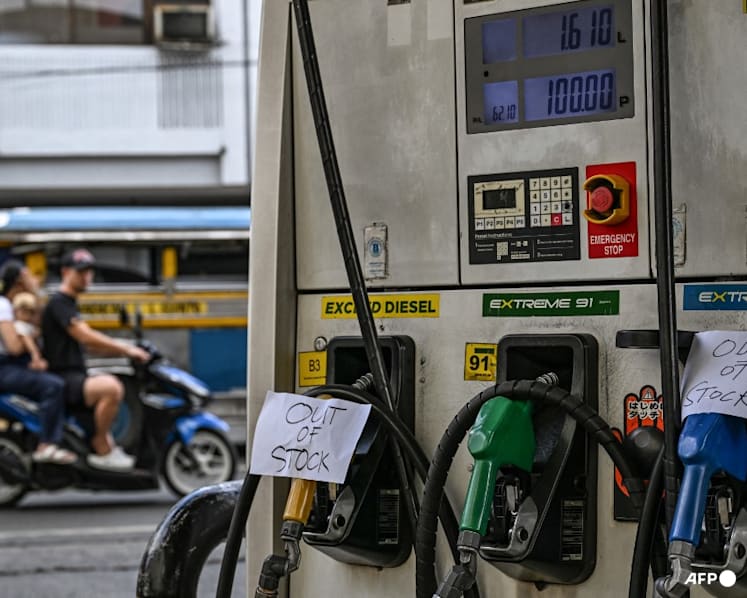
The Philippines was the first country in the region to be placed under a state of national emergency on Mar 24, as the government warned of an "imminent danger of a critically low energy supply” and that “urgent measures are necessary” to ensure stability of energy supplies, according to a government executive order.
It imports nearly all of its fuel needs, including 95 per cent of its oil from the Gulf with Saudi Arabia as its biggest supplier, making the country among the most vulnerable to global energy shocks, according to Maybank Investment Bank.
Philippines President Ferdinand Marcos Jr. told Bloomberg on Mar 24 that it was a “distinct possibility" that planes could be grounded due to shortage of jet fuel.
Marcos later ordered a release of an emergency fund of 20 billion pesos (US$333 million) to the nation’s energy department on Mar 26, to secure the country’s fuel supply to cushion its citizens from the energy crisis.
The Department of Budget and Management said the emergency fund will procure fuel products including diesel, gasoline and liquefied petroleum gas to boost national fuel inventory, stabilie pump prices and ensure uninterrupted operations across various critical sectors.
On Mar 27, Marcos said that the planned Association of Southeast Asian Nations (ASEAN) Summit in Cebu province from May 7 to 8 will focus solely on how the bloc plans to respond to “shocks” amid the war. The country is this year’s ASEAN summit chair.

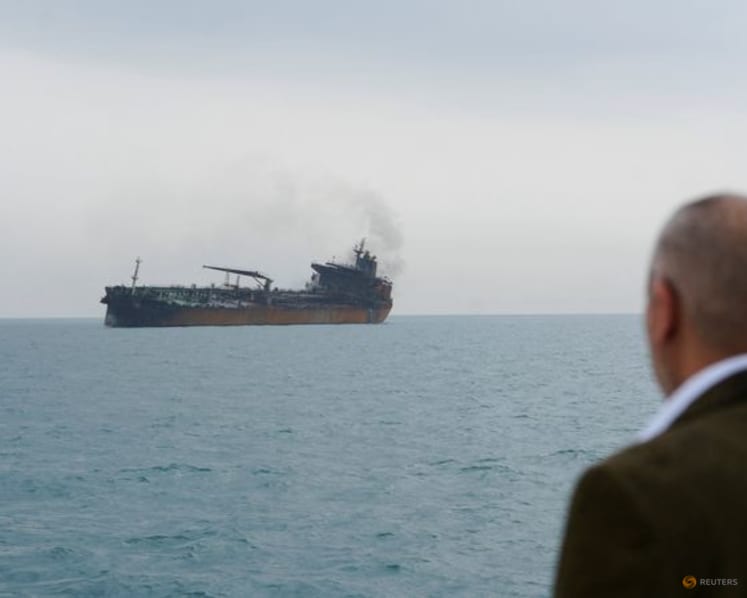

The ASEAN summit will be shortened to a “bare-bones” programme covering issues like fuel supplies, food prices and migrant workers, Marcos added.
Preparatory meetings for the ASEAN summit, including sessions of ministers, have been scaled down and held virtually to cut costs, Marcos’ top aide, Executive Secretary Ralph Recto said separately.
As of Mar 20, the government said the Philippines had around 45 days of fuel supply and is procuring one million more oil barrels to build its buffer stock.
"We are exploring other sources not affected by the war," Marcos said. “Things are beginning to open up ... we can be confident that after the 45 days we will have a flow of oil.”
Meanwhile, hundreds of transport workers in Manila went on a two-day strike on Mar 26 over rising fuel costs, with transport coalitions laying out sweeping demands including scrapping fuel taxes and abandoning deregulation.
VIETNAM
In Vietnam, domestic fuel supply is enough to meet demand till the end of April this year, local authorities said at a government press conference on Apr 4.
The country sources 85 per cent of its crude from Kuwait, with disruptions to the strait driving up fuel prices, according to Mitsubishi UFJ Financial Group Bank.
Diesel prices have more than doubled since the war, while petrol rose by almost 30 per cent. Vietnam’s consumer price index rose 1.23 per cent in March from the previous month, with transport marking the largest increase, reported local news outlet VnEconomy.
Vietnam Airlines suspended nearly two dozen domestic flights from Apr 1 because of limited fuel supplies caused by the war, the nation's aviation authority has said on Mar 23.
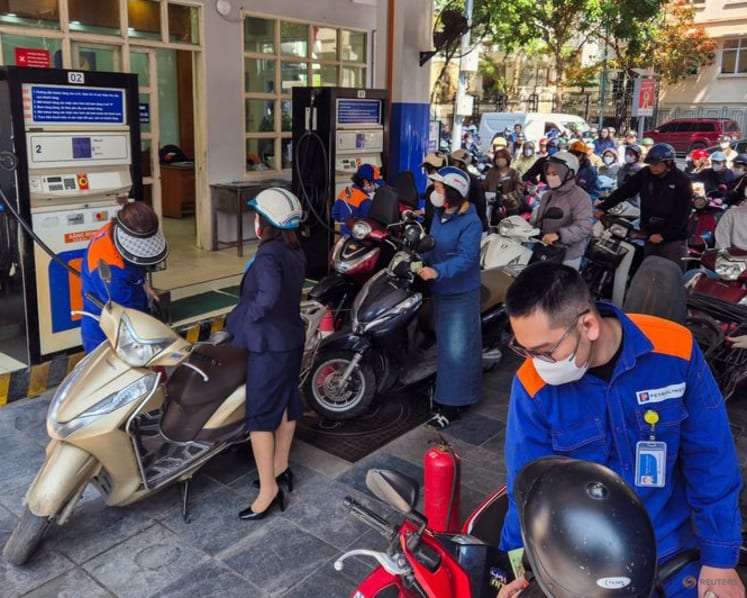
Soaring diesel prices have caused its gig economy to face major strains - with approximately 77 million registered motorbikes in Vietnam, making it one of the highest motorbike-to-population ratios globally.
In response to the energy crisis, Vietnam’s politburo - comprising the government and the prime minister - directed relevant ministries in early March to prepare two fuel supply scenarios - a four-week short-term plan and a longer-term plan.
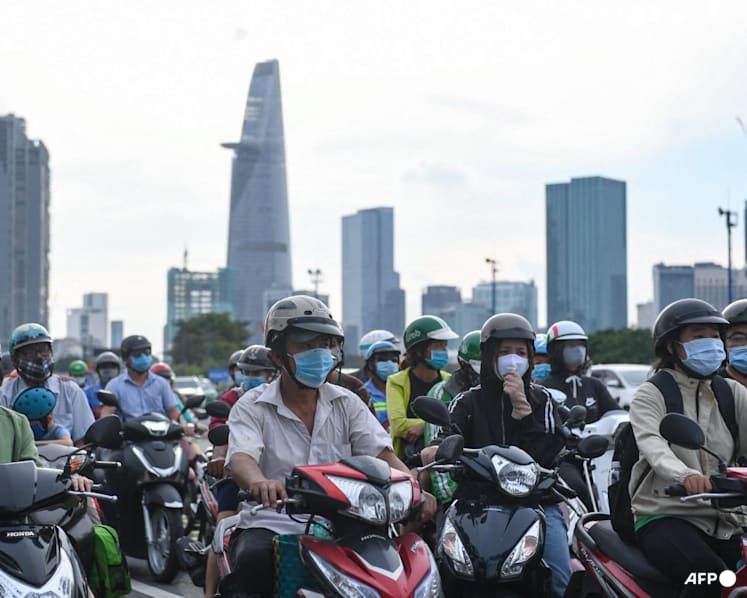
Meanwhile, production at major oil refineries in Vietnam have increased by 10 per cent as of Mar 31.
The Trade and Industry Ministry said it would continue expanding domestic production capacity, diversify energy sources and accelerate development of alternative fuels such as E10 biofuel - a blend consisting 90 per cent petrol and 10 per cent ethanol.
In a similar renewable energy push to Indonesia, Vietnamese Prime Minister Pham Minh Chinh met with Russian counterpart Mikhail Mishustin on Mar 23 in Moscow and signed agreements on oil and gas cooperation including a plan to build two nuclear power plants in Vietnam.
They also reached a deal to help state-owned energy firm and economic firm PetroVietnam and VietNamElectricity respectively to build port infrastructure to receive and store LNG imports and its power plants.
“Cooperation in oil and gas energy will be reinforced in all fields of trade, exploration, extraction and human resource training,” said a Vietnamese government statement on Mar 22.