Oil price volatility puts energy-dependent Asian economies at risk: Analysts
Economists warn that prolonged disruptions in Middle East oil flows could move the region from price shocks to fuel shortages, with broader risks to growth and inflation.
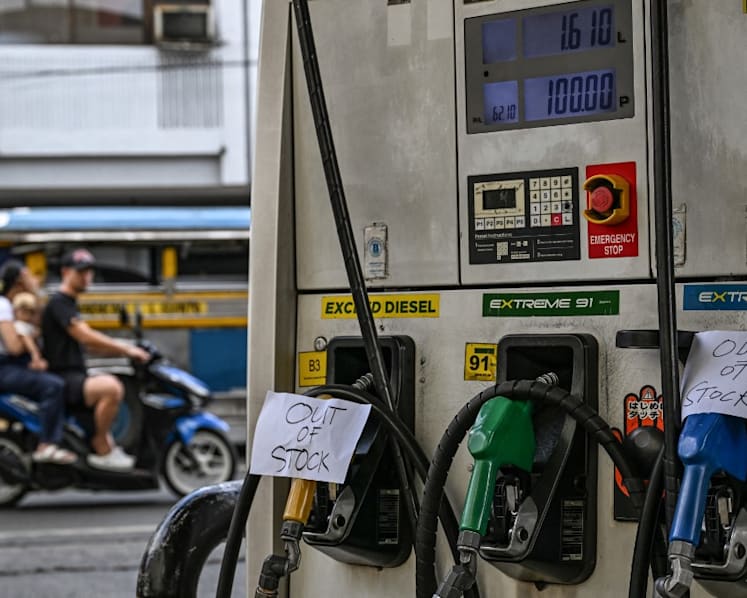
Signs reading "out of stock" are displayed at a gas station amid rising petrol prices in Manila on Mar 9, 2026. (Photo: AFP/Jam Sta Rosa)

This audio is generated by an AI tool.


Asia’s heavy reliance on imported energy has left the region vulnerable to rising oil prices and potential supply disruptions triggered by the escalating conflict in Iran, economists warn.
Global oil markets have swung sharply in recent days as the United States-Israel war with Iran threw the oil-rich Gulf into turmoil, effectively shutting down the crucial Strait of Hormuz.
Oil prices further tumbled on Wednesday (Mar 11) after a report said the International Energy Agency was considering the largest release of oil reserves in its history to calm soaring prices.
This came after both main crude contracts briefly soared above US$110 a barrel on Monday for the first time in four years, before plunging a day later when US President Donald Trump predicted the war with Iran could soon end.
Analysts say the sharp price movements – along with the risk of a sustained supply squeeze – could weigh on growth across Asia.
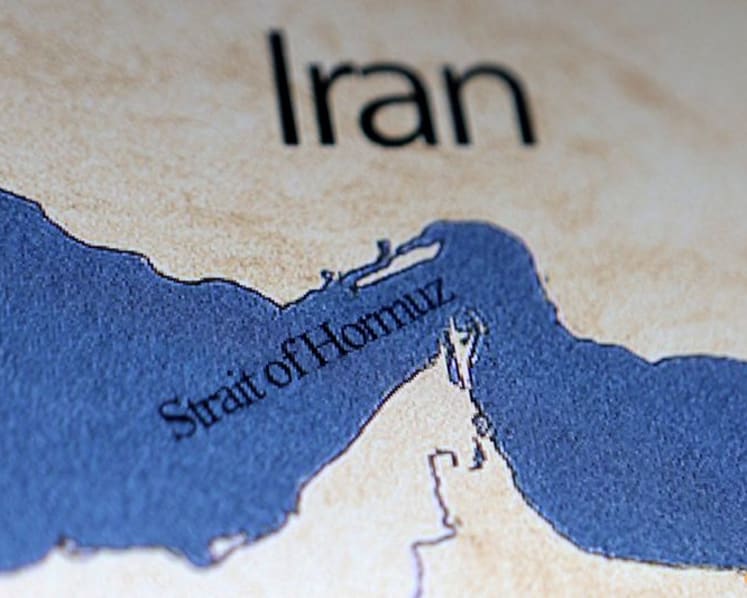
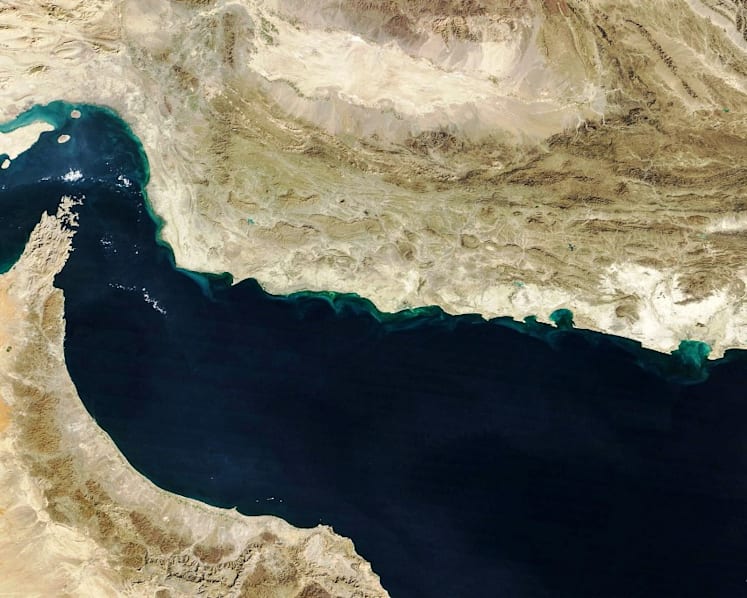
The narrow Strait of Hormuz between Iran and Oman is one of the world’s most critical energy chokepoints.
About one-fifth of global oil supplies transit the strait, much of it destined for Asian markets, raising fears that prolonged disruptions to tanker traffic could strain regional energy security.





SOME ASIAN COUNTRIES MORE EXPOSED THAN OTHERS
Major Asian economies such as China, India, Japan and South Korea are heavily dependent on Middle Eastern oil.
China and Japan, however, are relatively well positioned because they hold significant crude and oil product inventories that could buffer several months of import demand, noted Lin Ye, vice president of oil commodity markets at research firm Rystad Energy.
India could also be cushioned in the short term from its access to Russian crude supplies, Lin told CNA’s Asia Now. The US recently granted a temporary waiver allowing Indian refiners to take delivery of certain Russian oil cargoes already at sea.
However, several Southeast Asian countries, along with Australia, could be vulnerable if disruptions in the Strait of Hormuz last more than a few weeks.

“Countries like the Philippines, Vietnam and Australia could really face not just crude shortages, but also fuel shortages very soon because they rely on higher levels of … fuel imports from other countries,” Lin added.
Lin said export restrictions on refined oil products by major refining countries such as China could worsen supply pressures in the region.
Economies reliant on those shipments could face immediate fuel shortages, she warned.
Australia may be particularly exposed after refinery closures in recent years increased its dependence on imported fuel, she added.
GOVERNMENTS STEP IN
Concerns over a supply crunch have prompted governments across the region to roll out measures to ease pressure.
Thailand and the Philippines are encouraging work-from-home arrangements to conserve energy. Bangkok also plans to increase biofuel usage to reduce crude demand, Lin noted.
Neighbouring Vietnam has proposed curbing crude exports to prioritise domestic refining, while South Korea intends to implement a price cap on petrol and diesel.
Lin said governments are prioritising households over businesses as they respond to potential shortages.
However, she noted that shielding consumers comes at a cost, with industries bearing the brunt of the strain, which could ultimately weigh on economic growth.
She added that if the Strait of Hormuz reopens within weeks, the impact may remain largely a price shock.
“But if the situation continues, then it will quickly shift to a physical fuel shortage for a lot of countries in the region,” she warned.
She noted that some countries may be able to cushion the disruption by drawing on their stockpiles and implementing measures to curb energy demand in the short term.
“But if it lasts longer than a month, then all (those) measures won't be that effective anymore, and a few countries will face immediate fuel shortages.”
BROADER ECONOMIC RISKS
Beyond the immediate supply concerns, some economists say prolonged disruptions could pose broader risks to growth and inflation.
Speaking to CNA’s Asia First, Priyanka Kishore, founder and principal economist at macro consultancy Asia Decoded, said the outlook is “quite worrying”.
If elevated prices persist for several months, that would have “significant growth implications” for the region, she added.
Higher energy costs typically feed through to transport and production expenses, economists say, which can slow overall economic activity if sustained.
Kishore also cautioned that large and persistent oil shocks can “quickly morph into generalised price pressures”, even though inflation has recently been relatively comfortable across much of Asia.
At the same time, she said many Asian economies are at or near their sustainable public debt limits, leaving limited fiscal space to provide significant fuel subsidies if disruptions continue.
While she described a regional recession as a “tail risk”, she noted that Asia continues to benefit from an ongoing technology upcycle, as strong global demand for semiconductors and electronics supports exports and manufacturing across the region.
That momentum has been supportive of growth in Asia, she added.