analysis Asia
As US ramps up trade probes in push for ‘tariff wall’, how should Southeast Asia countries respond?
Washington’s latest probes are seen as more potent than last April’s reciprocal tariffs, offering greater legal certainty and wider scope for action, say experts.
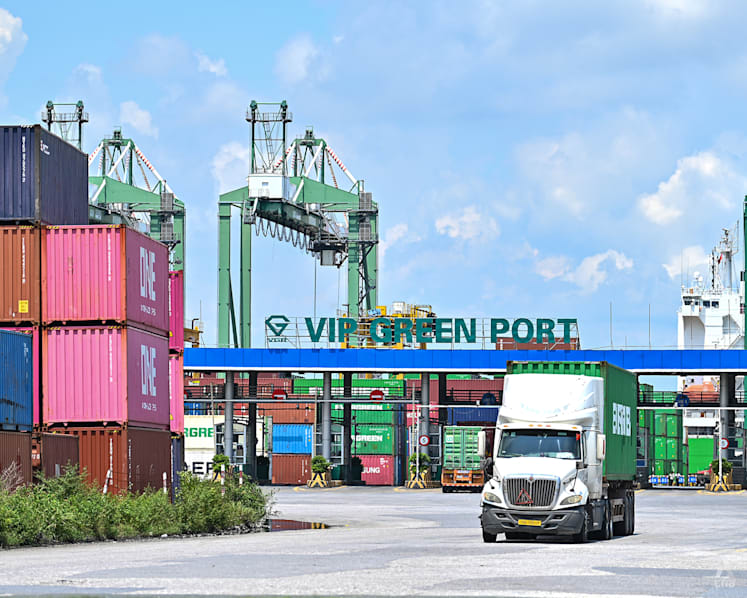
VIP Green Port in Hai Phong, Vietnam. (Photo: CNA/Zamzahuri Abas)

This audio is generated by an AI tool.




KUALA LUMPUR/JOHOR BAHRU: The United States’ latest trade probes into key partners over alleged unfair trade practices have cast a shadow over Southeast Asia’s export-driven economies, with analysts warning that the region is being targeted for its deep integration with China-linked supply chains.
Trade experts say the investigations - more formal and legally grounded than earlier reciprocal tariffs that were eventually struck down by the US Supreme Court - are likely to focus on countries running large and growing trade surpluses with Washington, including Vietnam, Thailand and Malaysia.
Still, observers urge Southeast Asian governments to use the probe hearings to defend their positions and to use bilateral trade talks with the Trump administration to seek clarity and possible deals.
The US Trade Representative’s Office (USTR) on Mar 11 dropped a bombshell when it announced a trade investigation into alleged excess industrial capacity against 16 of its most important trade partners.
The list includes China, the European Union (EU), Singapore, Switzerland, Norway, Indonesia, Malaysia, Cambodia, Thailand, Korea, Vietnam, Taiwan, Bangladesh, Mexico, Japan and India.
The probe is done under Section 301 of the US Trade Act of 1974, which analysts say is a legal tool Washington uses to investigate and penalise countries it believes are treating American businesses unfairly.
A day later, it opened a new Section 301 investigation which takes aim at 60 countries on alleged failures to stop exports made with forced labour. The 60 countries listed include all 16 countries named in the first case, and also the likes of Canada and Brazil.
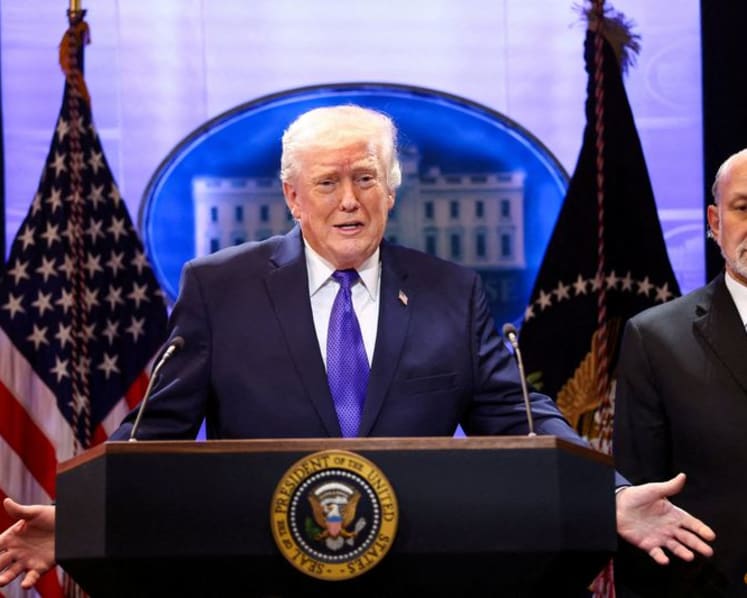
Analysts told CNA that these investigations are clearly a move by US President Donald Trump to restore the “Liberation Day” tariffs that were struck down by the US Supreme Court in February.





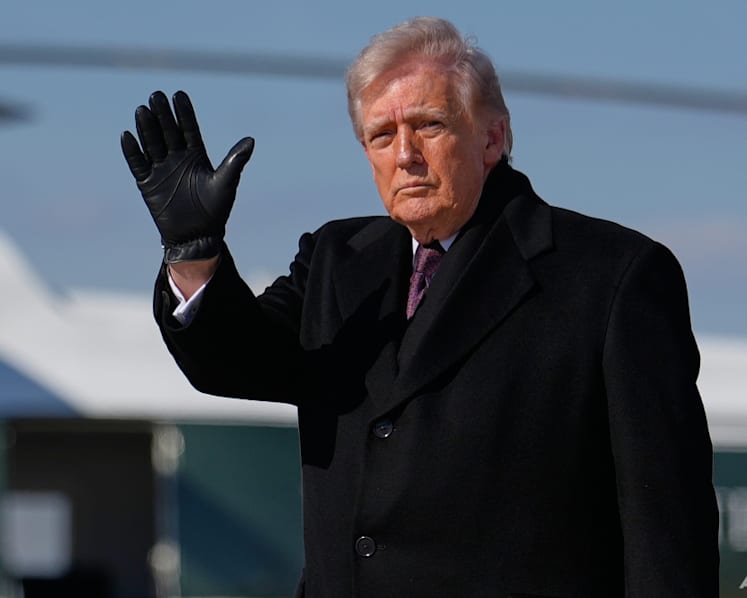
Trump had moved swiftly to announce a new 10 per cent global import duty under a separate legal justification, but that was an interim measure that will expire in July 2026.
Previously, most Southeast Asian countries faced tariffs of at least 19 per cent under the earlier regime, with Singapore the only exception, retaining the baseline 10 per cent rate.
Economic researcher Jaideep Singh of the Institute of Strategic and International Studies Malaysia told CNA: “Trump is attempting to rebuild his tariff wall using other instruments of American legislation. Unlike the ‘reciprocal’ tariffs … the invocation of Section 301 involves a period of investigation and a public hearing.
“Washington is therefore mainly focusing on the US’ largest trading partners and the countries with which it runs the biggest bilateral deficits. This is why the list of countries covered in the probe on excess capacity largely mirrors that of the US’ largest bilateral deficits by trade value,” he said.
US ACTS AS “JUDGE, JURY AND EXECUTIONER”
Trade experts have warned that the Section 301 probes are potentially more disruptive than reciprocal tariffs for many Southeast Asian countries given their deep integration with China-linked supply chains.
They outlined that Section 301, unlike reciprocal tariffs, are discretionary and broad, making it unpredictable for Southeast Asian exporters to make investment planning decisions.
Reciprocal tariffs can be justified within the framework of the World Trade Organization, while Section 301 is unilateral - the US can act first and deal with disputes later.
Trade and economic policy expert Deborah Elms - in an article published on the Asia-based philanthropic organisation Hinrich Foundation website - said that Section 301 is a much more powerful tool than the reciprocal tariffs as they come with “greater legal certainty for the executive branch”.
“In the hands of an administration determined to stretch regulatory authority, Section 301 now contains worrisome provisions that allow repeated expansion and revision once a case has been opened. Even lapsed cases can be resurrected,” Elms wrote.
She added that if trade negotiations with partners were unsucessful, Washington is authorised to impose duties or import restrictions, withdraw or suspend trade agreement concessions or compensate the US with trade benefits.
“The level of action in retaliation may be an amount deemed equivalent in value to the burden or restriction on US commerce … Under Section 301, the US effectively acts as judge, jury, and executioner,” said Elms.
She added that these investigations are likely to be “rushed affairs”, noting that while previous investigation periods last for months or years, recent cases are "extraordinarily short”.
Hearings for the probes on forced labour will be held from Apr 28 to May 1 while the ones on excess capacity are from May 5 to May 8. After a seven-day period to allow post-hearing rebuttals, USTR could issue determinations at any time, Elms said.
She also cited how tariffs under Section 301 were imposed on a wide array of Chinese exports in 2018 at rates of between 7.5 per cent and 25 per cent. These impacted US imports from China worth about US$370 billion.
China countered with tariffs on US$110 billion worth of US exports. Both sides have since granted some exceptions, but most tariffs remain in effect.
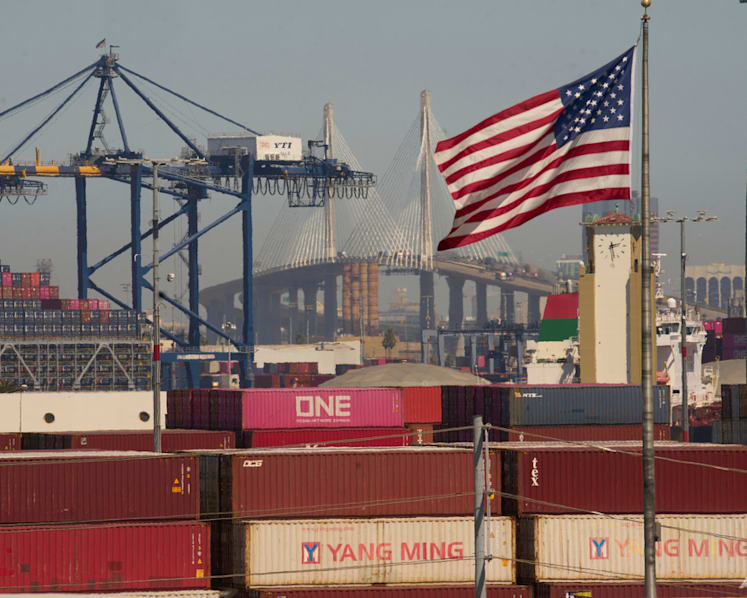
VIETNAM, THAILAND, MALAYSIA UNDER SCRUTINY
For observers, the Trump administration’s main objective is the same as when he imposed reciprocal tariffs - to narrow major trade deficit gaps with partner countries.
They added that Section 301 is explicitly geopolitical and can be used by the US to counter strategic concerns with China’s industrial policies.
China and the US are two global economic superpowers in a tense trade war.
Many Southeast Asian countries are caught in the middle as they benefit from supply chain ties with China, but could be exposed to Section 301 probes if they are seen, for instance, to export goods to the US which are deemed to be transshipped from China.
Transshipment, at its most basic, is the process of transferring goods from one mode of transport to another at an intermediary location to continue their journey to a final destination.
Southeast Asian countries with the largest trade surplus with the US - Vietnam, Thailand and Malaysia - are likely to be most impacted by the probes, said Jayant Menon, Visiting Senior Fellow with the Regional Economic Studies Programme at the ISEAS–Yusof Ishak Institute in Singapore.
“Vietnam has the largest surplus with the US in the region, and is also perceived as being a backdoor entry point for China into the US, so it is likely to be a particular focus. Thailand and Malaysia are also perceived as potential transshipment points for Chinese exports and may be scrutinised,” said Menon.
Vietnam saw its trade surplus with the US increase from US$123.5 billion in 2024 to US$178.2 billion in 2025, a 44 per cent spike.
And in January of this year, Vietnam's trade surplus with the US reached US$19 billion for the month, the biggest surplus for all trading partners, followed by Taiwan, Mexico and China.
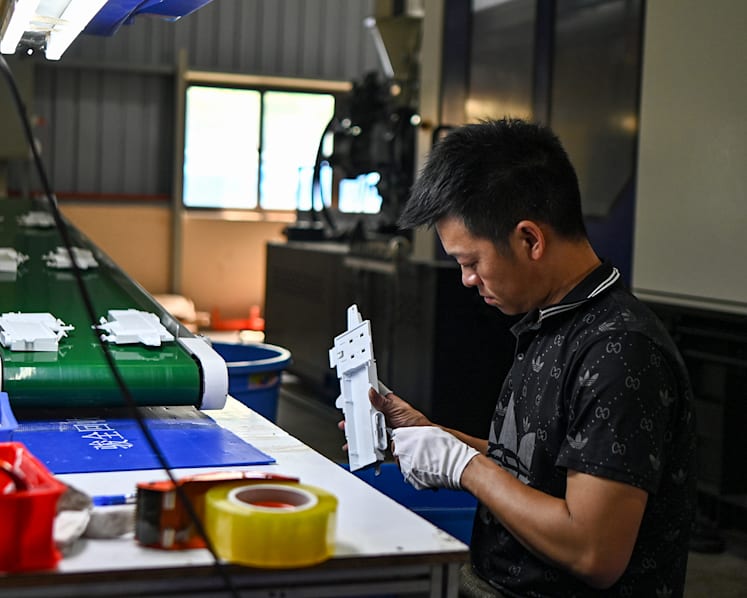
Vietnam has benefitted from supply chains shifting out of China via the China Plus One strategy, driven by electronics, textiles and furniture sectors. It is a business move that attempts to diversify their supply chains in order to avoid US tariffs on goods from China.
In its official docket for the probes, the USTR identified Vietnam as maintaining a persistent global goods trade surplus, fuelled by a broad spectrum of high-volume exports ranging from electronics and machinery to apparel and steel.
“Vietnam also functions as a hub for the final assembly of goods before export, which contributes to its trade surplus,” it added.
Meanwhile, Thailand has also seen its trade surplus surge from US$45 billion in 2024 to US$51 billion in spite of the reciprocal tariffs imposed.
Thailand is a major exporter of automobiles, machinery, processed food and chemicals. These sectors overlap with industries cited in the US investigations.
Many Thai exports are part of production networks tied to Chinese industrial capacity. Even if Thailand itself is not overproducing, it may be seen as part of the system that distributes excess capacity globally, experts said.
Thitinan Pongsudhirak, a professor of political science and international relations at Chulalongkorn University, told CNA that it is thus “unsurprising” that Thailand is targeted in these probes.
“Thailand also has to be careful about transshipment allegations. While China's trade surplus with the US declined last year, Thailand's (and Vietnam's) went up. So Washington may suspect that Chinese goods are being exported through these Southeast Asian countries,” he said.
Meanwhile, Malaysia maintained a US$24 billion bilateral goods trade surplus with the US in 2025, a figure largely driven by sectors such as electronics and machinery. This is the third highest among Southeast Asian countries.
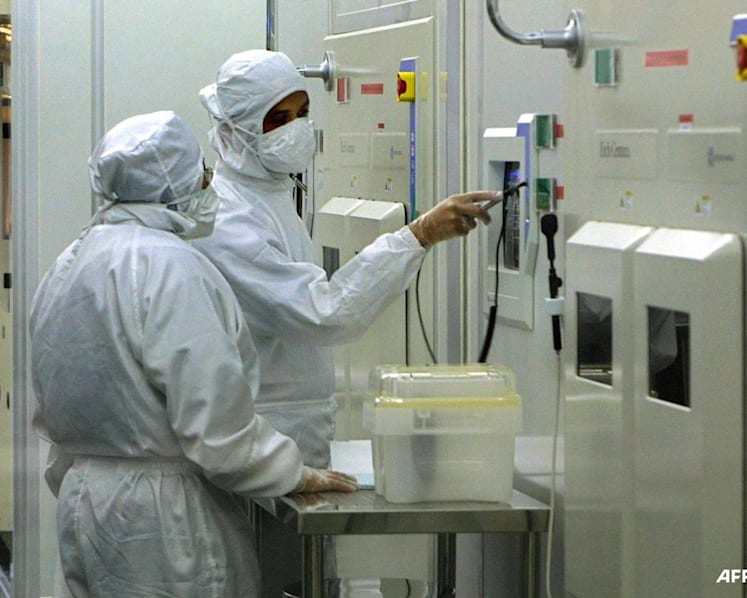
Experts stressed that it could be targeted due to how many of its supply chains in semiconductors and electronics assembly are deeply integrated with China.
They added that Malaysia is a key global player in chip packaging, testing and electronics - and these areas are tied to US national security policy. This makes Malaysia more exposed to probes framed around technology protection, experts said.
Economist Sedek Jantan of IPP financial advisers in Malaysia told CNA: “Any investigation that results in tariffs or trade remedies could erode the cost competitiveness of these exports and weigh on Malaysia’s export-driven industrial base.”
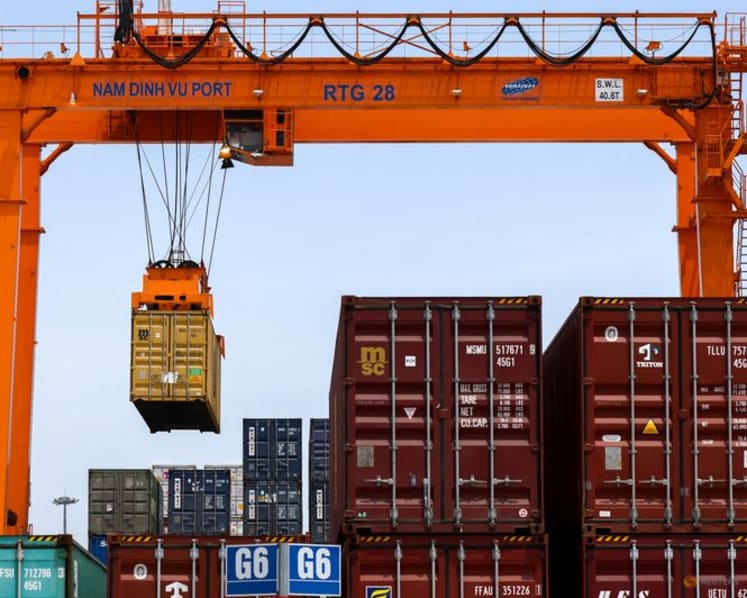
MOTIVE OF INVESTIGATIONS QUESTIONABLE: ANALYSTS
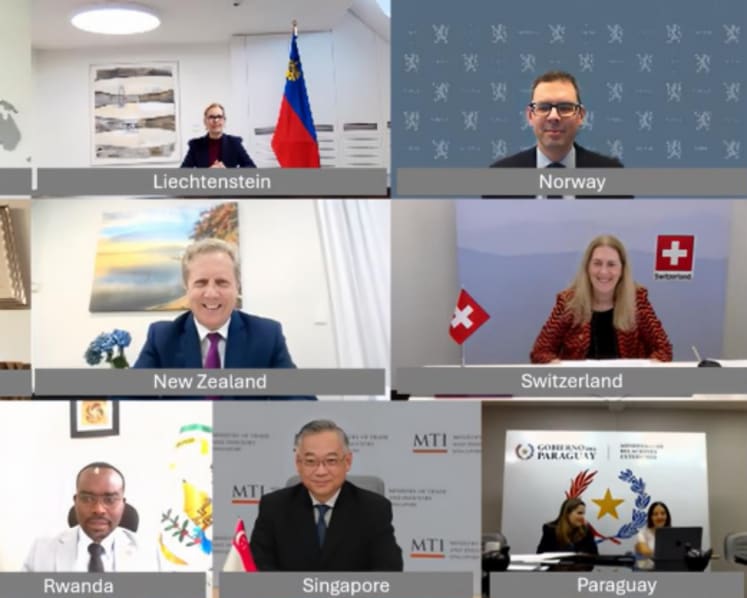
The likes of Indonesia and Singapore are named in both probes. In line with this, experts also questioned the point on the probes, especially the second investigation which cites forced labour.
Singh of ISIS Malaysia said that while forced labour should be condemned, the US’ sudden interest in investigating its trading partners’ labour standards appears to be first and foremost an “attempt to legitimise and reconstruct” Trump’s tariff wall.
He outlined, for example, that it was questionable that Singapore is being investigated even though it is ranked “Tier 1” in the US 2025 Trafficking in Persons Report.
The report is a primary US government tool for assessing global anti-trafficking efforts and a Tier 1 reading means that a country is in full compliance with the set minimum standards.
“By targeting its largest trading partners rather than countries that have truly been blacklisted or made the watchlist, and given the timeline for the investigation that follows from the Supreme Court judgment, the US appears somewhat disingenuous in its attempts to address trade in goods made using forced or trafficked labour,” he said.
Thitinan echoed similar sentiments, outlining how the forced labour probe seemed like “just another coercive geoeconomic toolkit”.
“Ultimately, it's about the US trade deficits in view of the America First and Make America Great Again mantras,” he said, referencing Trump’s protectionist ideology.
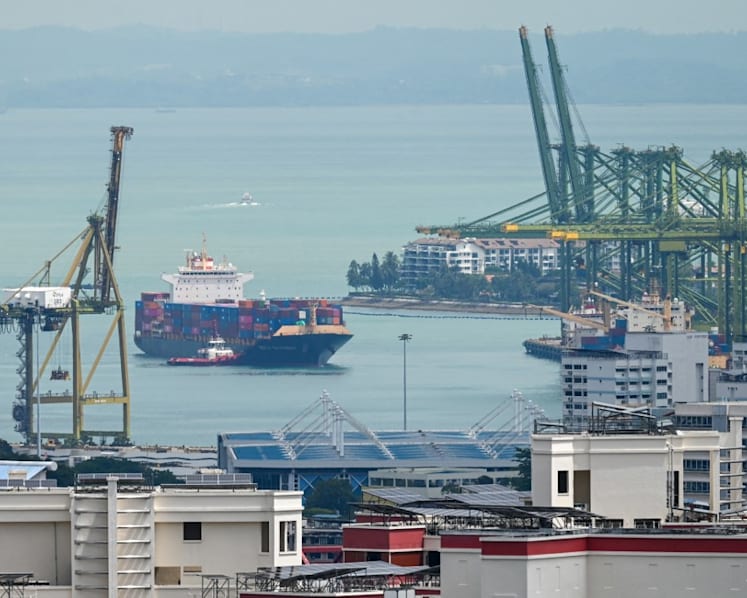
The Singapore government has disputed the claim by the US that it runs a trade surplus with Washington, stressing that it has a trade deficit of US$27 billion in 2024.
It has also disputed the point made by USTR that Singapore has "continued to expand manufacturing capacity despite a drop in industrial occupancy rates".
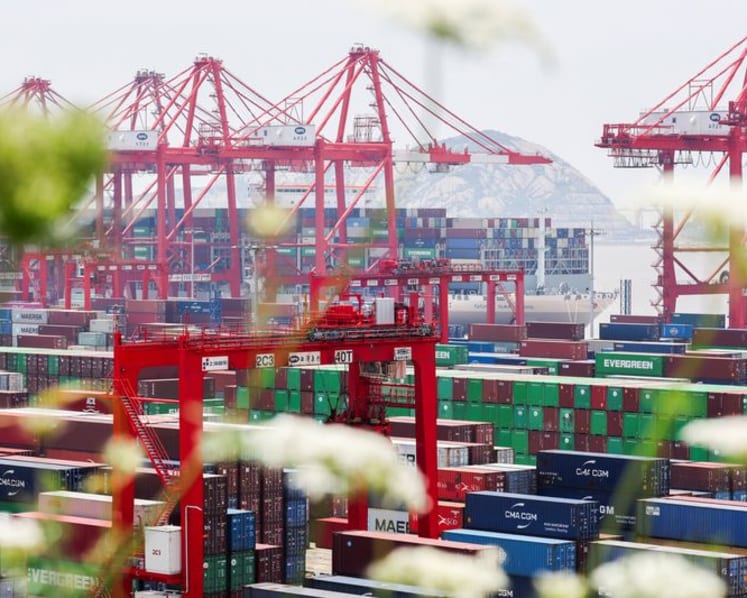
Additionally, Southeast Asia’s largest and most populous country Indonesia is also at risk of scrutiny for the probes as the US could be using it to pressure Jakarta to stick to an Agreement of Reciprocal Trade (ART) the two countries had signed, experts told CNA.
Indonesia inked the agreement in February but has not ratified it. A report by the Jakarta Post on Mar 19 quoted an Indonesian government spokesperson as saying that ratifying the agreement is not on its near-term agenda and that it is prioritising countering the new Section 301 probes.
Hikmahanto Juwana, an expert on international law from the University of Indonesia, questioned the timing of these probes and its significance of such allegations only being brought up recently.
“So why weren’t these allegations also discussed during the ART negotiations? Why are we only hearing about these allegations now, one month after Indonesia inked the ART and one month after the US Supreme Court found that Trump’s tariffs were imposed not through legal means,” he said.
COUNTRIES SHOULD FIGHT THEIR CASE IN PROBES, RENEGOTIATE INDIVIDUAL DEALS
Despite the probes potentially triggering strict sanctions, analysts said that it is important for all Southeast Asian countries to participate proactively and diplomatically in the USTR’s investigations - including the proposed hearings - to defend against accusations of overcapacity.
Singh said that countries should highlight efforts that have been taken to address any industry-specific overcapacity where applicable.
For instance, he said it was a stretch to conclude that Malaysia’s steel capacity has cost American steel its competitiveness as alleged by the USTR, pointing out that Malaysia was not a major exporter of steel compared to China, Germany, and South Korea.
He said that Malaysia’s Steel Industry Roadmap 2035 highlighted strategies to address the overcapacity that is observed in some segments of the steel sector, which was also a policy concern for Malaysia.
“This could help build some goodwill to ensure the investigations are conducted fairly and take into account the different nuances in different industries,” said Singh.
On their part, Indonesian officials have staged a meeting with local business leaders to discuss how best to respond to the US allegations.
“The most important thing right now is that we prepare strong arguments showing that Indonesia has already implemented or has provisions in place to address these concerns,” Haryo Limanseto, a spokesman for the Indonesian Coordinating Ministry for Economic Affairs, said in a statement.
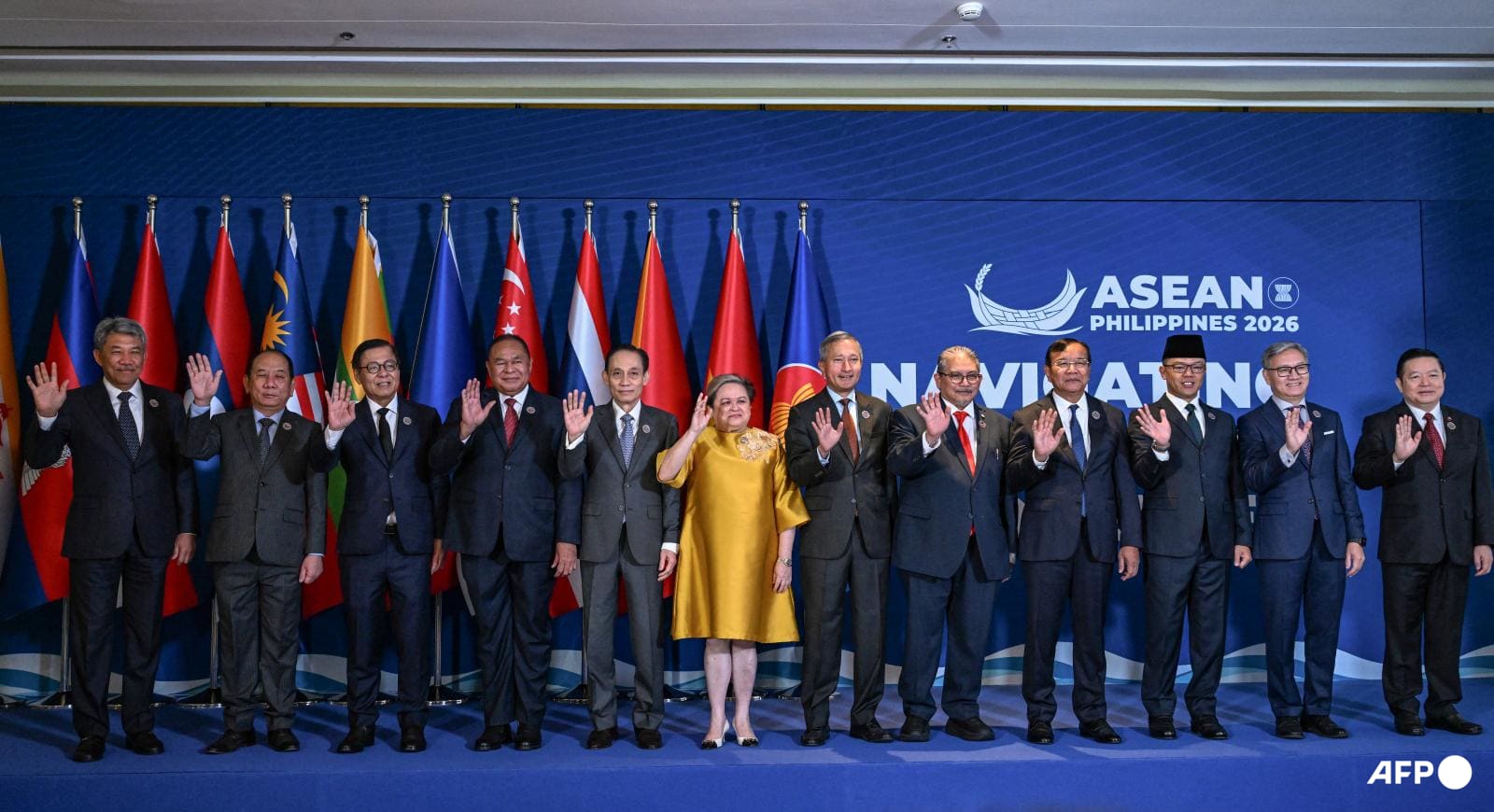
Separately, Sedek of IPP financial advisers hoped that Malaysia and other Association of Southeast Asian Nations (ASEAN) economies could come up with a coordinated regional response against the US probes.
He said that ASEAN governments should work closely to demonstrate that exports from the region reflect genuine manufacturing activity rather than transshipment, particularly by strengthening rules-of-origin compliance, supply chain transparency and trade traceability.
“Trade ministries and customs agencies must be able to provide credible production data that clearly shows where value is created within ASEAN supply chains,” he said.
Sedek stressed that ASEAN also needs to respond strategically to the growing politicisation of global trade.
“The region should deepen intra-ASEAN coordination and jointly explore new export markets, rather than relying excessively on a single destination.
“As Asia has become one of the world’s largest consumption centres, expanding the depth and breadth of regional trade integration can help cushion external trade shocks while preserving ASEAN’s role as a critical node in global manufacturing networks,” he said.
The launch of these new probes has also cast a shadow over existing trade agreements, with critics arguing that deals signed under the threat of the now-illegal reciprocal tariffs may be essentially “nullified' or require total renegotiation.
Malaysia’s Minister of Investment, Trade and Industry Johari Ghani said that the ART that was signed during the 2025 ASEAN summit in Kuala Lumpur was now considered null and void following the US Supreme Court ruling.
Sedek said that while this was the case, its structural elements remain relevant.
“The framework established important foundations in supply chain cooperation, tariff predictability and investment collaboration, which can still serve as a reference point for future trade engagement between Malaysia and the US,” he said.
Singh meanwhile believed it could be beneficial for countries that have signed deals with the US in the last few months to pause ratification, thereby striking a balance between total abandonment of commitments and ratifying an unimplementable deal.
He added that these countries may then be treated positively in future Section 301 investigations, which could put ASEAN countries in a better position to navigate the increasingly uncertain trade landscape.
Tauhid Ahmad, a senior researcher from the Indonesian think tank Institute for Development of Economics and Finance, questioned the motive of the investigations, alleging that they were a tool used by the US to remind countries not to deviate from existing deals struck in the wake of the reciprocal tariffs and not to renegotiate them.
“Our interests are at stake. At the very least, we should initiate a renegotiation,” said Tauhid.
Additional reporting by Jack Board and Nivell Rayda