







Commentary: Independent senior living must be the norm in ageing Singapore
If seniors stay active, connected and supported in familiar neighbourhoods, it reduces strain on families and lets older Singaporeans age on their own terms, says SUSS’ Kelvin Tan.
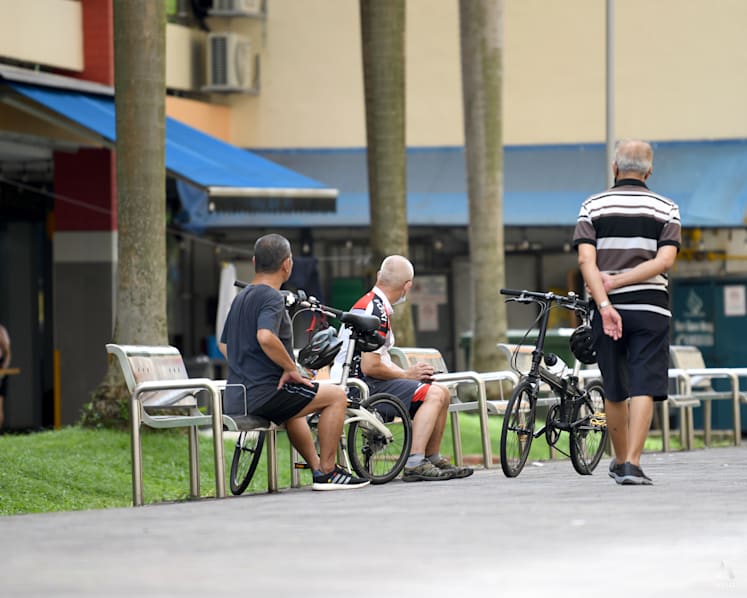
Elderly men resting on park benches in Singapore. (Photo: CNA/Calvin Oh)

This audio is generated by an AI tool.


SINGAPORE: Mdm C is 85 and a double amputee. For years, she lived with her youngest son and her husband, who had Parkinson’s disease. When her husband passed away, she moved into a nursing home. It was safe, but the routine was rigid and the environment felt confining. She longed for something different – a place where she could still make her own choices while receiving the support she needed.
Her search led her to a community care apartment at Harmony Village. There, she found a balance: help with daily tasks like laundry and medication reminders, but also the freedom to head to the hawker centre for her own meals, join morning exercise and play mahjong with new friends. In this setting, she regained both choice and dignity.
Stories like hers show what is possible. But Singapore is on the cusp of a profound demographic shift. By 2030, one in four Singaporeans will be 65 or above. More than one in 10 seniors already live alone.
As lifespans lengthen and family sizes shrink, how will we ensure that older Singaporeans can thrive in the years ahead?





The answer lies in preparing our elderly to live independently. Variants of the independent senior living model are well-established overseas, especially in the United States and United Kingdom, where seniors live in purpose-built communities that combine safety, support and social connection. Singapore is now testing its own versions.
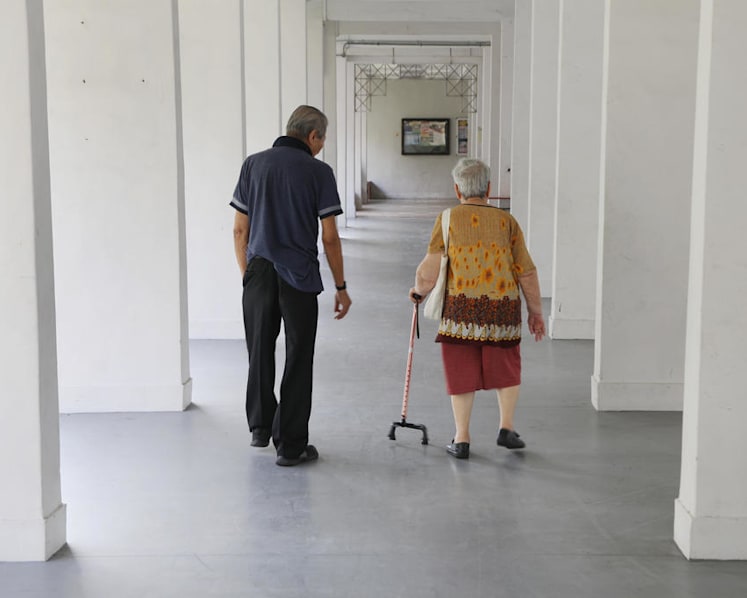
WHY NURSING HOMES SHOULDN’T BE THE DEFAULT
For decades, nursing homes were the fallback. They offered round-the-clock care, but often at the cost of independence and community ties. Residents may be looked after, but they are also cut off from familiar routines and neighbourhoods.
Nursing homes will always have a role for those with complex medical needs. But as the population ages, they cannot be the default option. If we rely only on this model, families will continue to burn out, and hospitals will struggle with the rising tide of frail seniors.
We must rethink how our towns are built. Much of Singapore’s housing went up when families were younger. Senior living models, in turn, were designed around heavy medical care. With populations ageing and expectations changing, this old design no longer fits.
Independent senior living offers the way forward. By making it possible for seniors to stay active, connected and supported in familiar neighbourhoods, it reduces strain on families, prevents costly hospital stays and lets older Singaporeans age on their own terms.

BODY, MIND AND COMMUNITY
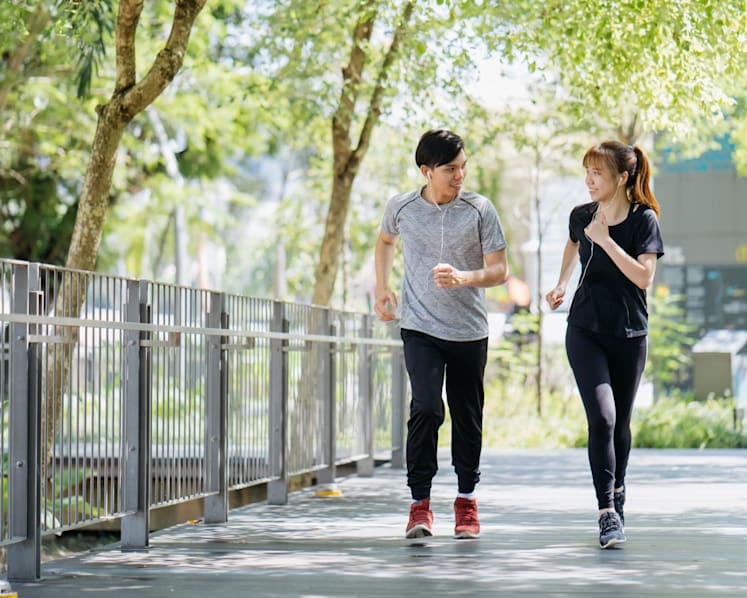
Independent living works because it strengthens body, mind and community. The body comes first: Well-designed estates with safe paths and gardens make it easier for seniors to stay active. Even a few minutes of walking or climbing stairs daily lowers the risk of heart disease and frailty.
The mind benefits too. When older adults mix exercise with learning and social activities, their memory and focus stay sharper. It is not always about lessons, but sessions that spark curiosity – puzzles, workshops, or chatting with younger neighbours.
And then there is community. Loneliness shortens lives, but when housing creates chances to meet – in a shared kitchen, sky garden or club downstairs – friendships form.
For families, shared facilities lower costs, integrated centres save commuting time, and seniors stay part of the community rather than being isolated.
LESSONS FROM ABROAD
Global examples reinforce the point. From Japan’s neighbourhood groups to Northern Europe’s co-housing projects, seniors thrive when supported by well-designed spaces and comprehensive programmes.
Private operators in Asia are also moving in this direction. In Hong Kong, senior living services provider Ventria Residence launched premium serviced apartments in Happy Valley, while Hygge Living Rehabilitation Centre offers one-stop facilities that meet the elderly’s physical and mental needs.
Beyond design, technology can reinforce the pillars of body, mind and community when applied thoughtfully. Smart homes and wearables help seniors track their health. Telehealth services make it easier for seniors to get healthcare without leaving their home. A study in Melbourne found that technology-enabled community care helped older adults understand their health better and adopt healthier routines.
But technology must complement, not replace, the human contact that makes community living work.
THE REAL TEST
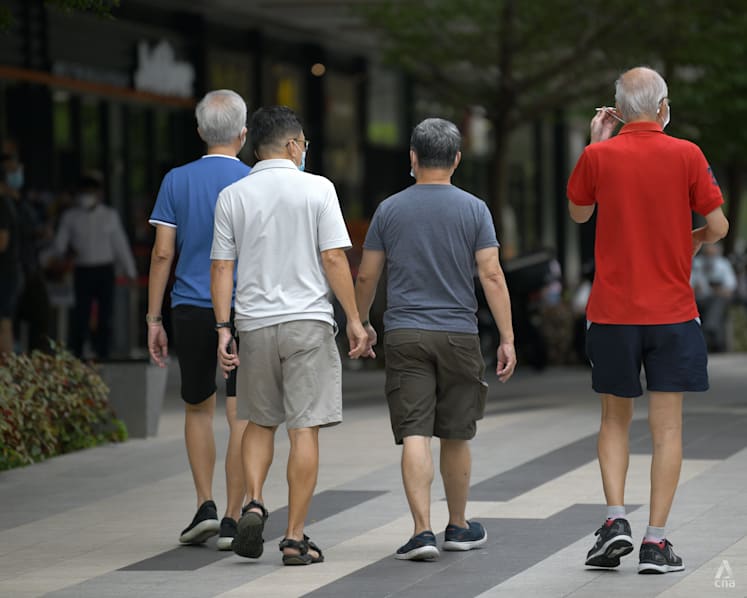
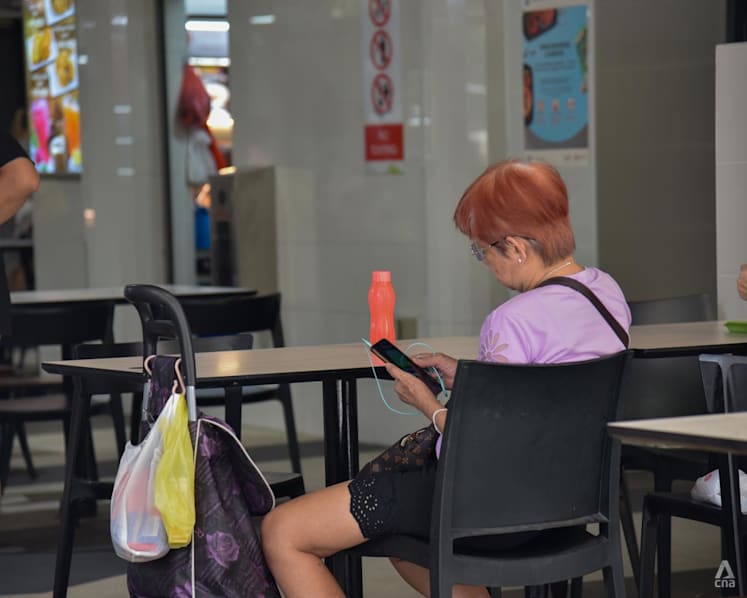
Singapore has already taken steps in this direction. Silver Zones calm traffic in older estates, and Kampung Admiralty has modelled how a housing estate should be designed for seniors. Since 2024, community care apartments have offered another option: senior-friendly flats with on-site support and services.
At Harmony Village in Bukit Batok, the model that gave Mdm C her balance is drawing strong interest. Residents say they value the smaller units, which are easier to manage while still giving them freedom for daily routines. The communal spaces are a draw, and demand is strong – there is already a queue for such flats.
In his National Day Rally 2025 speech, Prime Minister Lawrence Wong announced “Age Well Neighbourhoods”, starting in Toa Payoh and later in other towns. The idea is to bring the essentials of community care – home support, Active Ageing Centres and neighbourhood health posts – into the estate, so seniors can age where they live.
Health Minister Ong Ye Kung later fleshed out the plans, from expanding centres and health posts to upgrading amenities and making neighbourhoods more senior-friendly.
These initiatives show real commitment, but they are still at an early stage. The real challenge is whether they can be scaled up and kept affordable for ordinary families.
Mdm C was able to secure a community care apartment. But for now, such options are available only in a handful of sites, with demand outstripping supply. The test is whether Singapore can make independent living the rule rather than the exception.
Ageing is not just another issue. In just five years, it will touch every family, every workplace and every estate. Singapore has a chance to show that growing old does not have to mean retreating from society, but remaining part of it.
Independent living offers that chance: easing pressure on families and hospitals, while letting older Singaporeans spend their later years in the neighbourhoods they know best. The choices made today will decide whether ageing means decline or dignity. That is Singapore’s real test.
Dr Kelvin Tan is the head of the Minor in Applied Ageing Studies programme at the Singapore University of Social Sciences.




