Commentary: IndiGo cancellations highlight weaknesses in India aviation
The low-cost airline, whose tagline is “On Time, Every Time”, was ill-prepared for new regulations, says Endau Analytics’ Shukor Yusof.
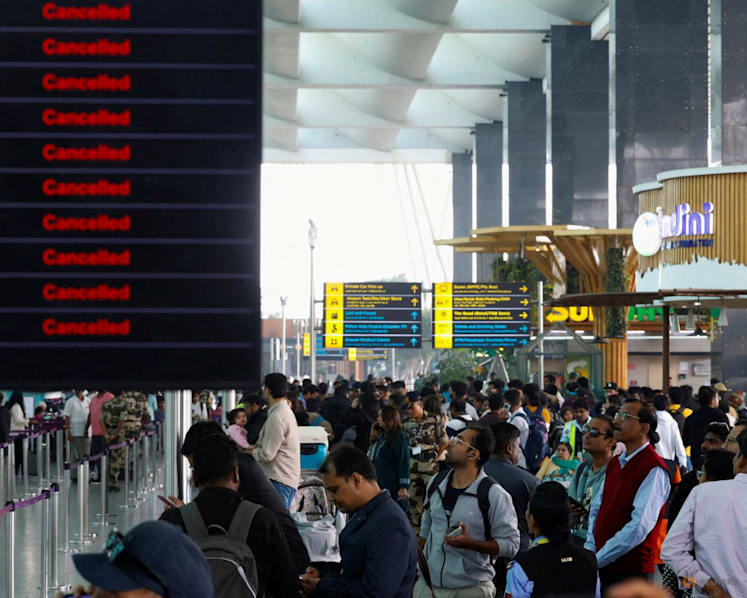
Travellers look at updates on flights, as they stand next to a screen displaying details of cancelled IndiGo Airlines flights, at Kempegowda International Airport in Bengaluru, India, on Dec 6, 2025. (File photo: Reuters/Priyanshu Singh)

This audio is generated by an AI tool.
SINGAPORE: Not too long ago the reputation of IndiGo, India’s largest budget carrier, was unassailable.
It holds a 65 per cent domestic market share in terms of passengers carried, and operates over 400 aircraft and 2,000 daily flights. These numbers easily surpass that of Air India Group, the company controlling the national carrier.
Those who have flown IndiGo say the airline’s punctuality, competitive fares and safety are unbeatable in India’s cutthroat airline industry. But by mid-December, the image of the low-cost airline, whose tagline is “On Time, Every Time”, was in tatters.
It began on Dec 2 when observers and passengers noticed a flurry of flight cancellations, from several hundred daily to over 1,000 on Dec 5 alone.





Since Dec 5, over 3,400 flights have been cancelled, causing massive disruptions at airports all over India and stranding thousands.
This was unheard of for an airline with the lowest cancellation rate in the country. In October, IndiGo reported a mere 0.5 per cent in cancellations.
HOW DID IT COME TO THIS?
The crux of the problem is pilot shortage. In 2024, the Indian government introduced Flight Duty Time Limitations (FDTL) to enhance working hours of pilots and cabin crew.
Some measures of the FDTL include a mandatory weekly rest of 48 hours for pilots, and capping pilots’ night flying to 10 hours.
Though FDTL was scheduled to take effect in June 2024, IndiGo and other Indian carriers pushed back on the changes, deferring implementation to two phases in July and November 2025.
IndiGo was able to complete the first phase from Jul 1 without issues. However, it could not fulfil rules as ordered on Nov 1, particularly the limitation on night landings for crew dropping from six to two per week. IndiGo was ill-prepared for the change, leaving it short of legally rested crew, thereby forcing it to ground over half its fleet.
While the FDTL is at the heart of the turmoil, the situation was compounded by IndiGo’s inattentiveness to and misreading of new rules.
PILOT SHORTAGE, SAFETY LAPSES
Some critics in India, meanwhile, suggested the crisis arose from many intertwining factors.
Most agree there is an acute shortage of pilots in a country whose airline industry is growing faster than that of the US and China.
IndiGo has grown at breakneck speed and placed orders for hundreds of aircraft. This rapid growth has not kept pace with the demand for pilots.
The same can be said for other Indian airlines, too. But, because IndiGo is the most profitable and largest carrier, this shortage has hurt it most.
India’s pilot training ecosystem – lacking in funds and mired in bureaucracy – is partly to be blamed. Experienced Indian pilots are lured to wealthy Gulf carriers such as Emirates and Qatar Airways, where salaries and working conditions are better, further depleting the domestic pilot pool.
On top of these, overall management practices in India’s aviation sector are sloppy. For instance, regulators said on Dec 2 that Air India operated an aircraft eight times without a valid safety certificate.
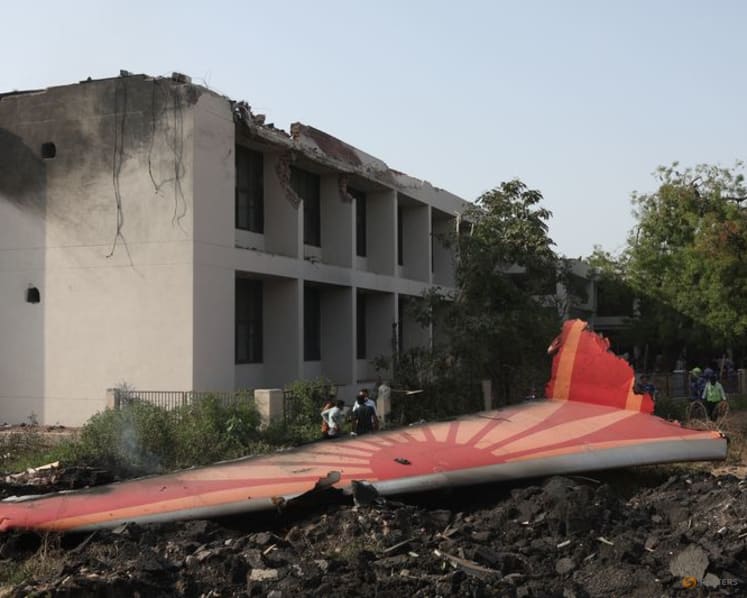
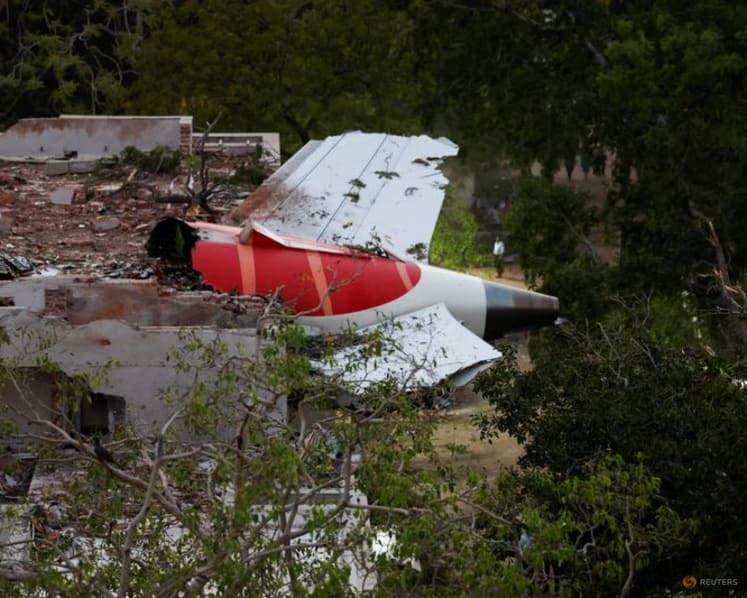
Upon further investigation, the airline said it found “systemic failures” which led to the lapse. Meanwhile, the probe into the deadly Air India crash in June is ongoing, whose cause has been widely speculated about.
AIRLINE OLIGOPOLY
Does IndiGo’s fall from grace mean it is unhealthy for India to rely on one or two airlines? After all, IndiGo and Air India Group make up over 90 per cent of the market share.
Airline oligopolies are not exclusive to India. In Indonesia, Lion Air Group, owned by businessman Rusdi Kirana, accounts for about 70 per cent of the archipelago’s vast air network.
The aviation industry’s high barriers to entry make it difficult for more companies to compete for market share. This has the benefit of sifting out rogue airlines that are badly run and aren’t well capitalised.
A few Indian opposition politicians have taken advantage of the crisis to blame Prime Minister Narendra Modi’s government which, they allege, gives select companies a virtual monopoly.
Indian aviation minister K R Naidu rejected the monopoly accusation. He placed the blame singularly on IndiGo, reinforcing the government’s pro-competition posture.
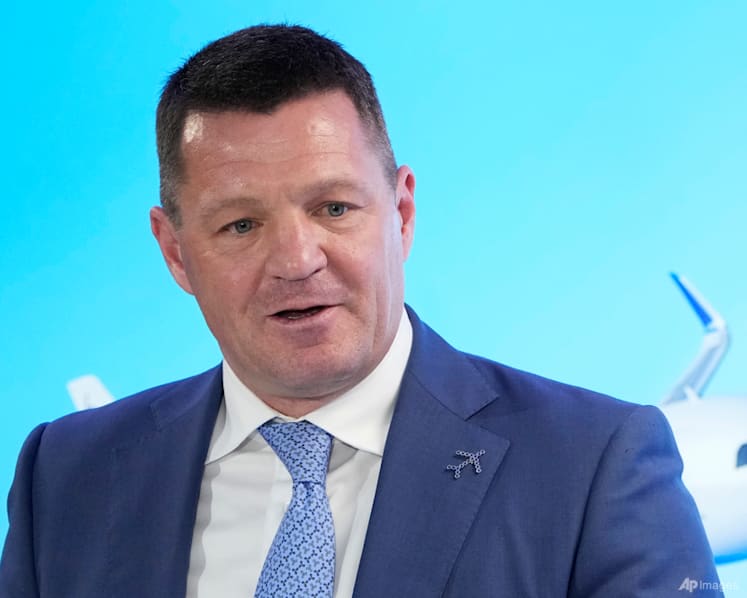
IndiGo CEO Pieter Elber has apologised for the chaos, adding that operations have stabilised and the airline is now “back on its feet.”
More importantly for IndiGo and its parent company InterGlobe Aviation, investors have stayed faithful. Despite a brief sell-off of the company’s stock during the flight cancellations, its share price has rebounded and recouped much of its losses.
Airline shares account for a small fraction – under 1 per cent – of India’s total market capitalisation. That said, listed and unlisted aviation entities, valued at US$18 billion in 2025, are projected to grow between 3 and 5 per cent up to 2030.
Indeed, much of India’s claim as an emerging superpower is pinned on its growing economy and its army of brilliant engineers. Yet its airline industry faces structural weaknesses which must be addressed for it to be considered successful by global standards.
Shukor Yusof is the founder of Endau Analytics, an independent aviation advisory firm based in Singapore.