







Commentary: Ageing Singapore could use a better way of thinking about ‘good’ healthcare for seniors
There are difficult questions about what appropriate and value-based care looks like, especially for frail older patients, say three doctors from Khoo Teck Puat Hospital.

An individual is seen holding an elderly patient's hand. (Photo: iStock/Barcin)

This audio is generated by an AI tool.






SINGAPORE: She had colon cancer and the tumour was blocking her intestine, which would have caused her much pain if left untreated. Yet, surgery was not an easy decision for 90-year-old Madam T and her family.
Frailty and cognitive decline were setting in at her age. She would need prehabilitation. She would have to live with a permanent stoma that collects faecal waste in a bag attached to her abdomen. After several discussions on the risks and most appropriate treatment options, Mdm T chose surgery.
Six years later, Mdm T is now a great-grandmother. She is ambulant and able to climb the stairs on her own, which would surely have been impossible if her cancer had progressed without surgery. Initially, Mdm T had difficulty coping with the stoma and felt like a burden, to the point of asking her family to “let her go”, but gradually, she adapted to living with it.
Despite the initial challenges, Mdm T and her family were glad that their carefully considered decision to undergo surgery turned out to be the right course of action. In our experience, it could have just as easily gone the other way.





Herein lie the uncomfortable questions: What if Mdm T had died after surgery? Or suffered complications that left her bedridden and severely depressed? Would that have made her decision a mistake?
IS VALUE OF CARE ONLY ABOUT OUTCOME?
In an ageing society like Singapore – with rising healthcare costs, the risk of overutilisation and pricey medical advances - shifting towards “appropriate and value-based care” seems not just sensible but necessary.
The idea is clear and attractive: Avoid unnecessary or unhelpful interventions, improve outcomes and steward finite healthcare resources responsibly.
Value is defined as outcomes achieved relative to cost incurred. But value for whom? Which outcomes matter?
For Mdm T, what matters is more personal. Although she remains frail and needs assistance occasionally, she can move on her own at home, savour the food she loves and spend time with her great-grandchildren. What is meaningful to her is not easily quantified.
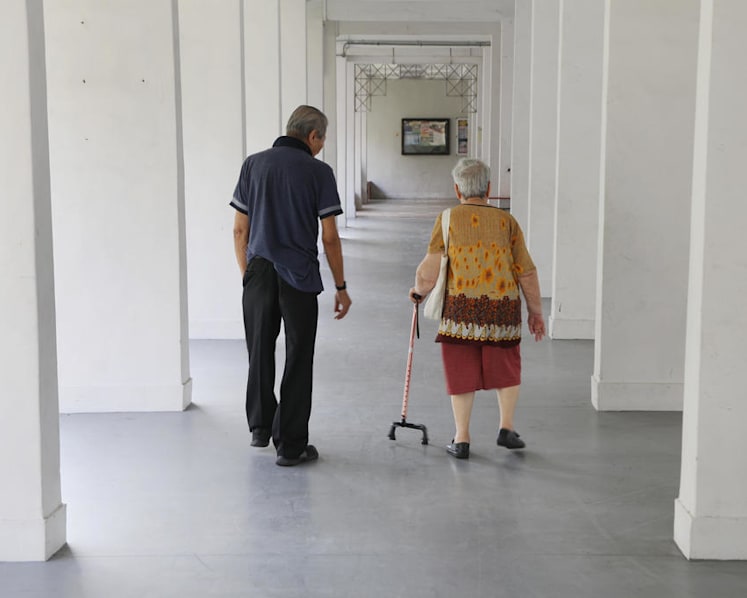

Now consider another case where value comes from doing less, not more.
Mdm X, in her 80s, was referred for a colonoscopy to check for polyps in the large intestine. Her doctors strongly suggested continued surveillance, but she felt this would be a physical, logistical and financial burden.
After reviewing her risk profile, previous colonoscopy results, overall health and life expectancy, she was informed of the probabilities of cancer and procedural risks. With this information, she chose to stop further colonoscopy. Importantly, she felt deep relief when her decision was affirmed and respected by her attending surgeon, which was what she valued most.
But what if, in the ensuing months or years, she develops colon cancer? Would it render her decision or her doctor’s care inappropriate?
PATIENTS VALUE DIGNITY
These stories reveal a tension at the heart of appropriate and value-based care. Systemic value, as defined by clinicians and health systems, is tracked through quantifiable metrics, such as survival and complication rates, length of stay, readmissions, and cost-effectiveness. Healthcare systems also assess value at a population or group level, by metrics of efficiency, sustainability and aggregated outcomes.
These metrics are important, but they do not capture all that matters. Patients and families value dignity – often expressed as independence, meaning, quality of life and sanctity of life, and relationships.

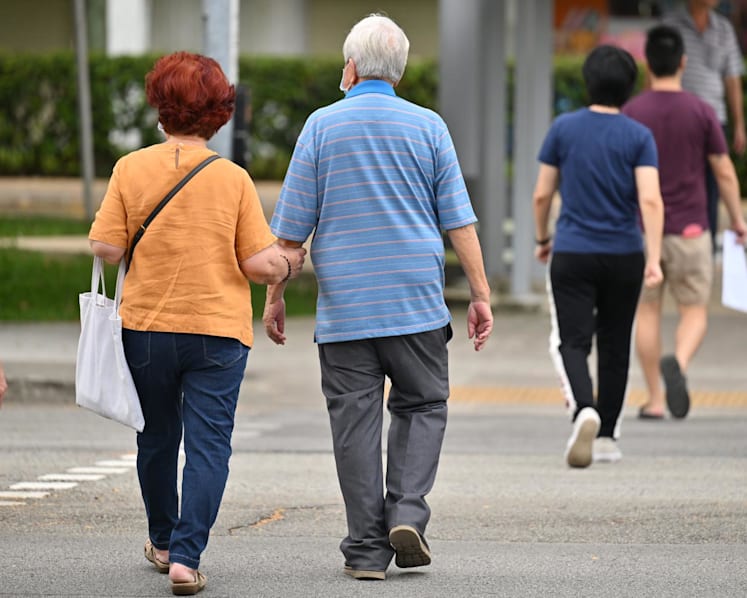
The present emphasis on patient‑reported outcome measures increases the patient’s involvement by capturing how individuals perceive their health and well-being using validated questionnaires and tools. But what patients value most are inherently complex, contextual, intangible and difficult to put a figure on.
If health systems judge care largely by what can be measured, clinicians may be inclined to “cherry pick” patients and practise defensively. This means they avoid riskier treatment or procedures even when clinically feasible and appropriate. Patients may also lose their voice when their preferences do not align neatly with guidelines.
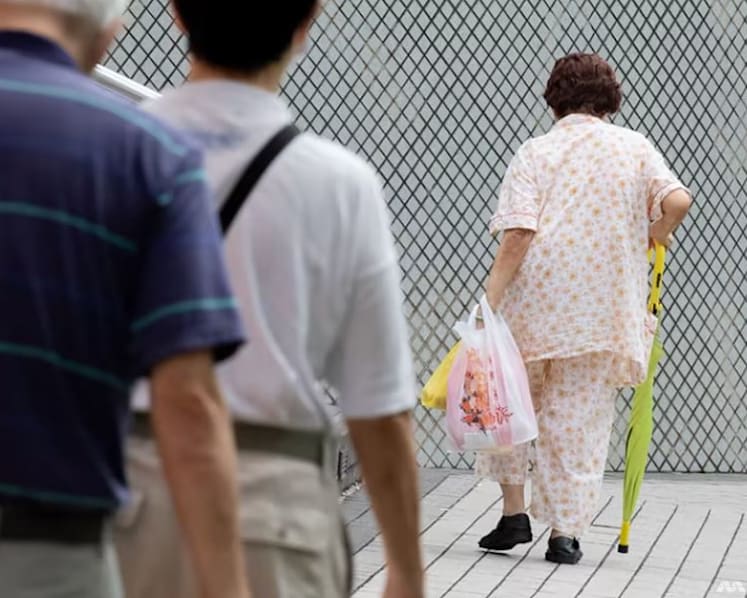
This is especially challenging in care of older adults with frailty, dementia or multiple concurrent illnesses. Symptoms are often atypical, clinical evidence limited, outcomes unpredictable and decisions deeply contextual. Often, these groups are also underrepresented in clinical trials.
Medicine has long embraced duty, intent and professional responsibility, not just outcomes. Even when the outcome is not always as desired, it can offer well-reasoned options, proportionate advice and respect for patient’s values.
SHARED DECISION-MAKING IS NOT EASY
To achieve this, shared decision-making is often held as the ideal but in reality, it is complicated. There is inherent knowledge asymmetry between patients and doctors. And other things like value systems, cultural expectations, family dynamics and personal emotions all shape choices and decisions.
Healthcare professionals must also be careful not to overstate their opinions and accept that there may not be a “right” answer, only a most reasonable one, given the circumstances.
As the population ages, the responsibility of caring for the old and sick loved ones will fall more on the younger or sandwiched generations. Besides physical caregiving, there is also the responsibility of making critical medical decisions. This weighs even more heavily when older patients delegate decision-making to their family members.
Such decisions are often required at critical junctures with a lot of uncertainty and pressure to make the “right” choice. Patients may feel depressed and dejected if they face painful complications and large healthcare bills. Family members may be left with a deep sense of guilt for encouraging the fateful decision.

WHAT TRULY COUNTS
Mdm T’s and Mdm X’s stories ended well, others may not.
But in every case, however, the goal of medicine remains the same: to act with integrity, compassion, and respect for the patient and those to whom he matters.
Success should not be measured by clinical metrics alone. Relational value, built through thoughtful conversations, must also be acknowledged. Crucially, the quality of decision-making itself must be recognised as part of value.
Perhaps the formula needs rethinking. Rather than judging value solely as outcomes divided by cost, the framework should also account for how and whether a rational decision was made – one that was appropriate based on evidence, guidelines and the patient’s context, one aligned with the patient’s care goals, and one in their best interest.
Such a shift would protect clinicians from being penalised for uncertainty. More importantly, it would protect families from being burdened by hindsight guilt, and patients from being reduced to data points.
The pursuit of value in healthcare is not only pragmatic but necessary and noble. A healthcare system must care about outcomes and cost, but it must care about more than that.
In their hardest decisions, “appropriate” and “value” won’t actually mean much to patients and their families. It is how they are helped to make choices they deem most reasonable and how they are treated with honesty, respect and dignity that will matter most.
Dr Faisal Johandi is Associate Consultant in the Department of Geriatric Medicine, Khoo Teck Puat Hospital (KTPH). He is also Honorary Secretary of the Society for Geriatric Medicine, Singapore.
Assoc Prof Philip Yap is Senior Consultant in the Department of Geriatric Medicine, KTPH. He is also Chairman of Dementia Singapore.
Assoc Prof Tan Kok Yang is Senior Consultant in the Department of General Surgery, KTPH. He is also President of the Geriatric Surgery Society, Singapore.




