







Commentary: Seniors need better support, not just more help
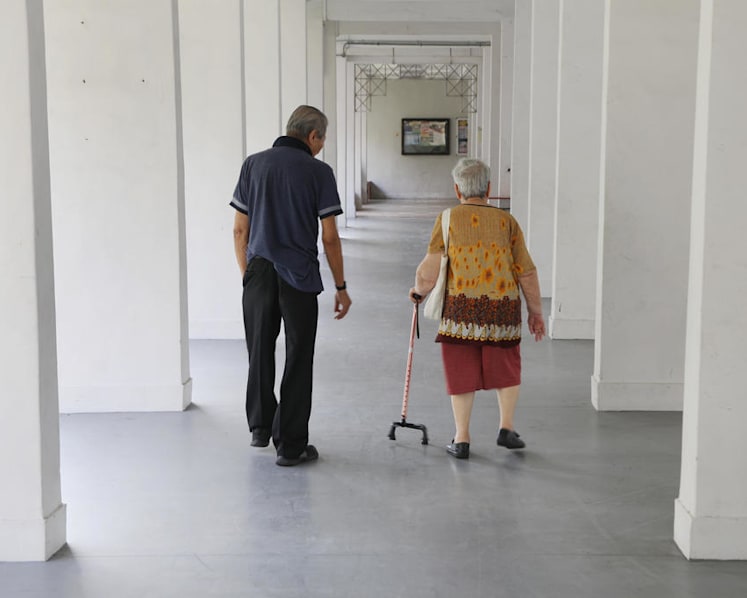
Having better support for seniors means systems that are flexible enough and care that does not unintentionally replace agency, says Nura Hassan from 4S.

This audio is generated by an AI tool.


SINGAPORE: More subsidies, more programmes, more care options. As Singapore steps up support for an ageing population, much of the conversation has largely been focused on doing more. But after years of working closely with seniors, I have come to believe that the real question is not how much more we do, but how much better we do it.
For many seniors, especially those with complex life histories, ageing well is not just about access to care. It is about dignity and choice. And it is about being trusted to live one’s own life, even with support close at hand.
As we approach another Budget season, it is timely to reflect on how our national policies can be better to support these aspirations.
WHAT MAKES COMMUNITY LIVING WORK
Recent Budgets have signalled strong commitment to help seniors age well in the community. Various measures such as enhanced subsidies for long-term care and increased caregiver grants have helped ease financial pressures while widening access to care. On the ground, these measures do make a difference.





We have also seen encouraging outcomes in community living. For example, a 62-year-old senior from our Bukit Batok Home for the Aged was able to transition into supported accommodation in the community. Today, he manages parts of his daily routine, attends activities nearby and speaks with pride about “living like everyone else again”.
The transition was supported through structured social work case management and follow-up. He also had family members who could provide practical and emotional support.
But his experience highlights what’s necessary to make community living work.
Not all residents in welfare homes have ready access to sustained informal support in the community, such as family, friends or social networks, that can reinforce daily routines and emotional stability over time. These needs are not unseen, but they are easy to underestimate. While community support is available, seniors who have spent years in welfare homes without informal support need more time and sustained careful guidance to adapt to new routines, spaces and relationships.
NEED TO RIGHT-SIZE CARE
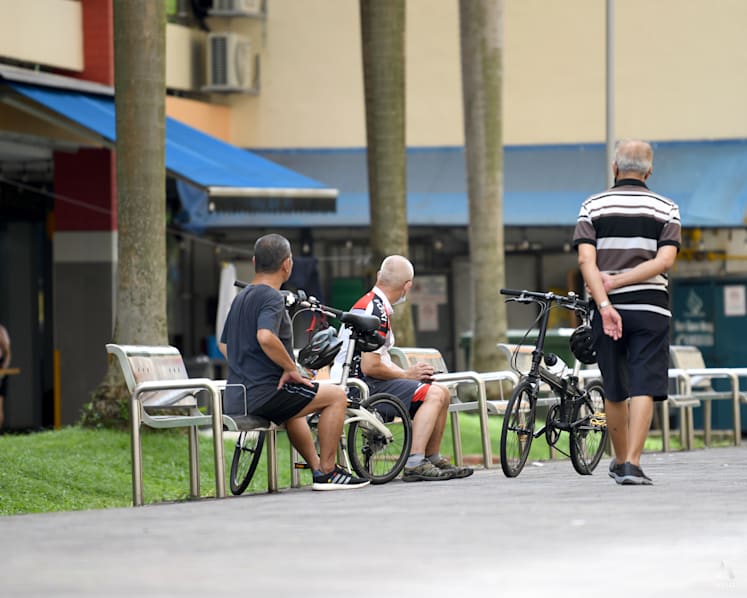
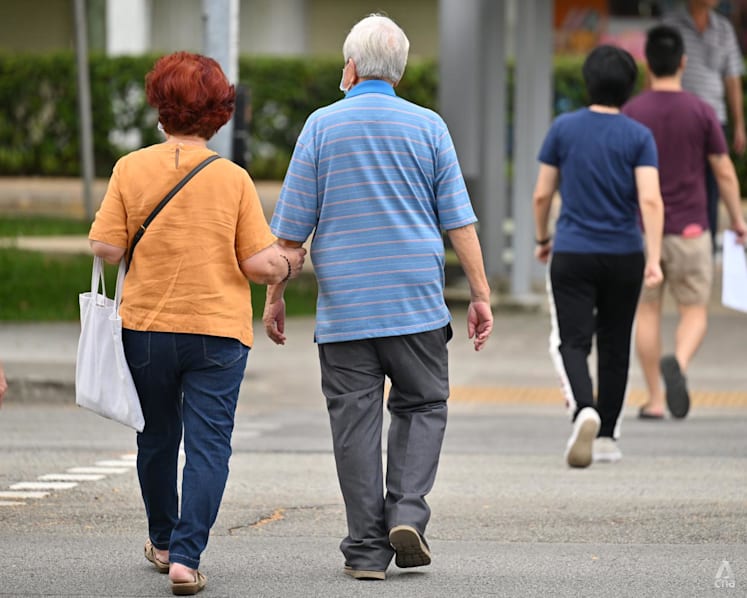
Another area that warrants closer attention is the need to right-size care.
Across welfare homes, the intent is clear: to deliver dignified, resident-centric care while empowering seniors to make their own choices. Even with this balance, we can reflect on how care is best delivered.
In residential settings, systems are often designed to prioritise safety, and rightly so. Yet over time, when daily decisions are routinely made on behalf of seniors, such as what to eat, where to go or how to spend their day, confidence and independence can gradually diminish. This reflects not a loss of ability, but the gradual formation of habits of reliance.
I have met residents who hesitate when asked to make simple choices – not because they are unable to decide, but they have simply grown accustomed to well-intentioned decisions routinely made on their behalf. In such environments, safety may be preserved, but personal agencies can quietly recede.
Right-sizing care means continually calibrating support to what seniors can do safely and meaningfully, rather than doing everything for them. Dignity is not preserved by removing all risk; it is preserved by allowing room for choice, responsibility and growth.
For policymakers and healthcare professionals, this means co-creating care with seniors – involving them in everyday decisions, asking what matters to them, what they still want to do themselves and where support is genuinely needed, rather than assuming dependence based on age or circumstance.


It can be helpful to look beyond our borders. For example, in the Netherlands, care approaches such as dementia village concepts emphasise familiar routines, meaningful participation in daily life and autonomy within structured environments. They highlight the value of designing care that keeps seniors connected to everyday life.
WHAT BETTER SUPPORT CAN LOOK LIKE
We see the difference clearly in community settings here.
At one of our Active Ageing Centres, a 75-year-old woman comes in almost every day, not because she needs constant help, but because she has found a sense of belonging. She exercises, laughs with friends and volunteers to help newcomers find their way. She once shared quietly that coming to the centre gave her “something to look forward to” again. What she needed was not more care, but a space where she felt seen, useful and connected.
Better support looks like seniors have real choices - not just access to activities, but activities that resonate with them.
It also means ensuring that when residents are discharged from welfare homes, they are supported not just to work and earn, but to rebuild social connections, continue counselling where needed and find new purpose through community or volunteer roles.
Deep Dive - More elderly Singaporeans are living alone – should we be concerned?
Initiatives such as Age Well Neighbourhoods point in the right direction. By bringing services closer to where seniors live, from health and social programmes to everyday amenities, they make ageing in place more practical and less isolating. For seniors transitioning from welfare homes, such neighbourhood-based support can be especially valuable in helping them rebuild routines beyond institutional settings.
Still, more can be done. As Age Well Neighbourhoods take shape, the next challenge is not just bringing services closer to seniors, but ensuring support is sustained over time.
For some seniors, especially those with mental health conditions, histories of addiction, or long periods of institutional living, ageing in the community involves more than medical care or access to programmes. What often makes the difference is consistent, relationship-based support, which means having someone helping them adjust to daily routines, encouraging independence at a pace they are comfortable with and offering guidance when setbacks arise.
Such support may be less visible than clinics or facilities, but it is critical in helping seniors stay engaged, rebuild confidence and find purpose in everyday life.


LOOKING AHEAD TO BUDGET 2026
Singapore is moving in the right direction but the challenge lies in ensuring that support does not unintentionally replace agency, and that systems remain flexible enough to meet seniors where they are.
As we look towards Budget 2026, I hope we continue to invest not just in infrastructure and subsidies, but in approaches that protect dignity and nurture purpose. This includes helping seniors to thrive in the community, ensuring social and healthcare support work seamlessly together, and tweaking care models that empower without sacrificing safety of our seniors.
Seniors do not simply want more help. What they want is better support – support that respects who they are, where they have been and what they are still capable of becoming.
Nura Hassan is the Chief Executive Officer of 4S, a Singapore-based social service agency that oversees four welfare homes and community-based centres, including an active ageing centre and a senior day care centre, that offer a range of eldercare services.




