Commentary: Trump walking back Greenland threats offers little relief
The World Economic Forum meeting at Davos shows that the room for manoeuvre is narrowing for middle powers, says US politics observer Steven Okun.

This audio is generated by an AI tool.

SINGAPORE: The end of this year’s World Economic Forum in Davos should not bring relief to anyone.
Stocks rallied when United States President Donald Trump announced he would not use force to seize Greenland. However, the global economic order governments spent decades building, which markets benefited from, no longer exists.
Since the beginning of his second term, Mr Trump has made clear that win-win trade and shared growth are not his objectives. US growth comes first, second and third. Global gains follow only if they align with US interests.
Mr Trump’s remarks about Greenland captured this shift perfectly. Ownership, not access, matters to him. Allies do not get automatic exemptions. Those who were once called US “partners” do not get the benefit of the doubt.





That his threats sit comfortably as mainstream US economics should alarm any global executive. Access to the US domestic market has become leverage to put America First. In advancing American power, considerations about trade, territory, security and loyalty are blurred together.
For businesses, supply chains they built for efficiency must now stand up to political stress tests. Companies must spread manufacturing and sourcing across more countries - not to improve margins, but to guard against tariffs and political shocks. That makes logistics messier, compliance heavier and planning harder.
THE US ADOPTS CHINA’S PLAYBOOK
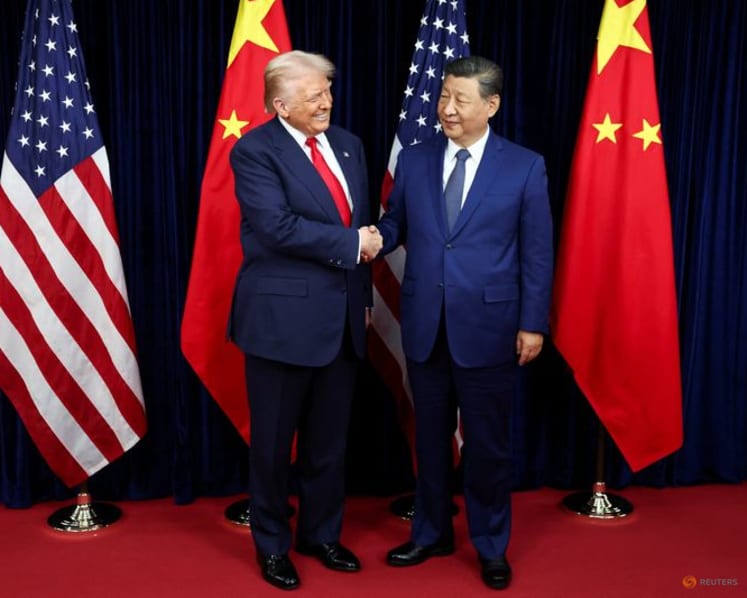
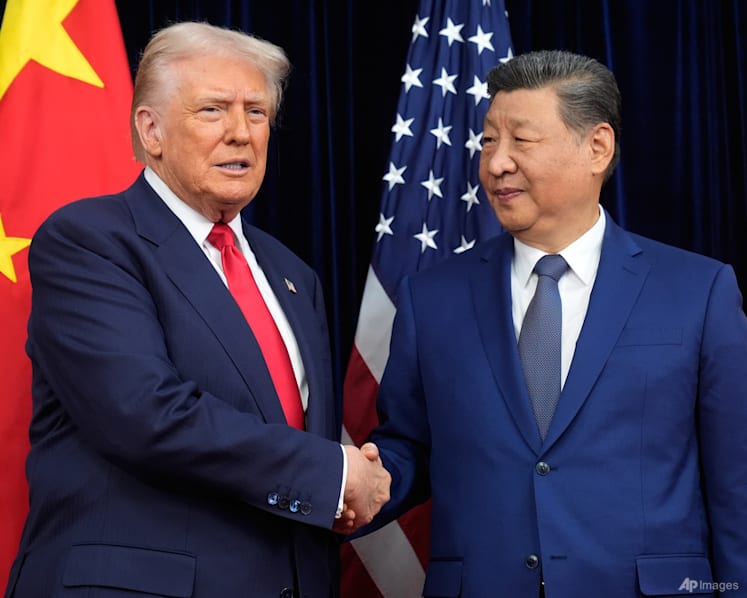
Using tariffs and market access as leverage is now a strategy of both Beijing and Washington. For years, China has used economic measures to retaliate against neighbours who challenge it geopolitically.
In 2017, the Chinese government directed travel agencies to stop selling tour packages to South Korea, in response to Seoul agreeing to host the US THAAD missile system. This led to a drastic drop in Chinese visitors and tourism spending for South Korea.
After Australia called for an independent COVID-19 inquiry in April 2020, Beijing slapped tariffs and informal bans on Australian barley, beef and wine.
In January, China banned exports of goods to Japan that can be used for military purposes, including certain rare earth elements, over Japanese Prime Minister Sanae Takaichi’s statements regarding Taiwan.
In doing so, China reminds the world where supply chain power sits when it comes to its grip on rare earths. Under Mr Trump, Washington does the same with market access to the US - openly and unapologetically.
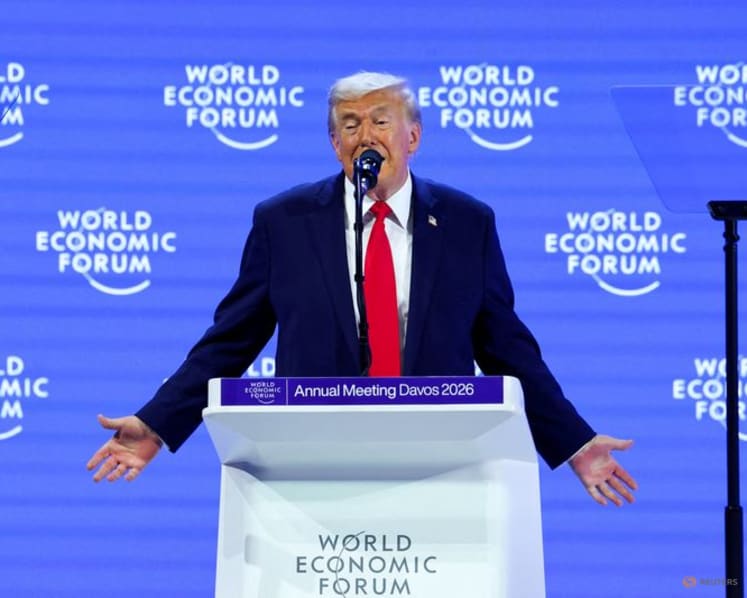
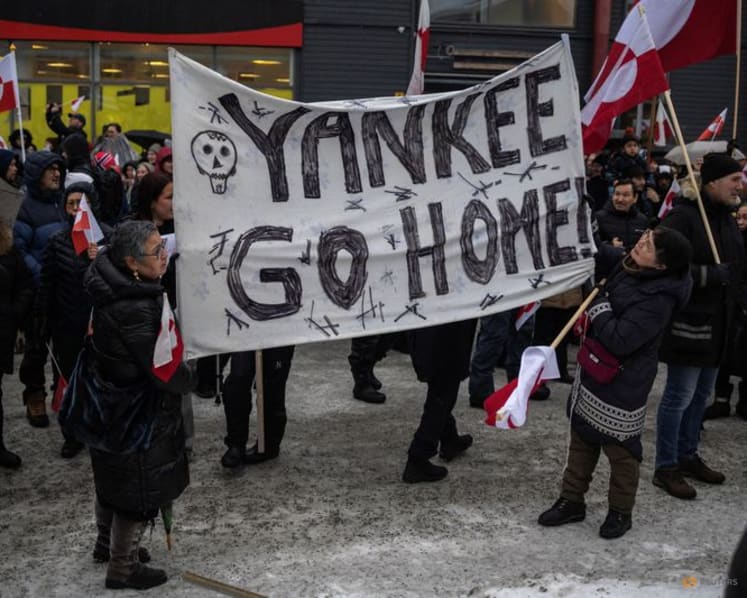
Mr Trump threatened Denmark and other EU countries that pushed back on him over Greenland with tariffs of up to 25 per cent, which he walked back on at Davos. He floated tariffs of up to 200 per cent on French wine and champagne if French President Emmanuel Macron refused to join his proposed Gaza Board of Peace.
SOUTHEAST ASIA FEELS THE SQUEEZE
Canadian Prime Minister Mark Carney warned at Davos that the “old order is not coming back”.
“Middle powers must act together because if you are not at the table, you are on the menu,” he said.
This edict could one day apply to the countries of Southeast Asia. While the Association of Southeast Asian Nations (ASEAN) can convene, it does not have the enforcement power needed to push back against a global trading system driven by power rather than principle.
Businesses across Southeast Asia which benefit from exposure to both the US and China must prepare for a world in which satisfying both becomes nigh impossible. Companies may soon face stark choices: Comply with one system, risk exclusion from another.
With populism growing, globalisation fracturing and trade politicised, middle powers must work harder to preserve their opportunity for continued economic growth.
Davos 2026 shows the room for manoeuvre is narrowing. As the US and China exercise power through trade, what happens on the front page now connects directly to the business section.
Steven Okun serves as CEO of APAC Advisors, a geostrategic and responsible investment consultancy based in Singapore. He served as Deputy General Counsel at the US Department of Transportation in the Administration of President Bill Clinton. Noemie Viterale of APAC Advisors contributed.