IN FOCUS: New TCM ambassadors? China’s cafes, bars reboot ancient remedies for the modern era
Entrepreneurs are reimagining traditional Chinese medicine through cocktail bars, artisanal gelato and modern apothecaries, drawing in a generation looking to balance indulgence and wellness. But is it treatment or just theatre?
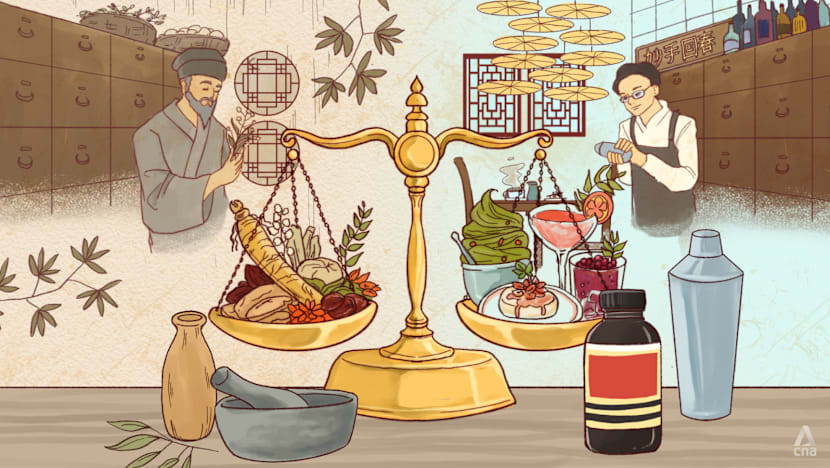
From prescription to cocktail shaker: Entrepreneurs in China are repackaging traditional Chinese medicine for a new generation of consumers - but is it treatment or just theatre? (Illustration: CNA/Clara Ho)

This audio is generated by an AI tool.


SHANGHAI: Wearing a white coat, the physician places three fingers on a young woman’s wrist, presses gently and falls silent.
Behind the physician, rows of wooden apothecary drawers line the wall, each fitted with brass latches. Above her head hangs a plaque bearing the Chinese phrase miao shou hui chun - “miraculous hands bring spring”, a classical tribute to gifted healers.
After a minute, she looks up and asks a question that catches the young woman off guard.
“Your menstrual cycle is irregular, isn’t it?”





It is. The young woman had not said a word.
But this is not a hospital. It is a cocktail bar.
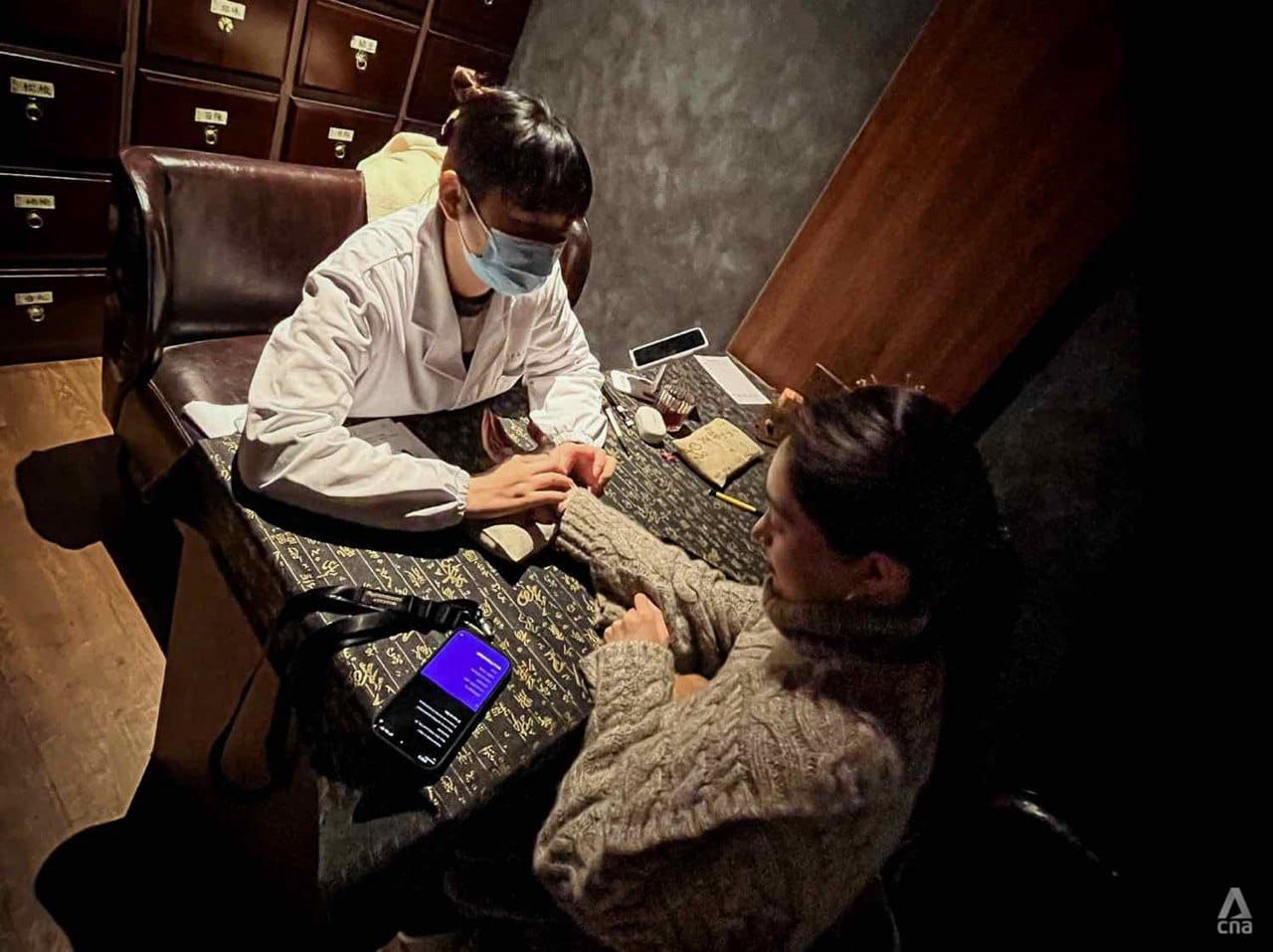
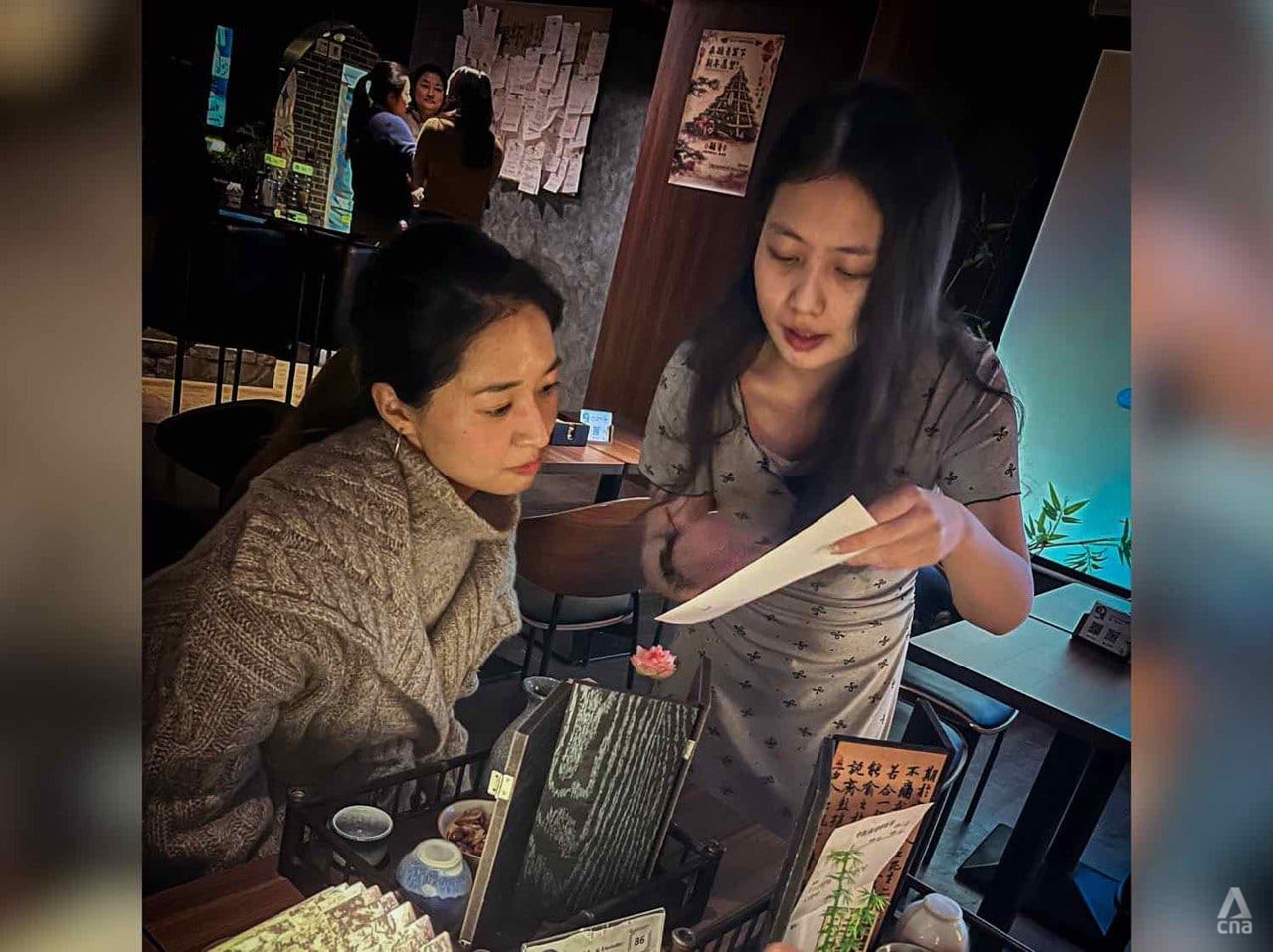
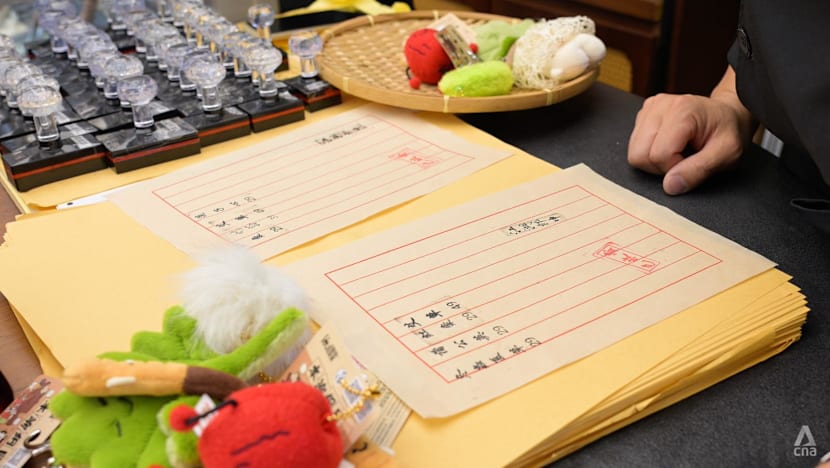
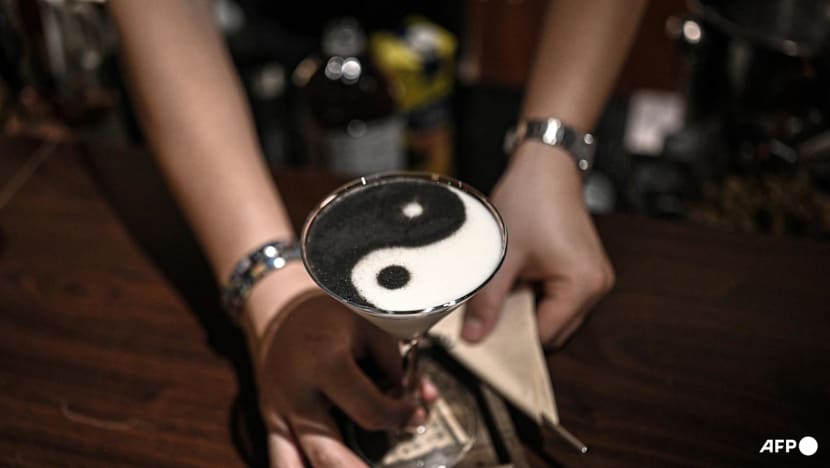
At Zhihe in central Shanghai, bartenders shake herbal cocktails just metres away from traditional Chinese medicine (TCM) practitioners who take customers’ pulses and scribble diagnoses on slips of paper.
The venue is, by its own account, the first of its kind in China - and possibly the world: a bar where customers receive personalised herbal tinctures blended into their drinks based on their in-person consultations.
The bar positions itself as an entertainment venue rather than a medical facility - but the concept has proved commercially potent: founded only last year, it has already expanded to five locations across the country.
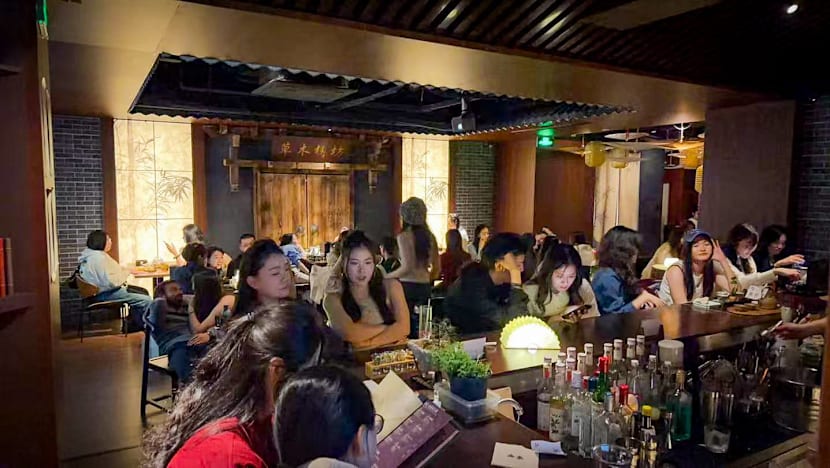
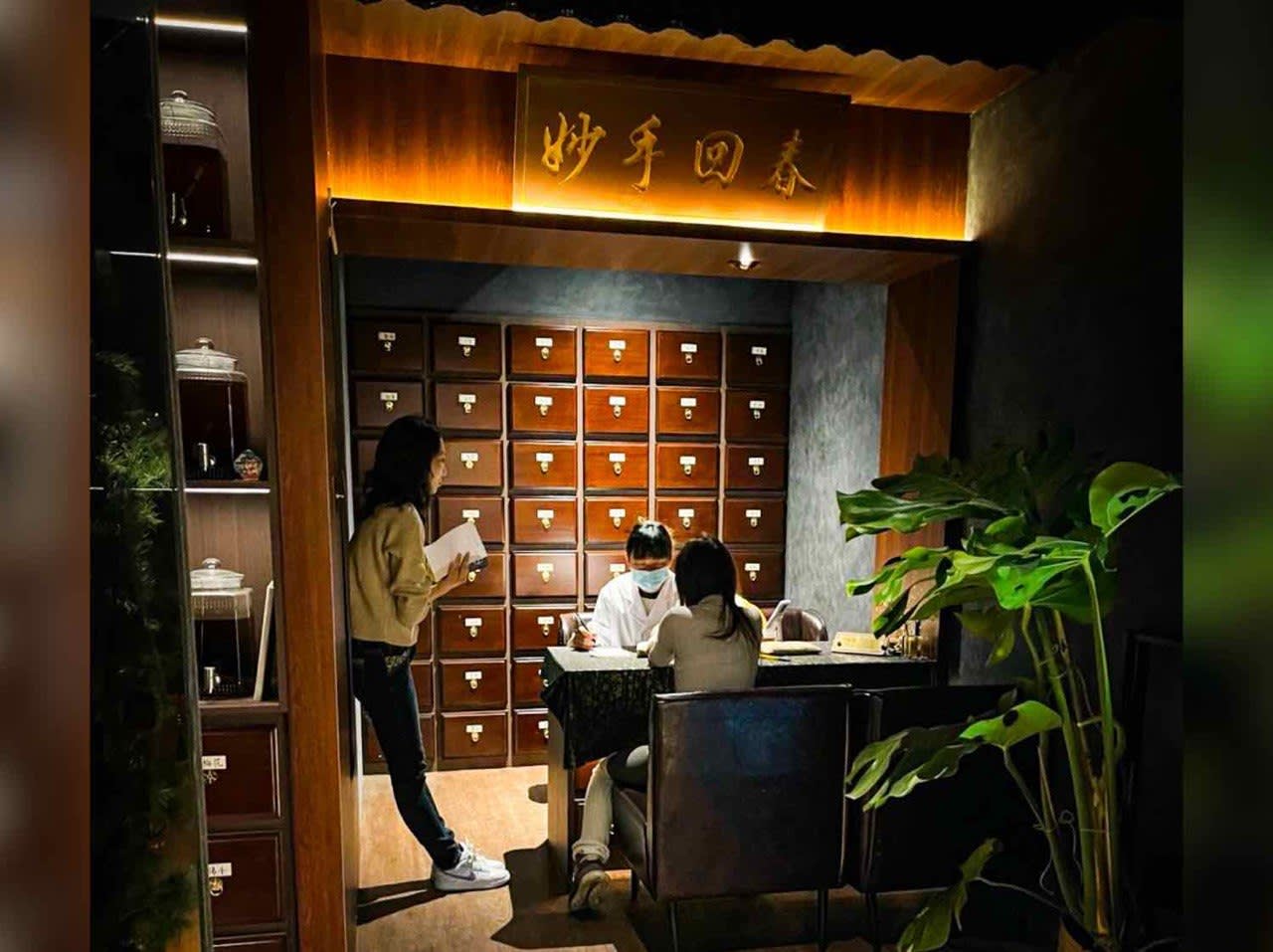
Zhihe charges 158 yuan (US$23) for this experience - 60 yuan for the TCM diagnosis and the remainder for the drink itself.
After the consultation, the young woman opted for a non-alcoholic version of a prescribed blend that included ingredients such as dried tangerine peel and rose flower. It carried the distinct scent of herbal medicine.
"We serve as cultural translators," Xue Tiaoyi, the 25-year-old bar manager, told CNA.
"We blend it into the alcohol in a very entertaining way, but without losing the foundation of Eastern culture."
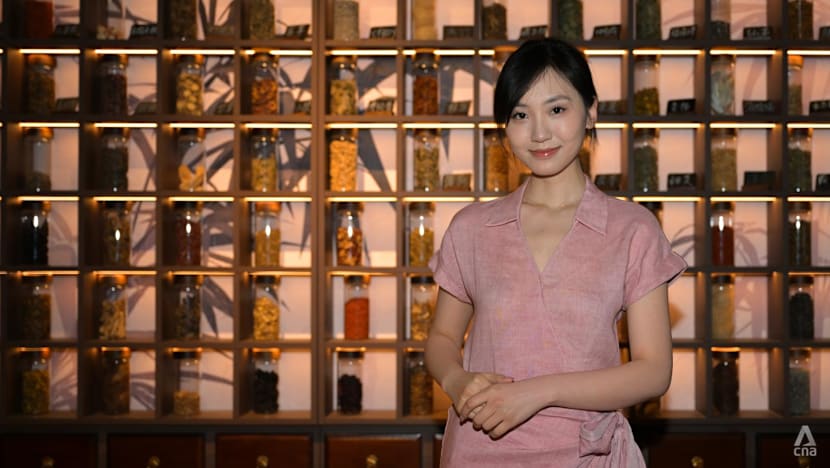
Zhihe opened its doors in 2025 and was founded by students from Shanghai University of Traditional Chinese Medicine.
Its formulations are reviewed by TCM advisors affiliated with the university, while its pulse-reading practitioners are licensed TCM doctors, some of whom take on shifts at the bar after working in hospitals.
Zhihe is part of a growing wave of businesses across China reinventing TCM for younger consumers through herbal cocktails, artisanal gelato and stylish apothecaries - putting a modern twist on the centuries-old medical practice.
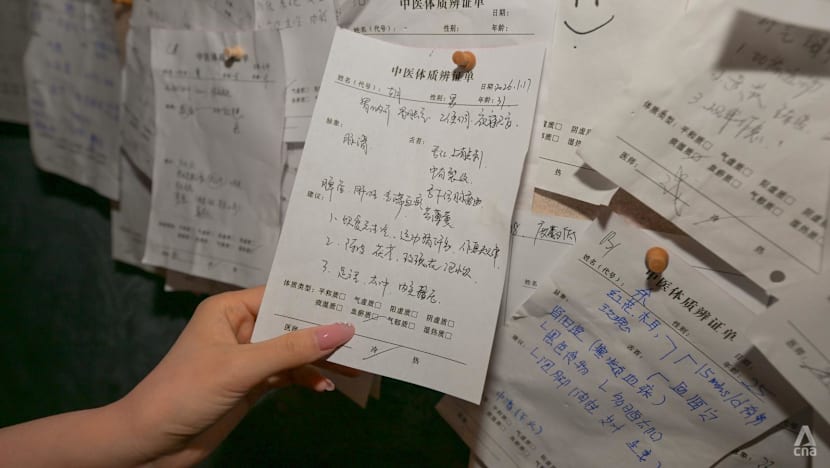
Together, they are emerging as a new class of TCM ambassadors: not doctors or scholars, but entrepreneurs repackaging the ancient practice into accessible experiences for a generation looking to balance indulgence and wellness.
The boom comes as China pushes to embed TCM more deeply into everyday healthcare through national policies and cultural promotion.
At the same time, practitioners warn that aesthetic reinvention should not be mistaken for actual treatment - raising questions over whether these businesses are legitimately deepening engagement with the ancient practice or simply cashing in.
GINSENG WITH GELATO
A few kilometres away from Zhihe, another business is reimagining TCM through a different medium.
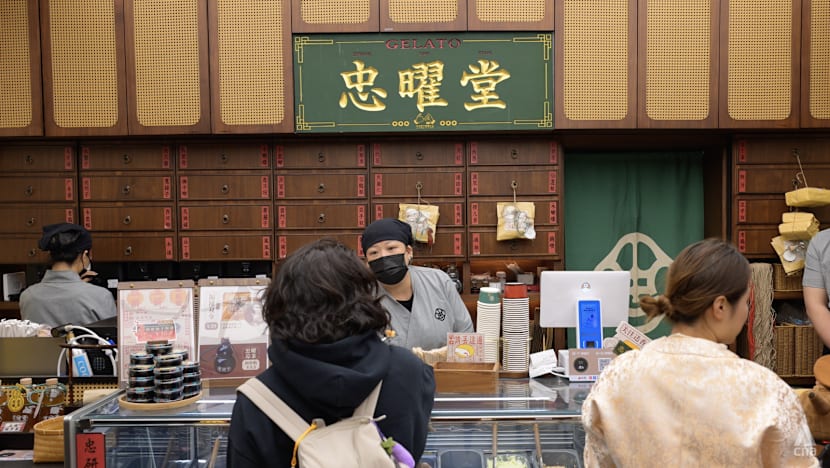
On a tree-lined street, a small shopfront announces itself with an improbable pairing: the word "GELATO" mounted directly above three gold Chinese characters - “Zhongyaotang”, a homophone for Chinese medicine hall.
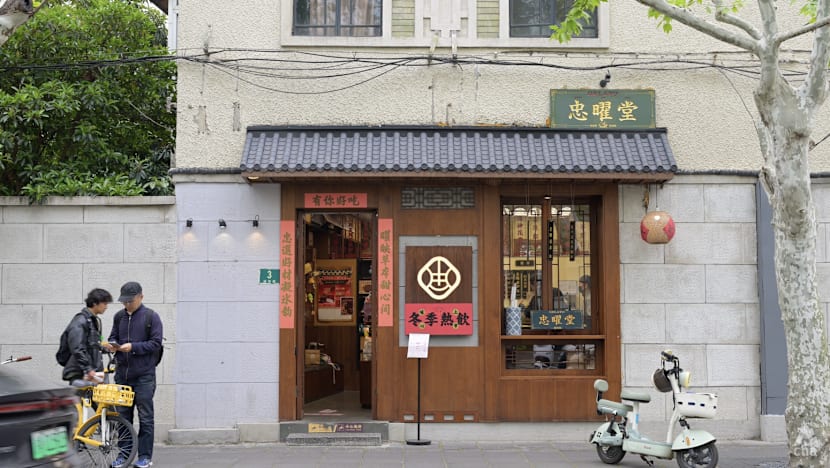
Inside, a gelato display case with pastel scoops sits in front of a floor-to-ceiling grid of wooden apothecary drawers, blending modern dessert culture with the visual language of traditional medicine.
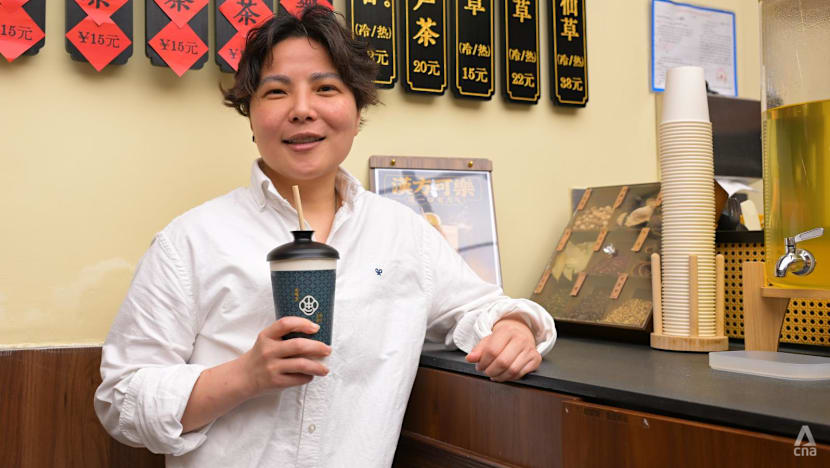
"Traditional Chinese medicine halls give people a heavy, sombre feeling," said Wu Xiu Yu, the 40-year-old founder.
"We hope that through Zhongyaotang, people will find their way into this traditional herbal wisdom - into this kind of cultural experience.”
Launched in the summer of 2024, the store maintains a core menu while introducing seasonal flavours tied to the ancient Chinese solar calendar. A cup with two flavours costs 38 yuan, while one with three flavours costs 45 yuan.
Beyond gelato, the shop also serves herbal drinks - including a cola made from more than 10 TCM ingredients - and traditional sweet soups.
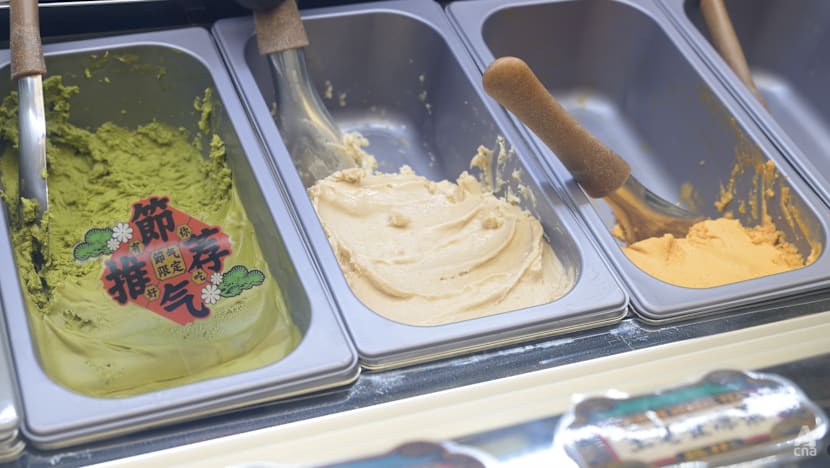
Its hawthorn gelato flavour was inspired by Wu's childhood visits to TCM pharmacies, where children were always given dried hawthorn after seeing the doctor.
The most polarising item on the menu is gelato infused with “dang gui” - often referred to as “female ginseng” - whose strong medicinal aroma hits before the first bite.
The initial taste suggests toffee and coffee, before the herbal notes emerge - and for some customers, the sensation is unmistakable: it tastes like Chinese medicine.
"Some people are terrified; others want a full cup," Wu said. Foreign visitors tend to love it, she added.
Each flavour undergoes more than 100 formulation experiments before making it onto the menu, Wu said, and every new recipe is reviewed by TCM consultants.
But tasting like medicine and being medicine are different things.
"We're food and beverage practitioners, so we strictly comply with food safety regulations - we don't emphasise therapeutic efficacy," she said.
"What we pursue more is quality control of ingredients and the cultural experience."
Since opening in the summer of 2024, Zhongyaotang has expanded to five stores across Shanghai, Shenzhen, Zhuhai and Hangzhou, with pop-up shops in between. Wu said plans for further expansion - including overseas - are in the works, but declined to disclose revenue.
Down the street, a different kind of TCM ambassador was at work.
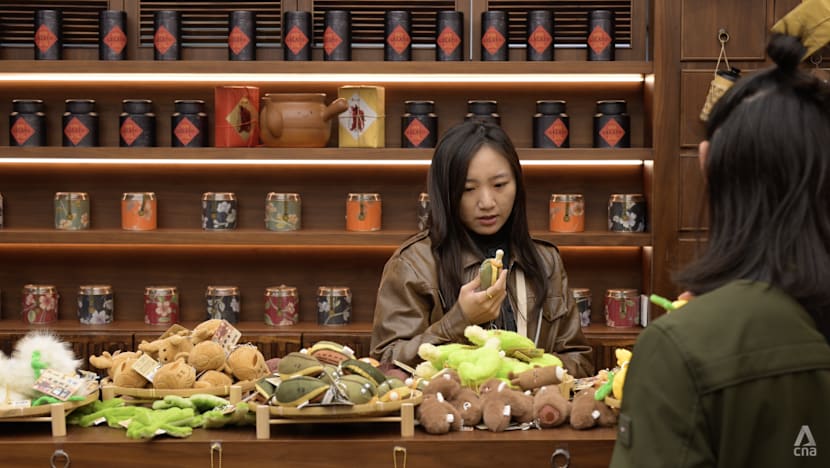
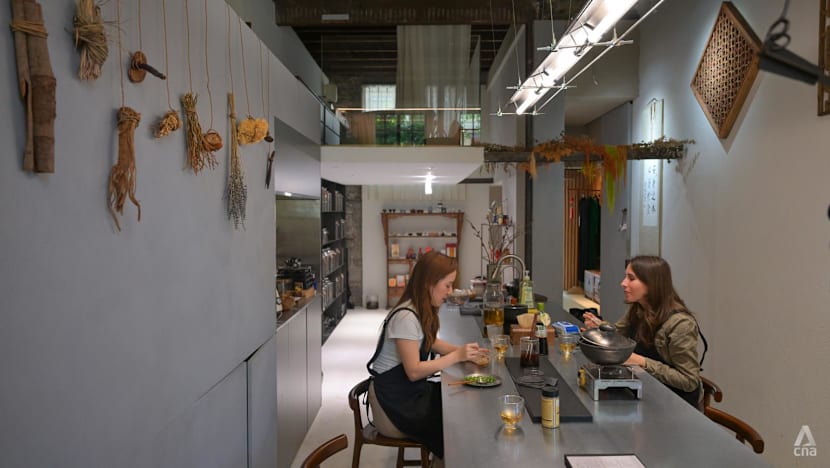
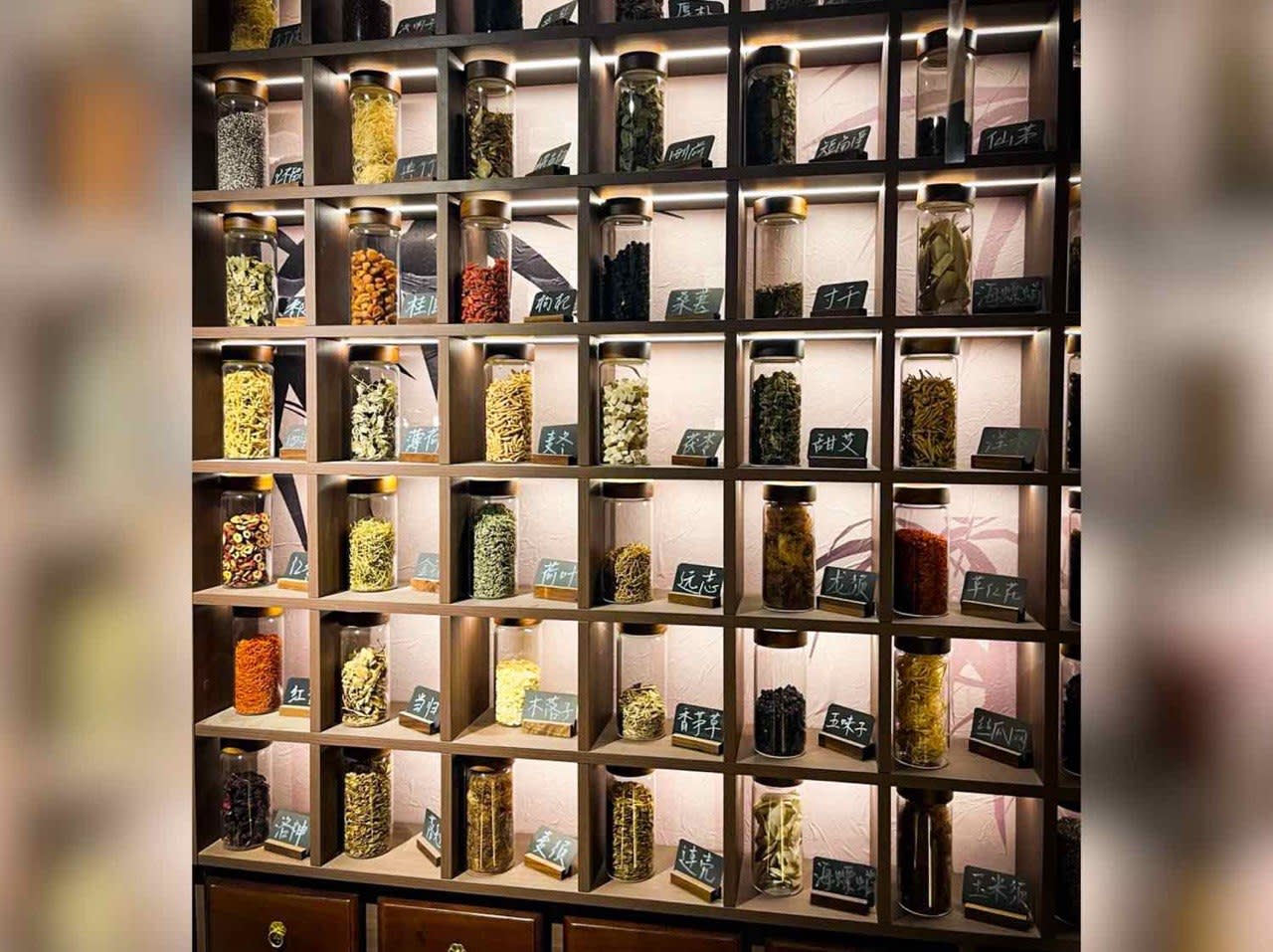
Unlike the theatricality of Zhihe or the playful novelty of Zhongyaotang, Silver Root Apothecary presents a more minimalist vision of TCM, pairing sleek interiors with shelves of pewter herb canisters and dried botanicals.
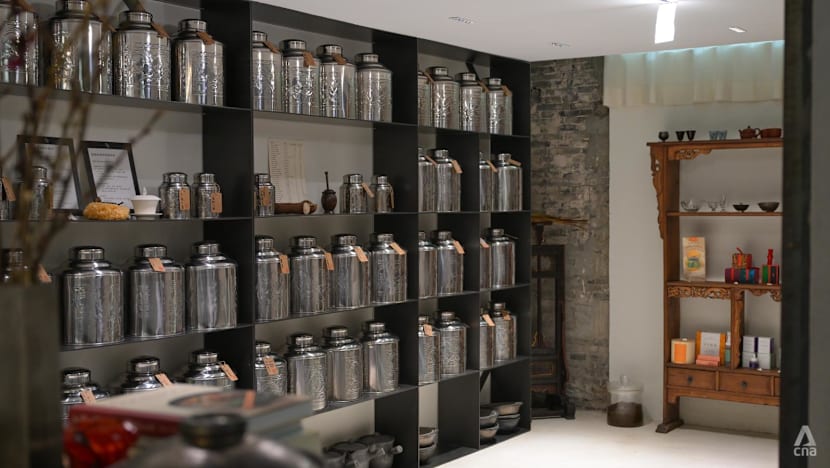
Zoey Gong Xinyi, the 30-year-old founder, runs Silver Root as a food-therapy studio - part cooking school, part consultation space and part wellness hub.
By appointment only, she offers workshops on TCM-informed eating, nutrition consultations and curated herbal products. Visiting practitioners rotate through on short-term residencies.
Silver Root's offerings range from a US$10 community qi gong session to US$599 full-day wellness tours including TCM treatments, meals and a bilingual guide.
Gong said she had led about 15 tours since the summer of 2024, averaging eight guests each, and every one had sold out. Many were repeat visitors - people who tried Shanghai first, then returned for a Yunnan tour or booked a private tour.
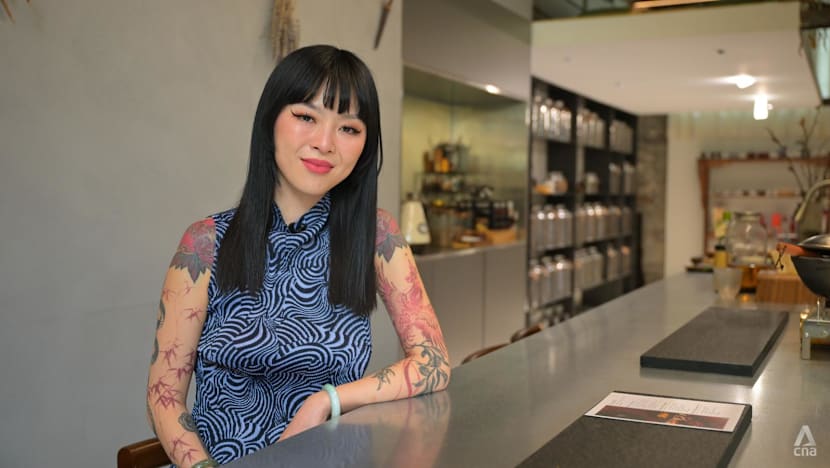
A Shanghai native, Gong trained as a registered dietitian at New York University in the United States before returning home in 2024.
Her path to TCM was personal: years of skin rashes, amenorrhea, irritable bowel syndrome and joint pain led her to seek alternative treatments.
"I tried Western medicine for two years. The only solution they gave me was hormone therapy," she told CNA.
"Then I tried acupuncture for the first time, and also herbs together for three months - solved my problems."
Before Silver Root, Gong had co-founded The Red Pavilion in Brooklyn - a tea house and apothecary by day, nightclub by night - experimenting with similar ideas that are gaining traction in Shanghai.
“PUNK WELLNESS” AND THE QUEST FOR CONTROL
While there are no comprehensive figures for TCM-themed consumer businesses, related segments point to strong growth.
China's wellness tea and beverage market has been growing at roughly 25 per cent year-on-year, reaching an estimated 64.27 billion yuan in 2025 and projected to break 100 billion yuan by 2028, according to industry research firm iiMedia.
Meanwhile, the number of dedicated TCM wellness tea shops across the country more than doubled to over 6,000 by late 2024, according to industry data firm Hongcan, with new business registrations rising 40 per cent year-on-year.
On e-commerce platforms, sales of products blending food with traditional medicinal ingredients exceeded 126 billion yuan in 2025, up nearly 29 per cent year-on-year.
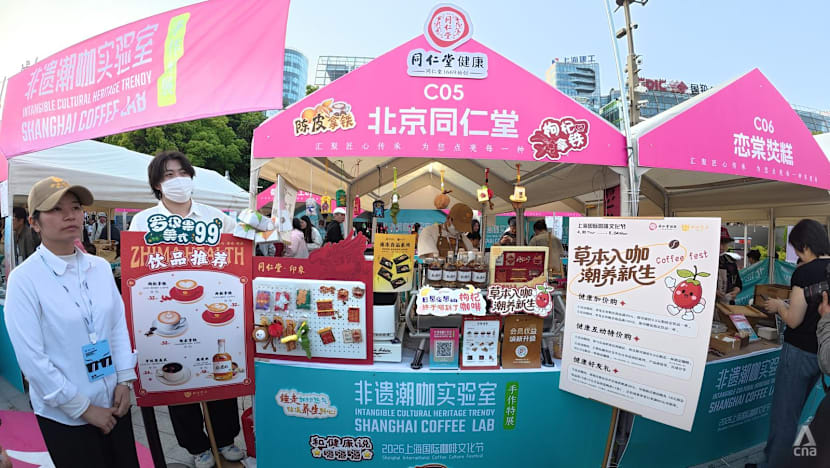
Major tea chains have added TCM-infused drinks to their menus, state-owned pharmaceutical companies have launched consumer-facing lifestyle brands, and some shops have adopted a model where customers are assessed by a practitioner before their drink is prepared.
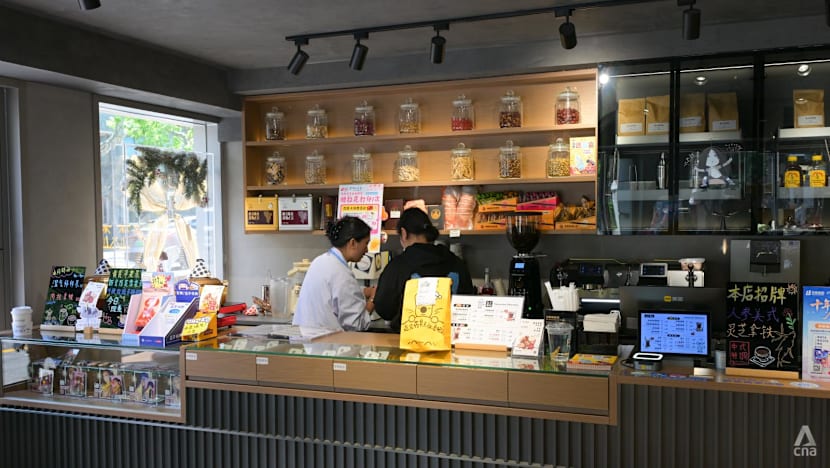
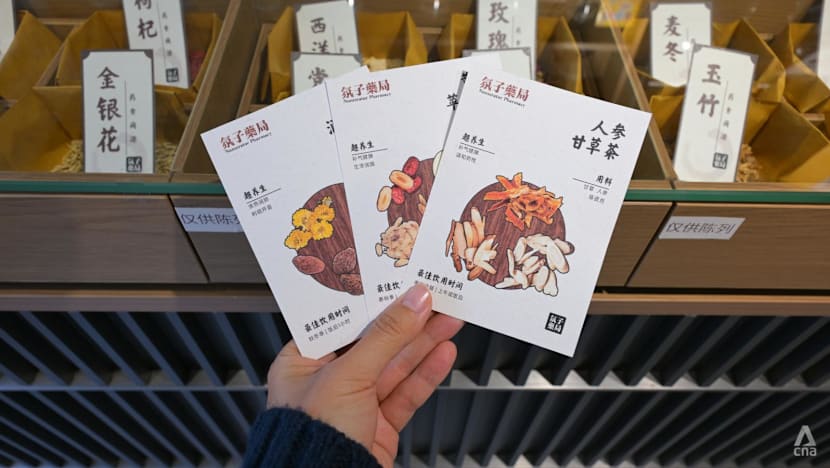
Shanghai No 1 Pharmacy, a state-owned chain with some 70 years of history, launched a lifestyle concept store called Numerator Pharmacy on Fuxing Middle Road last December. Alongside its usual dispensary counter, the store serves TCM-inspired drinks such as lingzhi lattes.
The formats have spread beyond major cities.
In Taiyuan, Shanxi province, a small business called Yiluohe operates inside a TCM hall, selling freshly prepared herbal stews from an open kitchen linked to the pharmacy. In Pu'er, Yunnan, a traditional medicine hall has added herbal milk tea to its offerings.
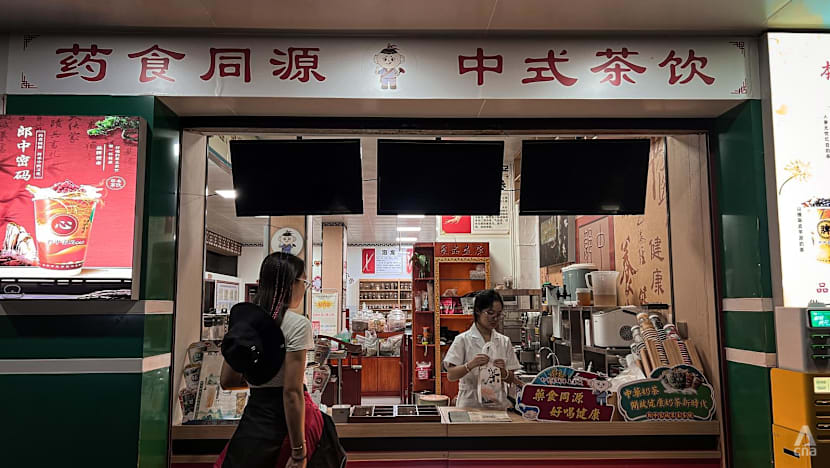
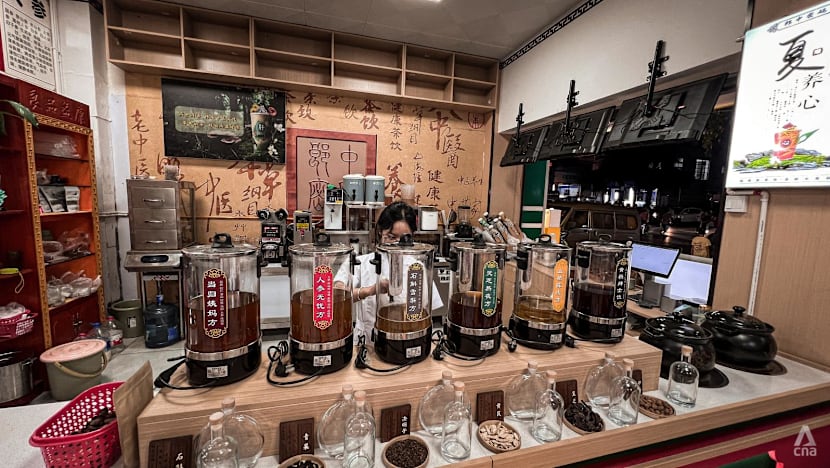
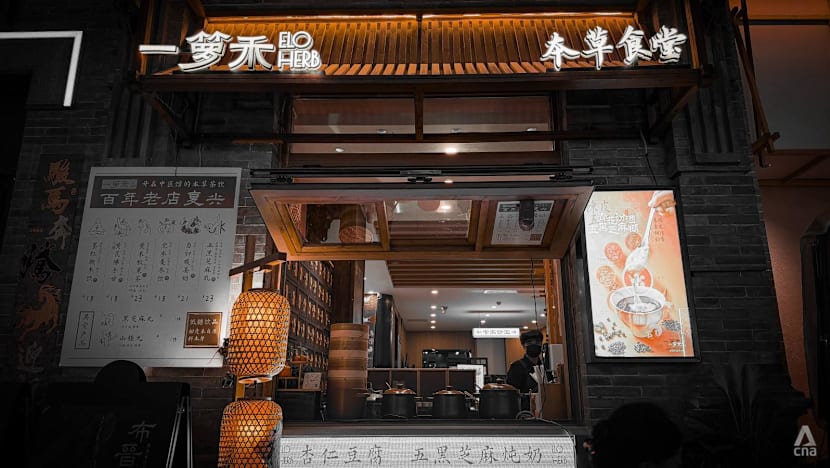
These entrepreneurs did not emerge in a vacuum. Behind them is a generation navigating the tension between indulgence and wellness amid work and social pressures.
Lai Ming Yii, a strategy consultant at Shanghai-based market research firm Daxue Consulting, said the trend was a structural lifestyle shift rather than a fad.
She pointed to a term that had become common online: peng ke yang sheng, or "punk wellness" - maintaining unhealthy habits while trying to offset the damage with wellness rituals.
"They are seeking low-effort rituals," Lai said.
Young people working under China's high-pressure 996 culture - 9am to 9pm, six days a week - would understandably struggle to follow TCM's classical prescriptions to sleep before 11pm and rise with the sun, Lai said.
The appeal, she added, lay in substitution rather than sacrifice - choosing a chrysanthemum tea over a Coca-Cola at lunch, or a herbal cocktail over a gin and tonic on a Friday night.

A Daxue Consulting survey of 1,000 Chinese consumers, published in April 2024, found that about two-thirds said they believed in TCM principles and incorporated them into their daily lives - a sentiment that held across age groups, genders and income levels, with Gen Z emerging as particularly strong advocates.
Yet the poll also pointed to a gap between belief and behaviour: when it came to purchasing decisions, the presence of TCM ingredients ranked as the least influential factor.
For younger consumers, Daxue's analysts said, expressing belief in TCM may serve more as a way to express cultural confidence than to shape what they actually consume.
Echo Liu, a senior research director at consumer intelligence firm NielsenIQ, said that while health consciousness might be a factor for young people embracing the trend, the underlying driver is a quest for personal control amid ongoing pressures tied to job security and income.
"When this situation arises, we retreat into a small world we can control. The first thing you focus on is the comfort and health of your own body,” she added.
"(They) might not be able to buy a 10 million yuan apartment, but a 100 yuan drink can give (them) a sense of control at the moment.”
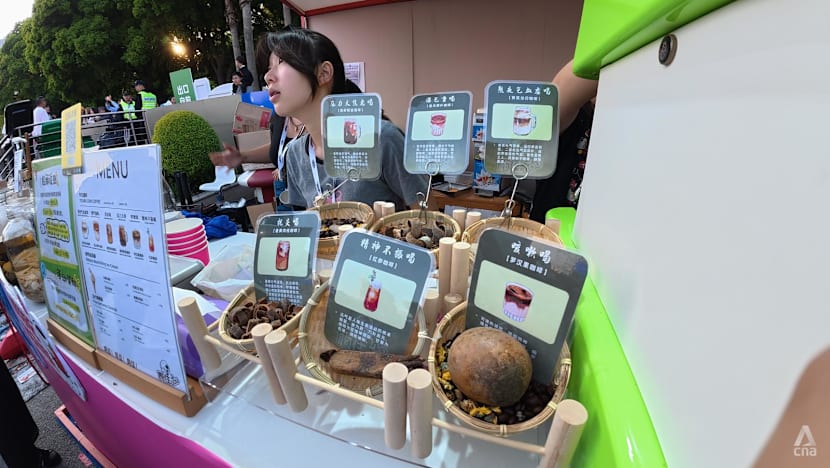


But Liu was cautious about treating these consumer formats as a gateway to traditional medicine.
"Is it really the case that I ate a wuweizi (schisandra berry) ice cream or saw (such) a cocktail, that connected me to TCM as an entry point?" she questioned.
"I'm not inclined to make that kind of connection, because there's a lot in between that needs to be substantiated."
A consumer reaching for herbal tea might simply want to soothe a sore throat - choosing it for convenience, not because it was TCM, Liu noted.
And for the higher-end products - the cocktail bars, the curated experiences - the motivation might be more about self-expression than health.
"Today it might be the wuweizi cocktail, tomorrow it might be the mamian skirt," she said, referring to the traditional Chinese skirt that became a viral fashion trend.
"Young people today really crave communication with others, but they can't go too deep in dissecting themselves. So they always use these symbols to express 'this is who I am.’”
NATIONAL CAMPAIGN
The consumer wave around TCM-inspired products and experiences has not developed in isolation.
For years, China has worked to embed TCM more deeply into the national healthcare system, laying the policy groundwork for the lifestyle boom.
Concepts such as dietary therapy - using food to support health - and medicinal diets - dishes that blend herbs with everyday ingredients - are written into China’s key health blueprints.
By May 2025, China's National Administration of Traditional Chinese Medicine - the country’s TCM authority - said more than 400 official treatment guidelines now incorporate advice on using food and diet as part of patient care - from prevention to recovery.
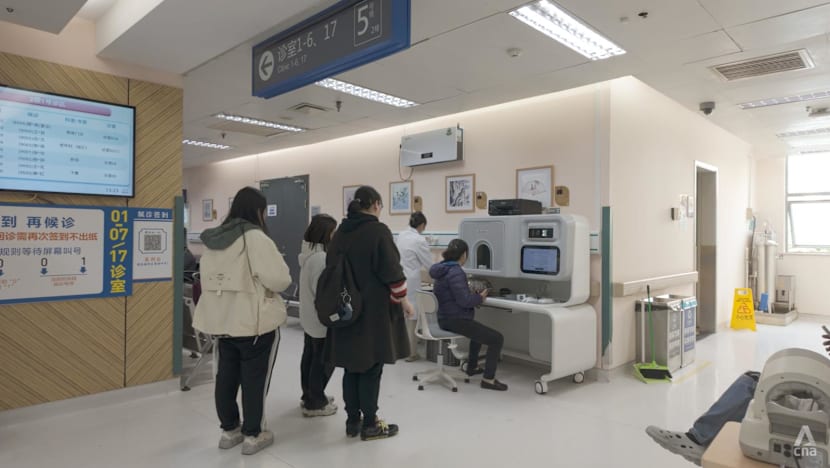
In March 2026, regulators went further, requiring local clinics to offer at least six categories of TCM treatments, including acupuncture and cupping, and to stock at least 300 types of herbal preparations.
But the policy push also comes with stricter oversight.
From July, any pre-packaged TCM medicine whose labelling still describes its adverse effects, usage restrictions or precautions as "not yet clear" will be denied re-registration - ending a decades-old practice that had allowed manufacturers to avoid specifying risks.
Of China's roughly 57,000 active TCM product registrations, more than 70 per cent still carry that vague wording.
Experts estimate that 20 to 30 per cent of registrations could be withdrawn within three to five years, though regulators say the impact will fall mainly on dormant products with little clinical evidence, not on commonly used medicines.
Even before the upcoming regulatory changes, existing food safety rules were already shaping what these venues serve.
At Zhihe, the bar in central Shanghai, all ingredients are selected from a government-approved list of substances that can be used as both food and medicine.
When the bar's team wanted to use chuanxiong, a herb with bittersweet properties that invigorates blood circulation, they discovered it fell outside the catalogue.
"We definitely couldn't sell it to customers," Xue, the bar manager, said. They turned to their TCM advisors - the same Shanghai University of TCM-affiliated team that oversees the bar's formulations - and settled on dang gui as a substitute.
"Every time we develop a new drink, we have the TCM doctors check first," she said. "For things like dosing and ratios - we consult professional TCM doctors. Our bartenders are more about flavour pairing."
But do all these TCM-branded products really constitute real medicine?
The most candid answers came from the practitioners themselves.
Gong, the founder of Silver Root Apothecary, said no. The consumer wave was welcome as a way to spark curiosity, she said, but should not be mistaken for treatment.
"Maybe they are using TCM ingredients and TCM concepts in their branding and marketing, but it is not TCM, really,” she said of the cocktail bars and gelato shops.
"The gelatos can definitely not cure any issues.”
Gong, who holds both Western and TCM credentials, cautioned that people should be clear-eyed about this when frequenting such places.
"People shouldn't think that by going to these places, they are using TCM. That's wrong," she said.
"If (people) are curious about TCM, go to these places to sense the vibes, (but) then they still have to go see a practitioner to actually start their TCM journey."
Adele Lau, a TCM specialist from Singapore, offered a clinical perspective.
She began a three-month stint as a resident practitioner at Silver Root Apothecary in April.
"I don't think they are meant to be therapeutic … they are certainly not at the (sufficient) dose," she said of the TCM-infused consumer products.
“Most likely, in a cocktail, they just put one cordyceps,” she quipped.


The products are better understood as flavour explorations using ethnically familiar ingredients, Lau said - safe to consume, but not medicine. The risk arises when businesses claim otherwise, she added.
"If you do have a problem, you consult someone professional for professional advice instead of going to a bar or eating an ice cream,” Lau said.
But Lau also saw something valuable in the broader movement. TCM, she said, was not only a clinical system but a way of thinking about the relationship between the body, food and the environment - what practitioners call holistic awareness.
"Now many youngsters are rediscovering the reasons why their mother or their grandma advised them not to sleep with their hair wet," she said.
"I think it's been very exciting to know that there are practices that are actually within your reach."
THE CURIOUS AND THE CONVERTED
The trend has also gained international interest.
At Zhihe, Ng Jiya, a 32-year-old Singaporean visiting Shanghai for the first time, had arrived on a friend's recommendation - curious but sceptical.
"If you can sort of fool yourself into believing that the alcohol that you're drinking is not just poison, but something healthy for you, then why not?" she remarked.
The on-site doctor read her pulse and identified her poor blood circulation, sleep problems and an abnormally high heart rate - findings that were consistent with her existing concerns. Her drink was then blended with herbs intended to address the circulation issue.
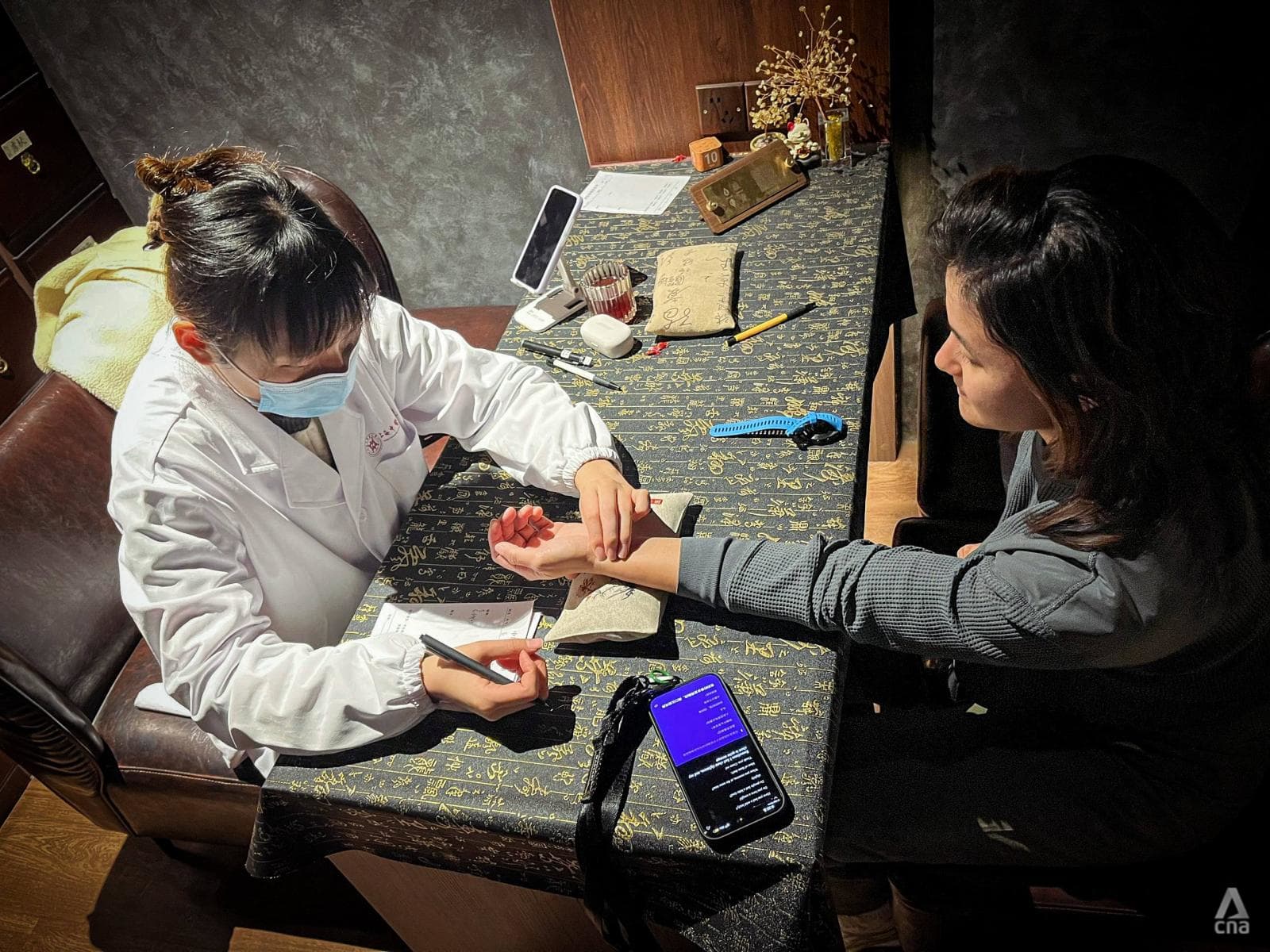
"I think the diagnosis was more impactful than the alcohol," Ng said. "It just made me a little bit aware of health issues, but little things that could maybe help improve my overall wellness.”
Still, her professional instincts - she works in healthcare - surfaced a concern. "These ingredients can also have an interaction with whatever Western medicine one is taking," she said.
Without clear ingredient labelling and medically informed consumers, she warned, the experience carries risks that a fun night out could obscure.
Meanwhile, Betty Ku, 57, from New Jersey, had been brought to gelato-serving store Zhongyaotang by a cousin and was delighted.
"It's something that's yummy, it's a treat, but then it's also good for you,” she said.
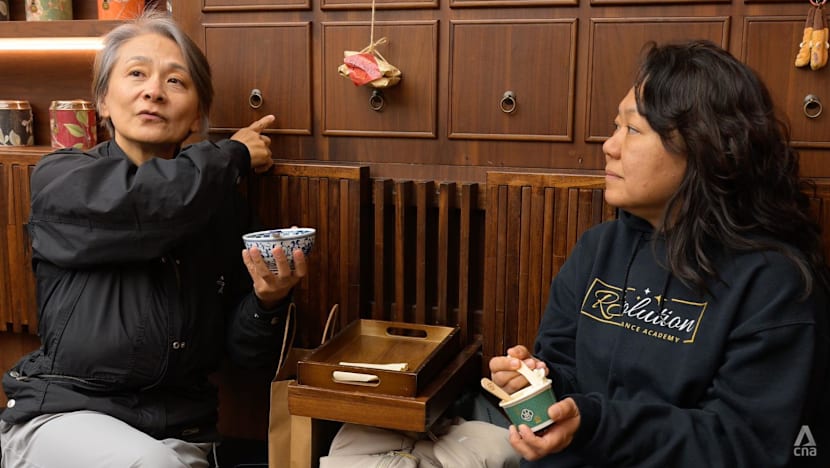
At Silver Root Apothecary, beyond her food therapy studio, founder Gong also offers TCM-branded tours, ranging from multi-day programmes combining clinic visits, acupuncture sessions and cooking workshops, to professional programmes for licensed acupuncturists that include hospital internships.
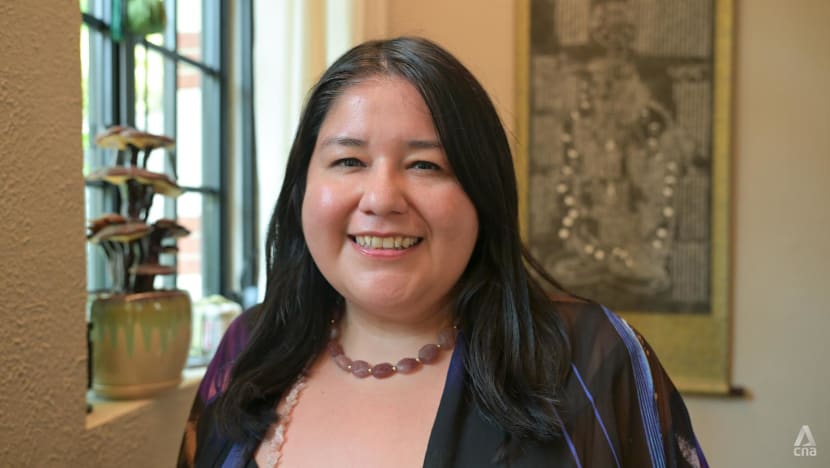
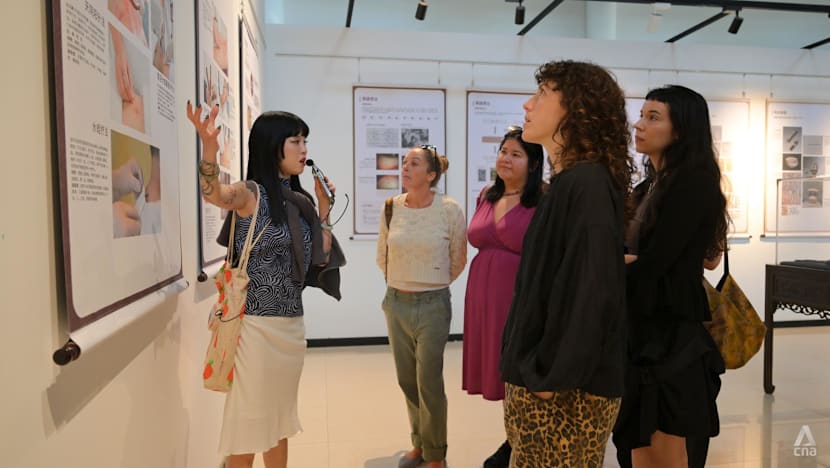
Beatriz Reyna, 38, from Santa Fe, New Mexico, had flown specially from the US to Shanghai - her first trip to China - for one of Gong’s multi-day TCM wellness tours. The programme includes a visit to the city’s biggest TCM museum, as well as treatments such as moxibustion - commonly used for pain relief and digestive health.
She already frequents a TCM doctor back home, but the clinic visit on the tour caught her off guard. "I went in thinking I knew exactly what he was going to tell me," she said, adding that she was proven wrong.
"The medication they prescribed - I've never had anything in the US that works that quickly."
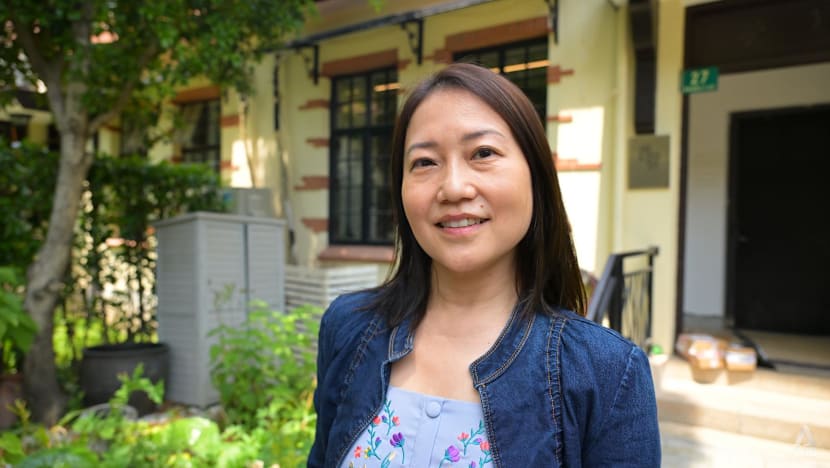
Trudy Tan, 50, from Singapore, was on the same tour. She already practised TCM therapies such as cupping, gua sha and moxibustion on herself at home, but had come to learn from practitioners with deeper experience.
What surprised her most was the food - not small medicinal set meals but eight to 10 dishes at every sitting, spanning regional Chinese cuisines.
"You become more mindful of what you want to put into your mouth and into your body," she said.
Gong said the reception to her offerings so far has been “very successful”. One participant, she said, had even moved to Shanghai after attending one event.
"China has so much to offer when it comes to health," Gong said.
At the same time, she was clear-eyed that quality can vary, saying that “very bad-quality herbs” are produced in China even as some of the highest-quality herbs - certified to European Union, US and Japanese standards - are also grown in the country.
“Always read the ingredient label. And if you're not sure about something, ask the company to provide you with lab reports or the certifications,” Gong said.
"Bad things are definitely here, but the best things all come from China too."
The international interest seen at these venues is unfolding alongside a broader state push to promote TCM globally.
"(We will) bring Chinese traditional medicine and its culture more to the international community,” said Lei Haichao, head of China’s National Health Commission, during the annual Two Sessions in March.
Despite rising global curiosity about traditional medicine, TCM products face a steep climb in key export markets - particularly in the West, where regulatory frameworks differ most sharply from the system TCM was built on.
Regulators in the US and Europe impose safety, labelling and manufacturing standards that most TCM formulations were not developed to meet - and in many Western markets, herbal products that claim therapeutic benefits must clear the same approval hurdles as conventional drugs.
Washington's decision in April 2025 to impose tariffs on Chinese-sourced goods, including botanical ingredients, has made the path even harder.
China shipped about US$5.09 billion worth of TCM goods abroad in 2025, customs data shows - a drop of roughly 5 per cent year-on-year. The bulk of that value came from plant extracts and unprocessed herbs, the lower end of the supply chain.
Finished patent medicines, the segment with the most potential to build brand recognition overseas, brought in US$350 million, a 12 per cent dip year-on-year.
Whether the consumer wave around TCM-branded products in China will meaningfully deepen international engagement with the ancient practice remains an open question, noted analysts.
Liu, the NielsenIQ researcher, sees the cocktail bars and gelato shops as playing a useful role in raising awareness and planting the seeds of deeper engagement with TCM.
"Through an approachable way, they're letting people gradually develop deeper cognition and experience of a concept they previously had little knowledge of," she said.
"Without these interesting touchpoints, I think it's very hard."
Back at Silver Root Apothecary, Gong, the founder, was preparing a meal for her tour group.
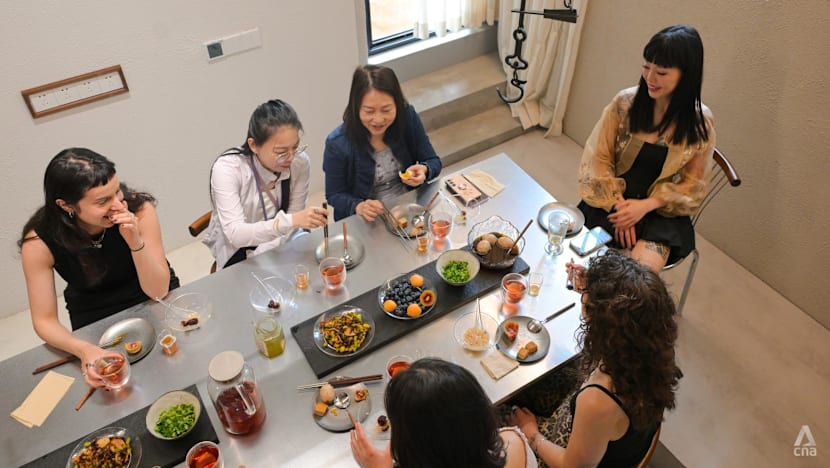
Eight women from various nations gathered around a table laden with blueberries, hibiscus tea, stir-fried greens and herbal infusions. The spread was abundant and colourful, a far cry from the bitter medicinal broths often associated with TCM.
Gong said she could not predict what TCM would become for the next generation. But she had a hope.
"My generation … didn't get to learn TCM in school (and) our parents didn't tell us much," she said.
"I am really hoping our next generation - whether through government initiatives or some other ways - TCM can be taught (from) young, even starting from elementary school."
She paused.
"That is the dream, I think."