'I felt like the only person in the universe': The quiet rise of living alone in China
As one-person households rise across China, more young adults are finding freedom in living alone - and confronting the emotional costs that come with it.
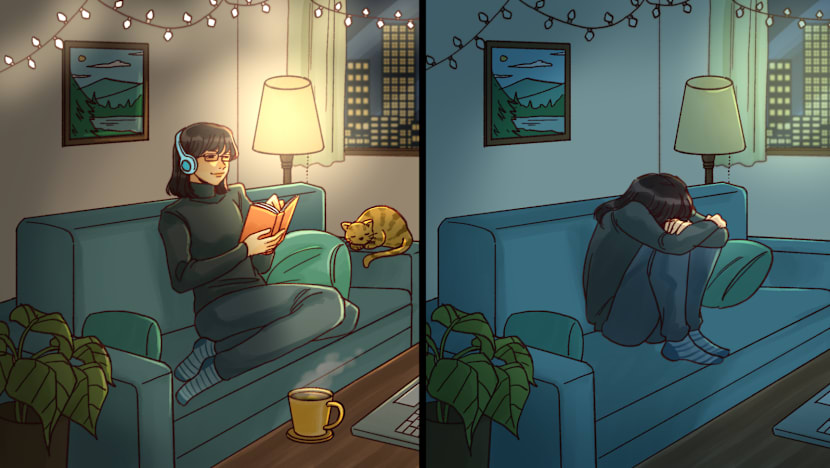
For millions of young Chinese adults, solo living offers freedom and control - but also unwitnessed moments when solitude tips into loneliness. (Illustration: CNA/Clara Ho)

This audio is generated by an AI tool.


SHANGHAI: Tian Yuan has lived alone for eight years - long enough to know that silence can sometimes feel impossible to ignore.
One night, she returned home to her three-bedroom apartment in Guangzhou, a space she shares only with her cat, Dobby, a blue golden shaded British longhair.
At first, the solitude felt familiar, Tian said: the television murmuring in the background, the freedom to wander.
Then something shifted.





"I suddenly felt devastated," recalled the 30-year-old advertising director.
"I felt like the only person in the universe."
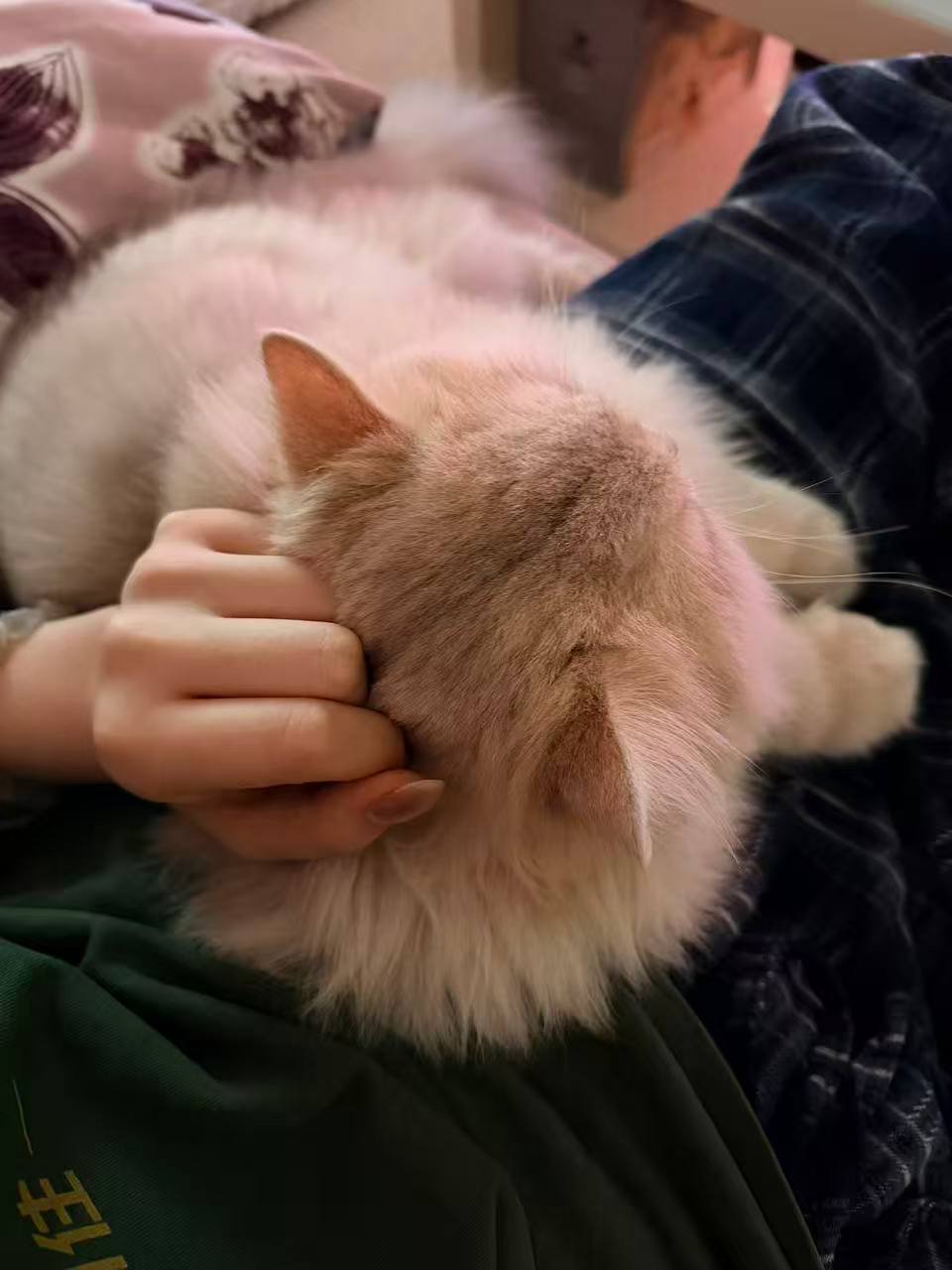
She sank onto the sofa and began to cry. Her cat jumped up and licked her face, its rough tongue brushing against her skin.
She did not move. Instead, she sat there and wept for more than two hours.
"When you’re alone, your emotions are completely determined by yourself," Tian said.
"There’s nothing external to anchor you, nothing to stop them from shifting."
Her experience reflects a global demographic shift increasingly in the spotlight: the rapid rise of one-person households in countries across East Asia, Europe and North America.
In China, anxiety around living alone has fuelled interest in a viral app bluntly named "Are You Dead", which prompts users to check in daily that they are still alive.
The developers have since rebranded the app to 'Demumu', to avoid the original name's direct reference to death.
For millions like Tian, living alone offers autonomy and freedom - but also moments of isolation that often remain unseen.
THE RISE OF SOLO HOUSEHOLDS
The rise of single-person households in China has been striking.
According to government statistics, they now account for around 20 per cent of households, up from fewer than 3 per cent in 2000.
By 2030, the number of people living alone in China could reach between 150 million and 200 million - more than 30 per cent of households - according to a 2021 report by property research platform Beike Research Institute.
Among them, about a third are young adults aged 20 to 39.
"This is a trend we’ve been studying for almost a decade," said Jean Yeung Wei-Jun, a social demographer at the National University of Singapore (NUS).
Living alone will continue to gain popularity, she told CNA, adding that the number of one-person households will "keep increasing".

In China, where family units have long shaped social life, housing and welfare systems, the trend marks a profound change.
For centuries, nuclear families served as what anthropologist Xiang Biao, director of the Max Planck Institute for Social Anthropology, calls "the backbone of society".
It wasn’t just affection between parents and children but an entire system, Xiang said - one’s surname, extended kin and also support.
"A cousin could support you during a difficult situation," Xiang said.
But that traditional system has been weakening for decades.
Now it has reached "quite an extreme situation", he added, with younger generations increasingly choosing not to form nuclear families at all.
WHAT’S DRIVING THE SHIFT?
Yeung from NUS pointed to three key drivers behind the rise of solo living.
The first is demographic, she said. Generations shaped by China’s one-child policy often lack siblings, along with extended relatives such as cousins, aunts and uncles.
"Now people have far fewer of these family ties," Yeung said.
Urbanisation has also scattered traditional family structures, and education levels have risen, pushing marriage plans later.
Marriage registrations, even with a modest rebound in 2025, have more than halved over the past decade. Meanwhile, divorce rates have climbed.
Attitudes among many young Chinese adults also continue to shift, Yeung said.
More value privacy and independence and are increasingly prioritising self-development over traditional milestones like marriage and starting families.
Housing has also played a crucial role. An oversupply of smaller apartments has made solo living financially viable in ways it never was before.
Modern infrastructure has made it easier to live alone. Food arrives within minutes by delivery app. Cleaning services can be hired by the hour.
Tian in Guangzhou hires a cleaner once a week and orders most of her meals.
"All I have to do is open the door and eat," she said. "You don’t have to do anything, and you can still live alone."
"But that doesn’t mean you’re taking good care of yourself, or that you’re living well."


When Xiang asks young people why they no longer date, he often hears the same response.
"Too tiring. The emotional cost is too high," they tell him.
Many describe agonising over small interactions, he said, like how to order food without imposing preferences, how to protect personal space while respecting someone else’s.
"All these very small things become emotionally complicated," Xiang said.
Increasingly, some opt out altogether. The Chinese term is ai wu neng - the incapability of love.
To Xiang, this reflects a deeper shift.
"Love sounds romantic but for most of human history, love was very practical," he noted.
Previous generations married first and hoped affection would follow.
That arrangement is now unacceptable to the younger generations, who believe love must be cherished for its own sake - not as a byproduct of household logistics.
The paradox, Xiang said, is that "they find it very difficult to put affection or love into practice".
ALONE BUT ALWAYS MOVING
High mobility compounds isolation.
Charlotte Cheng, 29, works in the pharmaceutical industry and has lived alone in several cities - from Austin in the United States to Qingdao and Xiamen in China - and now in Shanghai, where she knows few people.
She rents a one-bedroom apartment in Zhangjiang, part of the new and bustling Pudong district.
The place has become her sanctuary, Cheng said, somewhere she can decompress after a long day of social interaction. She also enjoys exploring new neighbourhoods and coffee shops.
But she knows solitude does not come easy to everyone. "Living alone requires a lot of ability to solve problems on your own," Cheng told CNA.
For those who struggle with that, "it can be really hard".
In Shanghai, people largely keep to themselves, Cheng said.
The people in this city also have a reputation for being cold, she added.
Boundaries between work and personal life are clearer than in smaller Chinese cities.
New arrivals, like fresh graduates, might struggle to find their footing, Cheng said.
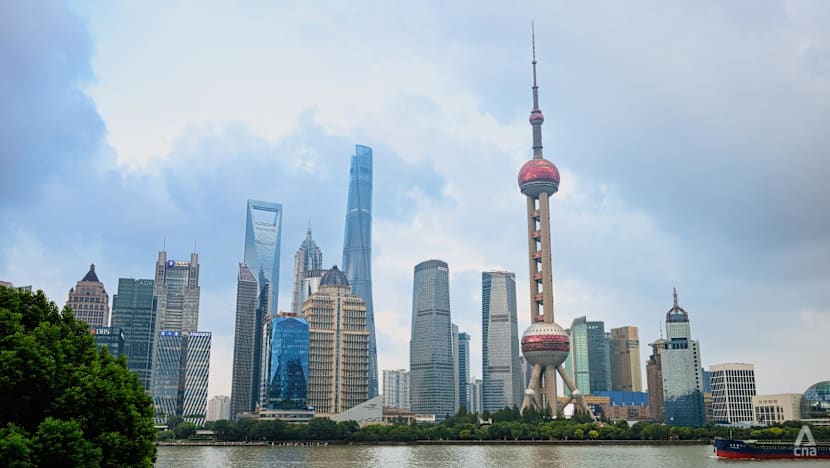
Many young people see Shanghai as a "temporary place" - somewhere to gain experience before eventually leaving and returning home, Cheng said.
That ultimately affects how many view long-term friendships or connections, she added.
EMOTIONAL COSTS OF SOLITUDE
Not everyone living alone feels lonely. And not everyone who feels lonely lives alone.
But for many young adults in China, loneliness is where it starts.
The country’s fiercely competitive education system prioritises academic results and achievements as well as long hours, said Xiang.
Social media has also made forming deep connections optional.
It isn’t youths choosing solitude and becoming lonely, Xiang said. "It starts with feeling lonely already."
Xiao Hui, who asked to be identified by a pseudonym, is a 26-year-old secondary school teacher who learned this the hard way, when she moved to Guangzhou for an internship last November.
Solo living was freedom, she said. "No one (is) interfering with your life or your emotions."
But freedom also "comes at a cost", she said. "You experience a certain level of loneliness."
When her internship ended, she began to feel anxious about graduation and what lay ahead.
Being alone in a new place without any close friends made it "especially hard", she said.
She also began having nightmares of intruders breaking into her apartment.
The pressure points of solo living are often shared - illness, holidays, job loss.
Cheng recalled being sick with a fever in her Shanghai apartment, unable to get out of bed for water or medication.
"Even getting a glass of water was hard because you've only got yourself," she said. In those moments, she wondered what it would be like to live with someone.
But she is also careful about romanticising the alternative.
"We are comparing the worst moments to our best impression of someone taking care of us," she said, adding that a roommate might not be emotionally invested either.
Tian agreed: "Living alone is hard, but I also don't want to live with other people. So it becomes like my two brains are fighting each other."
"I'm the kind of person who shows my coworkers, friends, and the outside world that I'm 'okay' even if I'm crying myself to sleep every night," she said.
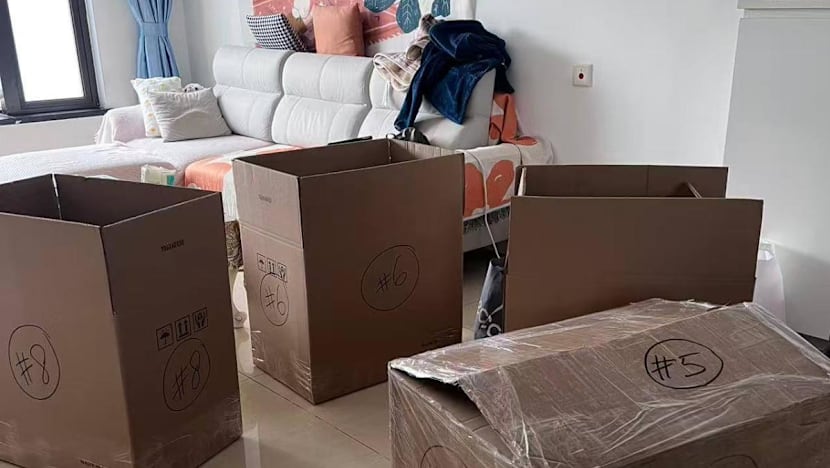
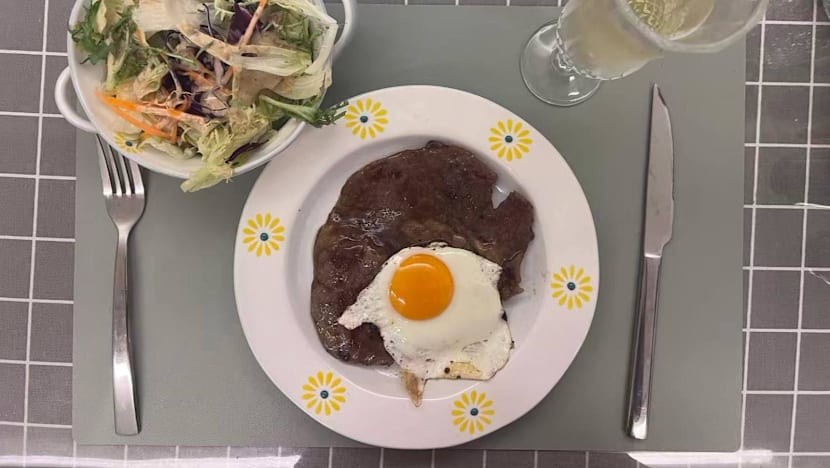
However, living with someone does not guarantee connection.
Fufu, a 28-year-old man in Shanghai who asked to be identified by a nickname, has a roommate - yet still feels profoundly alone.
The two men rarely interact, even though they share an apartment.
"We're really just coincidentally living together," Fufu said.
His loneliness runs deeper than his living situation. He recently returned from the United Kingdom after finishing his studies, and is jobless.
"I feel like I'm already this old, but my friends have gone far in their careers, while I'm still starting from zero," he said.
His romantic relationship also hasn't unfolded the way he hoped.
There is one question he dreads above all others: What are you doing these days?
"I'm really afraid of that question," he said. "Because in reality, I'm not doing anything at all right now."
Is there stigma around admitting loneliness?
Xiang sees a generational divide.
Among young people, shame around mental health has largely dissipated, he said.
"Many young people openly declare, 'I have depression' … there is no longer something to hide."
The stigma, however, has not disappeared. Tian admitted she is reluctant to show loneliness openly.
"I think I'm a bit ashamed to show loneliness," she said.
"If you do, it can seem like you're expecting others to give you companionship … and that makes me uncomfortable."


NEW SOCIAL STRUCTURES
In the absence of traditional family and community structures, many young Chinese are quietly improvising new ways of living and connecting.
One of the most visible is "da zi" culture. "Da zi" literally means someone you pair up with, referring to activity-based, low-commitment relationships formed around specific needs, such as a dining companion, a gym partner, or a study buddy.
Such ties offer companionship without the weight of deeper obligations - which is precisely their appeal, experts said.
Tian in Guangzhou has cultivated a "dispersed friend-family" unit - with a close friend, who is also single and living alone.
The arrangement works, she said, because neither has family in the city or romantic partners whose needs might complicate the balance.
They gather during holidays to eat together. At other times, she also visits her friend just to hang out - doing nothing in particular, simply sharing space.
"Even if you don’t chat and just do your own things, the sense of companionship becomes much stronger," she said.
She enjoys the comfortable friendship.
"It dissolves a lot of the loneliness, because besides my home, there’s also another home," she said.
Colleagues still living at home with their parents sometimes bring home-cooked lunches to the office for her.
"They might think that living alone means there’s no family to take care of (me), and that I can only eat takeout," Tian said.
She has also learned to build a support network.
"I think that in life you need 'contact 1, 2, 3'," she said - referring to people you can call in a crisis.
When she locked herself out of her apartment after 1am one night, she called her closest friend immediately. She slept at her friend's place that night.
Others turn to pets.
Cheng adopted her cat Wongtsai, a British Shorthair, when she moved to Xiamen back in 2023.

"Having a pet is a solution for a lot of people living on their own," she said.
Some fill their time with hobbies. Xiao Hui skateboards, goes to the gym and reads psychology books. But keeping busy only works up to a point, she said.
"When I slow down and am alone, not actively doing things, I still feel a sense of emptiness - a faint loneliness," she added.
WHEN POLICY FALLS BEHIND
In Scandinavian countries such as Finland and Denmark, one-person households make up close to 40 per cent of the population - yet these societies consistently rank among the happiest in the world.
"Year after year, the happiness reports come out and they’re always near the top," Yeung said. "People have very high satisfaction in life."
China’s situation is different, she added.
The contrast lies not in how many people live alone, but in what surrounds them, said Yeung.
Institutions have struggled to keep pace with the speed of demographic change.
Social services and housing incentives remain oriented toward married couples with children - single people living alone qualify for few of these benefits.
Neighbourhood committees, designed for settled populations, often struggle to reach young renters who move frequently.
Another danger, Yeung warned, is disengagement.
"Given China’s demographic landscape, young people’s mental health could increasingly become a serious concern," she said.
She believes communities need to organise more activities to help people connect.
Employment, too, matters, she said. Work provides structure and daily social contact. For young people struggling to enter the labour market, training programmes can offer both skills and connection.
"We need state policies to step up, to help young people transition from school to the labour force," she added.
"At work, you at least have contact with people."


For someone like Fufu - recently graduated, unemployed, spending his days in an apartment with a roommate he barely speaks to - the absence of work means the absence of built-in social contact.
But if a person is "totally isolated, then there's very little we can do", Yeung said.
Human connections are not a given, said Xiang. Deeper, more meaningful relationships need time, work and effort, he said.
"You can live alone, but you can't let yourself become an isolated island in a city," said Xiao Hui.
"You need to make friends and build connections with the world and with the city - otherwise you'll feel truly lonely."

Cheng in Shanghai has established a comfortable routine - attending pilates classes in her building, seeing new faces at a coffee shop on a weekend city walk.
Xiang, meanwhile, cautions against treating solo living as a problem.
"Given that we cannot reverse declining marriage rates, we (have to think about) how to make people happier and healthier - and that is doable. That is possible."
Xiao Hui has made peace with living on her own. "I used to be someone who relied a lot on family," she said.
"Living alone has shown me that I’m actually quite independent and capable of taking care of myself,” she said. “And I feel quite proud of that."
After many years, Cheng has come to see loneliness differently. "I think loneliness is coming from a place of doubt - like no one's going to care for you," she said.
With a stable routine and reliable emotional support, she believes it no longer matters where you are.
"It’s about knowing that there are people who love you."