







Growing Singapore-Middle East ties open doors for Singaporeans abroad
As firms expand into fast-growing Gulf markets, the Singapore Business Federation says the broader aim is to boost their international operations in ways that ultimately create more jobs back home.
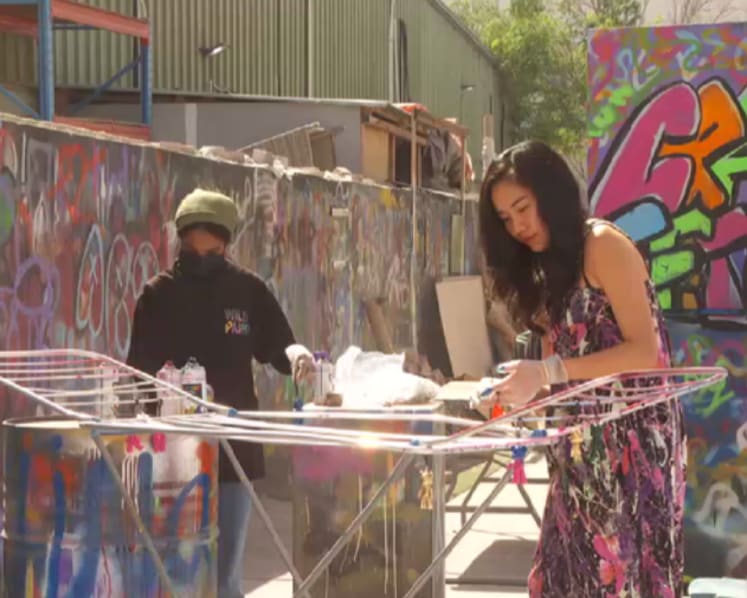
Singaporean Andrea Lim (right) runs an experiential art jamming studio in Dubai.

This audio is generated by an AI tool.



DUBAI/RIYADH: About five years ago, Singaporean Andrea Lim was preparing to expand her art studio into Kuala Lumpur during the COVID-19 pandemic.
But with the borders between Malaysia and Singapore closed for nearly two years, the plan fell through and she lost the space she had secured.
“We started thinking, where else in the world could we expand to?” Ms Lim, 33, told CNA.
Her search led her to the United Arab Emirates’ most populous city in 2022.
“We decided to check out Dubai because we knew that it had a growing population and people (were) also looking for things to do,” she added.
Today, her experiential art jamming studio, Wild Paint House, operates out of a two-storey, 4,000 sq ft unit in Al Quoz – about three-and-a-half times the size of her Singapore outlet.
Rent is about 40 per cent cheaper, and she charges around 20 per cent more for her services to match the higher spending power in the country.
The move was self-funded, though she received early support from Enterprise Singapore’s market readiness assistance grant, which helps companies expand overseas by defraying the costs of market promotion, business development and set-up.





Setting up was not immediate as her concept did not fit neatly into predefined business categories. Getting the right licenses took about five months, she recounted.
Then, many people there saw art activities as something mainly for children or girls, and not for adults, Ms Lim added.
She said her team had to explain that anyone could take part, before word of mouth, along with support from Dubai tourism campaigns, helped the concept gain organic traction.
Despite the initial challenges, Ms Lim believes Dubai offers cost advantages over Singapore, particularly for big-ticket items.
“Rent and cars here … are still much, much cheaper. Buying a house is also way cheaper,” she said.
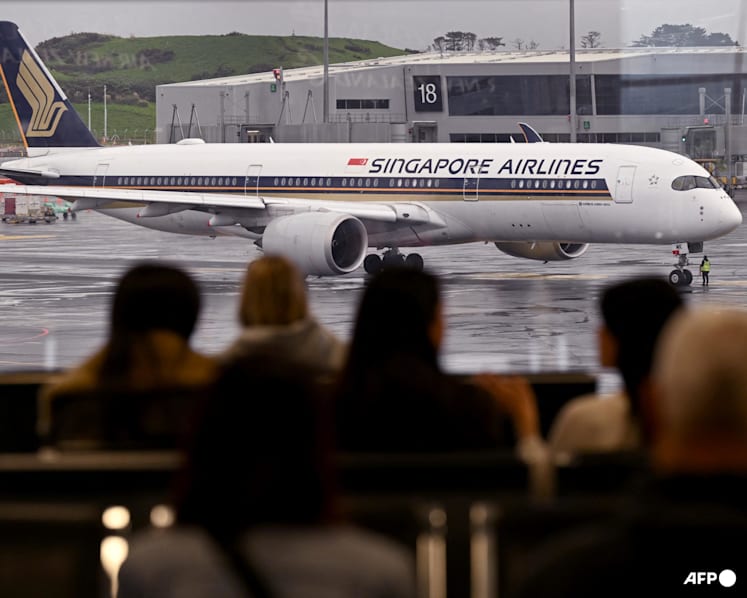
Her experience reflects a broader push by Singapore firms into the Gulf, as economic ties between the regions deepen.

BACKING FIRMS TO GO OVERSEAS, AND CREATE LOCAL JOBS
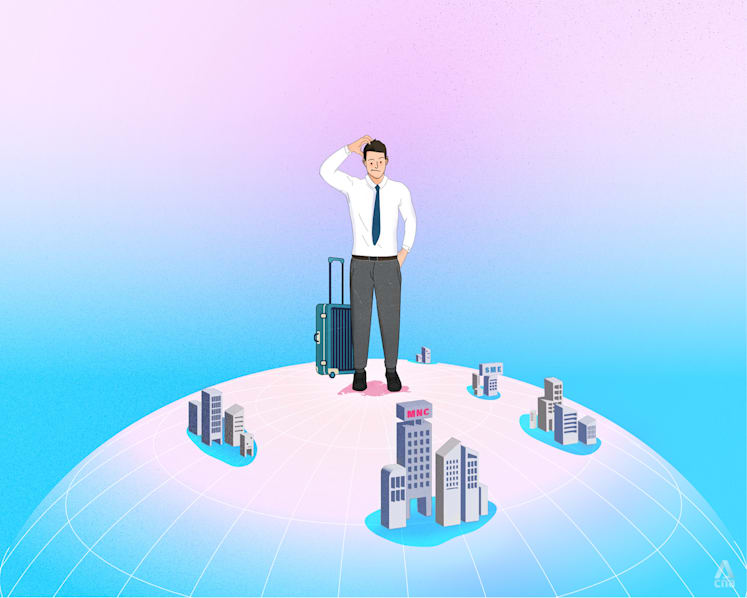
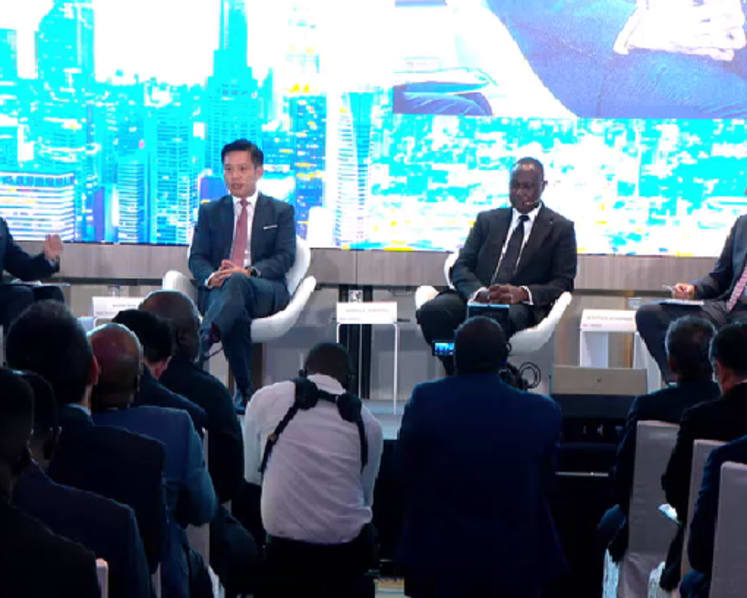
Singapore is stepping up engagement with the Middle East, supporting more small and medium-sized enterprises (SMEs) to expand into fast-growing Gulf markets.
Last year, the Singapore Business Federation (SBF) opened the Singapore Enterprise Centre in Dubai to provide market advice, networking and business-matching support.
Creating jobs in Singapore remains a key objective even as companies expand abroad, it said.
Enhancements to the market readiness assistance grant, announced at Budget 2026, will raise support for SMEs from 50 per cent to up to 70 per cent of eligible costs from Apr 1, capped at S$100,000 per company per new market.
“With the market readiness assistant grant, we hope to get more companies to go overseas, and as they go overseas, they will likely generate jobs for Singaporeans in supply chain coordination, in business development and in regional operations,” said SBF CEO Kok Ping Soon.
While it is difficult to put a firm number on how many roles may be created, Mr Kok noted that SBF facilitated about 200 overseas projects last year.
“Each of these companies typically needs about two to three Singaporeans for a start to explore some of these opportunities,” he added.
But Mr Kok stressed that overseas expansion is not just about placing Singaporeans abroad – it is about helping companies grow their international operations in ways that ultimately create more roles back home.
BUILDING A THEME PARK IN SAUDI ARABIA
Beyond entrepreneurs, the Gulf’s rapid development is also drawing Singaporean professionals into large-scale projects – particularly in countries investing heavily in tourism and entertainment.
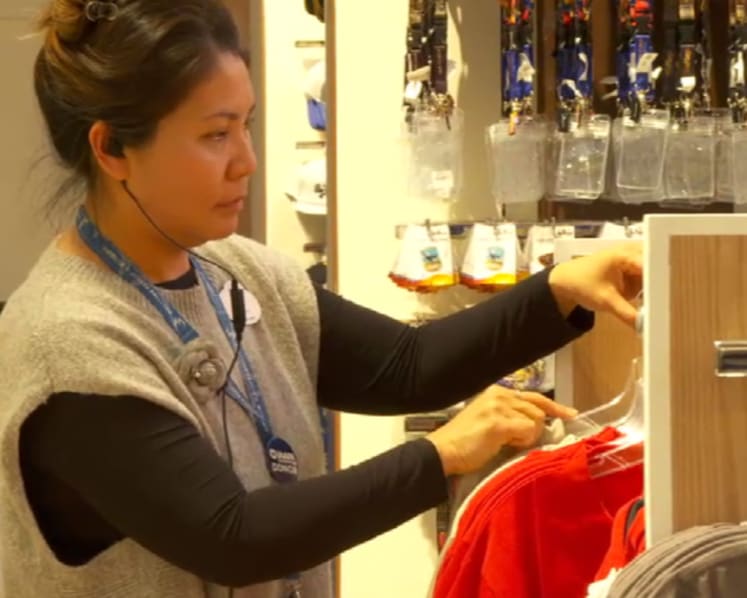
For 49-year-old Mimsey Loh, the Middle East presented an opportunity to build a large-scale project from scratch.
Ms Loh has worked on theme parks in Singapore, Dubai and Malaysia. In 2020, she moved to Saudi Arabia to join Six Flags Qiddiya City, where she is now vice president of retail operations and product development.
The language barrier was a challenge, but she found the people welcoming.
“Everybody speaks Arabic. But the fortunate thing is, the people here are extremely friendly. Even though they do not speak English, they still try to help you,” she noted.
Her daily work includes interacting with guests, overseeing stores, developing products and conducting market research to understand what Saudi customers are looking for.
However, adjusting to cultural norms took time.
“The challenges I had initially were, of course, the cultural differences … What I cannot wear, and what I can and cannot do,” she said.
She recalled walking alone into the “single section” of a restaurant, only to be asked to move to the family section instead, due to her gender.
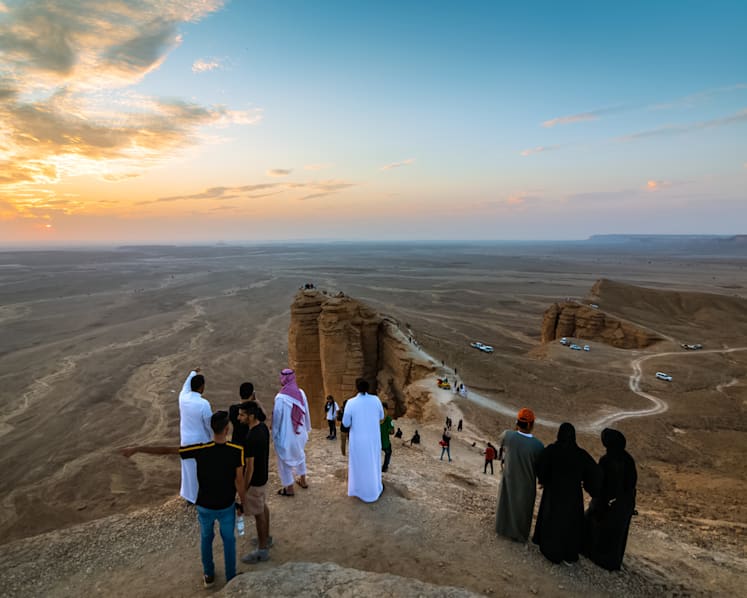
The extreme weather – with temperatures reaching 50°C during the summer – was another adjustment, though she noted the lower humidity compared to Singapore.
While she is based in Saudi Arabia alone and misses her family back home, she said she has embraced the professional challenge.
Her role, she said, allows her to shape the theme park’s retail spaces from the ground up, from deciding the kinds of stalls to details such as their fixtures and the merchandise sold.
“It's (an) amazing experience (starting) from zero to something right now that you see,” she said.
A HOME AWAY FROM HOME
Others, like Mr Shaqeel Said, have gone a step further – making the kingdom a long-term home.
The father of eight has lived in Saudi Arabia for about 25 years. Fluent in Arabic, he found adapting to the culture less difficult than most.
Now CEO of EtonHouse KSA in Riyadh, he recently started his new role at the international school, hoping to encourage children to enjoy learning rather than focus only on grades.
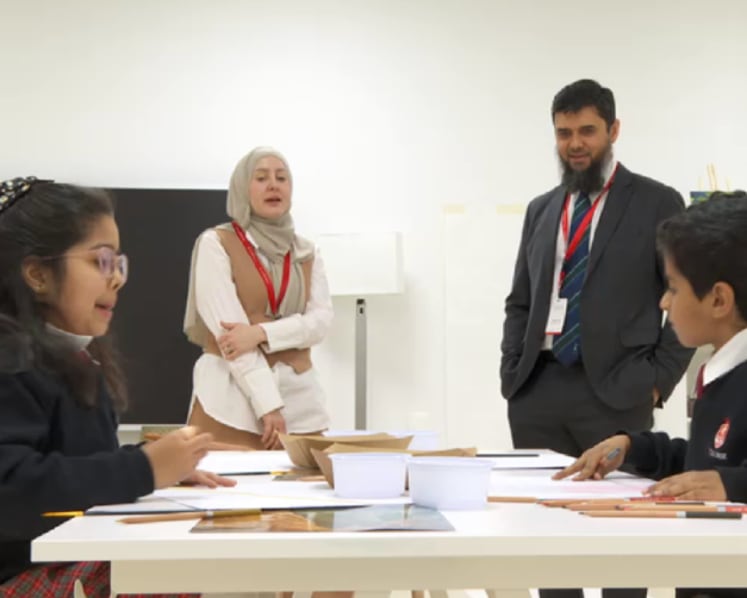
Describing Saudi Arabia as “quite a tribal society”, he noted that there are “very set protocols” and social norms to observe, which newcomers might need time to grasp.
At the same time, he called it “a very warm culture” with a strong sense of community,
Asked whether current tensions in the region spill over to daily life, he was unequivocal.
“To be honest, I feel (Saudi Arabia) is one of the safest places in the world. You can leave your car door unlocked, you can leave your laptop on your table … and most likely you'll come back and find it,” he added.
While Saudi Arabia may get “bad press”, for example over regional tensions or cultural restrictions, Mr Shaqeel said many visitors are pleasantly surprised once they arrive.
As more Singapore companies do business in the kingdom, the Singaporean community there has grown, he noted.
For those considering a move, his advice is to stay open-minded.
“You need to be willing to understand and take the time to understand other cultures … and not expect everyone to behave in a way that you're necessarily used to,” he added.




