Stiffer penalties for selling, importing or using vapes after law passed in parliament
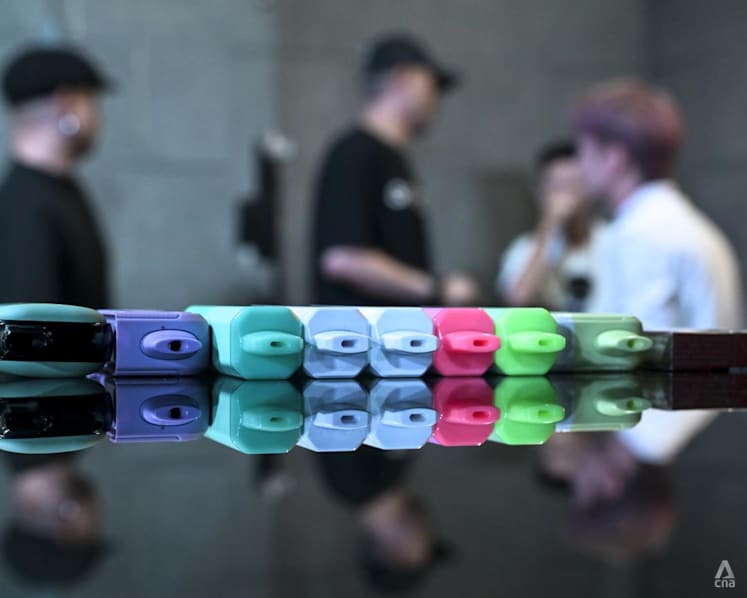
The new law seeks to protect children by punishing adults who knowingly or recklessly leave vapes with etomidate where children can access them.

This audio is generated by an AI tool.




SINGAPORE: The maximum penalties for possessing, using, importing and selling vapes in Singapore will be raised significantly after changes to the law were passed in parliament on Friday (Mar 6).
Owners of warehouses and storage units will also bear greater responsibility if such prohibited products are found in their premises, while nightclubs, bars and pubs will have to take action when they find patrons in possession of or using vapes.
The Tobacco (Control of Advertisements and Sale) (Amendment) and Other Matters Bill was passed unanimously, with nine MPs raising questions.
Speaking during the debate on the Bill, Senior Minister of State for Health Koh Poh Koon said that while etomidate vapes triggered the recent escalation in enforcement efforts, the majority of vape users do not use etomidate.





“We are therefore significantly increasing the penalties for offences involving these products to strengthen deterrence,” said Dr Koh.
Over the past six months, the authorities have caught over 5,100 people for vape-related offences, of which more than one in 10 were etomidate vape users.
Among the offenders placed on rehabilitation, 42 defaulted. One person has been convicted and imprisoned, while the rest will be charged.
Seventy offenders have completed their rehabilitation programmes, with four youth offenders reoffending.
NEW LAWS FOR NEW CHALLENGES
Dr Koh said that vapes have created new challenges in enforcement and health protection.
The new law not only prohibits vaporisers, but also allows for enforcement against the abuse of etomidate and potentially other psychoactive substances through such delivery devices in the future, said Dr Koh.
The Tobacco (Control of Advertisements and Sale) Act (TCASA) has been renamed the Tobacco and Vaporisers Control Act (TVCA) to reflect the law's broader mandate and coverage.
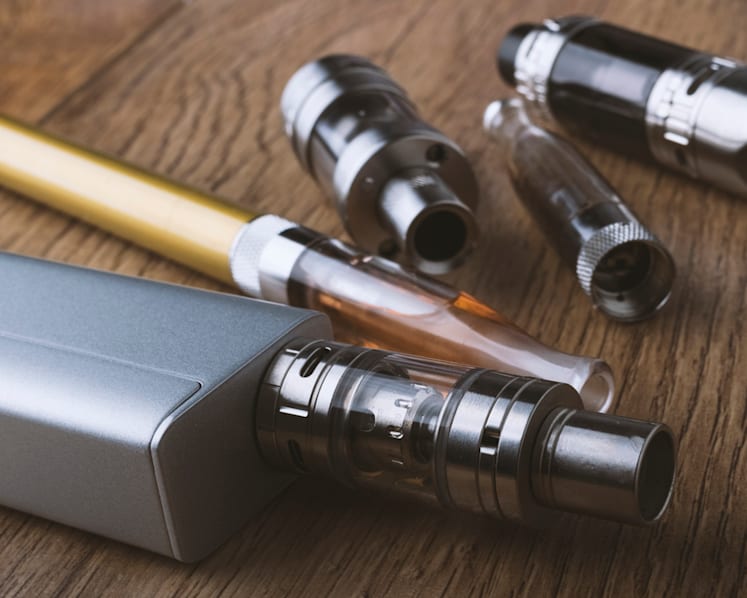
Vapes and their components are considered prohibited products under the TVCA, along with imitation tobacco products that are not already covered by the Act.
“Future-proofing is important, especially given that the tobacco industry has been introducing new products to circumvent tobacco control regulations,” said Dr Koh.
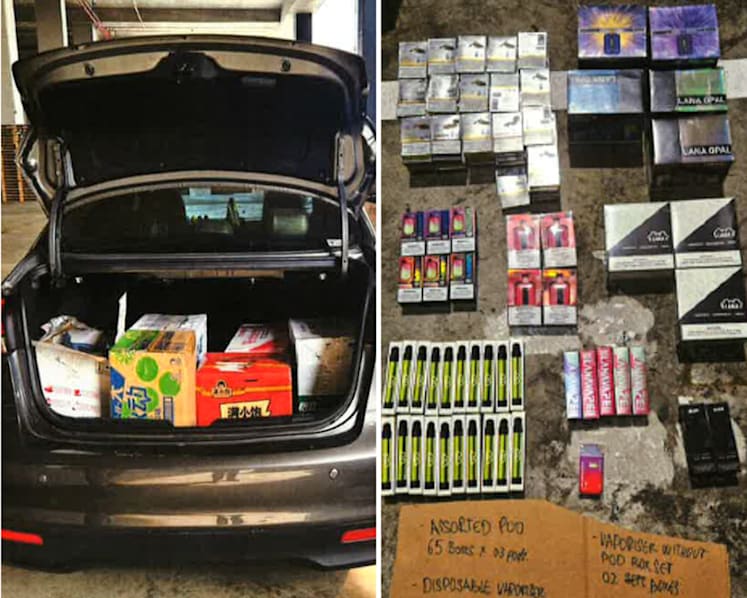
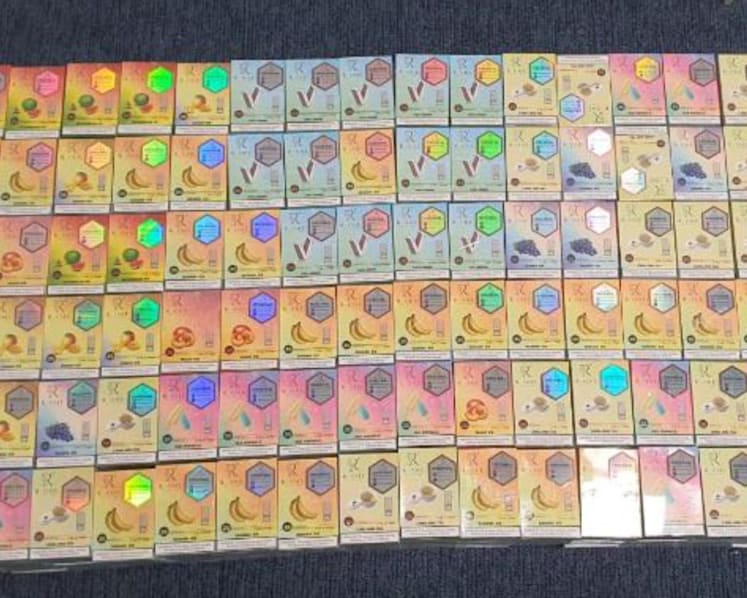
Under the new law, the purchase, use and possession of vapes now carry a maximum fine of S$10,000 (US$7,810), up from S$2,000 previously.
Those who import vapes now face mandatory jail terms of up to nine years, and fines of up to S$300,000.
Sellers or suppliers of the products may be jailed for up to six years and fined up to S$200,000.
Maximum penalties for the sale, supply or import of imitation tobacco products have also been increased to a fine of S$100,000 and three years’ jail for first-time offenders. Repeat offenders may face double the maximum penalties.
The government had temporarily listed etomidate and its analogues as Class C controlled drugs in the Misuse of Drugs Act (MDA) to deal with the emerging issue of the abuse of the substance.
Under the new law, a category of Specified Psychoactive Substances (SPS) has been created to cover products like etomidate, which can cause psychoactive effects when consumed and could also be abused by using a tobacco product, vaporiser or imitation tobacco product.
With its SPS classification, etomidate will be concurrently removed from the MDA when the new law comes into effect on May 1.
Anyone who supplies SPS products faces between two and 10 years’ jail, as well as two to five strokes of the cane.
Those who import such products may be jailed for three to 20 years, and face five to 15 strokes of the cane.
Those convicted of possessing, purchasing or consuming SPS, can be fined up to S$20,000, jailed for up to 10 years, or both.
As with the drugs and substances covered by the MDA, it will be an offence for Singapore citizens and permanent residents to consume SPS overseas.
“This deters locals from going abroad to feed their addiction to evade enforcement in Singapore,” said Dr Koh.
PROTECTING THE YOUNG
The new law also seeks to protect the young from the harms of vaping.
It punishes adults who possess SPS products and knowingly or recklessly leave them where children can access them, or who do not take reasonable steps to prevent young people from using the products.
They could be jailed for up to 10 years for a first offence. Repeat offenders face between two and 10 years’ jail.
Adults who involve the young or vulnerable in importing or supplying such products may be jailed between four and 20 years, and face four to 15 strokes of the cane.
In response to questions from MPs Hamid Razak (PAP-West Coast-Jurong West) and Vikram Nair (PAP-Sembawang), Dr Koh said that the government has stepped up preventive education efforts, noting that “many people, especially the young, picked up vaping out of curiosity or peer pressure”.
“The national campaign across multiple platforms includes digital display panels across the island … mainstream media and social media, to inform the public about the dangers of vaping and etomidate vaporisers,” he said.
The authorities have also collaborated with many online content partners to reach out to young people, he added.
Schools and institutes of higher learning have also played a big part in educating the young on this topic, with messages on the harm and consequences of vaping integrated into the school curriculum, he said in response to a question from Nominated MP Neo Kok Beng.
Dr Koh also said that the Health Sciences Authority (HSA) will closely engage parents and guardians and exercise powers judiciously when dealing with young offenders.
“Parental and family support are crucial to helping young offenders quit,” he said.
“Parents who refuse to be involved in their children’s counselling without reasonable justifications will potentially face criminal charges.”
REHABILITATION REQUIREMENTS
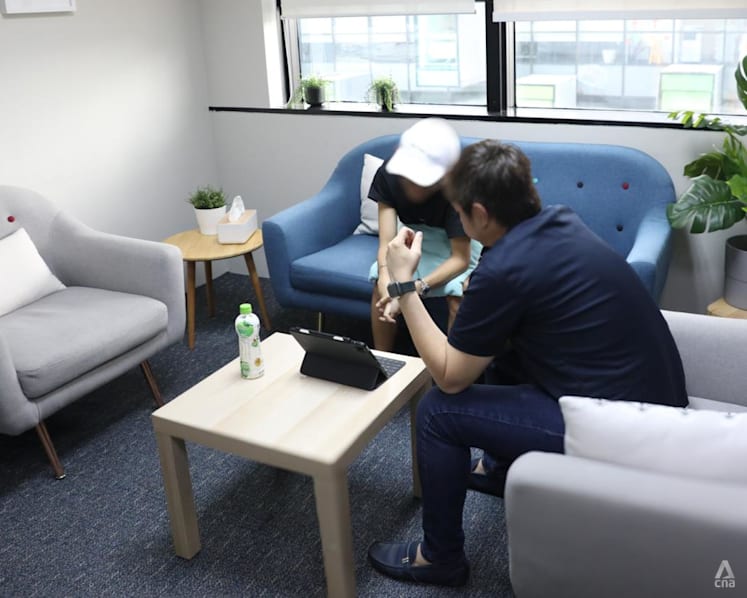
Besides enhanced penalties, the new law also comes with new powers to order rehabilitation.
Community-based rehabilitation orders may be imposed when there are reasonable grounds to believe a person has consumed SPS, and for individuals convicted of or who have accepted offers of composition for the offence of consuming SPS.
Those caught repeatedly for the consumption of SPS can be subject to treatment and rehabilitation at the Drug Rehabilitation Centre.
Community-based rehabilitation orders may also be imposed for people who vape.
MP He Ting Ru (WP-Sengkang) said she hoped that enforcement efforts would provide an opportunity for vape users to turn over a new leaf, instead of stigmatising them, especially children who have a long future ahead of them.
“Even though enforcement checks in schools to stamp out such behaviour are welcome, we must also be cautious about being overly punitive with our approach, to prevent students from being unduly stigmatised,” she said.
MP Choo Pei Ling (PAP-Chua Chu Kang) said she welcomed the structured rehabilitation orders introduced in the Bill.
“Enforcement stops the spread, rehabilitation stops the cycle,” she said.
“The credibility of this framework will depend on timely and consistent implementation. For eligible first-time youth offenders, intervention must be swift, structured and supported by access to cessation and counselling pathways.”
Dr Choo asked MOH for details on how to ensure that rehabilitation is operationalised quickly.
In response, Dr Koh said suspected offenders may have to undergo interviews, investigations and testing before being sent for rehabilitation, which is why there will be some time between detection and rehabilitation.
“We are working to minimise this turnaround time,” he said.
Dr Koh added that providers of rehabilitation programmes will explore the underlying causes for the use of vapes and etomidate, and offenders will learn healthy coping habits.
For those under 21, counselling sessions will also be conducted with their parents or guardians.
LIABILITY FOR WAREHOUSE OWNERS
The law will also require owners and occupiers of land, buildings and places to exercise due care to prevent prohibited products from being stored in spaces under their purview.
That could involve conducting background checks on tenants, conducting ad hoc inspections and including explicit clauses in tenancy agreements on prohibited activities.
“The intent is to allow us to take action against owners or occupiers who allow or turn a blind eye towards storage of such illegal products in their premises for supply and distribution purposes,” said Dr Koh.
He noted that the HSA has uncovered several cases of illegal vape operations in warehouses and storage units, including one where the vapes and components were worth more than S$5 million in street value.
During the debate, MP Yip Hon Weng (PAP-Yio Chu Kang) asked whether clear guidelines would be provided so that owners know what constitutes due diligence.
Dr Koh said support will be provided to owners and occupiers so they will understand how to fulfil their obligations.
They will be given practical guidance on identifying prohibited products, how to engage and handle individuals possessing or using prohibited products, and when to engage HSA for assistance.
“To protect these owners and occupiers, it will be an offence for individuals to hinder, obstruct, threaten, abuse or assault owners and occupiers in the course of performing their duties,” he said.
Each case involving the storage of prohibited products will be assessed on its own facts, so owners and occupiers who have exercised due care do not need to worry, said Dr Koh.