







European holidaymakers stay closer to home as Middle East conflict reshapes summer travel
Geopolitical uncertainty is prompting more Europeans to book trips later, favour nearby destinations and rethink long-haul holidays, leaving travel firms facing an unpredictable peak season.
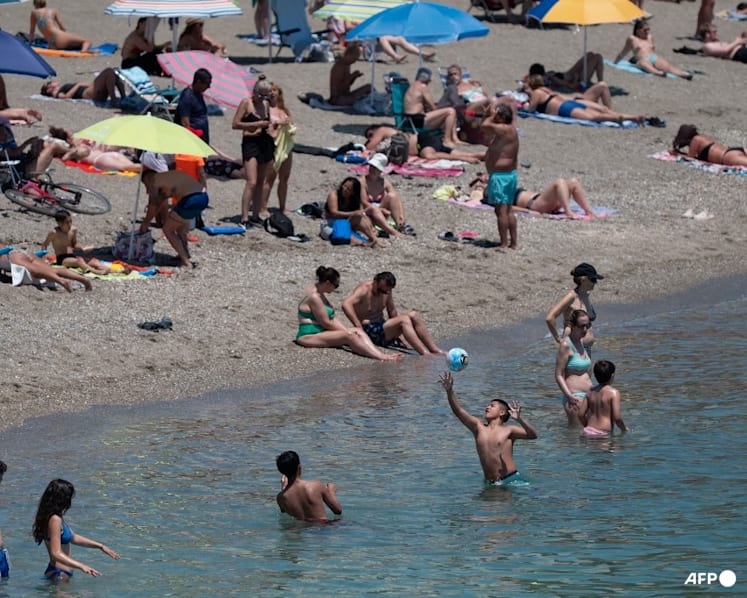
Beachgoers at Malagueta beach in Malaga, Spain, on May 31, 2026. (Photo: AFP/Jorge Guerrero)

This audio is generated by an AI tool.


MALAGA, Spain: As millions of Europeans head off on their summer holidays, many are choosing destinations closer to home amid uncertainties over the Middle East conflict.
Tourists are opting for places they see as safer, delaying their bookings and avoiding routes that require transit through major Gulf aviation hubs.
This shift has created opportunities for some Spanish holiday destinations.
Beach resorts such as Torremolinos and Marbella continue to draw visitors seeking sunshine, warm seas and Mediterranean cuisine.
“This just seemed the safer option, definitely,” said an Irish tourist in Torremolinos, adding that she felt booking holidays in regions affected by heightened tensions carried too much financial risk if travel plans were disrupted.
Another British tourist at the resort town said her family's holiday plans had changed because of the conflict.
"My niece goes to Dubai most years, but she cancelled her Dubai holiday because of the troubles. So, she ended up just going to Tenerife. Me, personally, I wouldn’t do Dubai,” she told CNA.





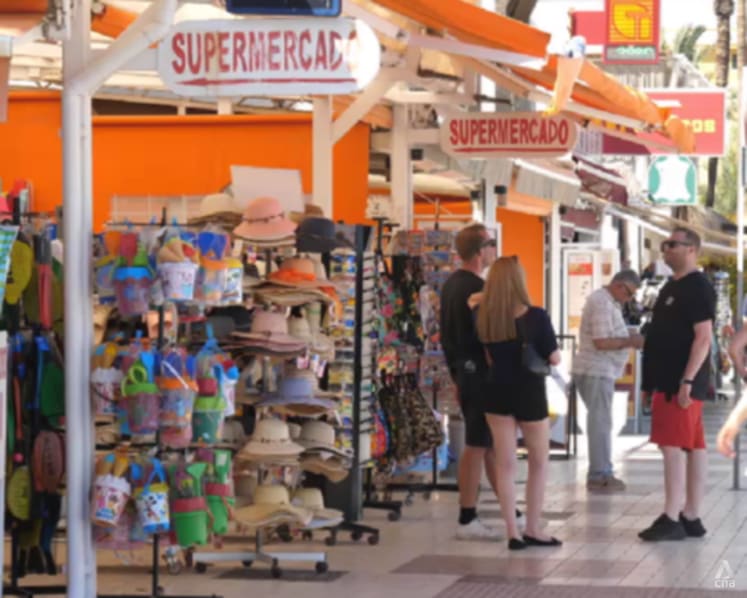
Along southern Spain's popular Costa del Sol, hotels have also been seeing additional business.
"More tourists from the Middle East – people who would normally go to Turkiye and Croatia – are moving further away from the conflict … that impacts us positively,” said Javier Hernandez, executive vice-president of the Costa del Sol Hotel Business Association, which represents hotels in the region.
However, local demand has been weaker than expected, he noted.
"The negative side is domestic tourism, which right now is not at the level or the numbers that we were hoping for," he said.
Tourism is a key pillar of Spain's economy. The country welcomed a record 96.8 million international visitors in 2025, and the sector accounts for about 12.6 per cent of gross domestic product.

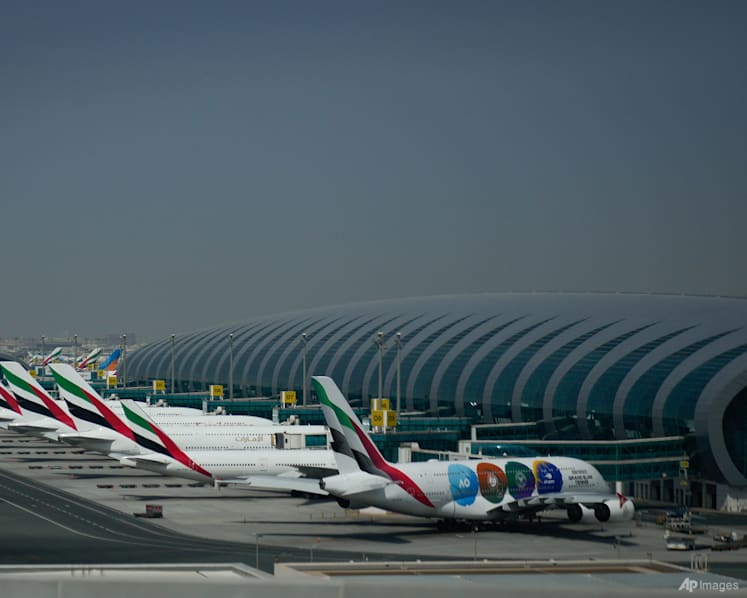
LONG-HAUL TRAVEL FEELING THE IMPACT
Europe's largest tour operator, TUI, is also grappling with a mixed outlook.
The company said hotel occupancy in the eastern Mediterranean is lagging behind the same period last year.
Its chief executive Sebastian Ebel said demand for travel to the Middle East has fallen sharply.
“Hardly anyone at the moment goes on vacation to the Middle East,” he said. “There are still, in some markets, travel warnings. So this market is, in a way, dead.”
He added that travellers are also reluctant to transit through Gulf hubs en route to long-haul destinations.
"It's still difficult to bring people to the Maldives, to the Seychelles, to Thailand except with our own flights because people are hesitating to go through Dubai, Doha or Abu Dhabi," he said.
TUI has also said customers are increasingly booking closer to their departure dates as they monitor developments in the Middle East.
MORE UNCERTAINTY OVER FUEL CRUNCH
The conflict is also raising concerns about aviation fuel supplies and airline operations.
Spain's government has said the country could benefit if tourists switch to destinations in the western Mediterranean, but warned that higher energy costs could drive up air travel prices and weigh on the sector.
Europe relies heavily on jet fuel imports from the Middle East, making the continent’s aviation sector vulnerable to prolonged disruptions.
Many Gulf carriers suspended or cancelled flights following attacks by the United States and Israel on Iran on Feb 28. Iran’s response virtually halted commercial shipping through the Strait of Hormuz, a key global oil transit route.
Although Washington and Tehran signed a memorandum of understanding on Jun 17 establishing a ceasefire framework which included restoring shipping through the strait, airlines and travellers remain cautious.
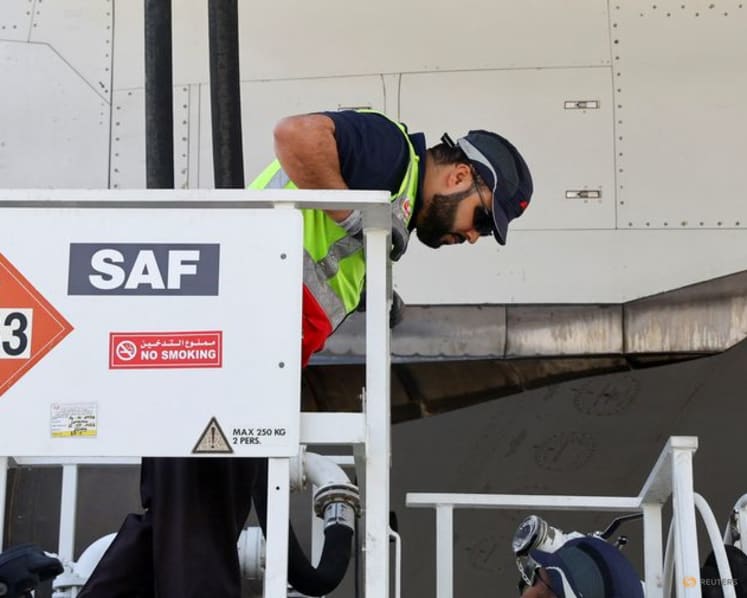
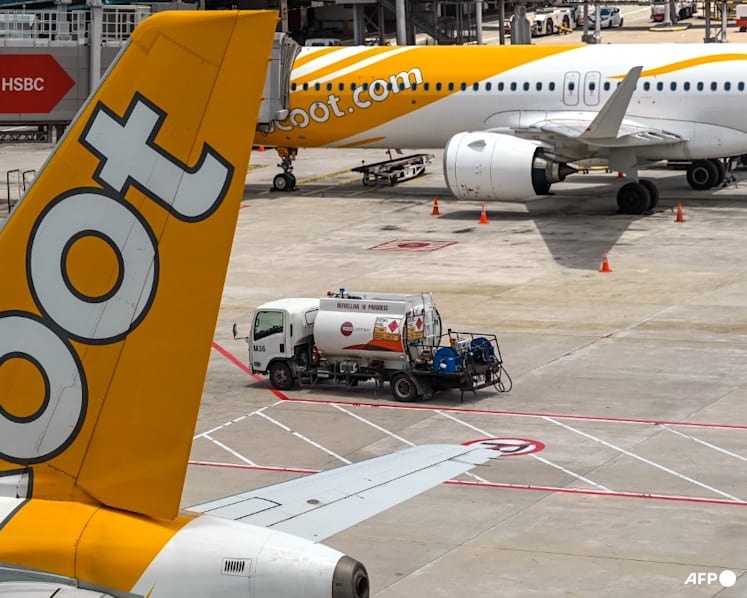
Some analysts believe Middle Eastern airlines are financially resilient enough to withstand a prolonged downturn.
Stuart Hatcher, chief economist at aviation consultancy IBA, said state-backed carriers are in a relatively strong position.
"Ironically, if you look at the EBIT (earnings before interest and taxes) pressures; if this is a six-month conflict, the one area in the world that will largely come out unscathed are the Middle Eastern carriers, which is bizarre in that sense,” he said.
Still, the instability is likely to influence travellers' holiday choices, he added.
With travellers prioritising flexibility, nearby destinations and a sense of safety, Europe's airlines and tour operators are preparing for a summer in which booking patterns could shift quickly as events unfold.




