Oil prices climb, stocks slide as investors reassess Middle East ceasefire prospects
"It looks like the market’s relief trade is starting to wobble," said an analyst.
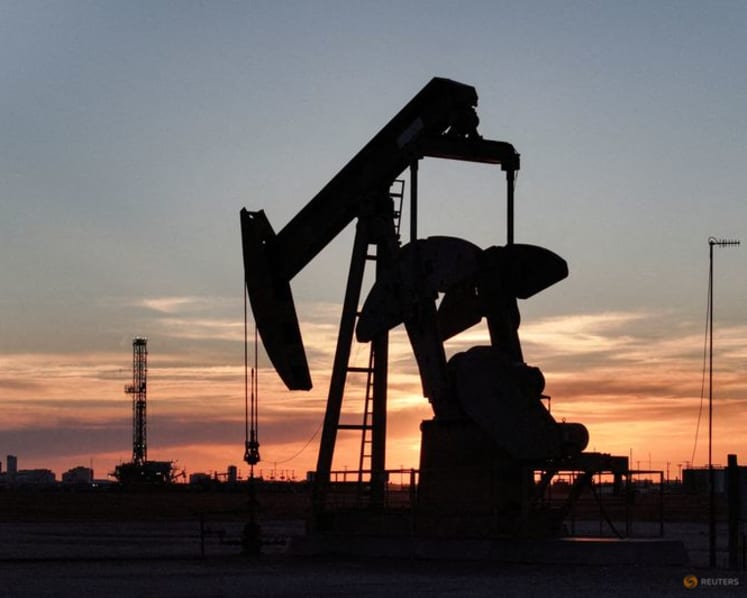
A drone view of a pump jack and drilling rig south of Midland, Texas, US, on Jun 11, 2025. (File photo: Reuters/Eli Hartman)
TOKYO: Oil prices climbed on Thursday (Mar 26), recovering some of the previous day's losses as investors re-examined prospects for de-escalation in the Middle East as Iran said it was still reviewing a United States proposal to end the war, which has disrupted energy flows.
Brent crude futures were at US$104.53, up over 2 per cent on the day, and set for a 43.6 per cent jump in the month.
Despite reviewing the proposal, Iran has no intention of holding talks to end the widening Middle East conflict, the country's foreign minister said on Wednesday.
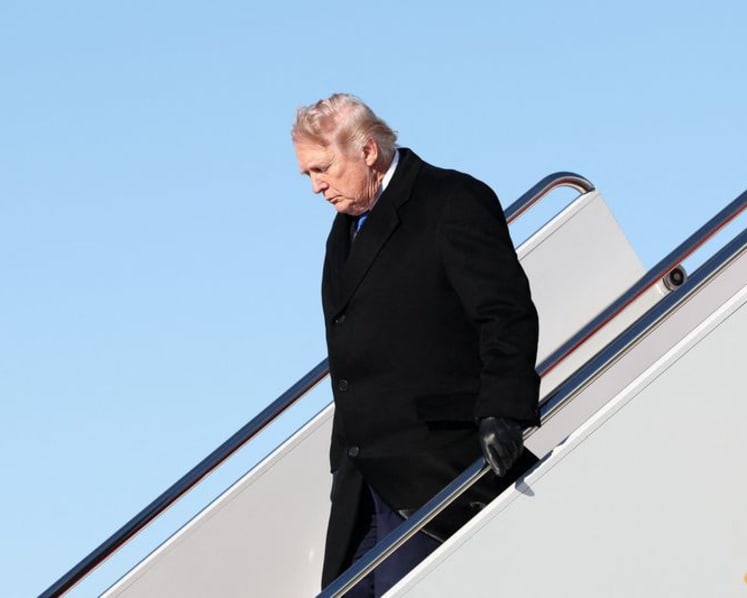
US President Donald Trump will hit Iran harder if Tehran fails to accept that the country has been "defeated militarily", White House press secretary Karoline Leavitt said.
"Optimism regarding a ceasefire has faded," said Tsuyoshi Ueno, senior economist at NLI Research Institute.
He added that the bar set by Washington appeared high, leaving oil prices vulnerable to further volatility depending on negotiations and military actions by both sides.
Trump's 15-point proposal, sent through Pakistan, calls for removing Iran's stocks of highly enriched uranium, halting enrichment, curbing its ballistic missile program and cutting off funding for regional allies, according to three Israeli cabinet sources familiar with the plan.

STOCKS SLIDE
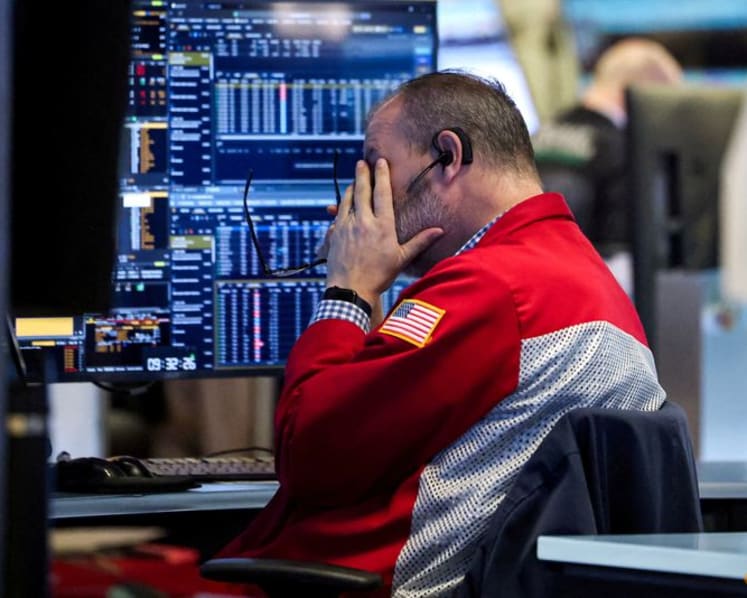
Japan's Nikkei reversed early gains to trade 0.7 per cent lower while South Korean stocks fell 2.7 per cent and Hong Kong's Hang Seng index slid 1.7 per cent.
MSCI's broadest index of Asia-Pacific shares outside Japan fell more than 1 per cent, set for a 9.5 per cent decline this month, its biggest monthly drop since October 2022.
The sombre mood will continue in Europe, with stock futures indicating a lower open. US stock futures were also down.
"It looks like the market’s relief trade is starting to wobble," said Charu Chanana, chief investment strategist at Saxo.
"Traders are also remembering that one peace rumour does not undo the inflation and rates damage already in the system."
"Price action suggests participants expect further twists and turns, even as the probability of a negotiated outcome edges higher."
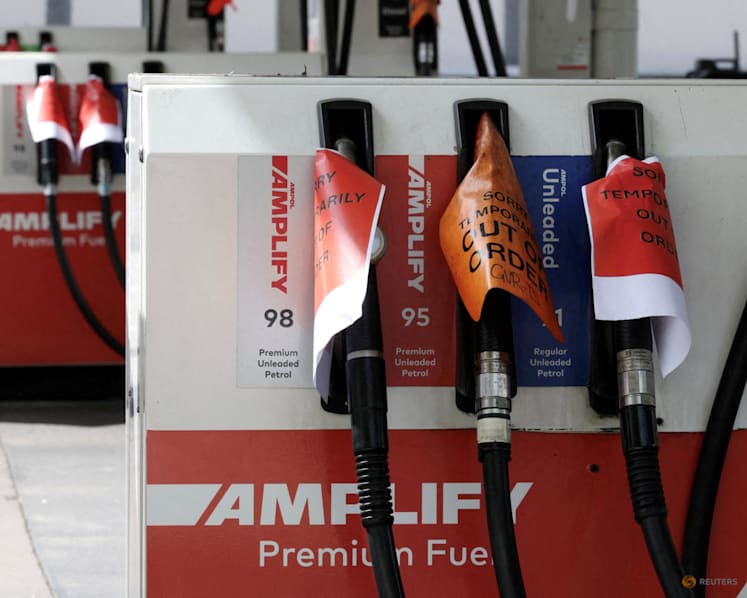
The conflict has all but halted shipments through the Strait of Hormuz, which typically carries about one-fifth of the world's crude oil and liquefied natural gas supply.
The International Energy Agency (IEA) has called it the biggest-ever oil supply disruption.
India, meanwhile, has bought its first cargo of Iranian liquefied petroleum gas in years after the US temporarily removed sanctions on Tehran's oil and refined fuels, sources said.
Japanese Prime Minister Sanae Takaichi asked IEA chief Fatih Birol for an additional coordinated release of oil stockpiles during talks on Wednesday, as Tokyo seeks to hedge against a prolonged Middle East conflict.
Iraqi oil production has slumped, with storage tanks reaching high and critical levels, three Iraqi energy officials said on Wednesday.
Adding to supply concerns, at least 40 per cent of Russia's oil export capacity is at a halt following Ukrainian drone attacks, a disputed attack on a major pipeline and the seizure of tankers, according to Reuters calculations based on market data.
US crude inventories rose by 6.9 million barrels to 456.2 million barrels in the week ended on Mar 20, the highest since June 2024 and far exceeding analysts' expectations in a Reuters poll for a 477,000-barrel increase.
"If you look at what the US wants to achieve, what Israel wants to achieve, and what Tehran wants to achieve, it will be very hard to reconcile all these points," said Matthias Scheiber, senior portfolio manager and the head of the Multi Asset team at Allspring Global Investments.
"We still think there is a case to make for structurally higher energy prices for the moment."
Fears of an inflationary aftershock from soaring energy prices have pushed traders to price out any chance of a Federal Reserve rate cut this year, lifting the dollar.
Bets on US rate hikes briefly gained traction but have since been pared back.