







War in the Middle East could drive up Singapore electricity tariffs, says energy regulator
Around 95 per cent of Singapore’s electricity is generated from imported natural gas.
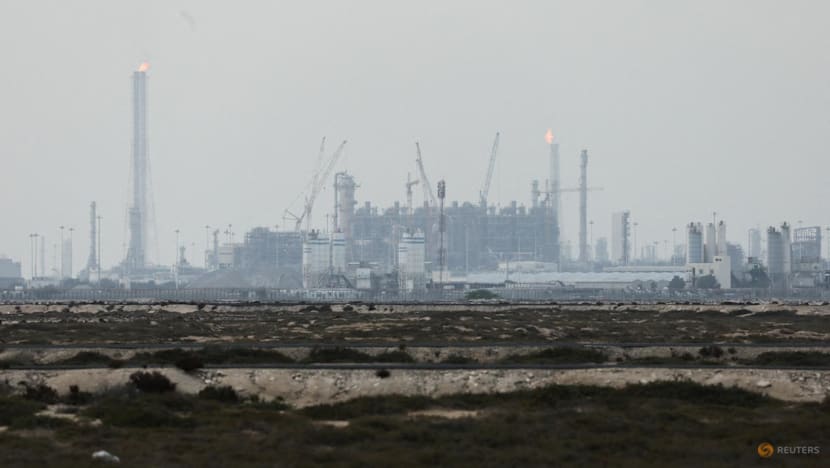
QatarEnergy's liquefied natural gas (LNG) production facilities, amid the US-Israeli conflict with Iran, in Ras Laffan Industrial City, Qatar on Mar 2, 2026. (File photo: Reuters)

This audio is generated by an AI tool.


SINGAPORE: The war in the Middle East is likely to push up global energy prices and, in turn, electricity tariffs in Singapore, the Energy Market Authority (EMA) said on Wednesday (Mar 4).
In response to CNA's queries, Singapore's energy regulator noted that around 95 per cent of the country's electricity is generated using imported natural gas.
Of those gas imports, 57 per cent comprise liquefied natural gas (LNG) from different parts of the world, including the Middle East. The other 43 per cent comprise piped natural gas from Malaysia and Indonesia.
EMA said most electricity consumers in Singapore are "cushioned" from immediate price volatility as they are either on fixed-price retail contracts or pay the regulated tariff set by SP Group and retailers.
But it warned that "some consumers may see an increase in electricity prices at the point of retail contract renewal, if fuel costs remained elevated at that point".
For households on the regulated tariff, prices are adjusted every quarter based on average fuel costs in the first two-and-a-half months of the preceding quarter.
"If fuel costs remain elevated, this would lead to higher regulated tariffs in subsequent quarters," the authority said.
EMA MONITORING GLOBAL DEVELOPMENTS
This comes amid retaliatory Iranian attacks on energy infrastructure in the Gulf since last Saturday, when the US and Israel declared war on the Islamic republic.
In Oman, drones have hit ports and fuel tanks, while in the United Arab Emirates, an oil storage zone was hit by falling debris from an intercepted drone.
Gas prices have risen since Qatar shut its LNG facilities, which supply around 20 per cent of global LNG exports, on Monday due to the war, now into its fifth day.
Iran on Wednesday also claimed it had "complete control" of the Strait of Hormuz, with an Iranian general threatening to "burn any ship" trying to pass through it. A key waterway for energy transit, it is where around 20 per cent of global seaborne oil travels.
As of 6pm on Wednesday, benchmark Brent crude was at US$83.76 a barrel, up for a third straight day.
Surging gas prices due to global demand and supply factors in 2021 caused an energy crisis that severely tested Singapore's electricity market.
Since then, EMA has established a standby LNG facility, which power generation companies (gencos) can tap to generate electricity if their natural gas supplies are disrupted.
Gencos are also required to maintain sufficient fuel for power generation based on their available generation capacity as well as a diesel stockpile as backup fuel.
In 2023, EMA introduced the temporary price cap mechanism to act as a "circuit breaker" that is activated during periods of high and sustained volatility in Singapore's wholesale electricity market.
"These measures help secure fuel and electricity supply and mitigate price volatility," said the authority.
"EMA will continue to closely monitor global developments and work with industry partners to safeguard Singapore’s energy security."




