







‘It’s not illegal’: How prescription drugs are filling the void left by Kpods
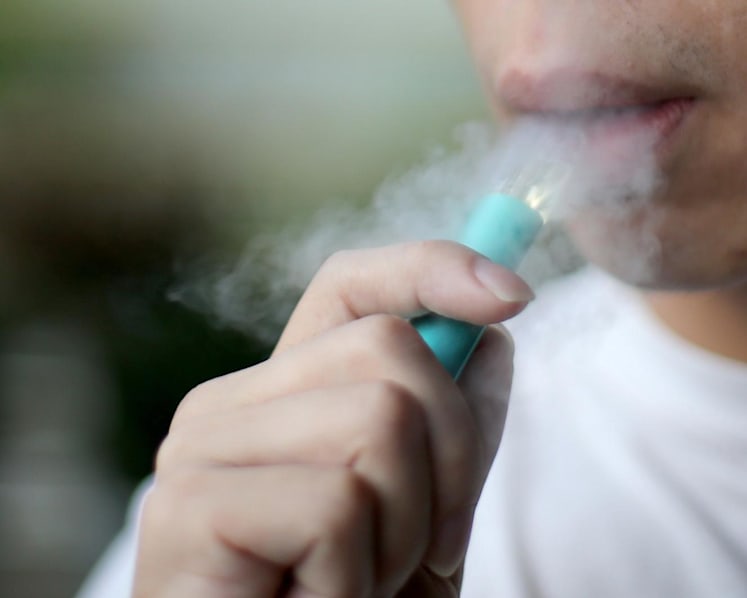
Four months after etomidate was listed as a Class C drug in Singapore, some addiction management centres say former users are switching to other vices.
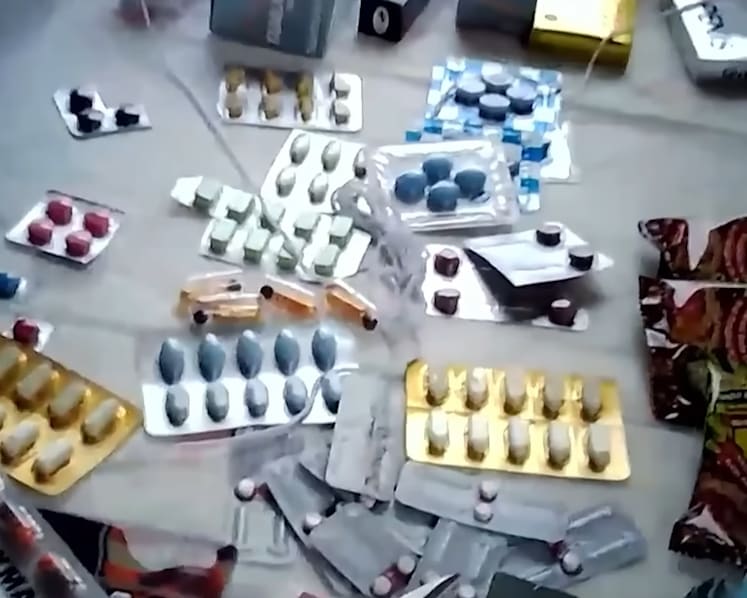
An assortment of pills on sale in Geylang, including a medication used to treat erectile dysfunction.

This audio is generated by an AI tool.




SINGAPORE: Wade (not his real name) was just 17 when he was introduced to Kpods, or e-vaporiser pods containing the anaesthetic agent etomidate.
At the time, he was nearly S$20,000 (US$15,600) in gambling debt and looking for an escape.
What began as experimentation soon spiralled into addiction – one that would strain his family relationships, get him kicked out of his home, and eventually land him in an addiction management centre.
He told CNA that his lowest point was when he was abusing close to five or six Kpods a day at the start of last year.
“I was feeding two addictions – I was gambling to get drugs, and I also gambled on the side. My life was in complete shambles and I still didn’t feel anything wrong about it,” he added.
Wade is one of a growing number of former Kpod users who quit when harsher penalties for vaping offences in Singapore came into force last September.
But many of them have not stopped abusing substances altogether, say addiction specialists.
Instead, they have switched to prescription drugs such as benzodiazepines – commonly known as Xanax, Valium or Ativan – and, in some cases, harder illicit substances.
According to one addiction management centre, six in 10 of its former Kpod abusers have done so.





MORE BEING TREATED
Wade said his drug use intensified following the death of his mother last year. Even though he had tried to stay clean for her, he relapsed after being offered a Kpod after her funeral.
As his addiction worsened, his family kicked him out, leaving him homeless. Things came to a head when he was caught using Kpods while in National Service.
The teenager was referred to an addiction treatment centre – something he said saved him.
"No matter what situation you're in, your addiction is not like (it) cannot be saved. It can be saved. You also realise you're not alone in this,” he added.
Addiction centres told CNA that Wade’s story is far from unique.
Several centres have reported an increase in people entering treatment for addictions to substances other than etomidate.
These include Class A drugs such as heroin, as well as prescription medication like benzodiazepines which are typically used for anxiety and insomnia.
Benzodiazepines – a class of depressant drugs that can be highly addictive – are supposed to be prescribed for either intermittent use or short-term relief between two and four weeks.
WE CARE Community Services said that from the second to third quarter of 2025, it saw a 7 per cent increase in people entering treatment for addictions to other drugs aside from etomidate.
The number of such individuals seeking treatment also rose sharply by about 43 per cent in the third quarter of 2025, compared with the same period in 2024.
From August to now, the addiction treatment centre has also received 56 etomidate-related enquiries, mostly from worried parents.
Promises Healthcare, meanwhile, observed a marked reduction in etomidate cases following the ban.
“More than 80 per cent of the people that were using etomidate have stopped, partly because of the change in legislation, and I will say about 60 per cent of those have switched into other substances,” said Mr Tom Maniatis, a senior addictions therapist at Promises Healthcare.
He added that many users perceive prescription drugs as carrying less severe legal consequences compared to those regulated under the Misuse of Drugs Act.
How Kpod peddling has changed
Etomidate was listed as a Class C drug under the Misuse of Drugs Act on Sep 1, 2025, leading to an escalation of enforcement against sellers and users.
Four months on, Wade said drug distribution networks have been forced deeper underground.
Previously, runners would deliver Kpods directly to customers in what is known as “doorstep” deliveries.
Now, Kpod sellers are forced to use closed Telegram groups which pop right back up after being taken down.
They have also begun selling their vapes through “dead drops” – the same method used by those selling harder drugs like methamphetamine and heroin.
In a dead drop, drugs are hidden in discreet locations, such as dry risers or concealed corners of housing estates, with sellers sending buyers photos of where to retrieve them. This makes it harder for authorities to detect.
Usually, only the runners are caught even if arrests are made, Wade said.
“Most of them is, one guy runs a Telegram channel, then they will send maybe 10 runners. These people are aware of the risk already,” he added.
“The mastermind never shows up … that's why it's hard to crack down on the actual person that also sells it.”
GEYLANG A HOTBED
Former drug addicts pointed CNA to Geylang as a place where prescription-only medication can be obtained illegally.
During visits to the area, CNA observed suspected street vendors openly selling pills and liquids in broad daylight. Some sellers claimed the products were sexual enhancement drugs, while others hinted at substances that could induce a mild high.
CNA did not purchase any items.
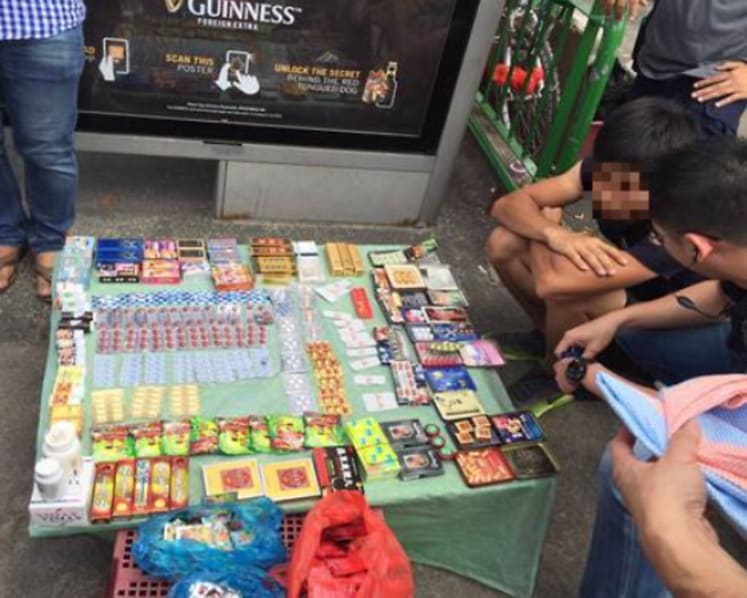
Former users also identified a specific coffee shop in the area where drugs are peddled. There is no indication its owners are involved.
CNA observed individuals approaching a man seated at a table, who would then leave briefly before returning.
One source said sellers of prescription drugs in the Geylang area are easily spooked and will not sell to just anyone, making the trade difficult to document.
Recent enforcement actions suggest the supply exists.
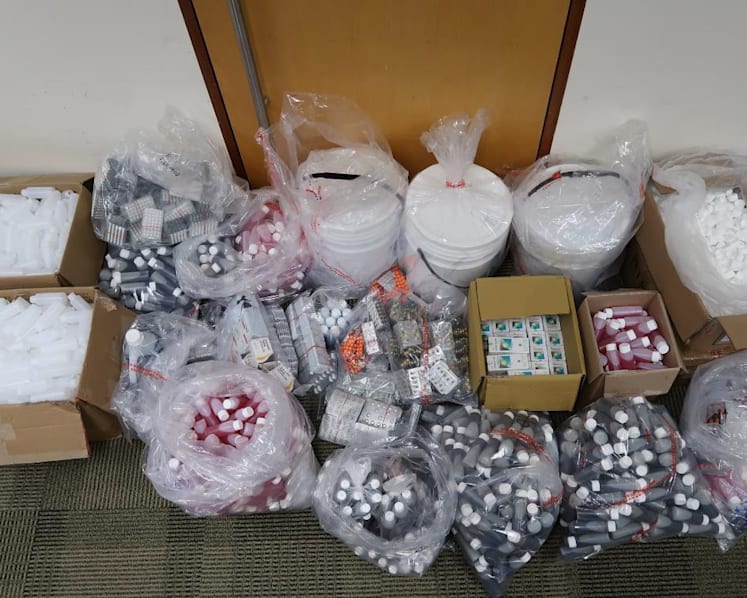
In mid-December, authorities seized more than 31 litres of illegal cough syrup and over 5,200 units of addictive prescription medicine during a raid at a Joo Chiat residential unit. Similar crackdowns were carried out in Yishun and at Changi Airport in November.
DOCTORS CAN BE COMPLICIT
Beyond illegal street sales, doctors say prescription drug abuse can also occur through medical channels.
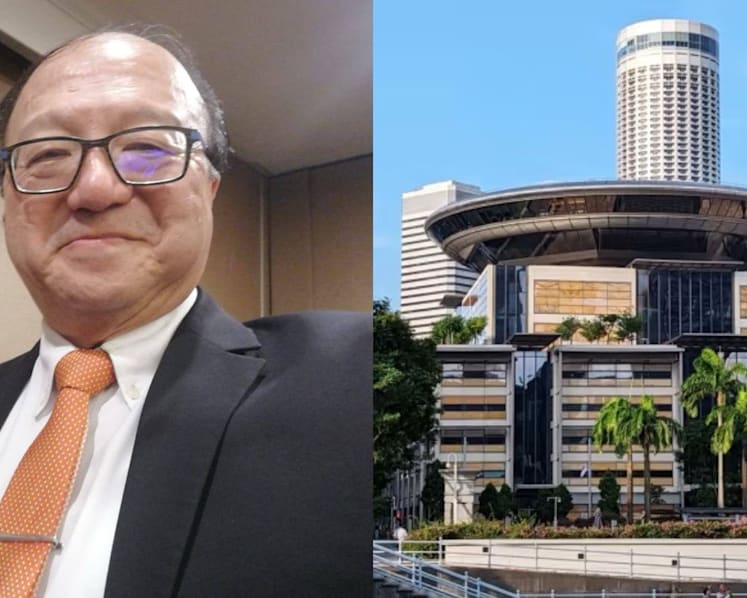
Dr Chan Wui Ling, a senior consultant at Khoo Teck Puat Hospital, said some patients repeatedly request specific drugs, visit multiple doctors for similar prescriptions, or claim to have lost their medication.
Others allege allergies to common painkillers and ask for stronger alternatives.
“Prescription medicine is prescribed by doctors, so it’s not illegal,” she noted.
“It may be a bit cheaper than illicit drugs, and for prescription medicine for now, not all of it can be detected on a routine drug screen, whereas illicit drugs can.”
She added that prescription drug abuse carries less stigma, which may make it more appealing to users trying to avoid being labelled as drug abusers.
According to the latest statistics from the Singapore Medical Council (SMC), the number of cases of excessive or inappropriate prescription of drugs has risen over the past few years.
SMC recorded an average of six cases every year from 2017 to 2021. This spiked to 15 cases in 2022, before falling to six in 2023 and three in 2024.
As of 2024, 19 cases were still under review.

Given that the latest data on prescription medicine abuse dates back more than a decade, Dr Chan said an anonymous national study would be useful in further understanding the issue.
She had co-authored an October 2022 paper in the Singapore Medical Journal, where a survey of 1,000 individuals aged 21 and above in Singapore found that misuse of prescription medicine was common, “with prevalence comparable to the use of recreational drugs or novel psychoactive substances”.
The survey, conducted in 2015, also found that a “common source” of misused drugs was physicians.
On the government enforcement side, the Health Sciences Authority (HSA) said that prescription medicines should only be supplied with valid prescriptions, and that illegally obtained products pose serious health risks.
Under the Health Products Act, anyone who illegally sells and supplies prescription medicines can be fined up to S$50,000, or jailed for up to two years, or both.
Apart from physical raids, HSA said it has been targeting online collaborations by removing illegal listings.




