Middle East war disrupting food aid deliveries at ‘worst possible time’, warn humanitarian groups
The amount of aid affected so far is roughly enough to feed more than 800,000 people for three months, said the United Nations.

This audio is generated by an AI tool.


The war on Iran is disrupting food aid deliveries around the world, threatening vulnerable communities already facing hunger and food insecurity, warned the United Nations’ World Food Programme (WFP) on Tuesday (Mar 31).
The current supply chain disruptions are the most significant since COVID-19 and the start of the war in Ukraine, said the agency’s supply chain chief Corinne Fleischer.
About 70,000 metric tonnes of aid have been affected, with some supplies stranded in ports, she noted. This is estimated to be enough to feed more than 800,000 people for three months.
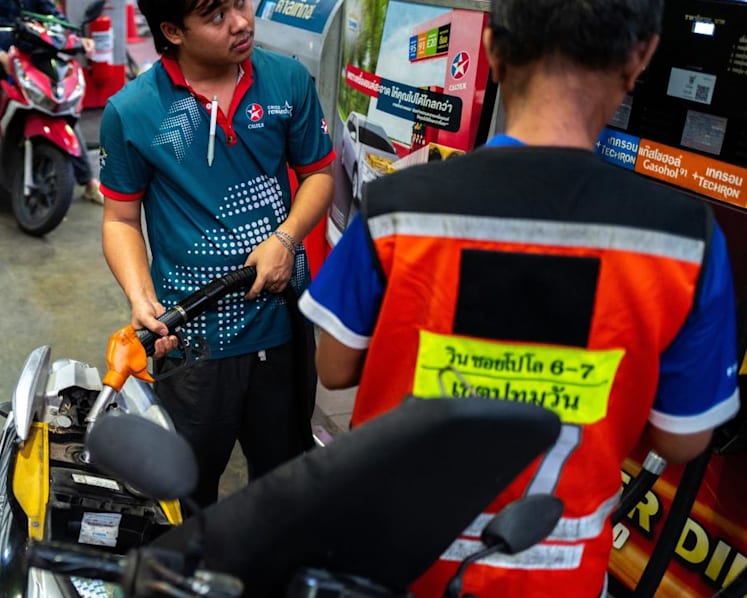
While WFP does not ship food through the Strait of Hormuz, the conflict is driving up fuel costs, disrupting global shipping routes and forcing vessels to reroute or remain idle.
Alexander Matheou, Asia Pacific director at the International Federation of Red Cross and Red Crescent Societies (IFRC), said rising costs and longer delivery times are worsening the humanitarian situation.
“The cost of shipping has gone up between 70 and 300 per cent because of rerouting, congestion insurance costs. The cost of land routes is also up around 50 per cent, sometimes 70 per cent, because they have to cross more borders,” he told CNA’s Asia Now on Wednesday.
Air freight has also become more expensive, rising between 50 and 70 per cent due to increased demand and fuel prices, he added.
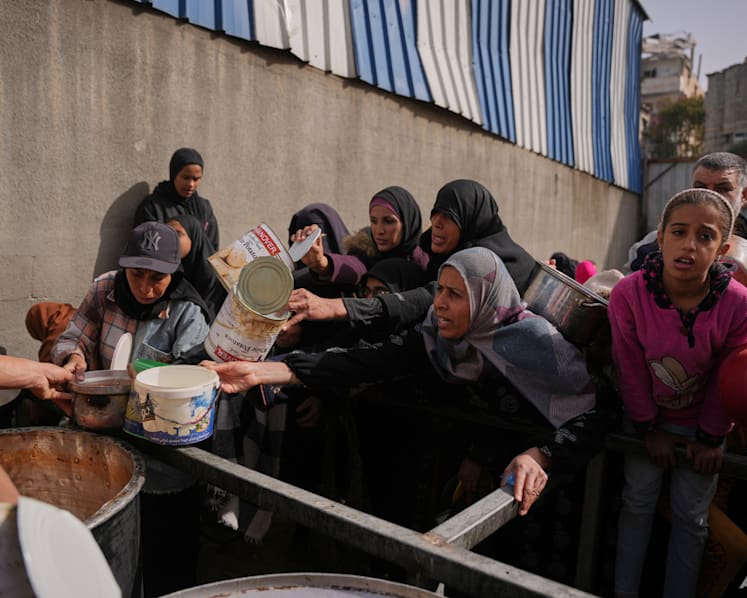
Countries such as Yemen, Syria, Lebanon and Palestinian territories rely heavily on food aid to support populations affected by conflict and economic instability.
The disruption is also affecting shipments to Afghanistan, where 17 million people are food insecure.
Until recently, aid deliveries passed through Iran, but they must now be rerouted overland through multiple countries, adding weeks of delays and significantly higher costs.
FUNDING ALREADY UNDER STRAIN
These pressures come as humanitarian funding is already under strain.
Last year, funding at WFP – traditionally the UN’s most funded agency – fell by 40 per cent, cutting its budget to US$6.4 billion. United States President Donald Trump’s administration has made a slew of foreign aid cuts, while other major nations have also pulled back.
“(This) is happening at about the worst possible time … There is less money than there has been for decades,” said Matheou, who has worked in the humanitarian sector for over 20 years.
“More of that money, which needs to go into vulnerable people's hands, is actually being spent on supply chain costs instead.”
The disruption extends beyond the Strait of Hormuz, he added, with ripple effects across global supply chains.
“It is a global crisis. The Strait of Hormuz is obviously the focal point, but the insurance costs, the delays, the search for alternative logistics hubs and routes, the cost of fuel, the cost of insurance - all of that has a global effect.”
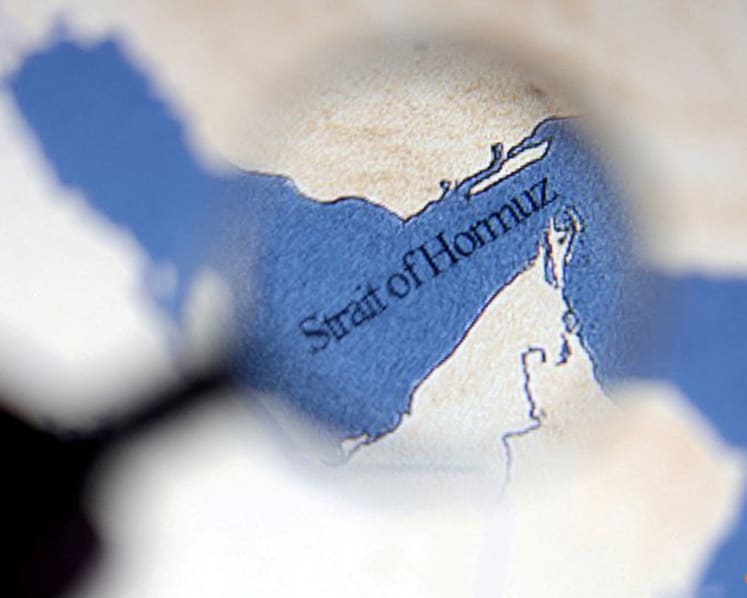
Even shipments that do not pass through the waterway are feeling the impact, as congestion builds along alternative routes and global freight systems adjust to the disruption, noted Matheou.
This has led to a cascading effect, where delays in one part of the network trigger bottlenecks elsewhere, further slowing the movement of aid.
Aid agencies warn that any prolonged disruption in supplies could have immediate consequences for communities that depend heavily on external assistance.
Matheou said the situation in Afghanistan is particularly severe. Supply routes through Iran and Pakistan have been compromised, while alternatives through Central Asia are significantly more expensive and logistically complex.
“The impact on what is one of the most vulnerable countries in the world and one of the most food insecure countries in the world is significant,” he added.
The country is already grappling with deep economic challenges, the return of millions of people across its borders, and chronic food insecurity.
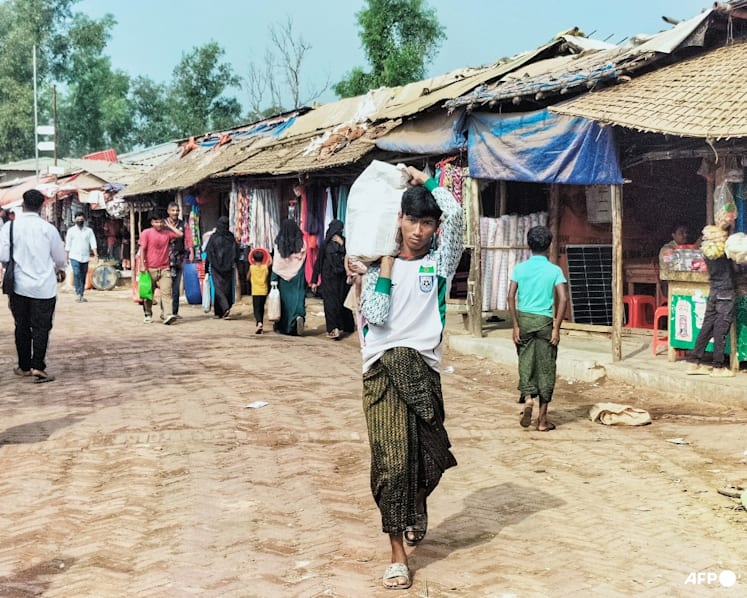
Aside from Afghanistan, Matheou highlighted Myanmar and Cox’s Bazar in Bangladesh as areas of concern.
In Cox’s Bazar, home to the world’s largest refugee camp, residents are almost entirely dependent on aid.
“If that aid is cut or even reduced, it can have a significant impact on malnutrition and hunger,” he said.
ASIA PACIFIC FEELING KNOCK-ON EFFECTS
Due to the funding crisis in the humanitarian sector, appeals that were once adequately funded are now falling short, leaving aid agencies forced to prioritise the most urgent cases and reduce support elsewhere, Matheou pointed out.
The knock-on effects are also being felt across the Asia Pacific region, where rising fuel and food prices - coupled with reduced remittances - are increasing vulnerability.
Many households that were previously just managing are now at risk of slipping into poverty or food insecurity, Matheou warned.
If disruptions persist, IFRC is preparing to adapt operations to cope with a more constrained and uncertain environment, he added.
“We all are working on business continuity plans now to try and ensure that we can operate in a fuel-saving way, decentralising services as close as possible to the people who need them, some reduction of fuel usage whenever we can,” Matheou said.
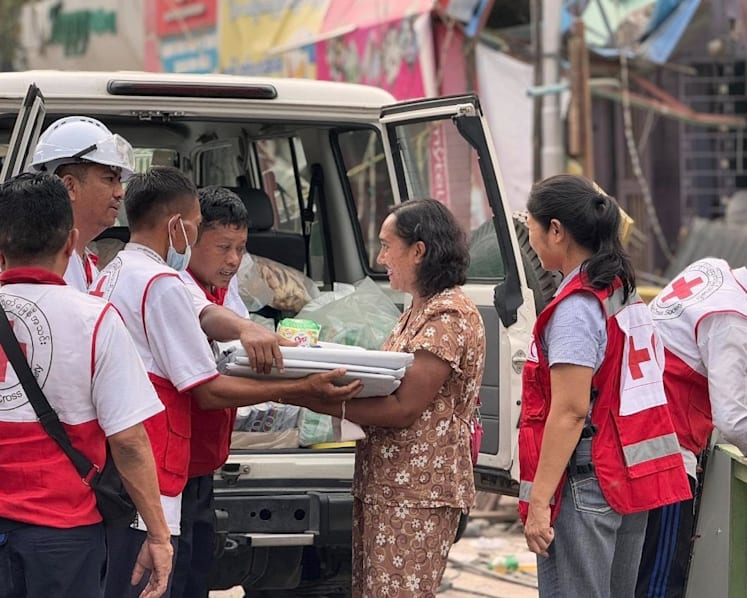
Aid groups are also seeking to strengthen partnerships with governments, donors and the private sector in an effort to mobilise additional resources.
“We'll also be meeting philanthropists, donors, and the private sector to try to become ready to give extra cash support, if we can. That's not going to be easy in the current funding environment, but we will try,” he acknowledged.
“We will try to get ready for the disasters, the climate-related disasters that will inevitably happen anyway, by trying to pre-position as early as possible so we're not stuck because of supply chain delays.”
Humanitarian groups warn that prolonged disruption could push already fragile communities into crisis, particularly those living on the edge of subsistence.
“I'm afraid we can expect to see pockets of hunger and malnutrition across the region, because those families who were already vulnerable and just about coping will suffer most from the increase in food prices and fuel prices,” Matheou said.
These include tuk-tuk drivers who were likely “saving very little” to begin with.
“The cost of buying fuel (for them) is so high, it'll be a loss-making business. They probably were … just about scraping enough to survive each day. People like that could be extremely vulnerable,” Matheou added.