Inside the plan to kill Ali Khamenei
Israel spent years hacking Tehran’s traffic cameras and monitoring bodyguards ahead of the assassination of Iran’s supreme leader.
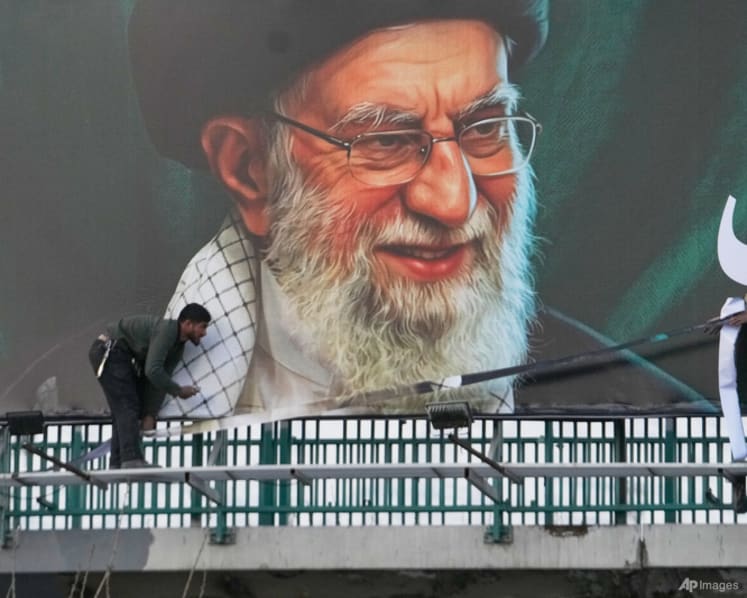
Workers install a billboard on an overpass containing a portrait of the late Iranian Supreme Leader Ayatollah Ali Khamenei, who was killed during ongoing joint United States-Israeli military attacks, in Tehran on Mar 2, 2026. (Photo: AP/Vahid Salemi)
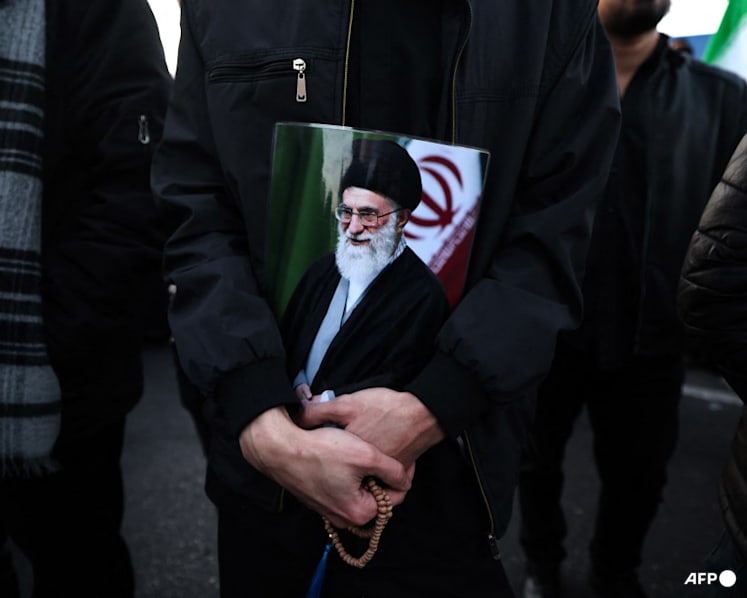
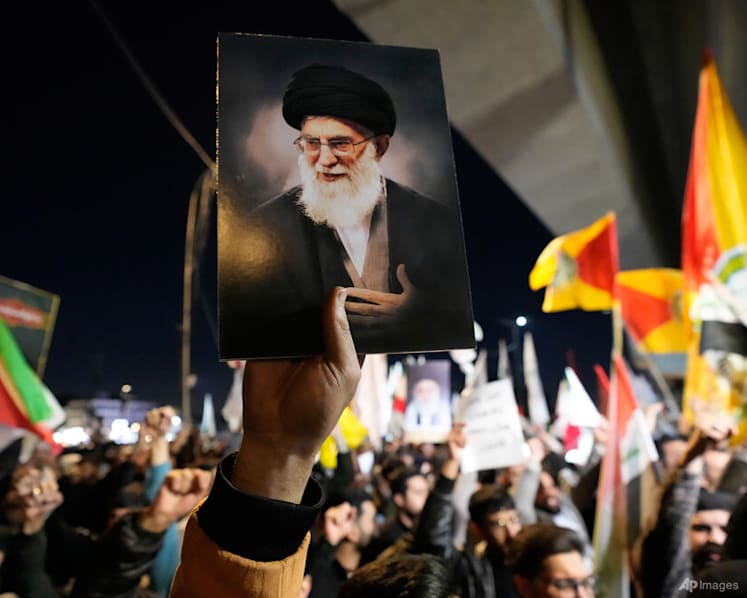
When the highly trained, loyal bodyguards and drivers of senior Iranian officials came to work near Pasteur Street in Tehran – where Ayatollah Ali Khamenei was killed in an Israeli airstrike on Saturday (Feb 28) – the Israelis were watching.
Nearly all the traffic cameras in Tehran had been hacked for years, their images encrypted and transmitted to servers in Tel Aviv and southern Israel, according to two people familiar with the matter.
One camera had an angle that proved particularly useful, said one of the people, allowing them to determine where the men liked to park their personal cars and providing a window into the workings of a mundane part of the closely guarded compound.
Complex algorithms added details to dossiers on members of these security guards that included their addresses, hours of duty, routes they took to work and, most importantly, who they were usually assigned to protect and transport – building what intelligence officers call a “pattern of life”.
The capabilities were part of a years-long intelligence campaign that helped pave the way for the ayatollah’s assassination. This source of real-time data – one of hundreds of different streams of intelligence – was not the only way Israel and the United States Central Intelligence Agency (CIA) were able to determine exactly what time 86-year-old Khamenei would be in his offices this fateful Saturday morning and who would be joining him.
Nor was the fact that Israel was also able to disrupt single components of roughly a dozen or so mobile phone towers near Pasteur Street, making the phones seem as if they were busy when called and stopping Khamenei’s protection detail from receiving possible warnings.
Long before the bombs fell, “we knew Tehran like we know Jerusalem”, said one current Israeli intelligence official. “And when you know (a place) as well as you know the street you grew up on, you notice a single thing that’s out of place.”
The dense, intelligence picture of the arch-enemy’s capital was the result of laborious data collection, made possible by Israel’s sophisticated signals intelligence Unit 8200, the human assets recruited by its foreign intelligence agency Mossad and the mountains of data digested by military intelligence into daily briefs.
Israel used a mathematical method known as social network analysis to parse billions of data points to unearth unlikely centres of decision-making gravity and identify fresh targets to surveil and kill, said a person familiar with its use. All this fed an assembly line with a single product: targets.
“In Israeli intelligence culture, targeting intelligence is the most essential tactical issue – it is designed to enable a strategy,” said Itai Shapira, a brigadier general in the Israeli military reserves and 25-year veteran of its intelligence directorate. “If the decision maker decides that someone has to be assassinated, in Israel the culture is: ‘We will provide the targeting intelligence.’”
Israel has assassinated hundreds of people overseas, including militant leaders, nuclear scientists, chemical engineers – and many innocent bystanders. But even with the killing of as prominent a political and religious leader as Khamenei, how much this aggressive, decades-long use of its technological and technical prowess has paved the way for major strategic gains is fiercely debated both within and outside Israel.
The country’s intelligence superiority was on full display in the 12-day war last June, when more than a dozen Iranian nuclear scientists and high-ranking military officials were assassinated within minutes in an opening salvo.
That had been accompanied by an unprecedented disabling of Iran’s aerial defences through a combination of cyberattacks, low-range drones and precise munitions fired from outside Iran’s borders, destroying the radars of the Russian-built missile launchers.
“We took their eyes first,” said one intelligence official. Both in the June war and now, Israeli pilots have used a specific kind of missile called the Sparrow, variants of which are able to hit a target as small as a dining table from more than 1,000km away – far from Iran and the reach of any of its aerial defence systems.
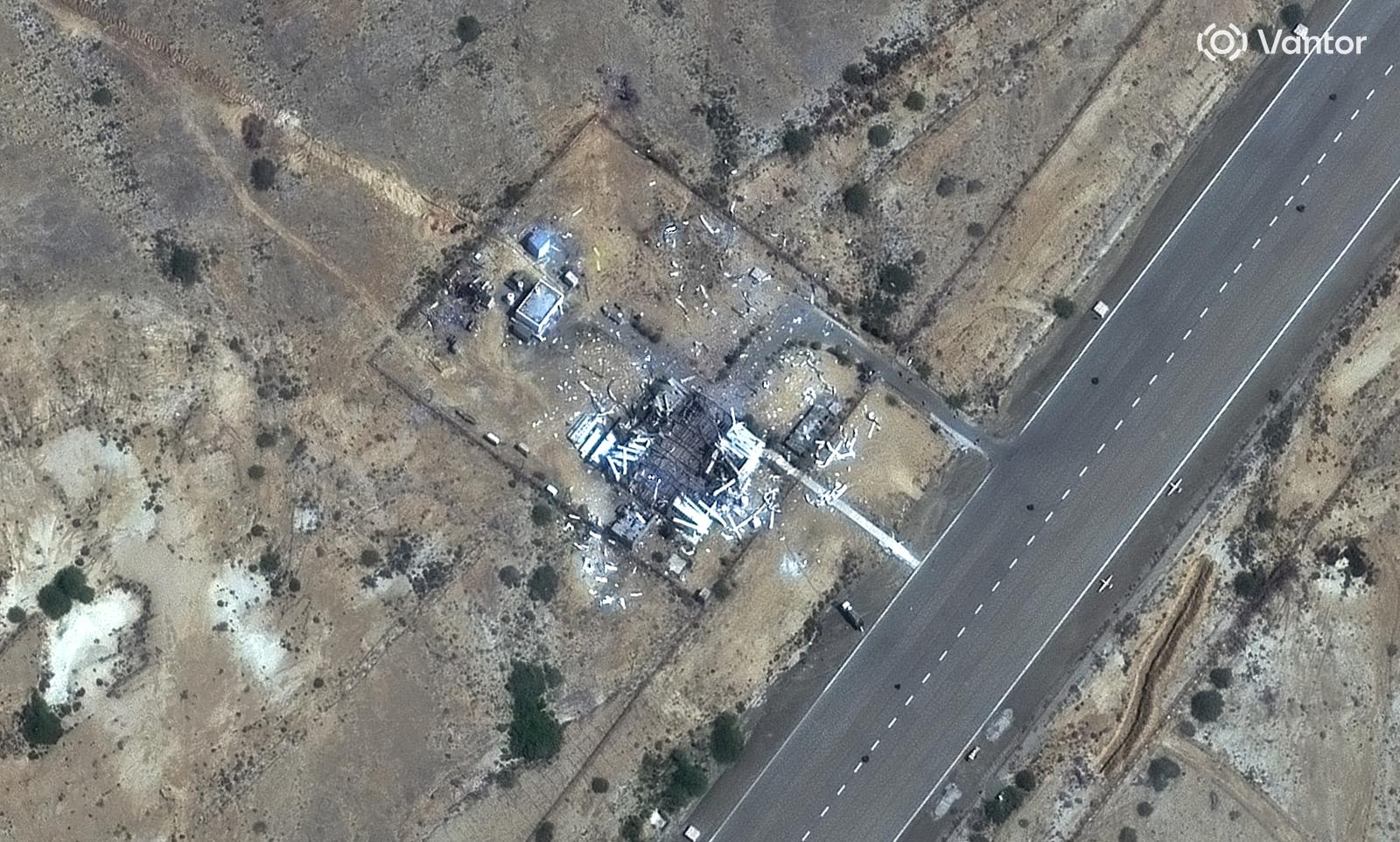
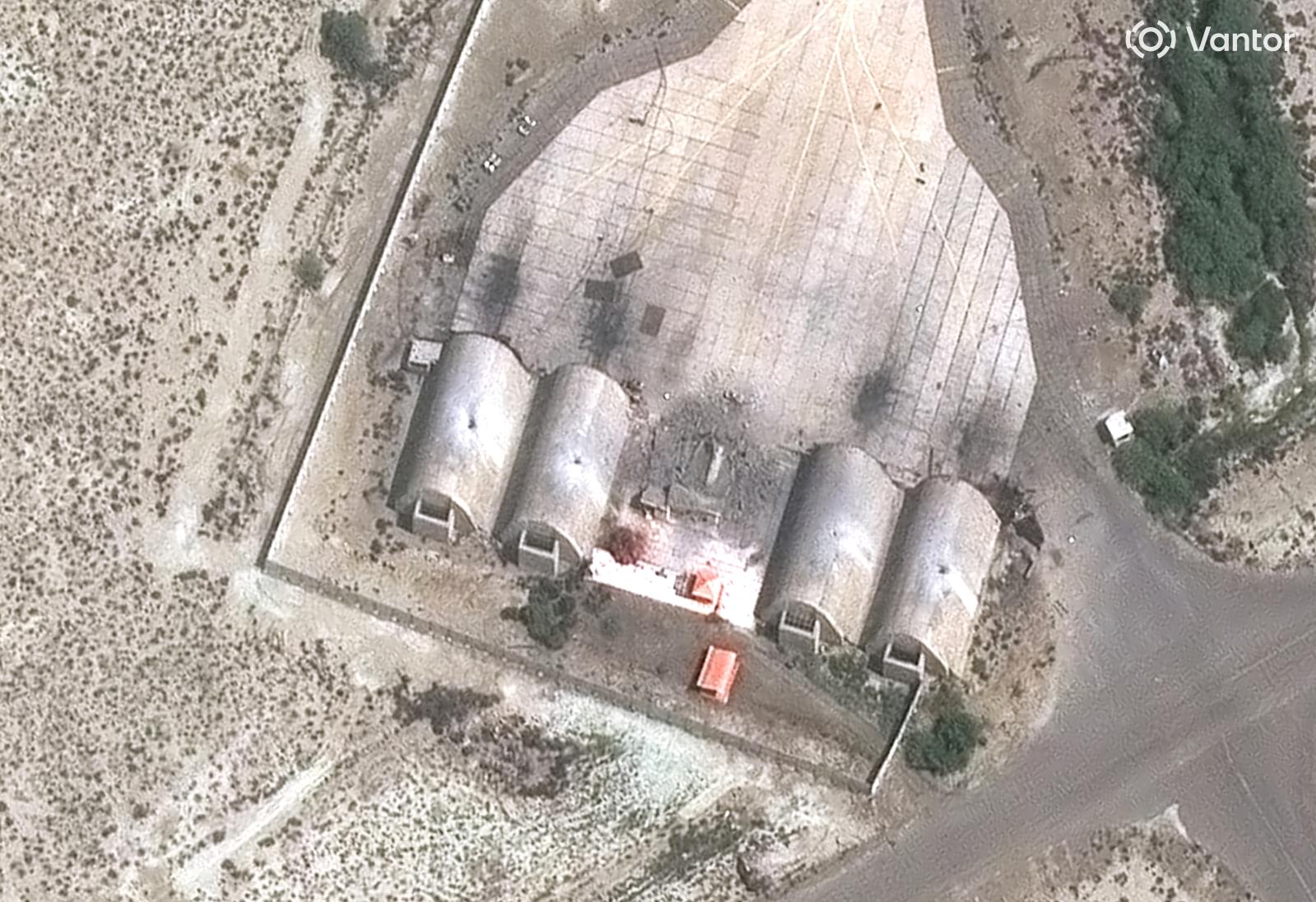
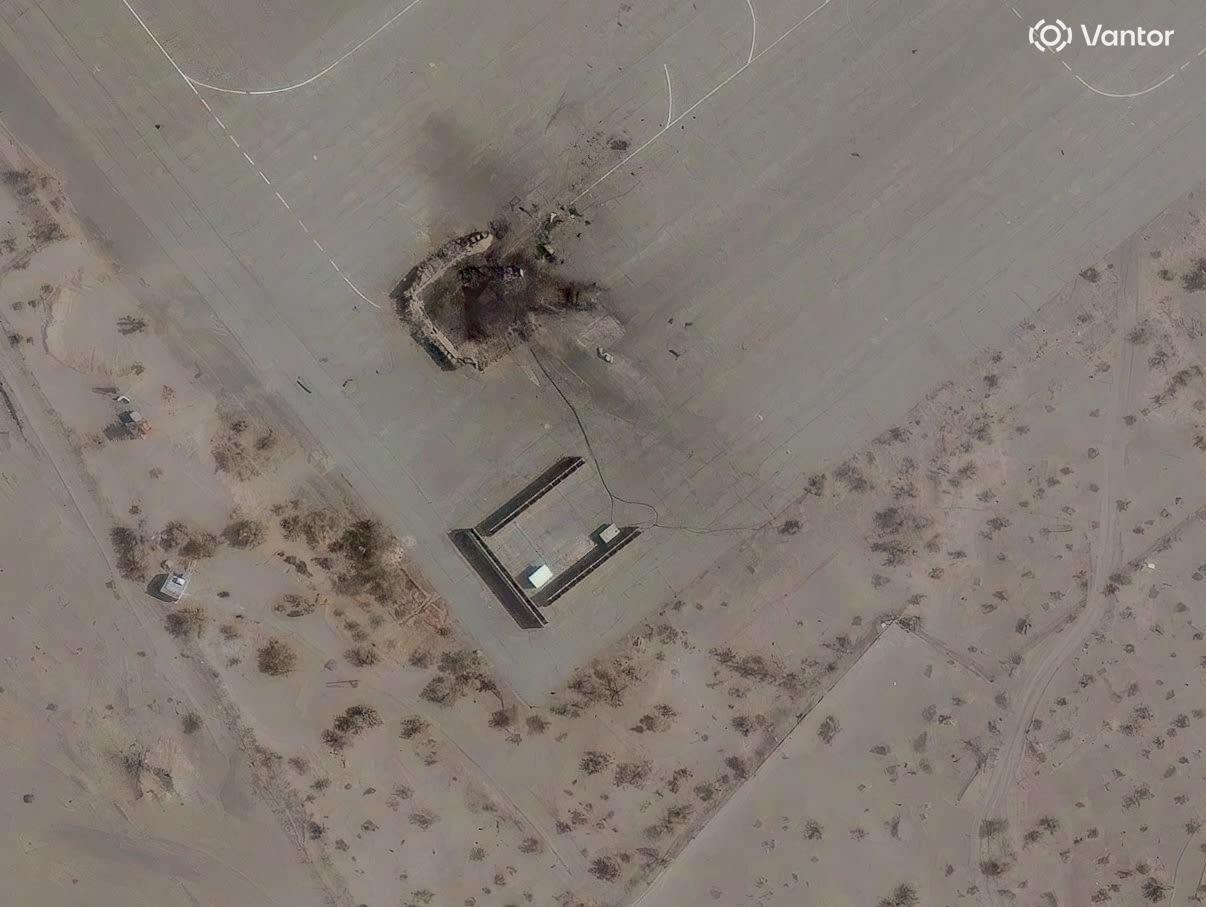
Not all of the details of the latest operation are known. Some may never be made public, in order to protect sources and methods still being used to track down other targets.
But killing Khamenei was a political decision, not simply a technological achievement, said more than half a dozen current and former Israeli intelligence officials interviewed for this story.
When the CIA and Israel determined that Khamenei would be holding a meeting on Saturday morning at his offices near Pasteur Street, the chance to kill him alongside so much of Iran’s senior leadership was especially opportune.
They assessed that hunting them down after a war had properly begun would have been much harder, since the Iranians would quickly embark on evasive practices, including heading underground to bunkers immune to Israeli bombs.
Khamenei, unlike his ally Hezbollah leader Hassan Nasrallah, did not live in hiding. Nasrallah had spent years of his life in underground bunkers, dodging several Israeli assassination attempts until September 2024, when Israeli fighter jets dropped as many as 80 bombs over his hideout in Beirut, killing him.
Instead, Khamenei had mused in public about the possibility of being killed, dismissing his own life as inconsequential to the fate of the Islamic Republic – in fact, some Iran experts said he expected to be martyred.
But during wartime, said one of the people interviewed, he did take some precautions. “It was unusual for him to not be in his bunker – he had two bunkers – and if he had been, Israel wouldn’t have been able to reach him with the bombs that they have,” the person said.
Even in June 2025, in the throes of a full-blown war, Israel made no known attempts to bomb Khamenei. It had instead targeted mostly the leadership of the Islamic Revolutionary Guards Corps, missile launchers and stockpiles and Iran’s nuclear facilities and scientists.
While Donald Trump had repeatedly threatened to attack Iran in recent weeks, building up an “armada” off its shores, negotiations between the US and Iran over the Islamic Republic’s nuclear programme were meant to continue this week.
The mediator Oman said Iran was willing to make concessions that might help stave off a war and described the most recent meeting last Thursday as fruitful.
In public, the US president grumbled that things were moving too slowly. But a person familiar with the matter said that, in private, Trump was “dissatisfied with the Iranian responses”, paving the way for war.
A person briefed on the situation said the attack on Iran had been planned for months, but officials adjusted their operation after the US and Israeli intelligence confirmed that Khamenei and his senior officials would be meeting in his compound in Tehran on Saturday morning.
Related:
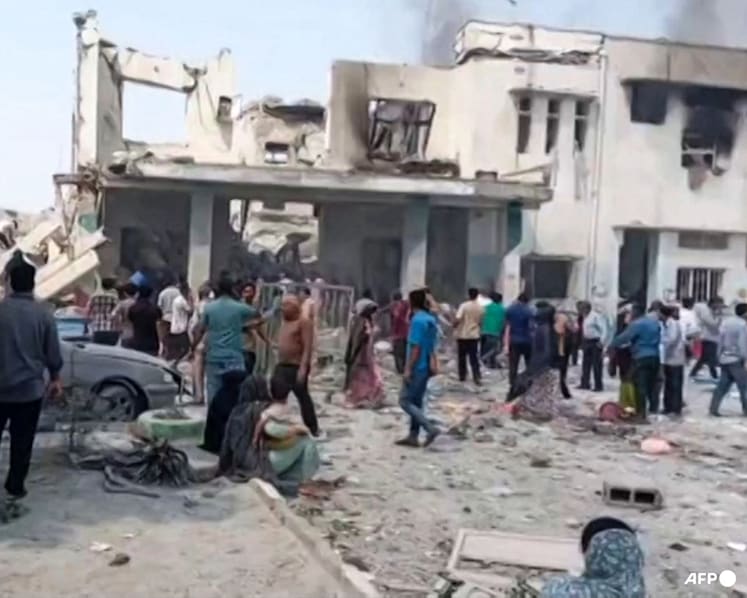
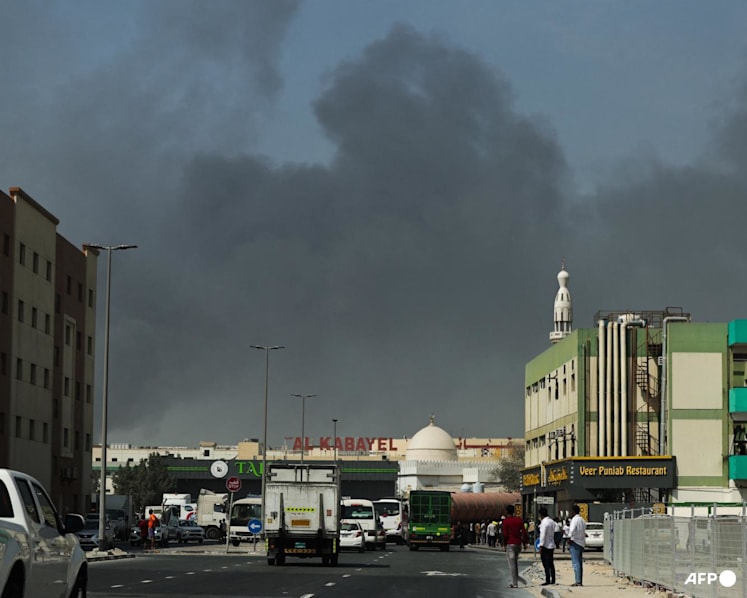
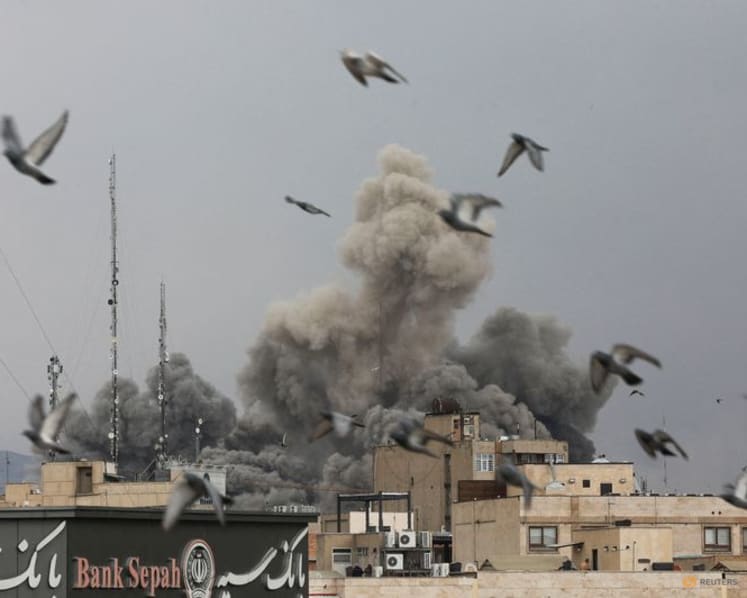
Tracking individual targets used to be laborious work, requiring visual confirmations and parsing false confirmations, but Israel’s vast algorithm-driven data collection had automated that task in recent years.
But for a target as high-value as Khamenei, failure was not an option. Israeli military doctrine requires that two separate senior officers, working independently from each other, confirm with high certainty that a target is in the location that is to be attacked and who he is accompanied by.
In this instance, according to two people familiar with the matter, Israeli intelligence had information from signals intelligence, such as the hacked traffic cameras and deeply penetrated mobile phone networks. One of the people said it showed that the meeting with Khamenei was on schedule, with senior officials heading to the location.
But the Americans had something even more concrete – a human source, both people familiar with the situation said. The CIA declined to comment.
At 3.38pm Eastern Time on Friday, Trump, travelling on Air Force One to Texas, gave the order to proceed with Operation Epic Fury – the US-led strikes on Iran.
The US military cleared the path for Israeli fighter jets to bomb Khamenei’s compound by launching cyberattacks “disrupting, degrading and blinding Iran’s ability to see, communicate and respond”, according to General Dan Caine, chair of the US Joint Chiefs of Staff.
Caine said the strike on the compound took place in daylight based on a “trigger event” the Israel Defense Forces were able to carry out with help from US intelligence.
The Israeli jets, which had been flying for hours in order to arrive on time at the right location, fired off as many as 30 precision munitions on Khamenei’s complex, a former senior Israeli intelligence official said.
The Iranians were meeting for breakfast when they were killed, Trump told Fox News.
The Israeli military said that striking in daylight provided an advantage. “The decision to strike in the morning rather than at night allowed Israel to achieve tactical surprise for the second time, despite heavy Iranian preparedness,” it added.
Related:
The tactical success was the culmination of two separate events, more than 20 years apart, Sima Shine, a former official at Mossad who had a focus on Iran, said.
The first was a directive given in 2001 from former Prime Minister Ariel Sharon to Meir Dagan, the then head of Mossad – preoccupied with Syria, Palestinian militants, Hezbollah in Lebanon and others – to make Iran a priority.
“‘All the things the Mossad is doing is well and fine,’” Sharon told Dagan, according to Shine. “‘What I need is Iran. That’s your target’.”
“And since then, that is the target,” she said. Israel had sabotaged Iran’s nuclear programme, killed its scientists, fought back its proxies and even destroyed the military infrastructure of its crucial ally Syria in the days after dictator Bashar al-Assad was ousted.
But Iranian intelligence agencies were formidable adversaries.
In 2022, a group tied to Iranian security services released data purportedly siphoned from a phone belonging to the Mossad chief’s wife. Iran also hacked closed-circuit television cameras in Jerusalem during the 2025 war to get real-time damage assessments that the Israelis had censored from broadcast; it bought photographs of missile defences; and even mapped the jogging route of a major politician by bribing Israeli citizens, according to Israeli prosecutors.
The second event, Shine added, was the Oct 7, 2023, cross-border attack from Hamas, which Israel claims was backed by Iran and changed a long-standing calculus in Israel: that despite having penetrated the circles of several enemy heads of state, from Egypt’s Gamal Abdel Nasser to Syria’s Hafez al-Assad, their killings were off-limits even at times of war.
Killing foreign leaders is not just taboo but operationally fraught. Failure only adds to their stature, as it did following the CIA’s many botched attempts to kill Cuba’s Fidel Castro, while success can set into motion unpredictable chaos.
But, said Shine, Israel’s string of intelligence coups – including the 2024 assassination of Hamas leader Ismail Haniyeh in Tehran, and a US$300 million multi-year clandestine project to booby trap thousands of Hezbollah pagers and radios – has its own seductive powers.
“In Hebrew, we say: ‘With the food comes the appetite,’” she said. “In other words, the more you have, the more you want.”