War on Iran: 5 questions confronting China as conflict widens
The escalating crisis tests China’s Gulf partnerships, oil security and ties with the United States, yet analysts say Beijing is more likely to recalibrate its language than its policy.

This audio is generated by an AI tool.


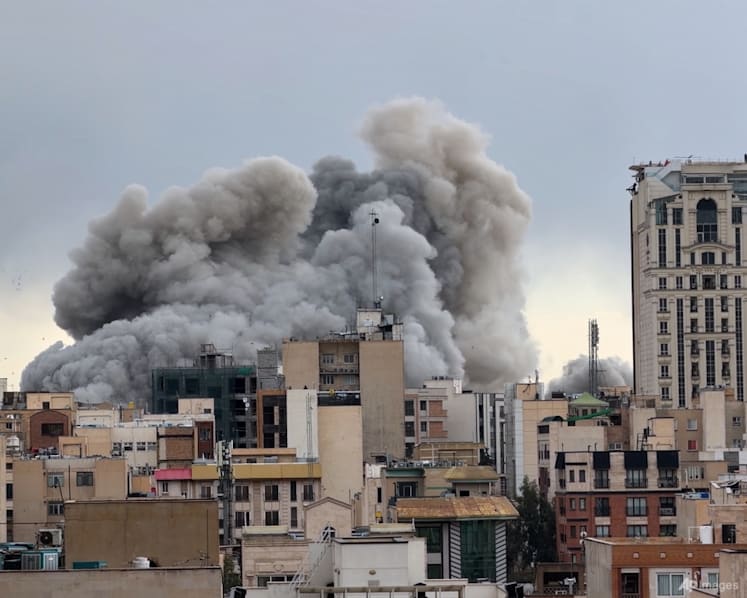
BEIJING: The United States and Israel’s sweeping strikes on Iran have upended the Middle East, unleashing retaliatory strikes by Tehran across multiple Gulf states and heightening fears of a broader regional conflagration.
China has been swift to condemn the Feb 28 operation, which eliminated Supreme Leader Ayatollah Ali Khamenei alongside dozens of other top Iranian officials, and has urged immediate de-escalation.
In the latest refrain, Chinese Foreign Minister Wang Yi on Monday (Mar 2) voiced support for Gulf states in safeguarding their sovereignty and national security while also backing Iran’s right to protect its legitimate interests.
For Beijing, the widening conflict brings into stark focus its balancing act between Tehran and Gulf monarchies, as well as how the escalation could complicate already delicate ties with Washington.





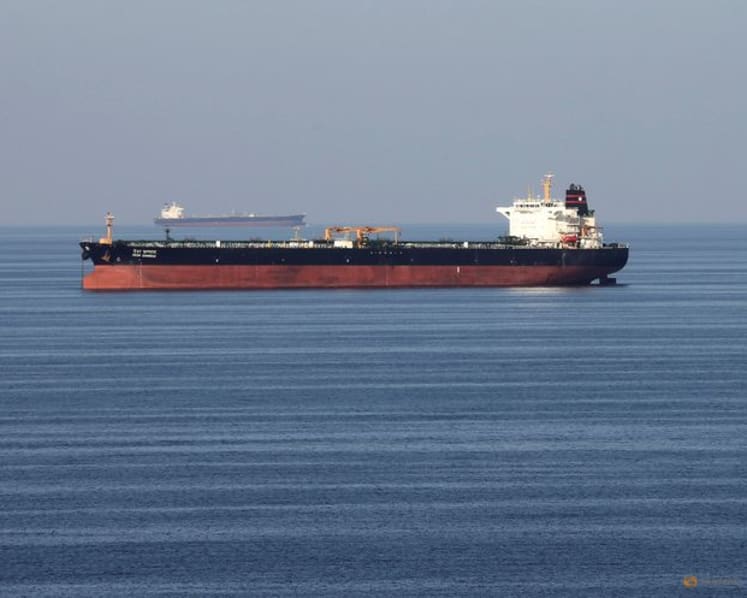
The crisis, which has effectively locked down the Strait of Hormuz - a crucial corridor for global oil and gas flows - is also testing the energy resilience of the world’s second-largest economy.
Here are five key questions confronting China as the conflict widens.
IS THIS PART OF A BROADER US STRATEGY ON CHINA?
There has been a line of analysis that suggests so.
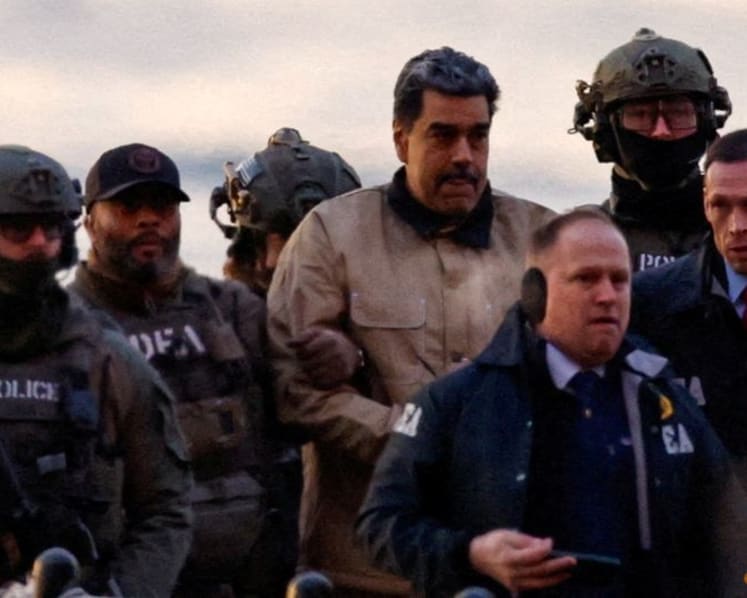
Two months before the latest strikes on Iran, the US carried out a military operation in Venezuela - capturing President Nicolas Maduro and his wife and transporting them to American soil to face narco-terrorism and drug trafficking charges.
A Feb 24 Lowy Institute report framed this move, together with US actions in Syria and Gaza, as evidence of a strategy aimed at weakening rivals China and Russia by targeting their “international partners” and depriving them of “any major means of external support”.
“The arrest of Maduro has … halted cut-price and ‘gifted’ oil being supplied to China, Russia and other authoritarian states,” wrote the report’s author Ross Babbage, a non-resident senior fellow at the Center for Strategic and Budgetary Assessments think tank.
“Iran is another weakened authoritarian state that is vulnerable to precision intervention by the United States and its allies,” Babbage further wrote in the report, which predated the joint US-Israel strikes on Tehran.
A pro-Western Iran would probably abandon ‘special deal’ oil exports to China, Russia and other authoritarian states, Babbage said.
“When combined with Venezuela’s redirected oil trade, about half of China’s oil imports would no longer be supplied by close partners and, in the event of a Taiwan crisis, deliveries from most of its suppliers may cease.”
A similar argument was advanced in a Mar 1 commentary published by the Hudson Institute.
Washington’s targeting of Iran should be viewed within the broader context of strategic competition with Beijing, suggested Zineb Riboua, a research fellow at the Washington DC-based think tank.
Iran forms part of China’s external “energy security architecture”, she argued, supplying discounted crude that helps insulate Beijing from Western leverage.
Disrupting those flows could raise China’s long-term economic and geopolitical costs - particularly in the event of a Taiwan contingency, Riboua said.
US President Donald Trump said on Monday that the attacks on Iran are aimed at destroying its military and nuclear programme, as well as Tehran’s support for armed groups across the region.
Trump did not mention toppling Iran’s government as an objective despite hinting at it days earlier.
Earlier on Monday, his defence chief said the operation was not intended to overthrow the government.
“This is not a so-called regime change war, but the regime sure did change and the world is better off for it,” US Defense Secretary Pete Hegseth said in a press conference.
Both Venezuela and Iran supplied the bulk of their oil exports to China, together accounting for roughly 15 per cent of China’s crude imports, according to data by Columbia University’s Center on Global Energy Policy.
Analysts CNA spoke to were sceptical about the coherence of such a grand strategy.
“I don’t think that the US is (targeting) China,” Wang Huiyao, founder and president of the Center for China and Globalization (CCG), told CNA, referring to Washington’s actions in Venezuela and now Iran.
He believes Washington is likely pursuing its own strategic interests as part of its drive towards “consolidating” the Western hemisphere.
Andrea Ghiselli, a lecturer in international politics at the University of Exeter, called the grand strategy reading “rationalisation in hindsight”.
“It does not seem to me there is any specific plan (by the US) to destroy and replace Beijing’s (partners),” he told CNA.
“These … are more the product of the desires of the policymakers involved to achieve their own personal short-term goals, such as continuing to distract the public from inconvenient things,” he said, citing the Epstein files and the US economy.
Ghiselli added that Israeli Prime Minister Benjamin Netanyahu, who is on trial for alleged corruption, also stands to benefit politically from a war footing.
Either way, China would not be happy with such “unilateral military interventions”, Ghiselli said, citing the damage to Chinese companies and the diplomatic capital Beijing has spent building relationships with the affected nations.
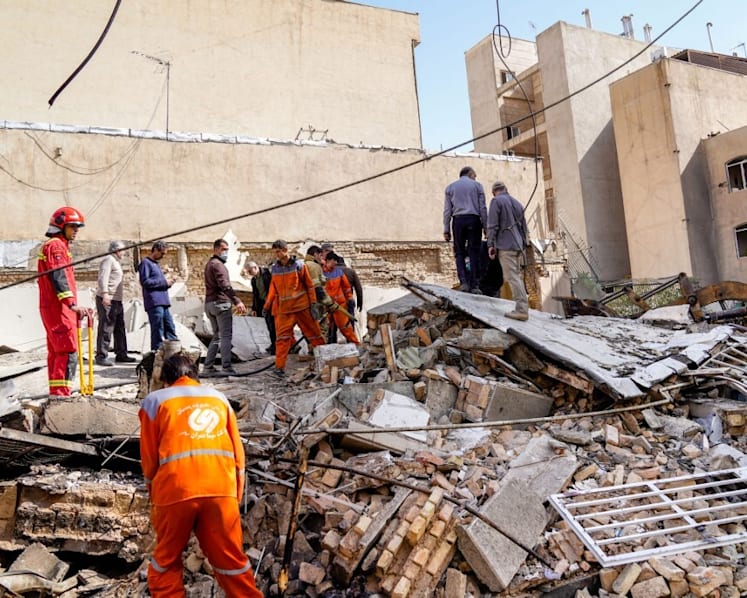
WILL THIS AFFECT SINO-US TIES AND THE TRUMP–XI SUMMIT?
Analysis said the crisis is unlikely to derail the upcoming Trump-Xi summit, with Beijing expected to compartmentalise - condemning the strikes publicly while keeping trade, Taiwan and bilateral ties at the top of the agenda.
Trump is set to visit China at the end of March, setting the stage for his first meeting with Chinese President Xi Jinping since October last year.
It is scheduled for Mar 31 to Apr 2, according to a White House official. Beijing has yet to formally confirm the trip, saying only that the two sides are “in communication”.
Ghiselli expects the visit to proceed despite the escalation in Iran.
“China wants more stable relations with the United States. So I don’t think this attack will have any serious repercussions on Sino-American relations,” he said, adding that a Trump-Xi meeting would mainly focus on “core issues” such as bilateral ties, trade issues and Taiwan.
While Iran might come up “behind closed doors”, it would only become prominent if there is a “complete implosion” of Iran, Ghiselli said.
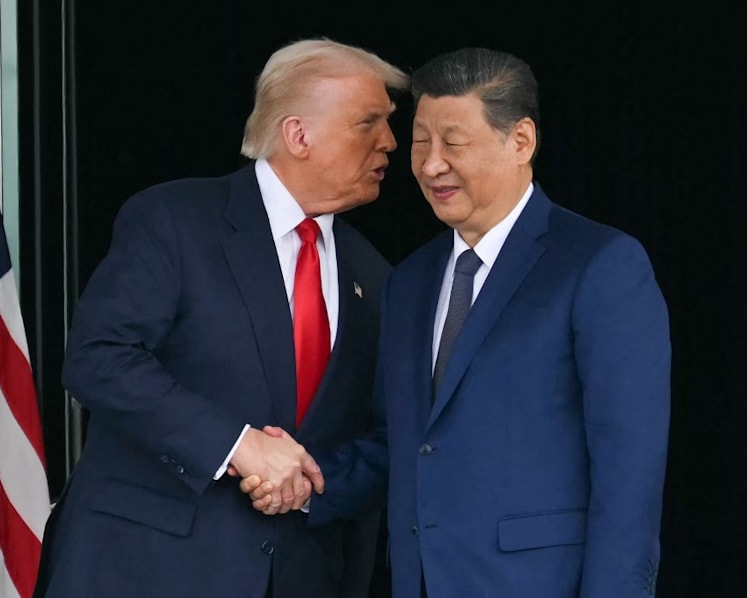
He pointed to precedent - referring to the 12-day war in 2025 between Israel and Iran that saw the US supporting the former - noting that the episode did not materially disrupt Sino-US engagement.
Jonathan Fulton, a senior non-resident fellow at the Atlantic Council’s Middle East Programs, expressed similar sentiments, describing the escalation in Iran as “probably not a top-tier issue” between the US and China.
“I don’t think China would really want to bring the Gulf into its negotiations with the US,” he told CNA.
“The bilateral relationship has so many issues to address … both sides probably would prefer to keep the issues that are directly impacting their bilateral relationship at the top of the agenda.”
WHAT’S THE IMPACT ON CHINA’S TIES WITH IRAN AND THE GULF?
Analysts said Beijing is likely to prioritise stability and continuity over ideology - engaging whoever governs in Tehran while preserving far larger economic ties with Gulf states.
China is Iran’s largest trading partner. In 2025, China bought more than 80 per cent of Iran’s shipped oil at a discount, accounting for about 13 per cent of China’s seaborne oil imports, data from analytics firm Kpler showed.
The two countries signed a 25-year strategic cooperation agreement in 2021, and Beijing backed Tehran’s membership in the BRICS+ and Shanghai Cooperation Organization international groupings.
Khamenei’s death in the Feb 28 US-Israeli attacks has triggered a high-stakes succession process.
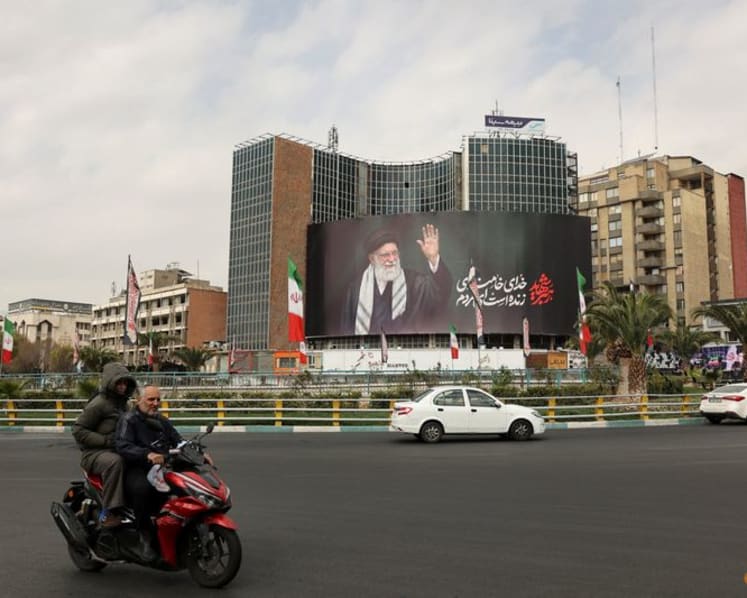
But Beijing’s concern is less about who governs Iran and more about whether its interests are protected, said analysts.
Ghiselli from the University of Exeter said Beijing is observing “what kind of new leadership emerges”.
According to him, the next regime governing Iran will probably remain authoritarian - but likely “more military in nature rather than led by the clerics”.
Ghiselli said China may “somewhat welcome this change”, citing how some Chinese observers have long criticised the clerical leadership for having “pushed Iran really into a corner without developing the economy enough”.
The Atlantic Council’s Fulton said Beijing is “quite agnostic” about who’s governing Iran.
“If there is regime change, I don't think that would really alter China's interests in Iran,” he said.
“It could actually support China's interests if there is a less aggressive regime … that would probably result in a more predictable region, which would be good for China.”
While anti-Western alignment is Beijing’s “primary common political ground” with countries like Iran, China’s core interests do not include “propping up anti-American dictatorships around the world”, said Drew Thompson, a senior fellow at the S Rajaratnam School of International Studies (RSIS).
“Should the Iranian government fall … Beijing is certain to engage the successor regime whatever its ideology, ensuring that the new government does not recognise Taiwan, protects China’s trade and investment interests, keeps the oil flowing and diplomatic channels open,” he wrote in a Jan 21 RSIS commentary predating the Israeli-US strikes on Iran.
At the same time, China is also balancing relations on the other side of the Gulf.
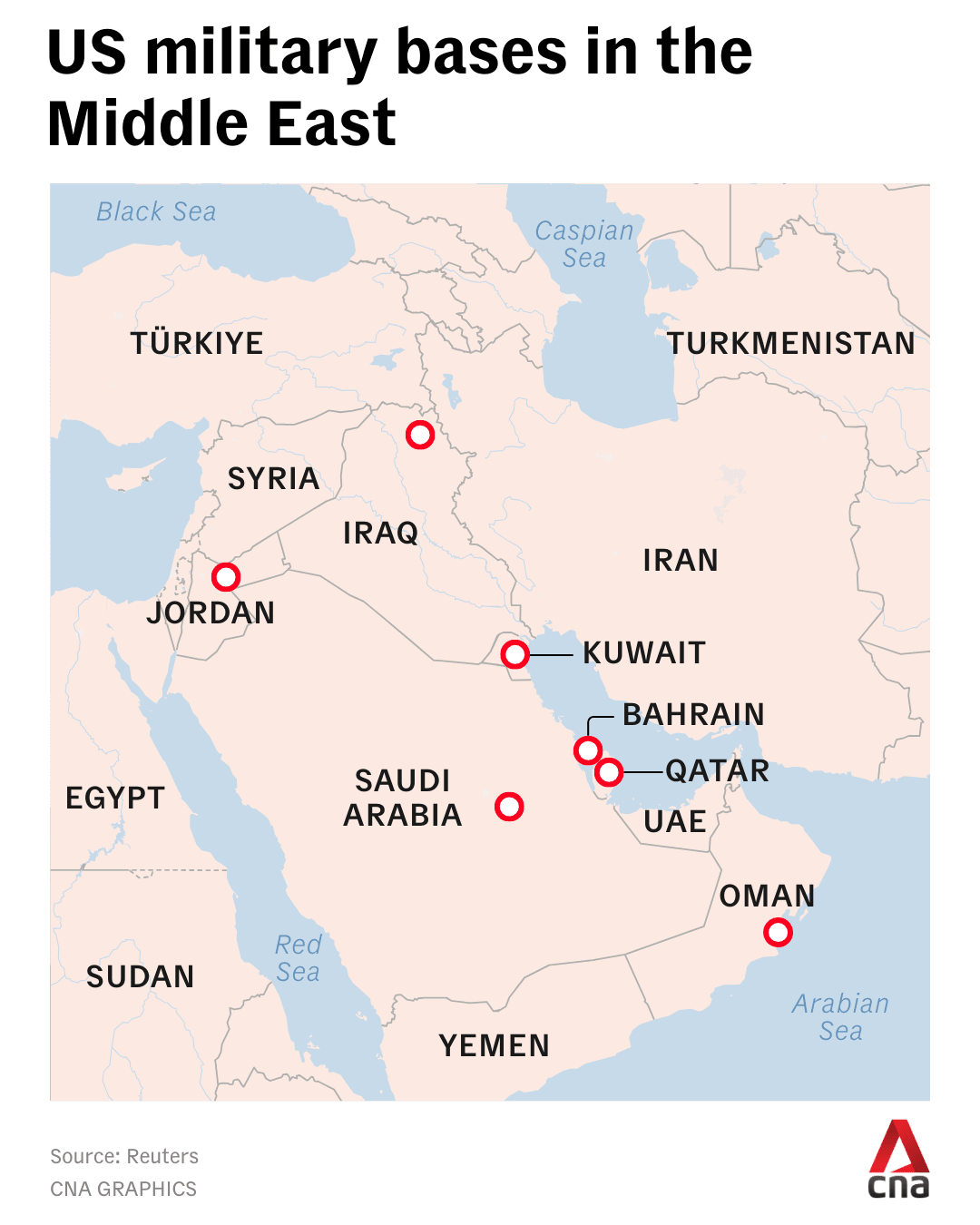
Iran’s retaliatory strikes have hit Bahrain, Kuwait, Qatar and the United Arab Emirates - states where China’s commercial interests far outweigh its ties with Tehran.
Trade between China and the Gulf states rose 14.2 per cent to US$257 billion in 2024, according to a November 2025 report by London-based think tank Asia House. Asia House also projected that Gulf-China trade could reach US$375 billion by 2028.
In contrast, trade between China and Iran amounted to US$9.09 billion in the first 11 months of 2025, according to data from China customs bureau.
Meanwhile, China is set to host the second China-GCC (Gulf Cooperation Council) Summit this year, as well as the second China-Arab States Summit to complete negotiations on a China-GCC Free Trade Agreement.
Five Gulf states - Kuwait, Saudi Arabia, Bahrain, Qatar and the United Arab Emirates - and Jordan, together with the US, jointly condemned on Monday Iran’s "reckless and provocative attacks" and reaffirmed their right to self-defence.
Chinese Foreign Minister Wang Yi had back to-back phone calls with his Iran and Oman counterparts on Monday. To the former, he said that Beijing supports Tehran in safeguarding its sovereignty, security and national dignity.
With the Omani foreign minister, Wang Yi welcomed Oman’s mediation efforts and stressed that China attaches importance to the legitimate security concerns of Gulf countries and to maintaining regional peace.
IS CHINA’S OIL SUPPLY RESILIENCE AT RISK?
Not in the near term, at least, according to analysts and traders.
Ample inventories - built up through record purchases of Iranian and Russian crude and robust government stockpiling - should allow China’s refiners to absorb short-term disruption from the Iran conflict, traders said.
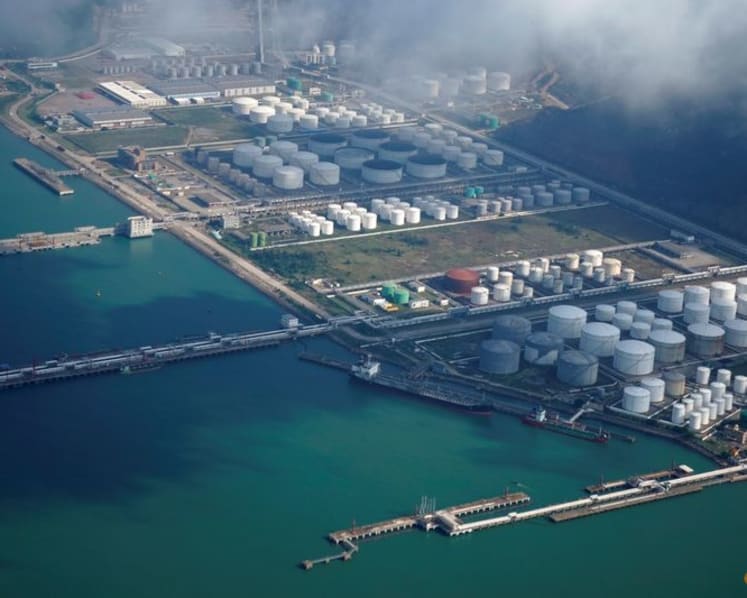
“Iran has boosted exports since mid-February and private refineries will still have access to around 30 million barrels of Iranian floating storage, most of which is off Malaysia and China,” said Sun Jianan, a senior analyst at Energy Aspects.
China has around 900 million barrels in strategic inventories, or 78 days' worth of imports, Reuters reported on Monday, citing estimates by Vortexa and traders.
China has been building its strategic reserves aggressively - buying much more oil than it consumed in 2025, said Ghiselli from the University of Exeter.
But some traders warned that a prolonged supply disruption could force these refiners to curb output and run down commercial stockpiles.
An Iranian squeeze on the strategic Strait of Hormuz has exacerbated these concerns.
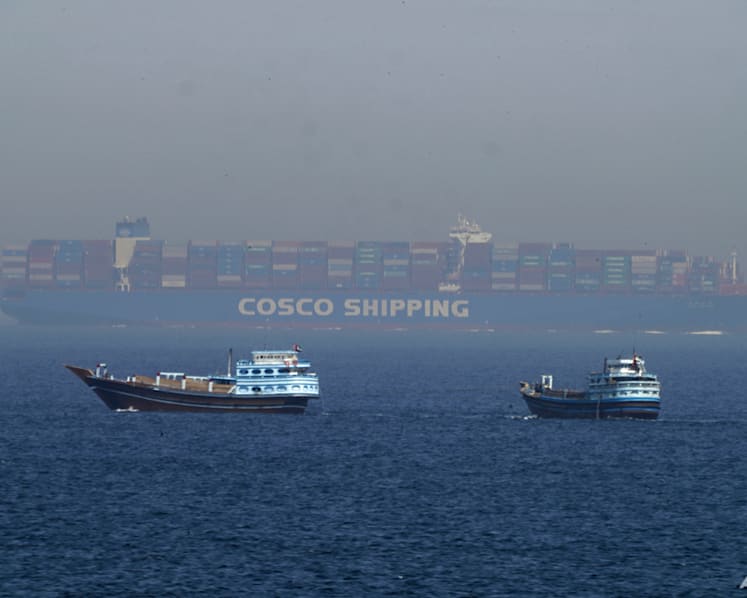
The waterway at the mouth of the Persian Gulf handles about a quarter of the world’s seaborne oil trade. It's also crucial for liquified natural gas, with nearly a fifth of global supply passing through the channel last year.
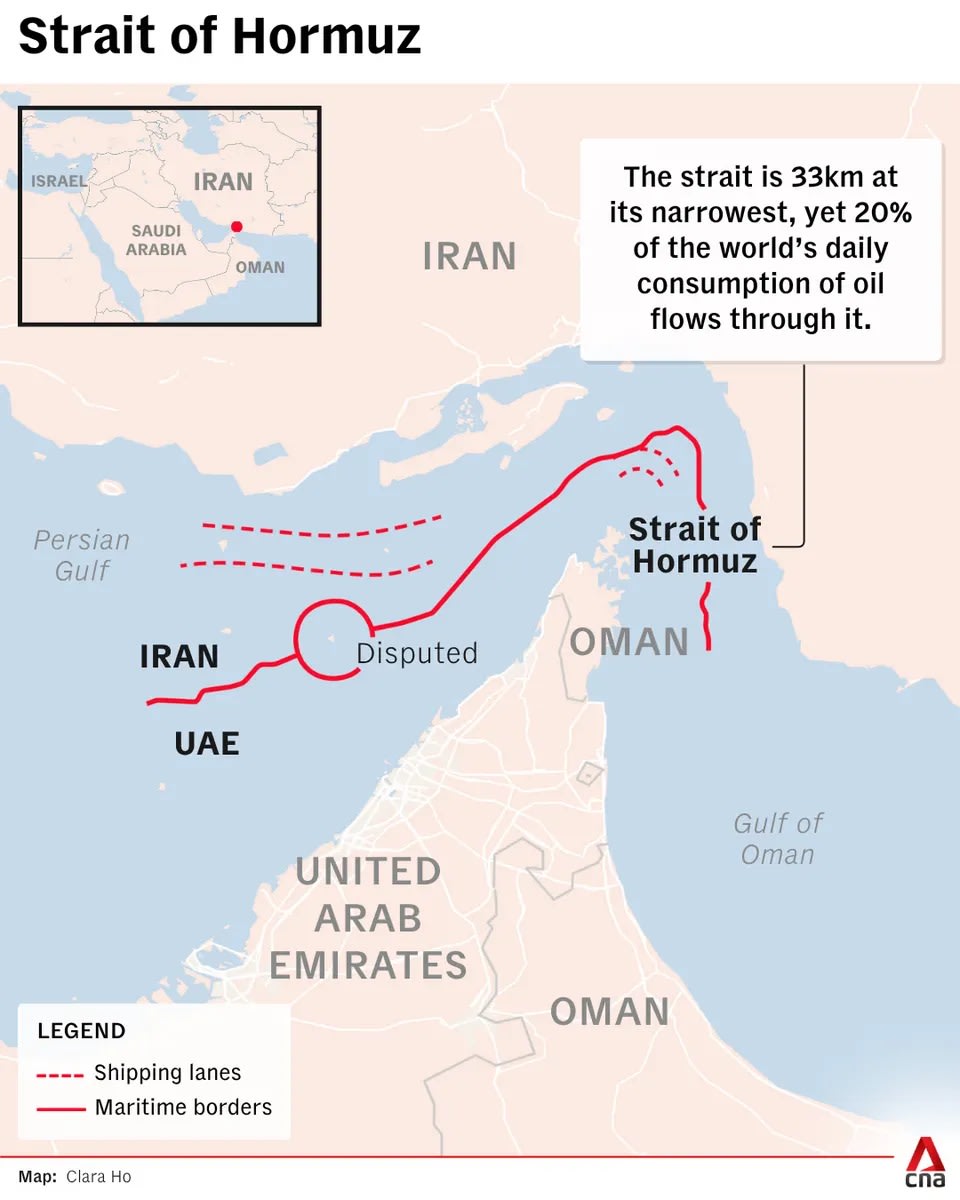
An Iranian Revolutionary Guards senior official said on Monday that the Strait of Hormuz is closed and Iran will fire on any ship trying to pass, in Tehran’s most explicit warning since telling ships it was shuttering the strait on Saturday.
In any case, shipping traffic through the channel had already plummeted since the weekend amid safety concerns.
A prolonged disruption in the strategic waterway would push energy prices up and risk igniting global inflationary pressures, analysts have said.
Trump has said the war on Iran could extend longer than a month.
COULD THE TWO SESSIONS SIGNAL A POLICY SHIFT?
Expect pointed language but no policy pivot at China’s biggest annual political gatherings, analysts said.
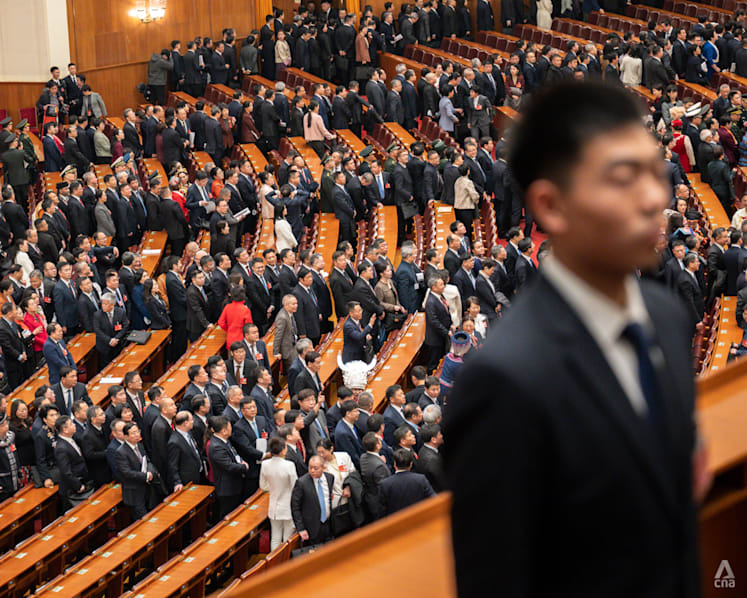
The Two Sessions, or lianghui in Chinese, are the near-concurrent meetings of the country’s top political advisory body and national legislature. They get underway on Wednesday and are expected to last for around a week.
The meetings are closely watched for signals on Beijing’s priorities both at home and abroad. One particularly parsed event is the press conference by the foreign minister, as observers look for insights into China’s current thinking on foreign affairs.
Ghiselli from the University of Exeter said there will “likely be a reference” during the Two Sessions to the US-Israel joint strikes on Iran.
“There will be the usual attempt to portray China as a force for stability … diametrically different and opposed to the United States.”
At the same time, Ghiselli said such rhetoric is “part of the Chinese grand narrative” that would have appeared “even without the attack on Iran”, although its timing may lead to “more pointed” language.
The focus should instead be on any specific actions Beijing takes, if at all, Ghiselli added.
“(China) has very little to change the situation, because there’s no veto power over American decisions,” he said.
The Atlantic Council’s Fulton doesn’t expect China to significantly change how it engages the Middle East despite the widening conflict, noting how the region is “primarily an economic interest” for Beijing.
“If China is able to get the energy it needs at a reasonable price … (and its) citizens and assets are relatively safe, that’s really as much as you can ask for,” he said.
“China's focus is on domestic issues. And there are very few ways in which the Middle East can negatively affect that.”