







Malaysia’s work-from-home policy: Experts flag minimal fuel savings, businesses wary of economic fallout
As segments of Malaysia’s civil service gear up to work from home thrice a week, economists say fuel savings from the move will be minimal. But businesses warn expanding the policy will hurt the economy.
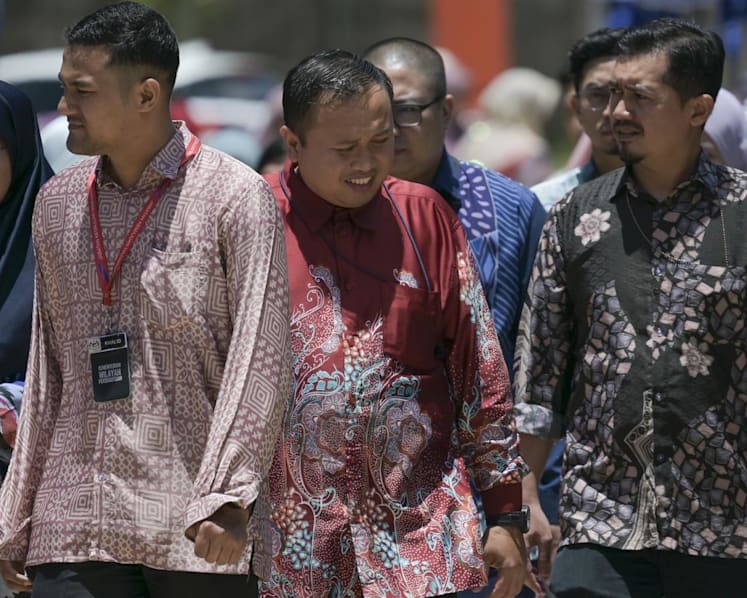
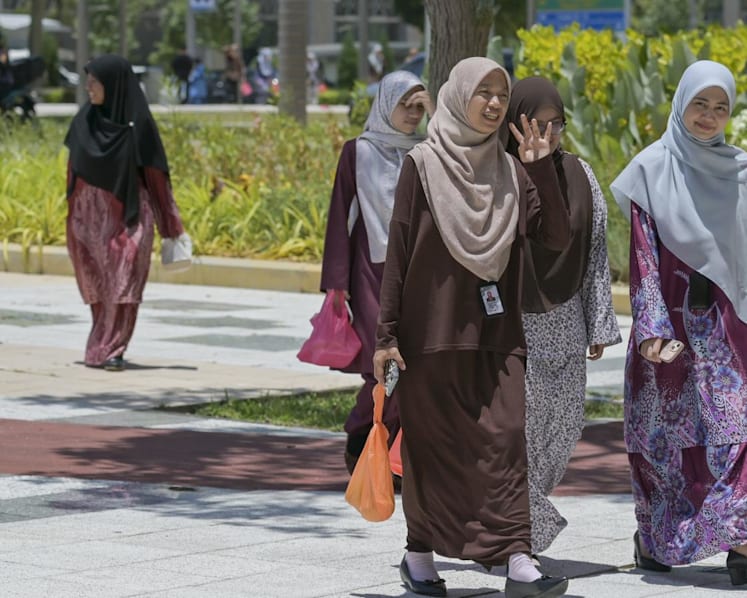
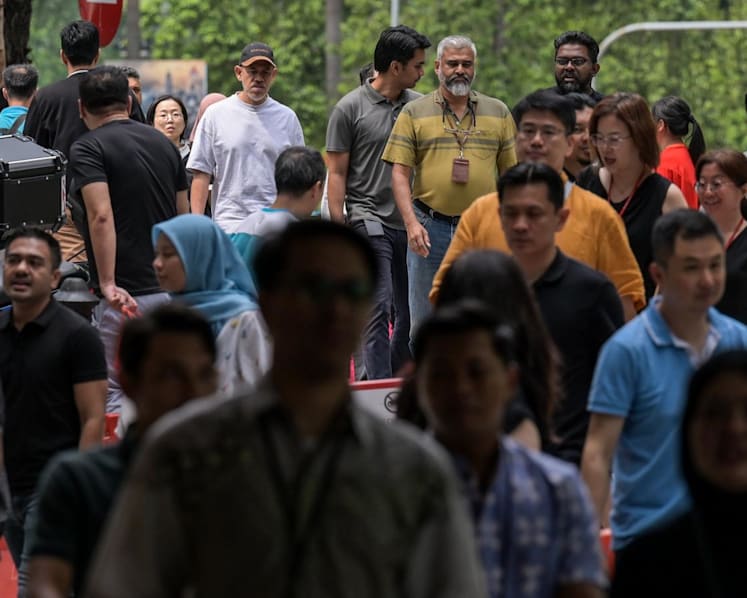
Malaysian civil servants in the administrative capital Putrajaya during lunch hour on Apr 9, 2026. (Photo: CNA/Fadza Ishak)

This audio is generated by an AI tool.


KUALA LUMPUR: Malaysia faces a balancing act as some civil servants gear up to work from home (WFH) thrice a week from next Wednesday (Apr 15), with experts saying the policy is unlikely to make a dent in fuel savings unless it extends to the private sector.
But the Malaysian Employers Federation said it does not support a mandatory, one-size-fits-all WFH policy for the private sector, and businesses have warned that widespread implementation of WFH could lead to a drop in consumer spending and hurt the economy.
Meanwhile, civil servants who have been excluded from the policy told CNA they are not disgruntled, but wondered if the policy could be more flexible to include more employees and maximise fuel savings.
Those who are eligible welcomed the arrangement but cautioned that certain tasks could take longer to complete, while some individuals could find workarounds to slack off.





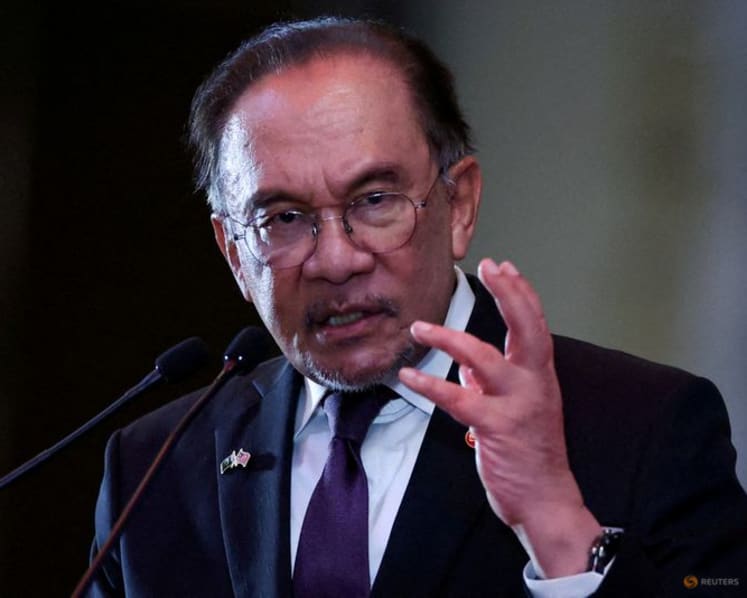
The WFH policy, announced by Prime Minister Anwar Ibrahim last week, is to mitigate energy supply disruptions caused by conflict in the Middle East.
It applies to ministries, agencies, statutory bodies and government-linked companies (GLC), but generally excludes workers in the security, health and education sectors to prevent disruption to essential services.
In addition, only civil servants who live more than 8km from their office and who work in Kuala Lumpur, Putrajaya, Selangor and state capitals qualify for the policy.
Those working remotely will have to use a geolocation app to record their attendance at home during work hours.
The Secure Personnel Online Tracking (SPOT-Me) app enables civil servants to log check-in and check-out times whether working from the office or remotely, as well as submit completed tasks for verification, local media reported.
“Those allowed to WFH are also required to log in to the online monitoring system every hour to record their attendance using geolocation functions on their devices at home,” public service director-general Wan Ahmad Dahlan Abdul Aziz reportedly said.
Besides Malaysia, Indonesia is another Southeast Asian country that has implemented a WFH policy every Friday for public sector employees in response to the energy crunch.
CIVIL SERVANTS WEIGH IN
Some Malaysian civil servants welcomed the WFH policy but are unsure about its impact and what it will achieve.
“WFH helps to save time, money and electricity, but some tasks will take longer,” said a
civil servant in the Prime Minister’s Department, who is eligible to WFH and only wanted to be known as Ida.
Colleagues working remotely could lack ready access to certain information and documents, she said. Like the other civil servants CNA spoke to, Ida declined to be identified as she is not authorised to speak to the media.
Ida, 45, also welcomed the use of the SPOT-Me app as some civil servants could use WFH as an excuse “not to work”.
“It gives some accountability, although it’s not 100 per cent (foolproof),” she said.
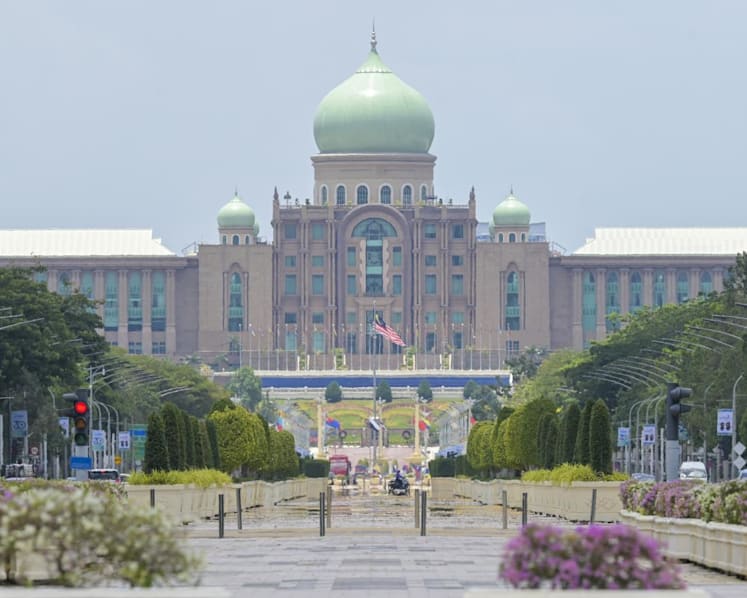
A 34-year-old junior officer involved in policy planning at a federal ministry was optimistic about the WFH policy, calling it a “timely” move.
He was, in fact, “surprised” by the speed at which the government was reintroducing WFH for the civil service, considering how some of the more senior staffers had previously pushed back against it, given their more traditional work ethic and lack of digital skills.
GLCs and government-linked investment companies (GLICs) will participate in the WFH policy to ensure fuel savings go beyond just a small segment of the civil service, he noted.
In 2022, GLCs and GLICs directly employed half a million Malaysians. GLCs - such as national oil company Petronas - are primarily commercial companies that the Malaysian government has a controlling stake in, often through GLICs like sovereign wealth fund Khazanah Nasional.
And apart from WFH, the government has introduced other fuel-saving measures, like requiring air-conditioning in all government buildings to be set to a minimum of 24°C, the officer said.
“So I feel that these kinds of measures will definitely make an impact in reducing the amount of fuel that we consume,” he said.
The junior officer said the policy will not have an adverse impact on his work as it involves finding consensus and decision-making. He cited his smooth experience doing this in online meetings when WFH was the norm during the COVID-19 pandemic.
But he cautioned that ministries have different levels of digital preparedness and infrastructure, with varied roles that might not be suited for WFH.
“I would say that some roles in the civil service - like operations assistants - are more office-based. These are the ones that, if you give them WFH, it’s actually a paid holiday,” he said.
“That being said, department heads can allow or disallow certain people from WFH, so I know some ministries have already said that their senior officers are not allowed to WFH. Individual ministries will have different work cultures.”
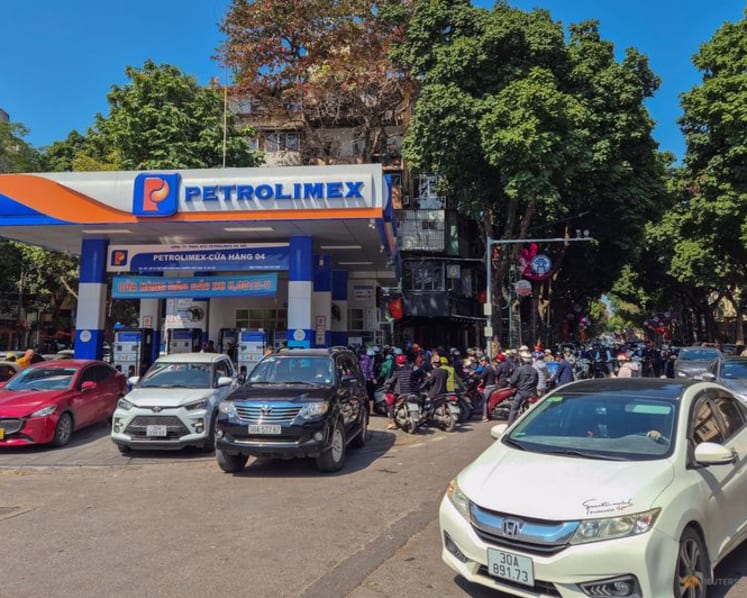

Two educators excluded from the WFH policy were neutral about it, but one – a high school teacher in Terengganu – pointed out that the education ministry should put more effort into online learning.
The high school teacher said he commutes roughly 140km every day from his home to his school in rural Terengganu.
“Most of the teachers here travel roughly 50km to 60km one way,” the 28-year-old said.
The WFH policy should be more flexible and the private sector should be involved if the government is serious about saving fuel, he added.
“Surely the ministries have figured out a way to make sure that learning can happen, even though it is conducted online,” he said. “We should be doing everything that we absolutely can to preserve our oil.”
The other educator, a senior lecturer in her 40s at a public university in southern Malaysia, agreed.
The education/higher education, health and home ministries are four ministries “commanding the highest percentage of civil service staff, yet we are excluded from the WFH arrangements”, she noted.
“It feels like a performative announcement without much impact.”
That said, being excluded from the WFH policy makes little difference to the senior lecturer. This is because her employer already offers flexible work arrangements that allow “working in any location so long as we check in on the uni app”.
WHAT WILL WFH POLICY ACHIEVE?
Analysts said Malaysia's WFH policy in its current form will have only a minimal impact on energy savings.
Its impact would be greater if extended to the private sector, they said, although some observers doubt the feasibility given the wide variety of industries involved and the potential for higher costs and economic losses.
Based on back-of-the-envelope calculations, economist Geoffrey Williams, director of Williams Business Consultancy, estimated that out of Malaysia’s 1.3 million civil servants, only around 260,000 would be eligible to WFH.
A three-day WFH arrangement would cut their office commute to eight days per month, saving around 9.4 million litres of RON95 petrol per month and RM17.7 million (US$4.44 million) in subsidies, he projected.
These savings represent less than 1 per cent of total petrol consumption and subsidies, said Williams, describing the impact as “very small”.
“To be impactful, it must be extended to state-level civil servants, GLICs, GLCs and statutory bodies. But most importantly, it must be extended to the private sector,” he added.
"Currently the policy poses no risks (from an economic perspective) because it’s too limited. It should be extended to all employees to make a big difference."
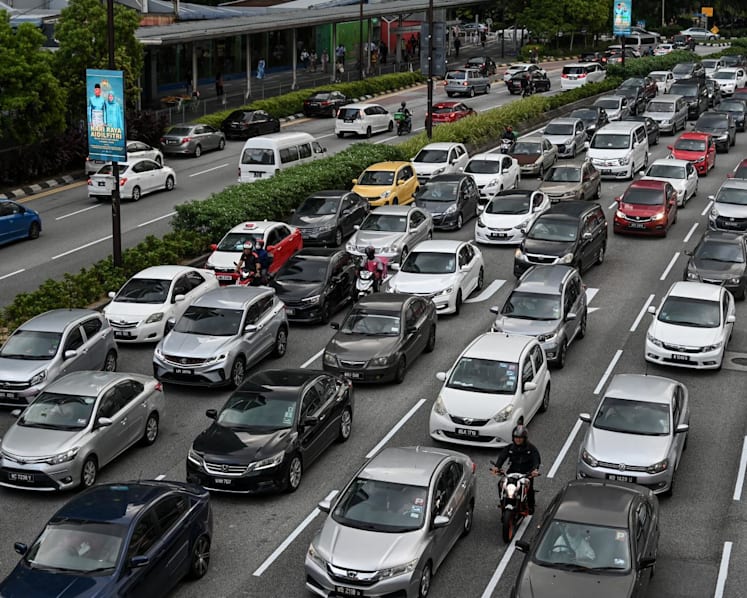
Another economist, Shankaran Nambiar, said the current WFH policy would take a “reasonable number” of vehicles off the road and reduce demand for petrol, even if the fuel savings are not “sizeable”.
“This will make an appreciable difference, especially if the war is prolonged,” Shankaran said.
According to another projection by environmental group RimbaWatch, WFH arrangements for just half of the Klang Valley’s workforce could save the government about RM169 million a month in fuel subsidies, based on data from government and research sources.
Considering that Klang Valley accounts for about 23 per cent of Malaysia’s workforce, RimbaWatch also suggested that nationwide WFH adoption could save up to RM1 billion a month.
Addressing this projection, Nambiar felt RM1 billion to be an “overestimate” as it was not feasible for the entire private sector to adopt the policy.
"You can't expect this policy to be introduced to all sectors because the conflict is already tightening margins. Insisting on a particular mode of work, where it doesn't suit the needs of the company, will further disrupt the work flow, and affect profitability,” he said.
“The cost dimension must be factored in. Post-COVID, many companies found that WFH did not deliver optimal performance, although others did continue with a hybrid system.”
Surveys conducted by the United Nations Development Programme and published in August 2020 on Malaysia’s WFH experience during the pandemic found that it was “largely beneficial” for work-life integration and productivity, where time savings could increase productivity in terms of work and domestic responsibilities.
“Yet, the sudden switch to WFH during the (movement control order) period had some negative effects. It disrupted operations for those unprepared for WFH - particularly smaller domestic businesses,” the study said.
“WFH also contributed toward social isolation, blurred work-life boundaries, and shifted costs onto employees.”
The movement control order included a series of restrictions on movement, mass assemblies, religious activities and travel, with most businesses closed except for essential services.
BUSINESSES WARN OF “GREATER” ECONOMIC LOSSES
Businesses have cautioned that fuel subsidy savings from large-scale implementation of WFH policies could be outweighed by “significantly greater” economic losses.
In a statement on Wednesday, the Federation of Malaysian Business Associations said a reduction in commutes directly impacts urban-dependent sectors like food and beverage, retail and convenience stores, and petrol stations, potentially undermining Malaysia’s broader economic stability.
Economy Minister Akmal Nasir said on Thursday that the current WFH policy will not disrupt the nation’s economic activity and aims to maintain productivity, unlike during the pandemic when the policy was aimed at curbing the spread of the virus.
The Malaysian Employers Federation (MEF) told CNA it does not support a mandatory, one-size-fits-all WFH policy for the private sector.
“The private sector operates across diverse industries with fundamentally different operational requirements, many of which - such as manufacturing, logistics, retail, hospitality, and construction - cannot be performed remotely,” said its president Syed Hussain Syed Husman.
“Imposing a blanket mandate on WFH for the private sector would therefore be impractical, disruptive, and economically counterproductive.”
Syed Hussain noted that heavy industries and commercial activities remain the largest energy consumers, meaning WFH’s aggregate impact on energy savings could be “marginal” at the national level.
MEF said between 60 per cent to 80 per cent of large corporations - primarily in finance, professional services, and information and communication technology sectors - have adopted some form of flexible work arrangements, including hybrid or partial WFH.
Adoption among micro, small, and medium enterprises are significantly lower, estimated at 20 per cent to 30 per cent due to operational constraints and limited resources, Syed Hussain said.
“MEF’s position is that flexibility, not compulsion, should guide policy. Employers should be allowed to determine appropriate work arrangements based on operational needs, digital readiness, and productivity considerations,” he added.
“The government should instead adopt a facilitative approach, providing guidelines, incentives, and infrastructure support rather than mandates.”
Malaysia’s human resources ministry said on Thursday that flexible work arrangements by the private sector must be in line with the Employment Act 1955.
Among other provisions, the Act gives employees the right to apply for flexible arrangements and requires employers to provide written feedback within a specified period.
To Ida, the Prime Minister’s Department employee, whether the policy should be expanded depends on how the rollout on Apr 15 goes.
“We need to assess the overall implementation. It should be tested in the public sector first. If it’s not effective, it can be discontinued,” she said.





