Commentary: Tensions from 2025 will continue to test leaders in 2026
Here are the commentaries that captured the past 12 months.
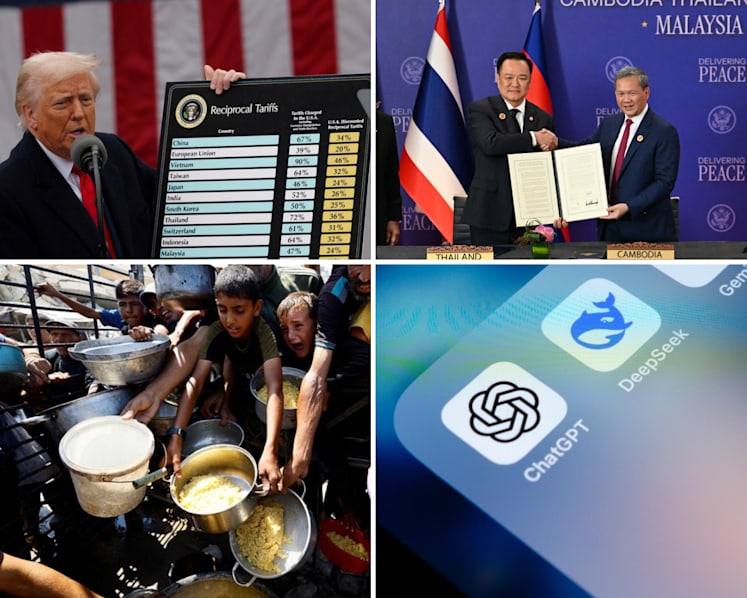
Composite photos (clockwise from top left) of US President Donald Trump Reuters/Carlos Barria); Thai Prime Minister Anutin Charnvirakul and Cambodia's Prime Minister Hun Manet (Mohd Rasfan/Pool Photo via AP); AI apps Deepseek and ChatGPT (iStock/lixu); Palestinians in Gaza (Reuters/Mahmoud Issa).

This audio is generated by an AI tool.


SINGAPORE: Looking back on 2025, good news seems scant: Tariffs and conflicts dominated headlines. But the past year revealed not only geopolitical fault lines, but also surprising resilience.
Tariffs did not bring about skyrocketing inflation or recession, though their full effects may yet unfold. As 2026 approaches, much hinges on how countries navigate the arena of big power competition, as well as contentious issues from border conflicts to AI regulation.
Leaders have their work cut out for them in 2026.
REVIVAL OF “AMERICA FIRST”
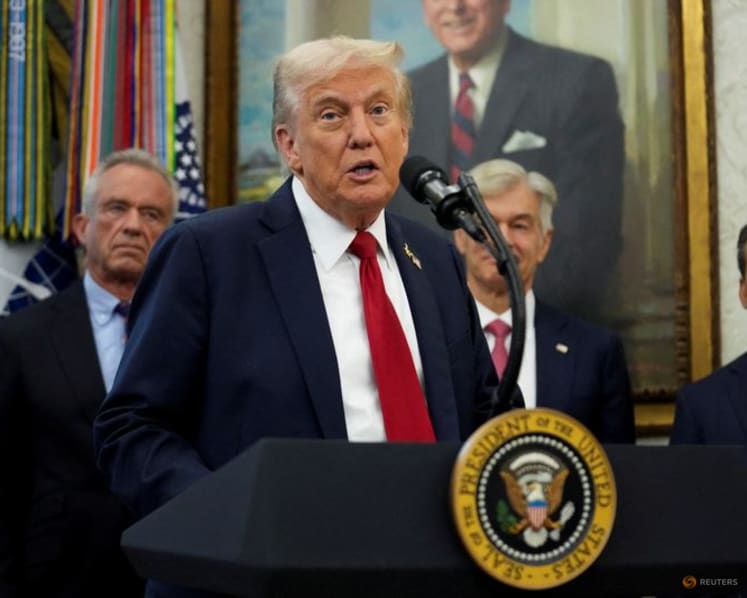
US President Donald Trump’s so-called Liberation Day (Apr 2) unleashed sweeping tariffs on friend and foe alike, upending global supply chains and forcing countries to negotiate trade deals.





It triggered tit-for-tat measures between Beijing and Washington. At the peak of their standoff, sky-high tariffs meant that there was essentially a US-China trade embargo. Both countries have since climbed down and reached a delicate truce.
Who won? Observers said that China has not bent to Mr Trump’s bluster and identified where it has leverage, for instance, in rare earth exports.
Southeast Asian nations were among the worst hit by country-specific tariffs. Vietnam, Thailand, Indonesia and Malaysia have signed trade deals or at least come to some agreement.
Singapore was slapped with a baseline 10 per cent tariff, despite a free trade agreement and the US enjoying a trade surplus. US Ambassador to Singapore Dr Anjani Sinha raised eyebrows with his comment on Washington’s role in “making Singapore’s economic miracle possible”, which observers see as an expectation that American partners owe a debt that needs to be paid back.
Mr Trump’s tariffs are currently facing legal scrutiny in the US, but the threat of more tariffs, including sectoral levies on pharmaceuticals and semiconductors, is unlikely to go away in 2026.
CEASEFIRES AND RISING TENSIONS
At the trade bargaining table, countries are also appealing to Mr Trump’s desire to be seen as a peacemaker.
While a Ukraine deal seems to weave in and out of grasp, he brokered the Gaza peace deal in October, and claimed credit for other ceasefires such as those between India and Pakistan, and Thailand and Cambodia. However, the fragility of the Thailand-Cambodia ceasefire is a lesson in the limits of US leverage.
Notably absent so far from US-China dialogue is Taiwan. Japan-China ties plunged when Prime Minister Sanae Takaichi suggested Tokyo could intervene militarily in the event of a Chinese attack on Taiwan. China’s and America's reactions showed the world how large powers now call the shots.
Chinese attempts to assert itself territorially have not always gone to plan. In August, two Chinese vessels collided with each other while pursuing a Philippine patrol boat in the South China Sea, highlighting tactical and operational weaknesses.
With Chinese military drills around Taiwan in the last days of 2025 and the Philippines taking its turn as ASEAN chair in 2026, tensions in the water will be something to watch as potential flashpoints in Asia.

AN EMBOLDENED CHINA
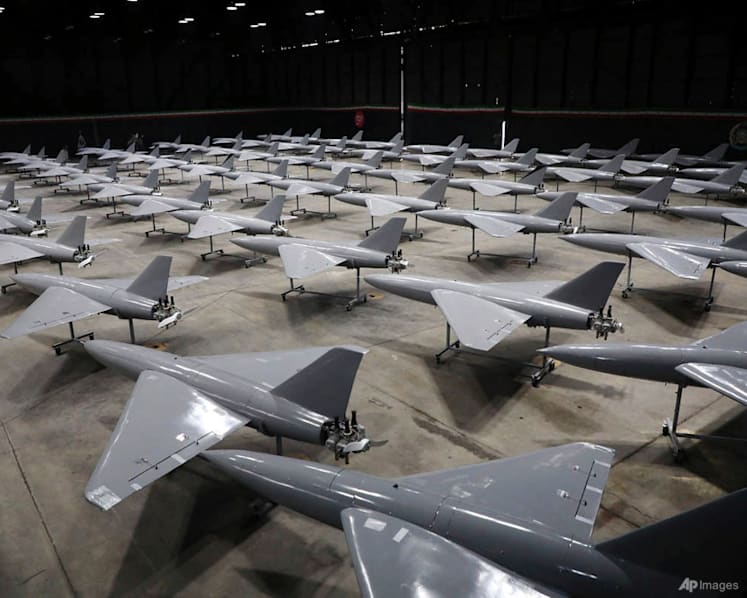
As the US reinvents its global leadership, China is positioning itself as a worthy contender. The debut of AI chatbot DeepSeek triggered panic in the US as it established a Chinese startup as a competitor to the likes of OpenAI, Meta and Google.
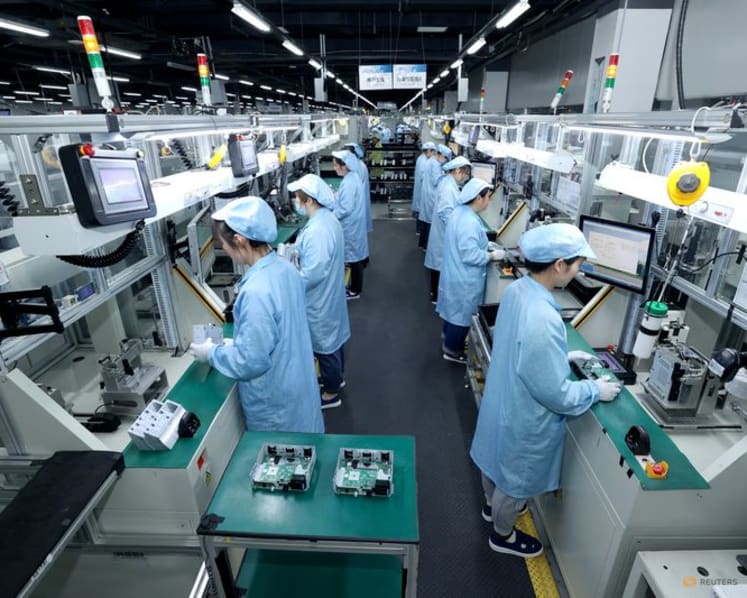
Have US tech controls backfired? China has doubled down on efforts towards self-reliance and innovation, in particular backing Huawei and other domestic chipmakers over Nvidia.
But while Chinese products from electric cars to Labubu plushies make headway globally, domestic consumption remains sluggish. China has finally acknowledged that overcapacity is a problem for its industrial base, but fighting price wars and “involution” will not be straightforward.
China’s next Five-Year Plan will start in 2026 - whether it can boost consumption while pursuing technological supremacy remains to be seen.
AI EVERYWHERE
Artificial intelligence is coming for you, whether you like it or not. The question of whether AI will come for our jobs is no longer a hypothetical one, with companies from Amazon to DBS announcing plans this year to shrink their workforces in favour of adopting AI.
Stock markets are still fizzy with AI hype, and it looks like the bubble has not popped this year. Singapore experts say that prudence is warranted on AI investments, and if AI stocks nosedive, the implications will be felt in Singapore’s markets and sovereign portfolios.
Amid breathless talk about AI in business circles, it seems paradoxical that many of us view the technology with disdain. “Slop”, referring to poor-quality AI-generated content, is American dictionary Merriam-Webster’s word of the year.
There’s the dark side of generative AI as well, from its role in spreading misinformation to enabling online child abuse. The signs of an impending wave of AI-enabled crime are present, and 2026 will be a test for regulators to fight back.
SG60 AND GENERAL ELECTION
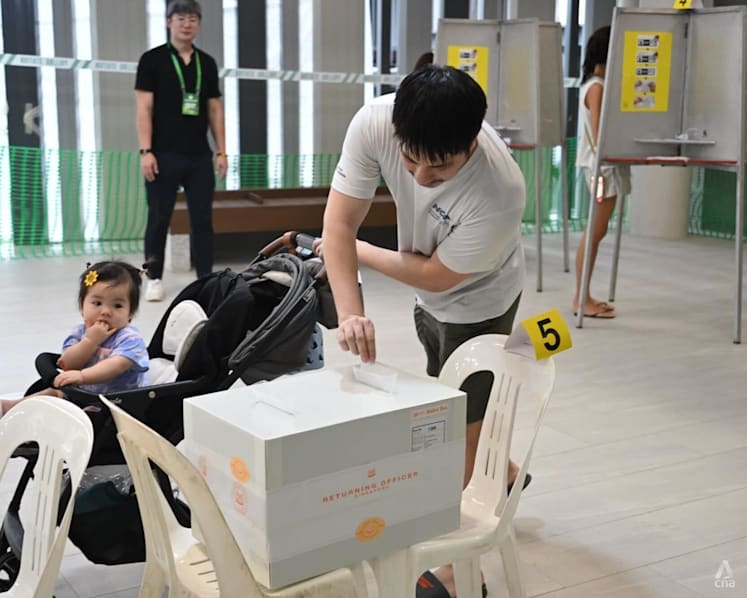
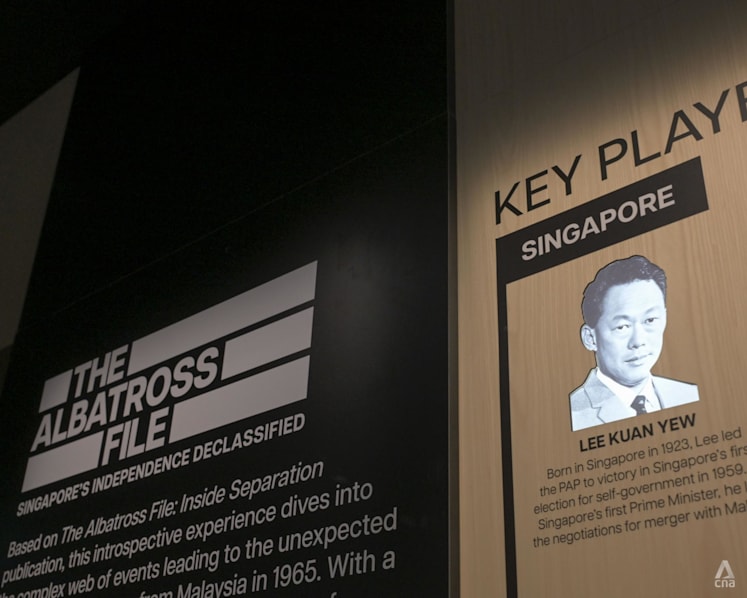
For Singapore, 2025 was a time of reflection on 60 years of independence since its founding. In the General Election in May, the People’s Action Party secured a strong mandate with 65.57 per cent of the popular vote. Observers said it was a remarkable result amid cost-of-living concerns and 2024’s global trend of voters turning away from incumbent rulers.
With Budget 2025 termed an “election budget”, it remains to be seen how Budget 2026 on Feb 12 will measure up.
Vouchers were a feature of Budget 2025, with Singaporeans receiving SG60 vouchers and Community Development Council (CDC) vouchers. Amid debate about whether these should be used on “frivolous items”, observers said that vouchers offer targeted aid compared to cash handouts and would likely feature in future budgets as a means of offsetting costs of living and supporting local businesses.
Retail rents were a hot talking point in 2025, as businesses from small restaurants to department stores announced their closures. Dining out doesn’t feel the same, and supper joints are dwindling. Meanwhile, hawkers continue to juggle operating costs with patrons’ expectations of affordability – and some argue that this is endangering the trade.
Finally, Singapore sports ended the year in triumph, from Shanti Pereira reigning as Southeast Asia’s sprint queen to Quah Ting Wen becoming the most bemedalled athlete at the SEA Games.
In a historic first, the Singapore men's football team qualified for the Asian Cup on merit in November. Gavin Lee was appointed national head coach after pulling off this feat. Though some observers raised concerns about his lack of experience, others see his appointment as an investment in local football. The Lions may not make it far in the 2027 Asian Cup, but reclaiming footballing glory will take patience and support.